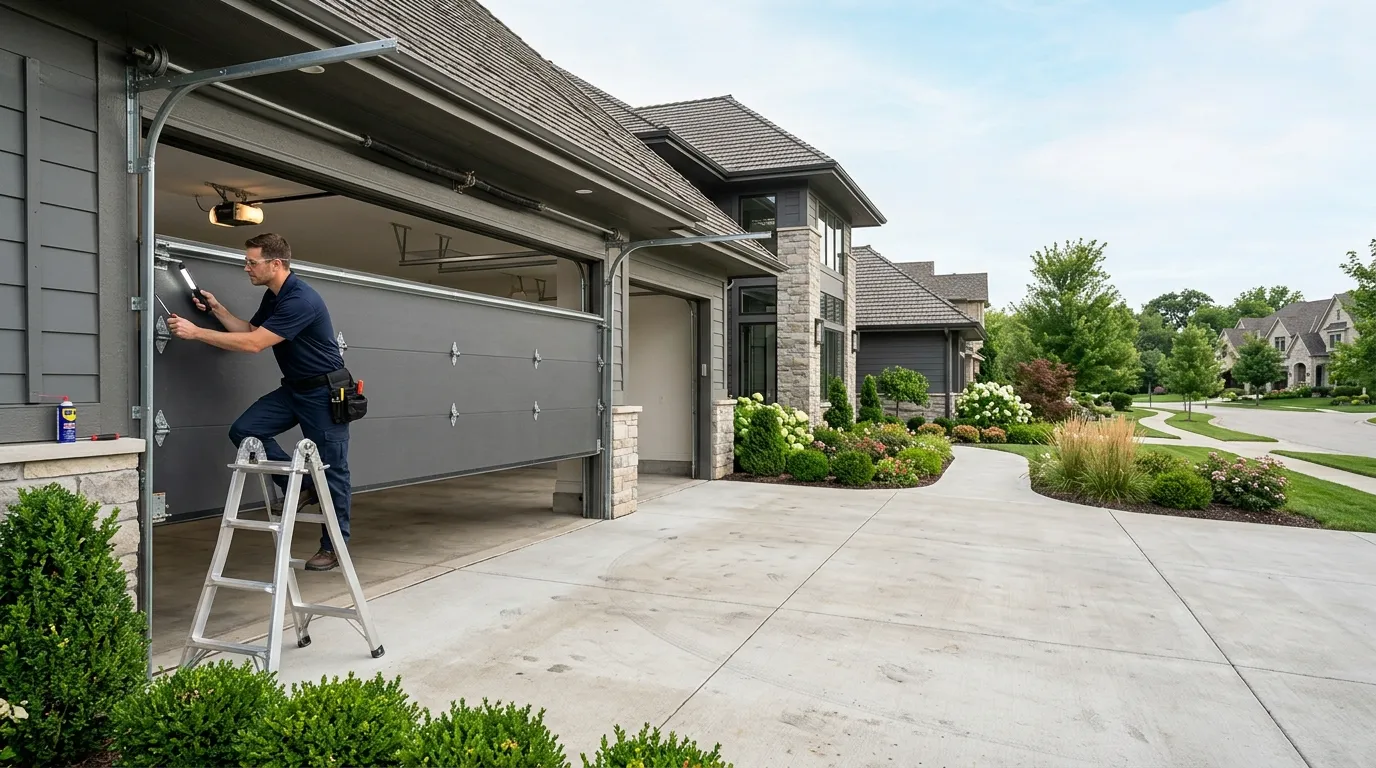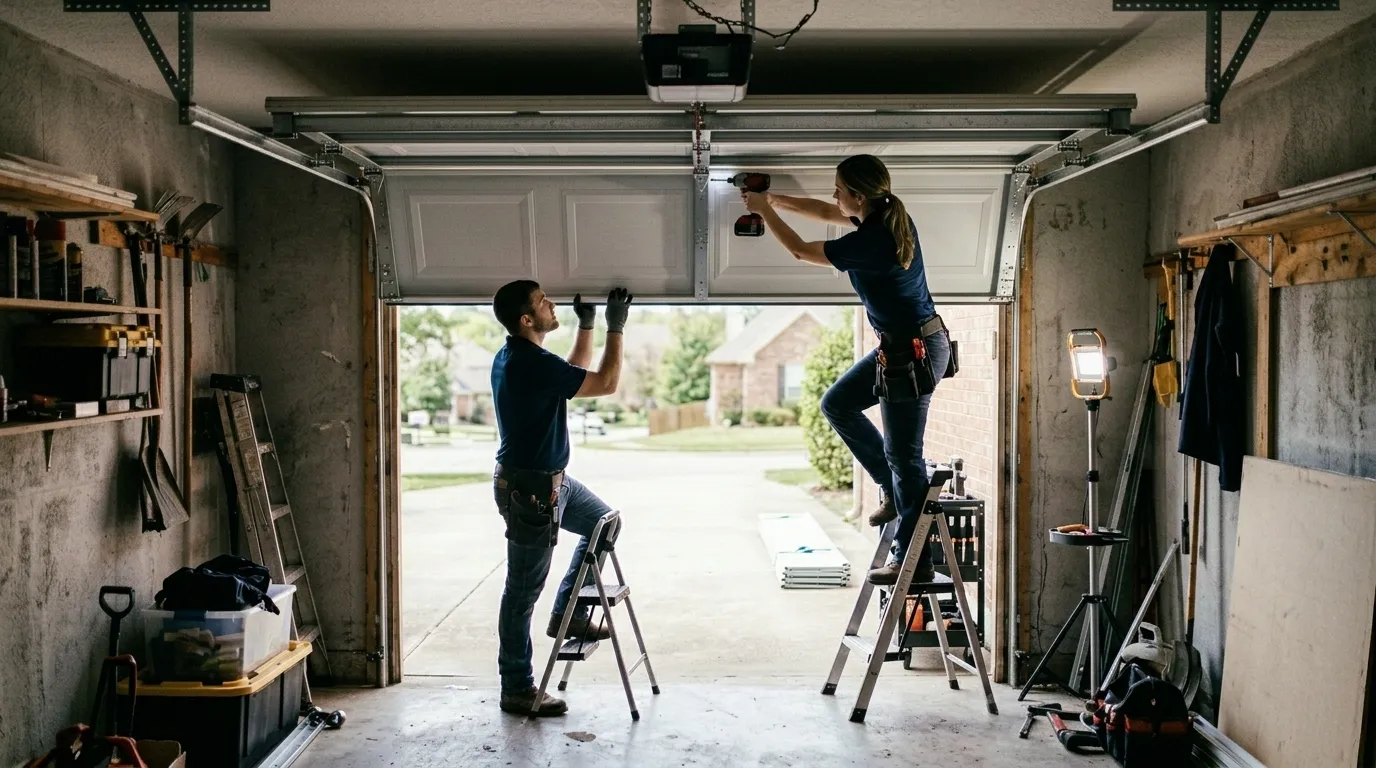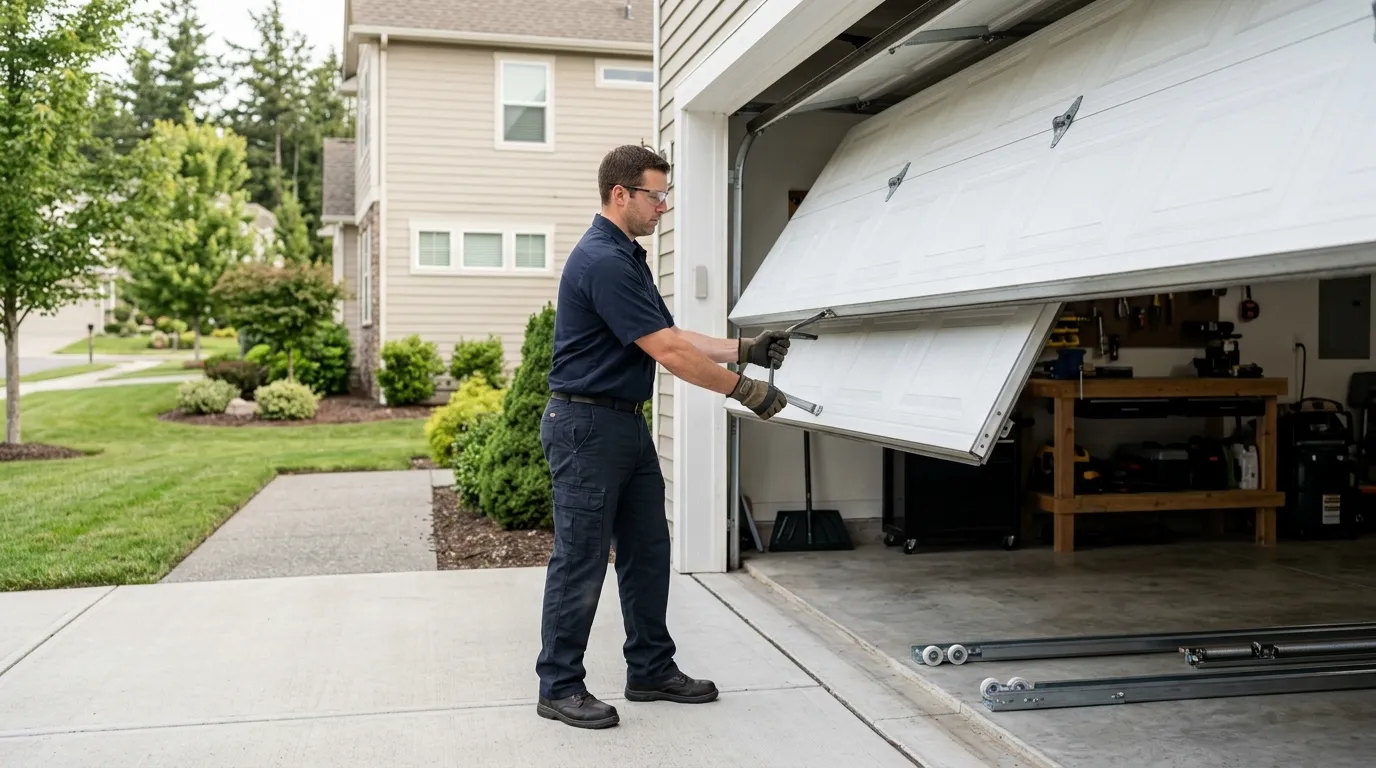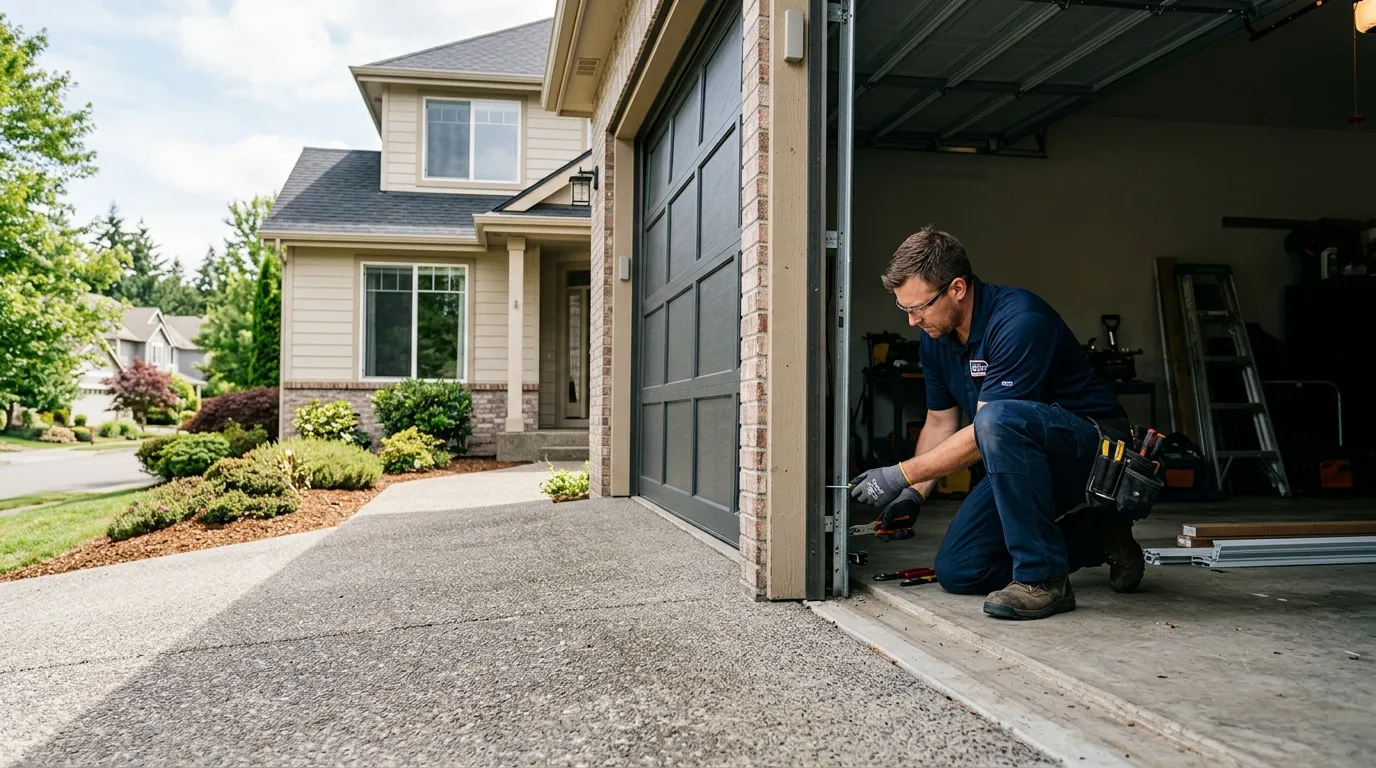
The DIY Question
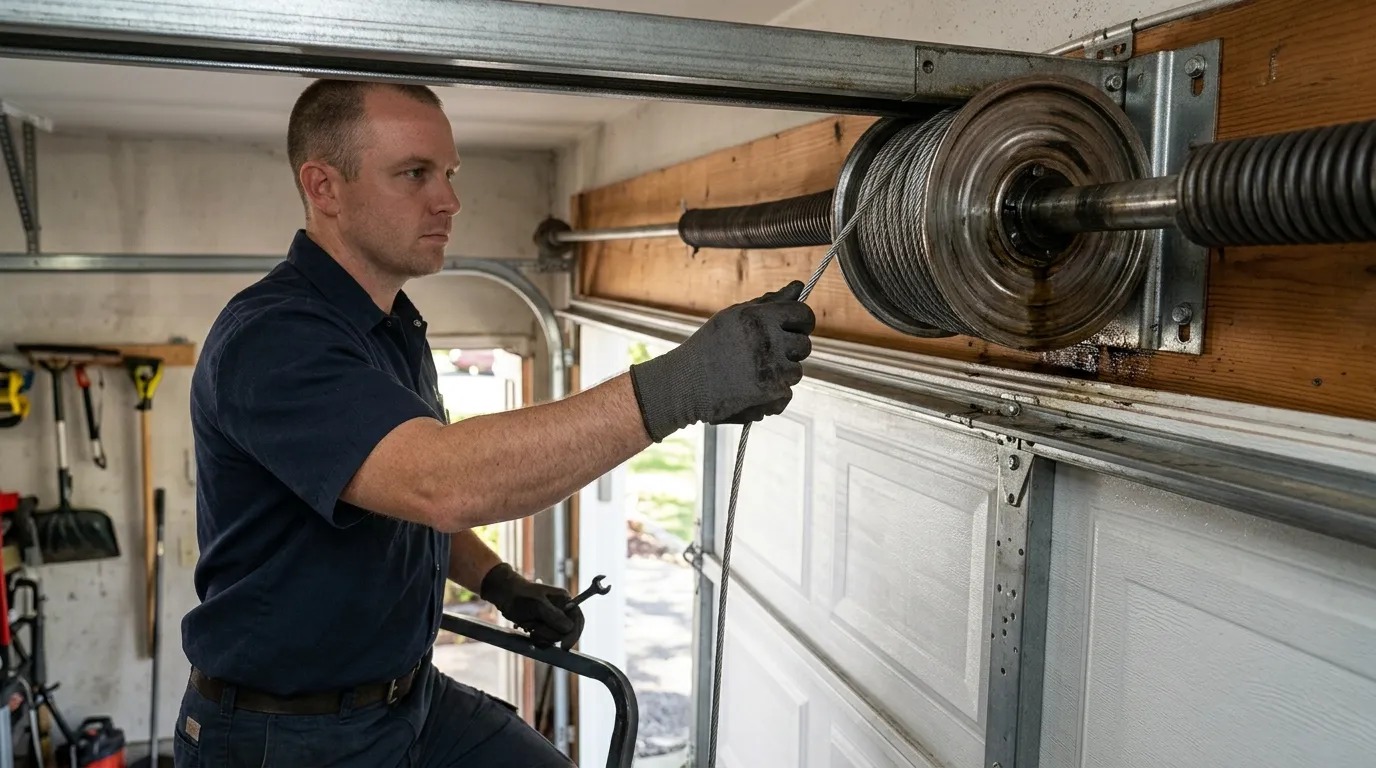
A garage door cable is not the part to practice on. It runs under real tension, wound around a drum or looped through a pulley, and if it lets go while you're standing under the door, it can whip hard enough to cut skin or crack a windshield. We'll say plainly: if the cable has already snapped and the door is down, you can usually leave it down safely and call for a repair. Do not try to wind a new cable onto a drum yourself, and do not cut a zip tie or pry bar into a spring-loaded system to "just get the door moving." That's a repair for someone who does this daily, not a Saturday project.
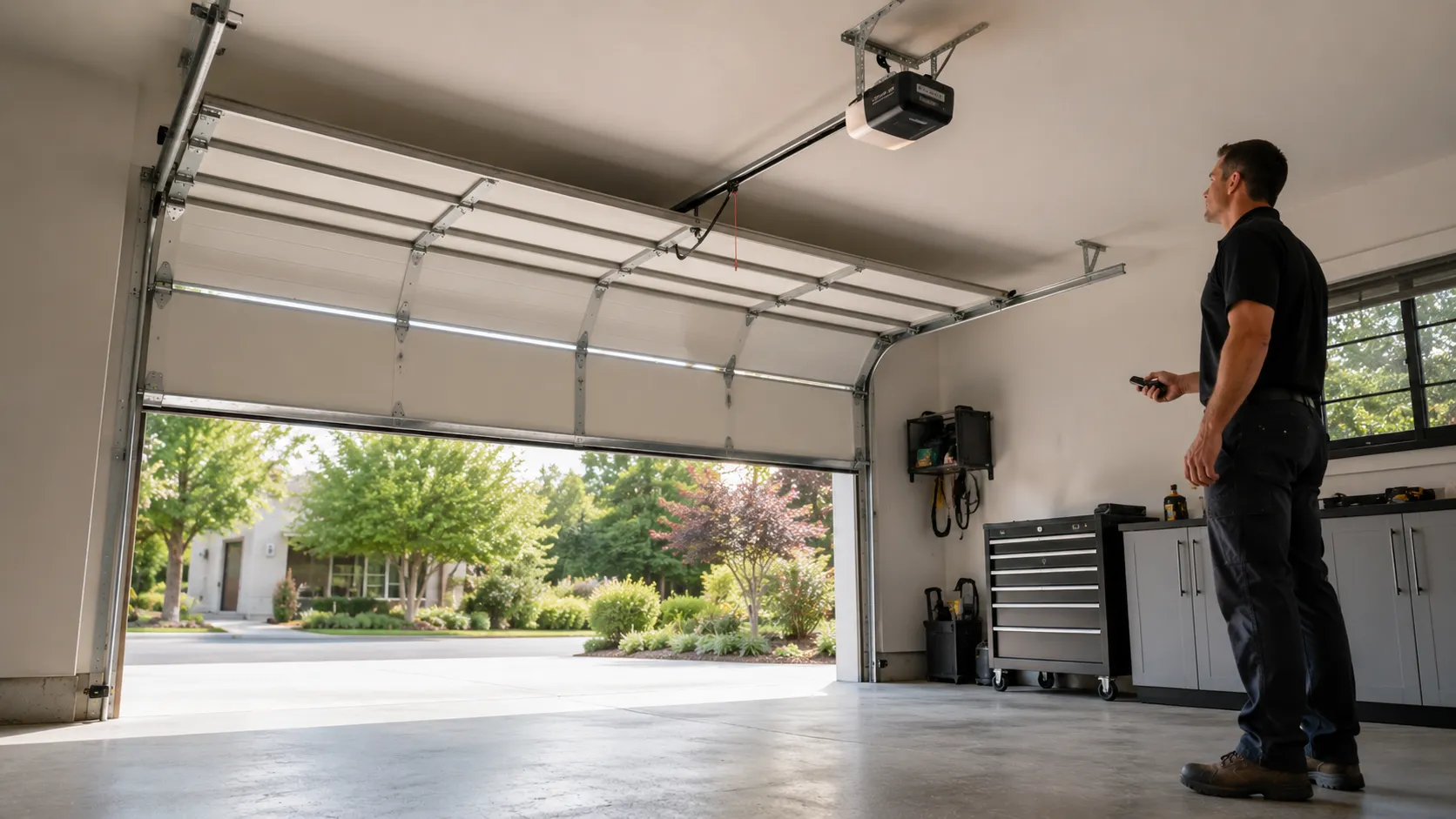
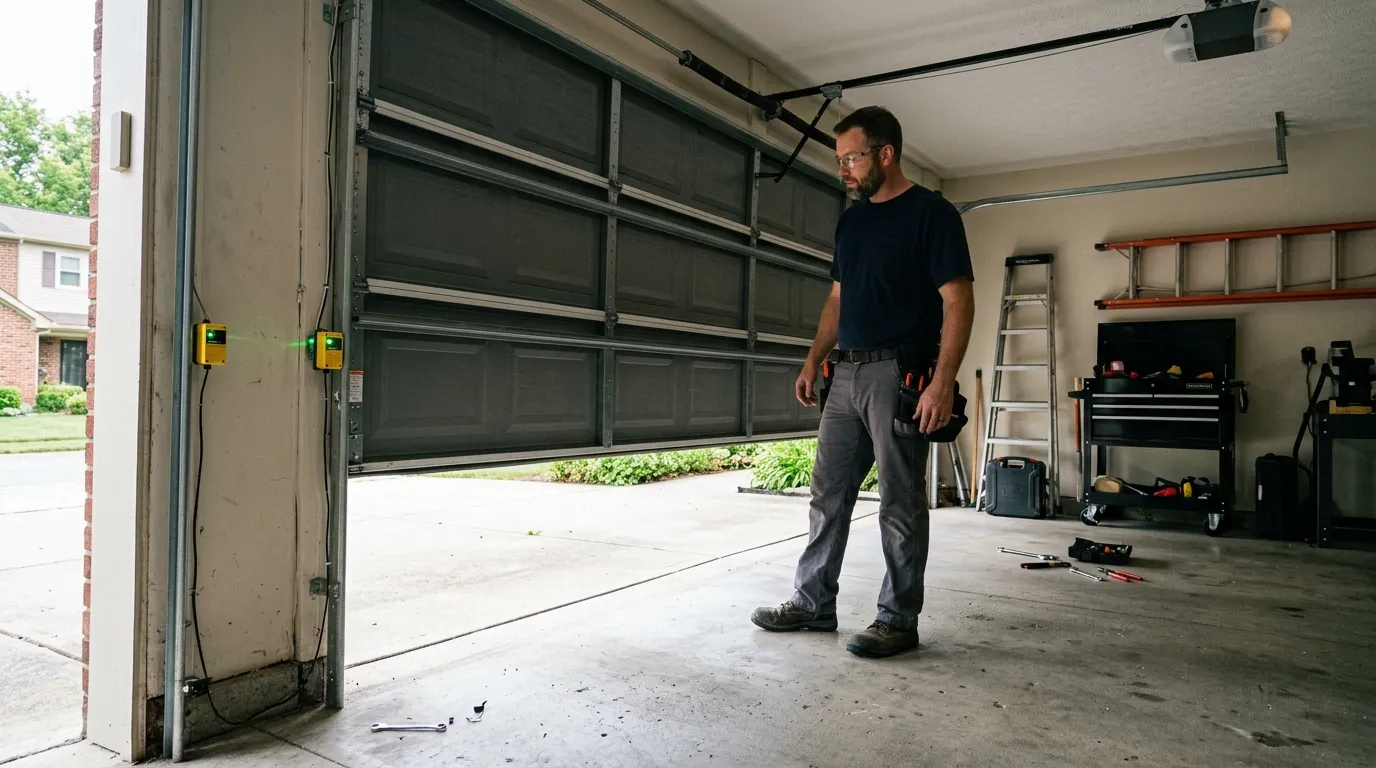
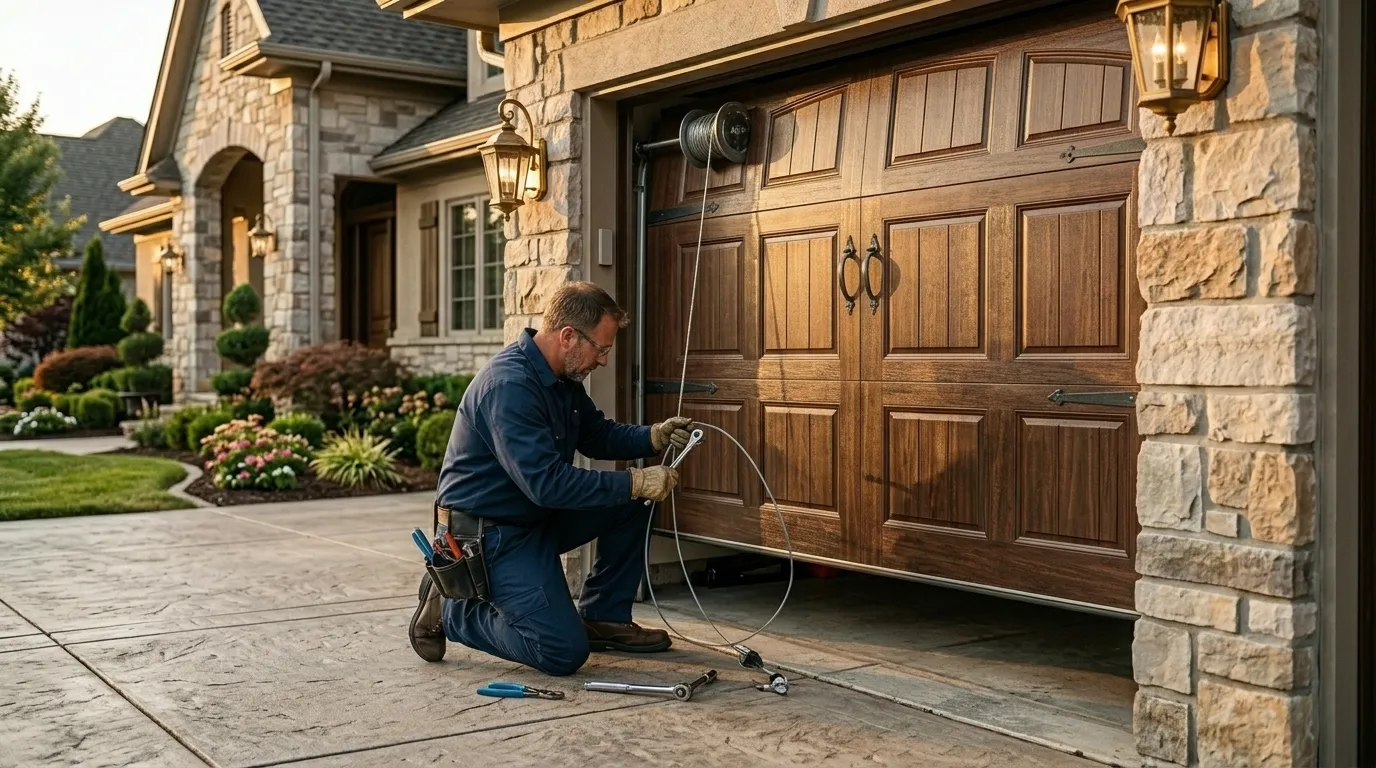
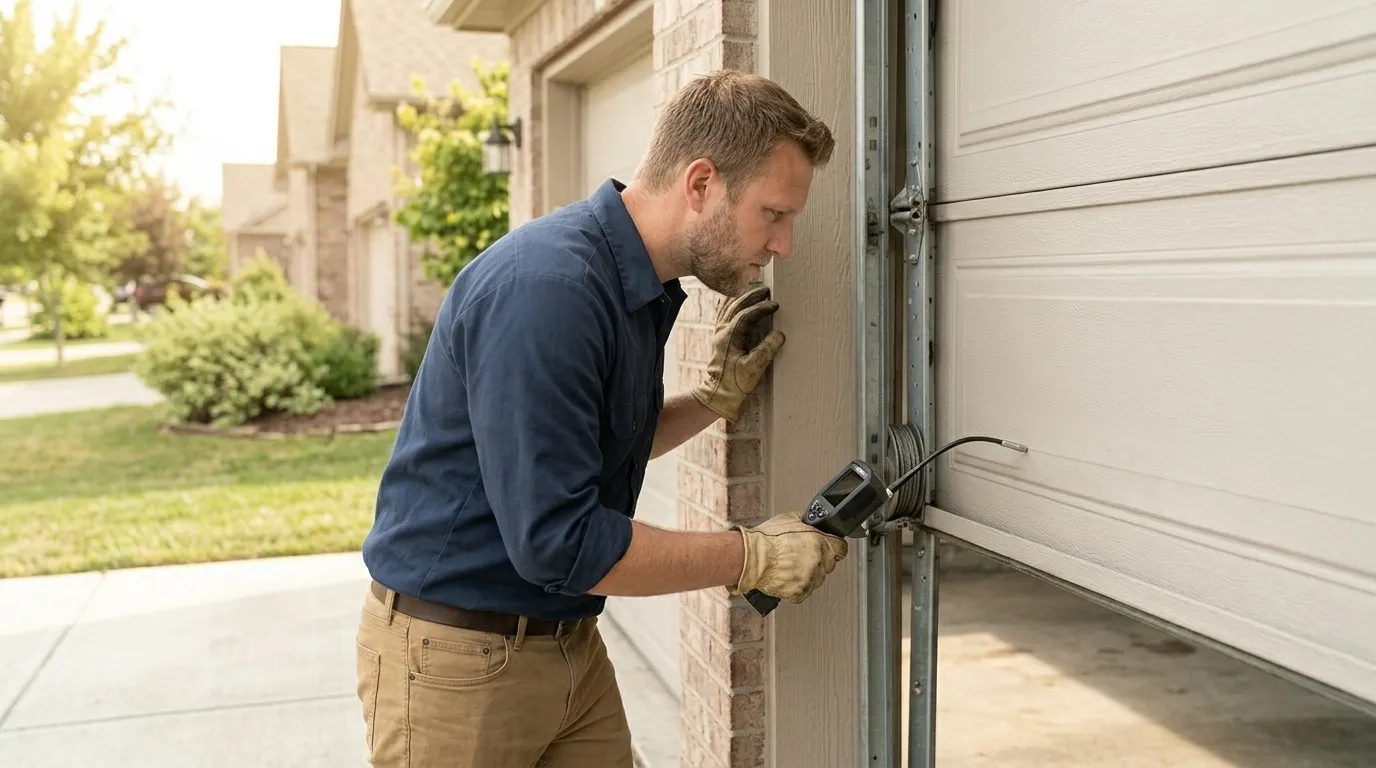
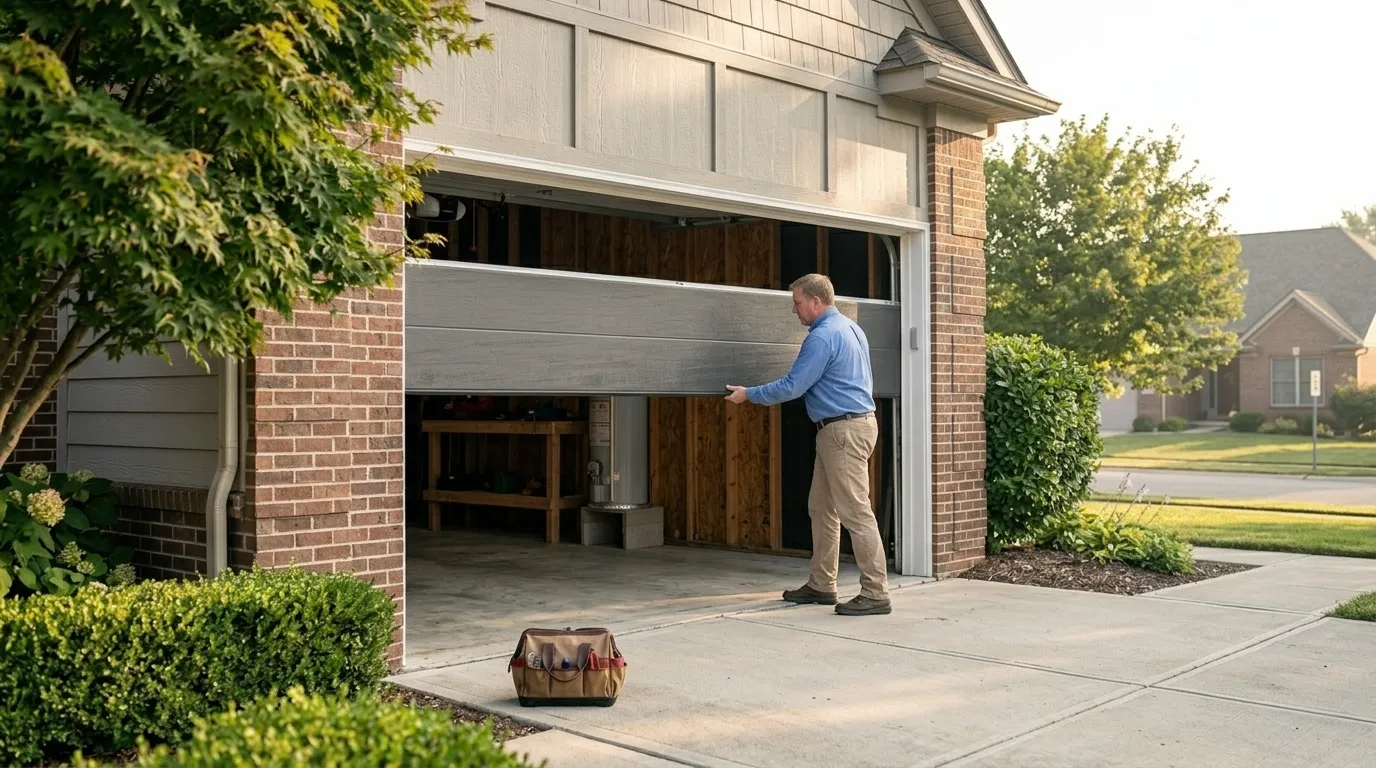
What you can safely check: whether one cable looks frayed or kinked while the other looks fine (this tells us whether both need replacing or just the one), and whether the door is a single wide door or two smaller ones, since that changes the parts and time on site. Take a photo before you call. It helps us bring the right size cable and drum instead of guessing on the truck.
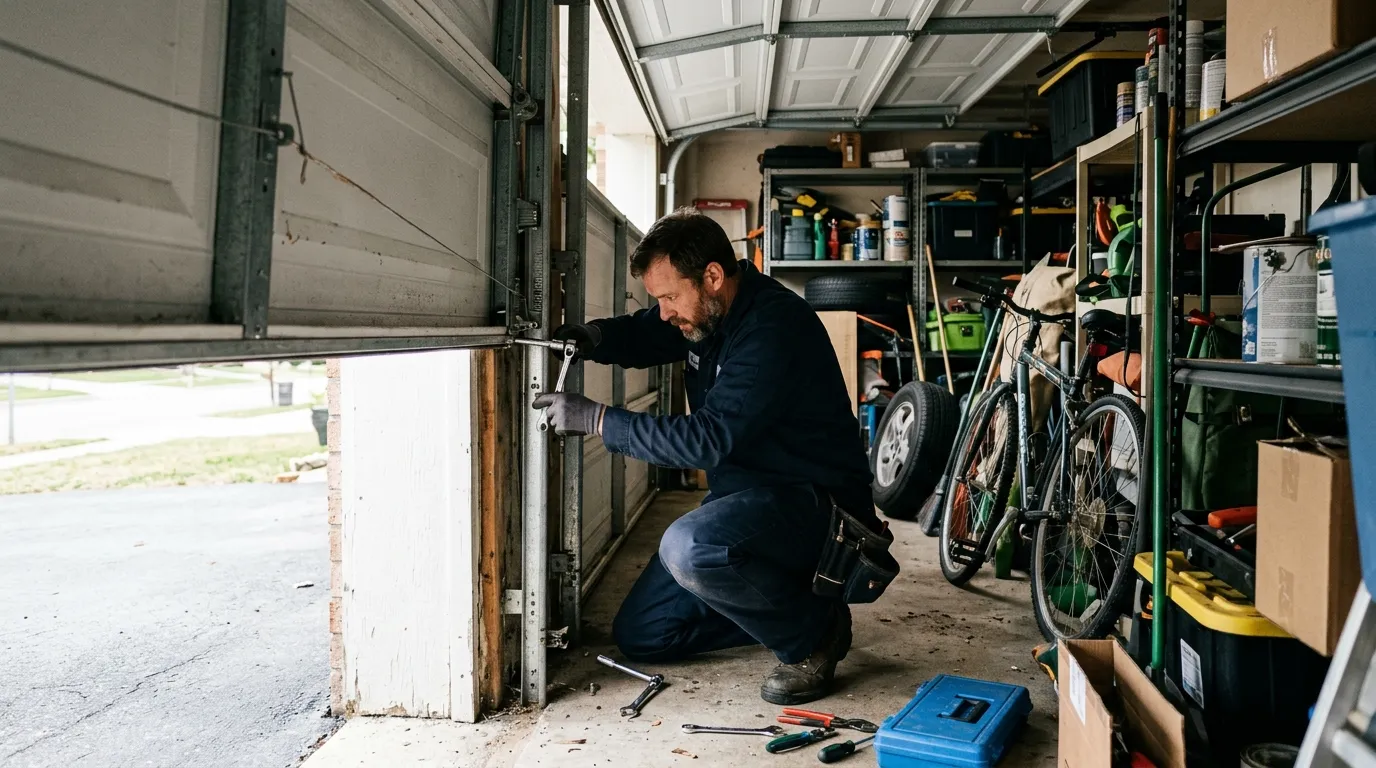
One honest limit: if the drum itself is cracked or the track is bent from the door dropping unevenly, cable replacement alone won't fix it, and we'll tell you that on site rather than sell you a cable job that doesn't hold.
How Long You Are Without the Door
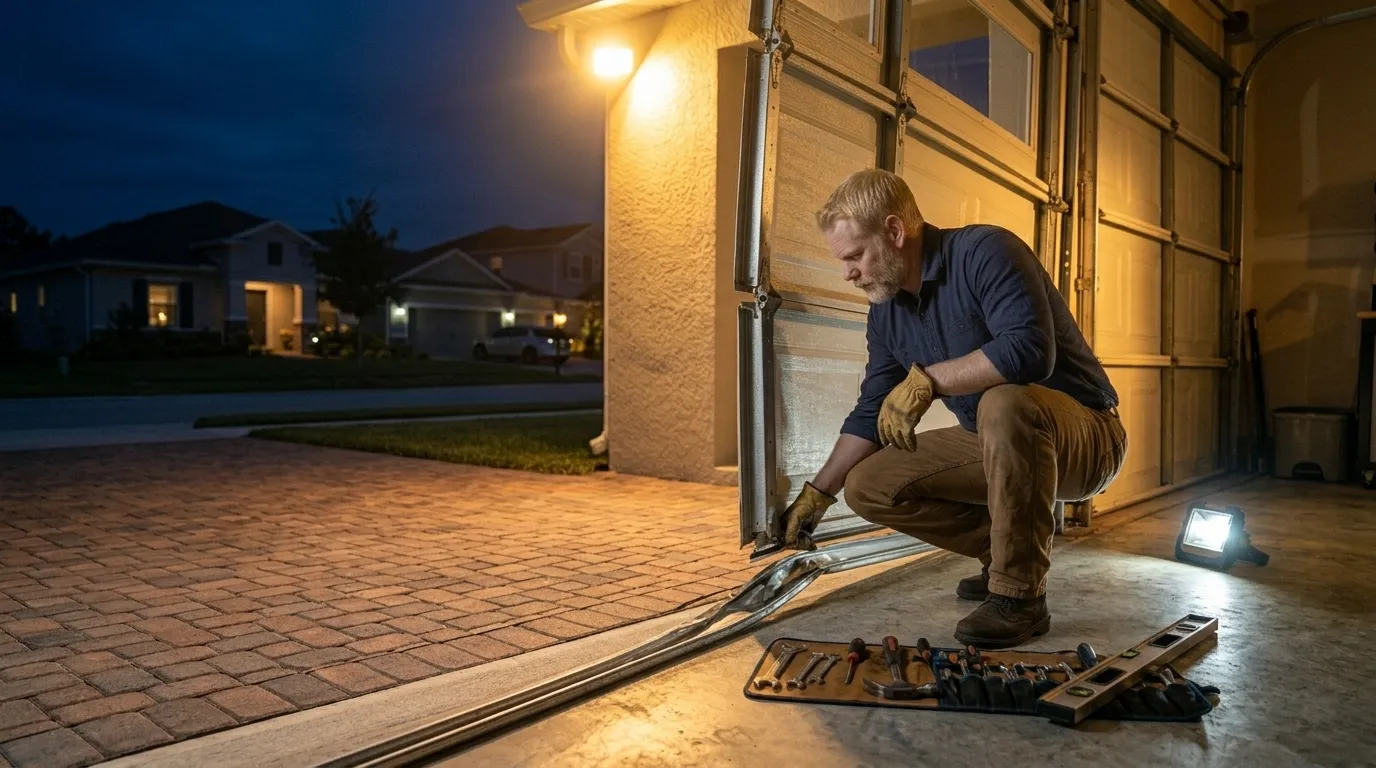
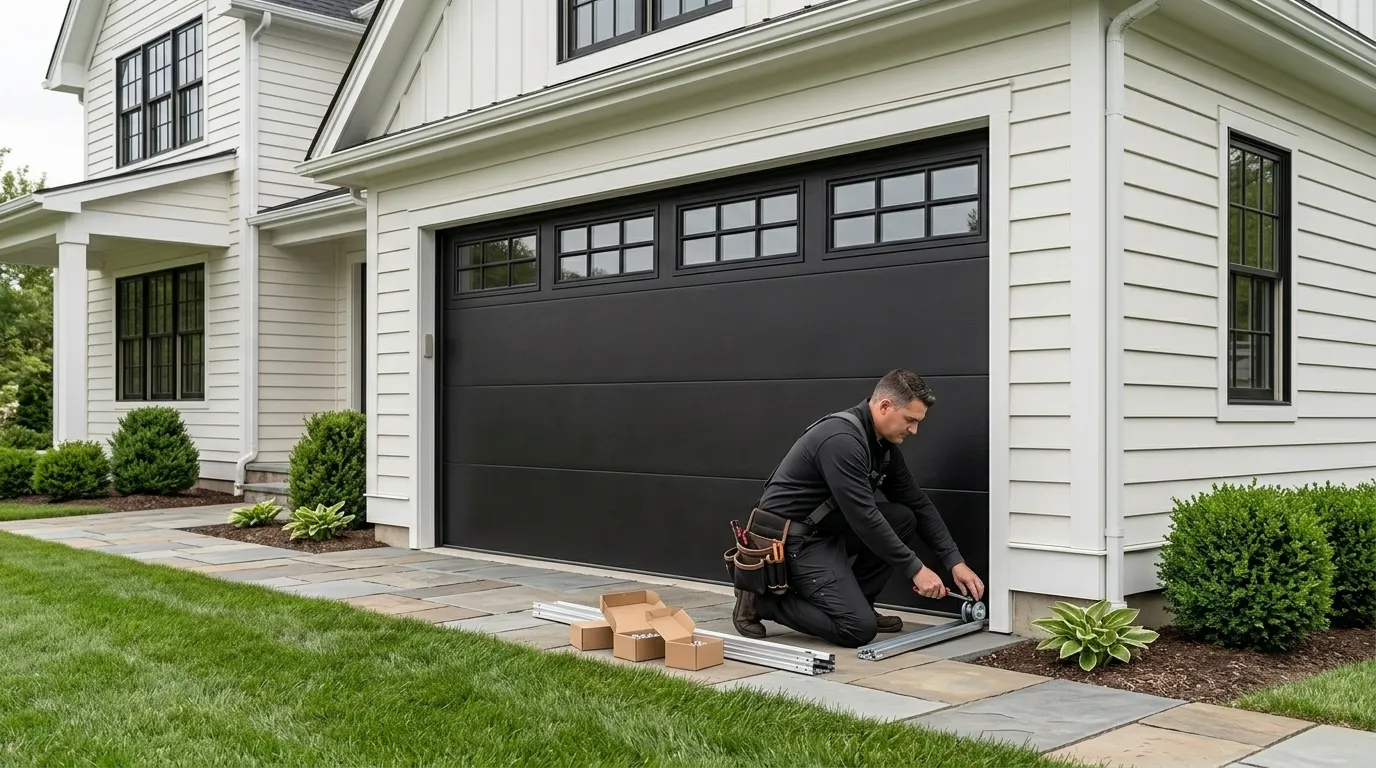
Most cable jobs are a same-visit fix once we're on site with stock cable in the right length for your door size. The work itself, once we've got the door secured, unwound, and the drum inspected, runs on the order of an hour for a straight replacement on one side. Two-cable jobs, or a job where the drum or bottom bracket also needs replacing, take longer because we're not just swapping a cable, we're rebuilding the hardware it rides on.
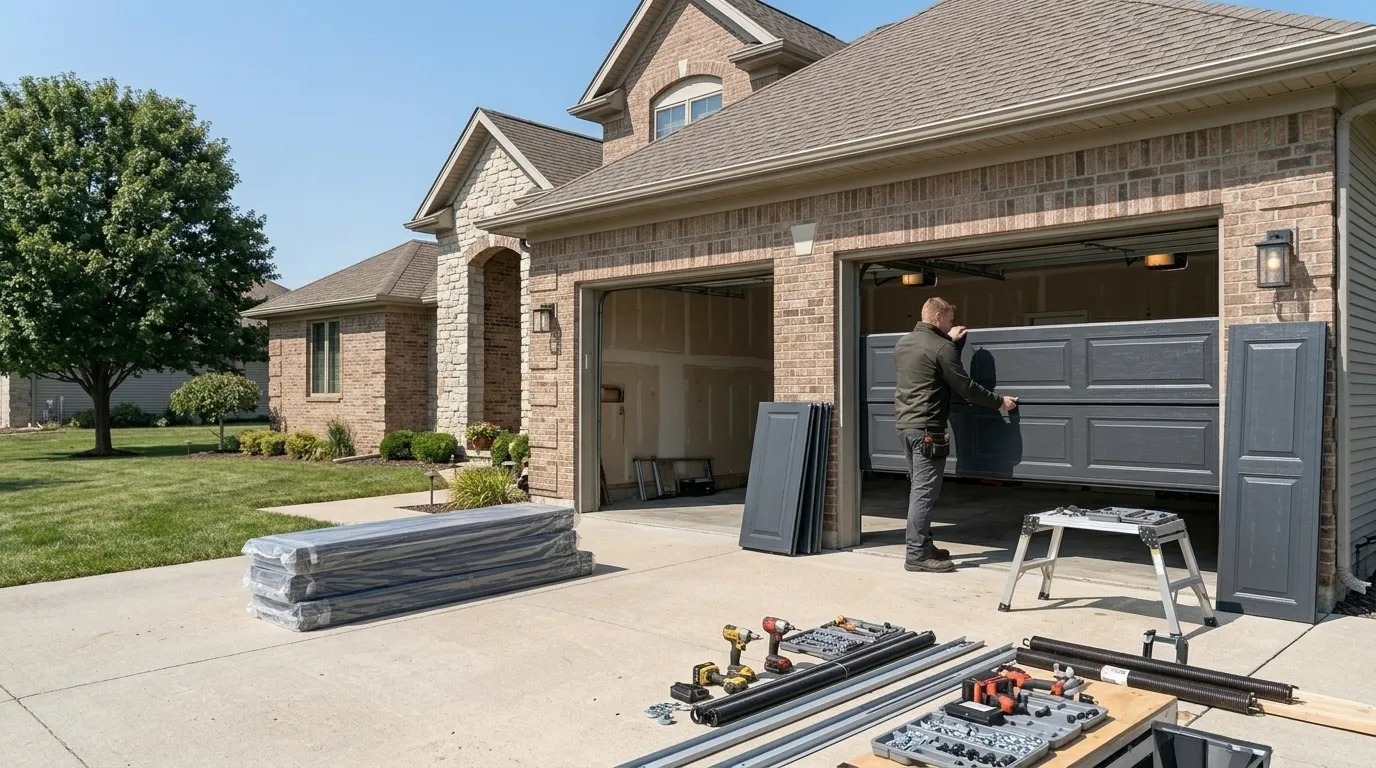
Where it stretches out is parts. Standard cable sizes for the torsion setups common on homes built through the 1980s and 90s are usually on the truck. Less common lengths, or hardware for older doors that predate more recent standard sizing, sometimes need to be ordered, which pushes the job to a second visit. We'll tell you which situation you're in before we start, not after we've already got the door apart.
Why It Happens Here
Longmont's housing runs mostly 1952 through 2010, with the bulk of the stock across the area's named neighborhoods dating to the 1980s and 90s. Doors and hardware installed on that timeline are old enough now that original cables are past their expected life, and a lot of them have never been swapped since the house was built. Cable doesn't fail from one big event, it fails from years of winding and unwinding over the drum, and a 30-plus-year-old cable on an original door is a candidate whether it looks fine or not.
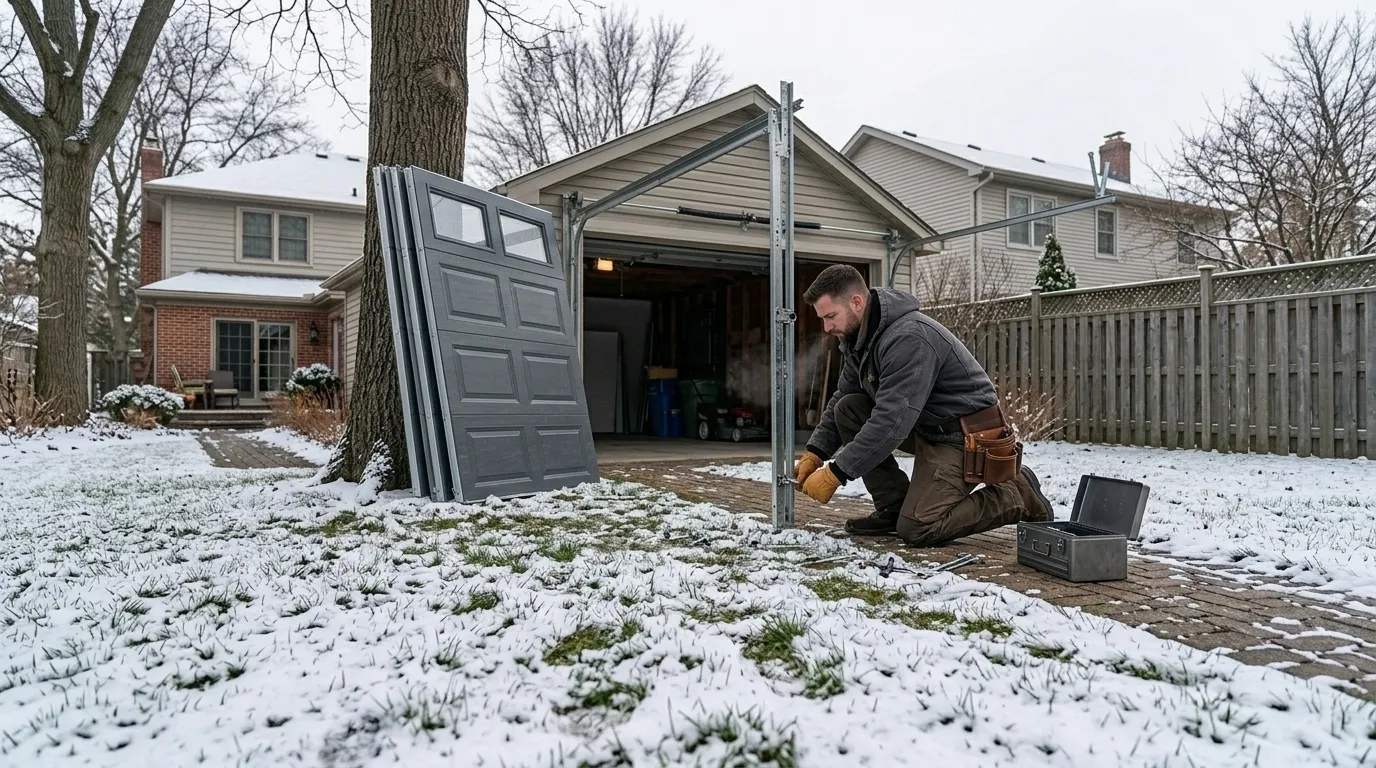
The cold is the other half of it. This area sits in a severe cold climate band, and steel cable loses flexibility as temperatures drop - a cable that's already frayed is far more likely to snap on a hard freeze morning than on a mild afternoon, because the metal is stiffer and the door's first cold-start cycle of the day puts a sharp load on a weak point. We see this pattern across the service area regardless of which neighborhood a house sits in: older cable plus a cold snap is a common combination for a call.