
Where We Go From Longmont
See which towns near Longmont we drive out to for garage door repairs and installs, and how housing age from to changes the job.
How a Call Goes
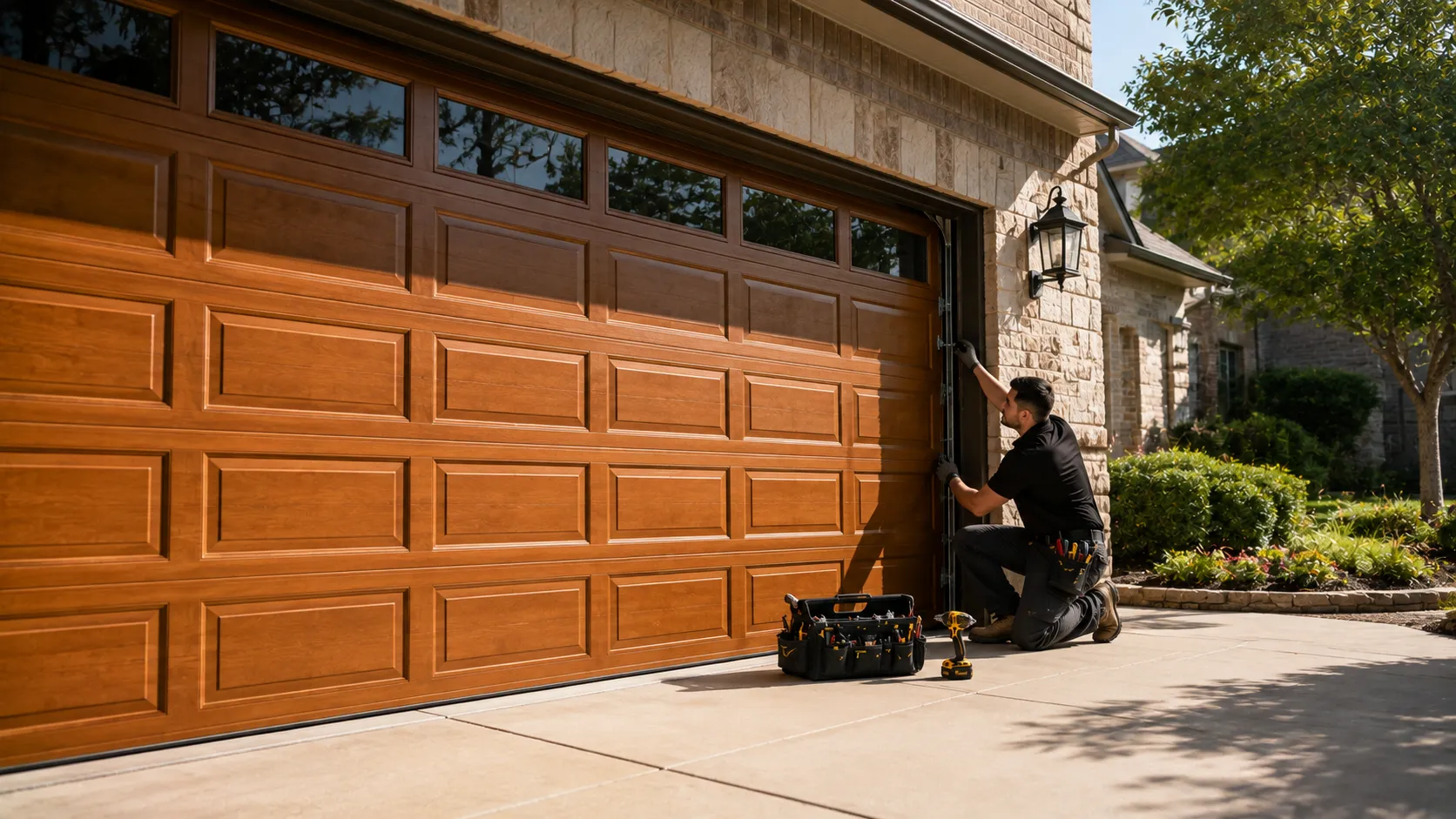
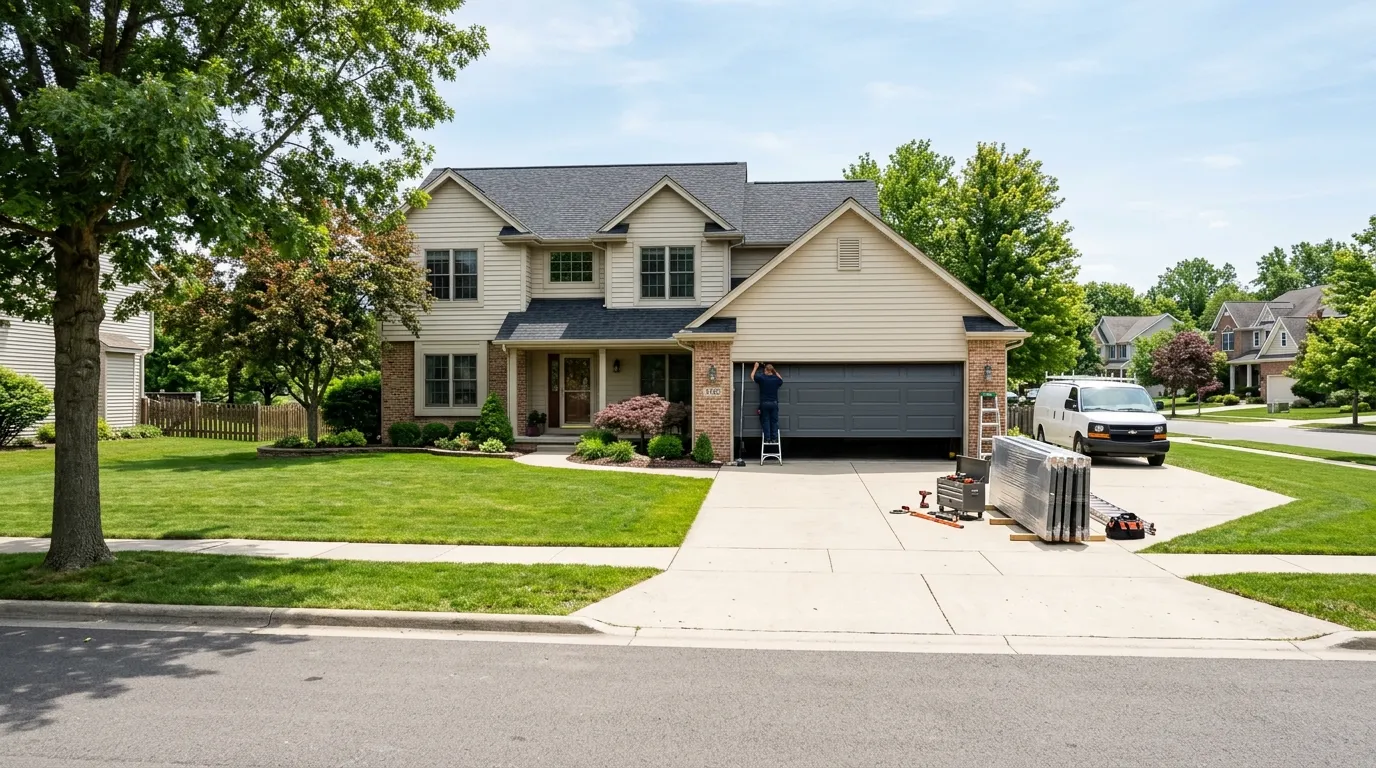
We're based in Longmont, and every job starts with a truck leaving from here. That matters more than it sounds like it should, because the towns around us range from six miles out to nineteen, and how far we're driving affects how we schedule the day.
is the closest stop, six miles away sit at the far edge, nineteen miles out. In between you've got Mead, Frederick, Firestone, Erie - all within an hour's drive of the shop.
We don't keep a second crew stationed in any of these places. When you call, you're booking a truck out of Longmont, and we tell you honestly where you land in the day's route before you commit to a time window. In a cold, severe winter stretch, ice on a track or a frozen slab under the door can push a same-day call to next-day - we'd rather say that up front than promise a window we can't hit.
The Jobs That Come Up Most
What breaks depends a lot on when the house went up, and that varies by area. Housing across the region spans 1952 to 2010, with most of it landing in the 1980s and 90s across the 23 named areas we track. That range means two very different kinds of calls.
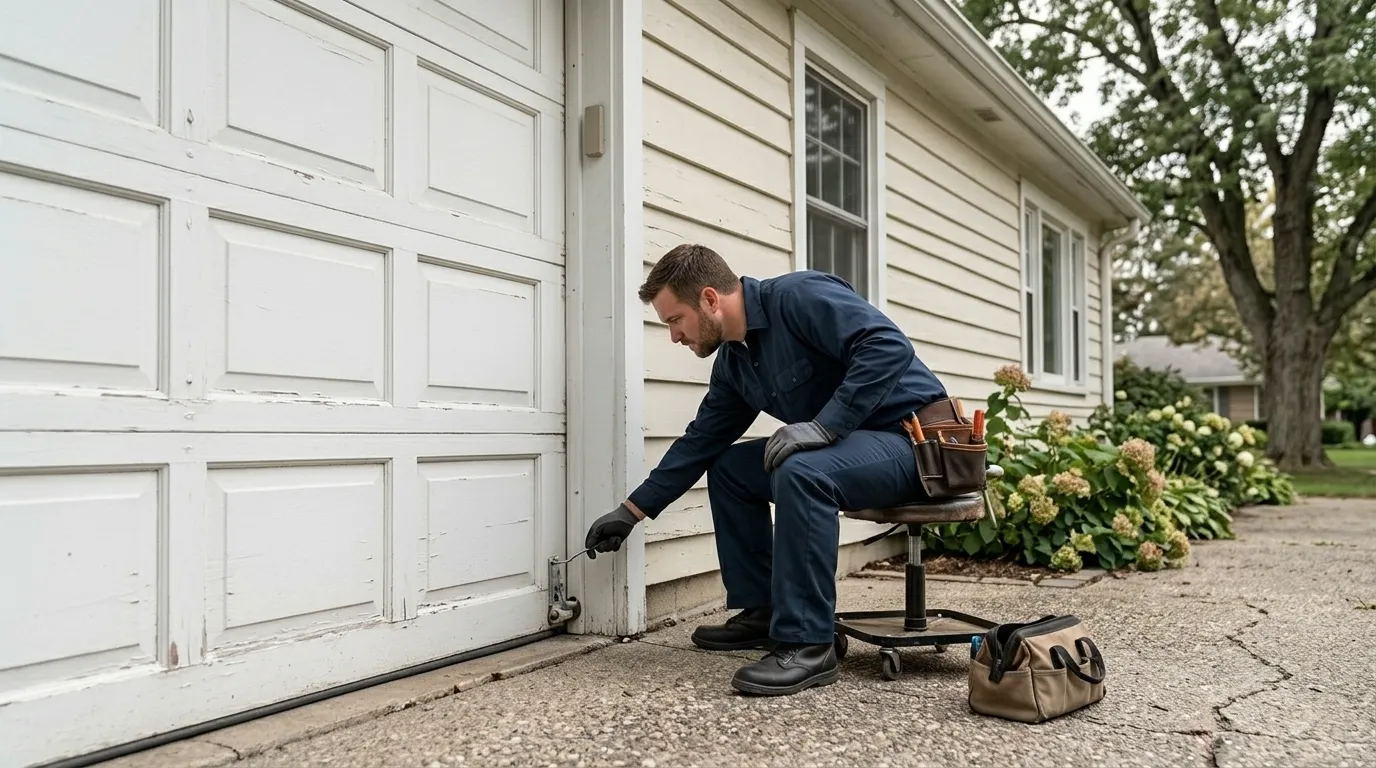
In the older pockets - closer to the original Longmont core and towns like that grew up early - we see original torsion springs that were never upsized when heavier insulated doors got swapped in later, plus steel tracks that have been bent and rebent by hand over thirty-plus years.
In the newer growth corridors - Erie, Firestone, Frederick, Mead - the housing stock skews to the later end of that 1952-2010 range, so the common failure is different: openers hitting the age where the logic board goes before the motor does, and rollers on nylon that were fine for the first decade and are now the thing rattling the whole door.
We don't try to guess your exact fault over the phone. We'll ask when the house was built and what the door's doing, and that tells us most of what we need before the truck leaves Longmont.
The Area and Its Housing
The numbers behind all of this: across the service area there are 95,042 households and 53,412 owner-occupied houses, with a median household income of $116,074. That income level is part of why we quote spring and panel replacements as often as patch repairs - most owners we talk to would rather fix it right than keep band-aiding a door that's telling them it's done.
Housing here runs 1952 to 2010 with a median build year of 1997, and most of what's on the ground is 1980s and 90s stock. That's the era where a lot of standard torsion setups and steel panel doors went in across the region - the same basic hardware whether the house sits close to Longmont or out toward.
The climate band is classified cold and severe, which is the honest reason we push insulated panels and weatherstripping on any door more than fifteen years old, regardless of which town it's sitting. We don't inflate that pitch - a door in fine shape doesn't need it, and we'll say so on the visit.
What to expect
Frequently asked
Straight answers about garage door repair in Longmont. Still unsure? Ask us directly.
How old is a typical garage door you work on in this area
Most houses here were built between 1952 and 2010, with the median landing around 1997, so most doors we see are running late-1980s through 2000s hardware. That means torsion springs and openers from an era with different mounting standards than what's sold new today, which is part of why we ask the build year before quoting anything.
Do you work outside Longmont itself
Yes. We cover the towns within about a 15 to 20 mile stretch, including Mead, Frederick, Firestone, Erie, and several other nearby communities.
Why does cold weather cause so many opener failures here
This area sits in the severe end of the cold climate band, and circuit boards and lubricants both perform worse in sustained cold. A board that's been marginal for months often finally fails on the coldest morning of the year, which is why winter is our busiest season for opener calls rather than spring calls.
Is it cheaper to repair my door or replace it
It depends on the part. A torsion spring or a roller set is almost always worth repairing. If the door itself is old enough that panels are discontinued, or the track is bent beyond straightening, a full replacement can end up cheaper than chasing obsolete parts. We'll tell you which situation you're in before we start.
Ready to get your garage door sorted?
Tell us what it’s doing and where you are in Longmont - we’ll take it from there.