The DIY Question
A commercial roll-up or sectional door isn't a place to learn on the job. These doors run heavier springs, higher-cycle openers, and photo-eye safety systems tied to insurance and code compliance for the business behind them. A missed step on a torsion spring under load can put someone in the hospital, and a bay door that won't close at night is a security problem, not just an inconvenience.
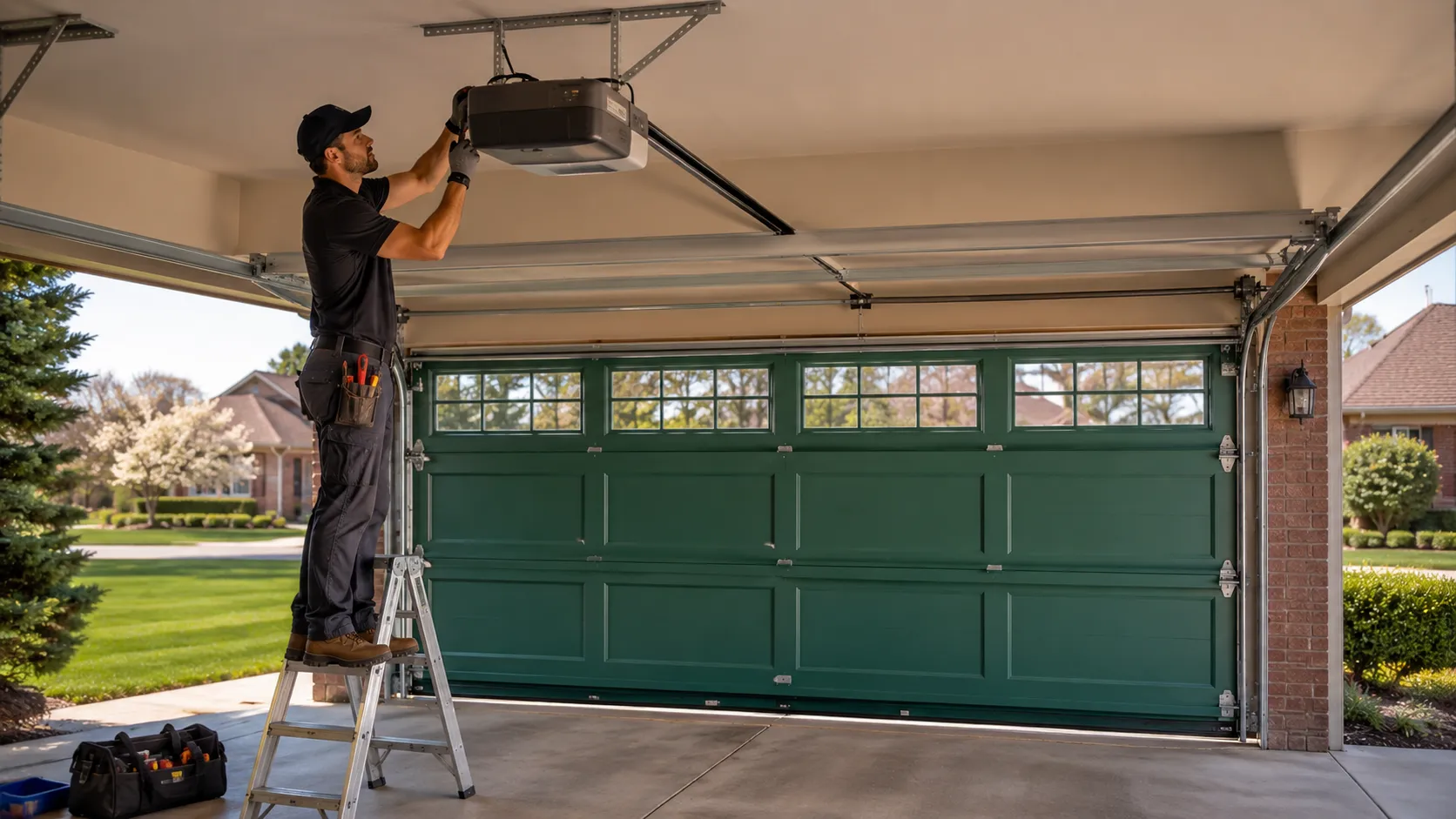
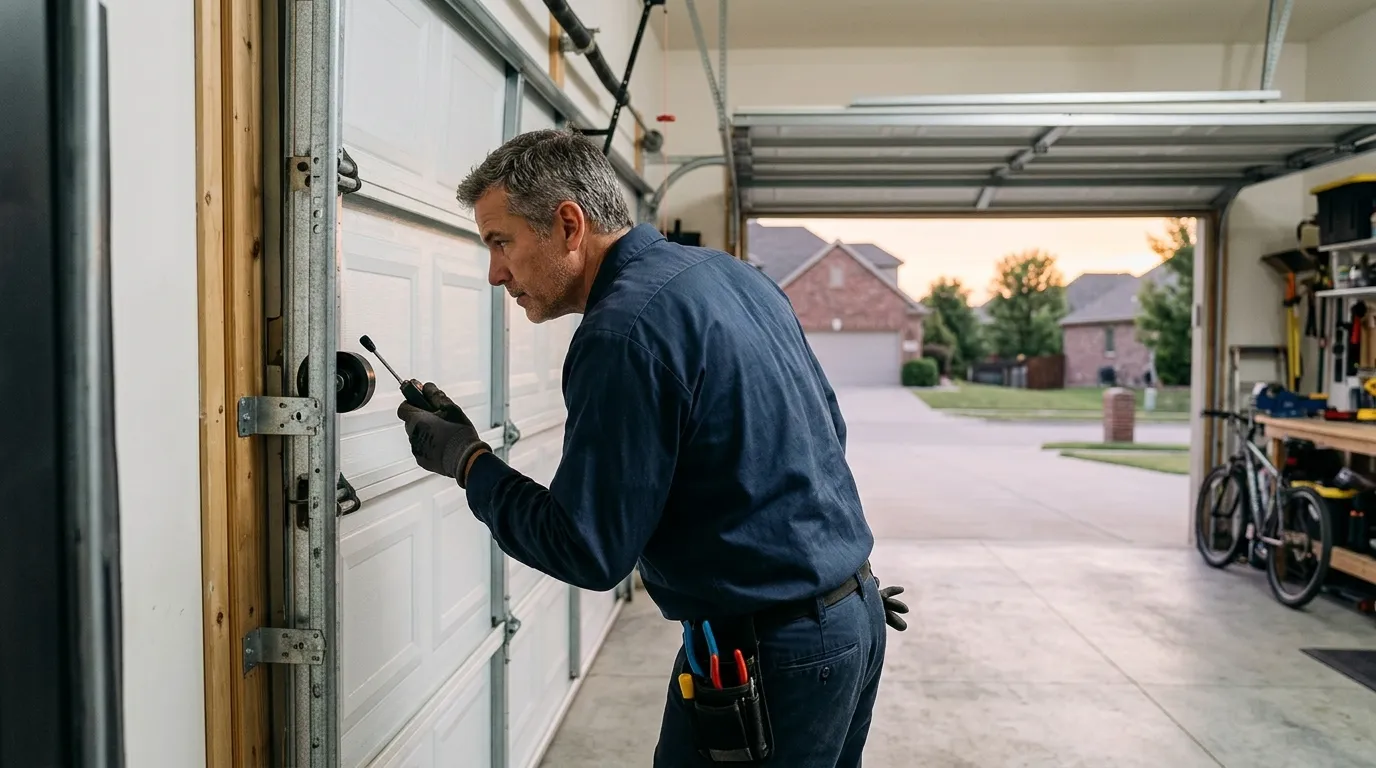
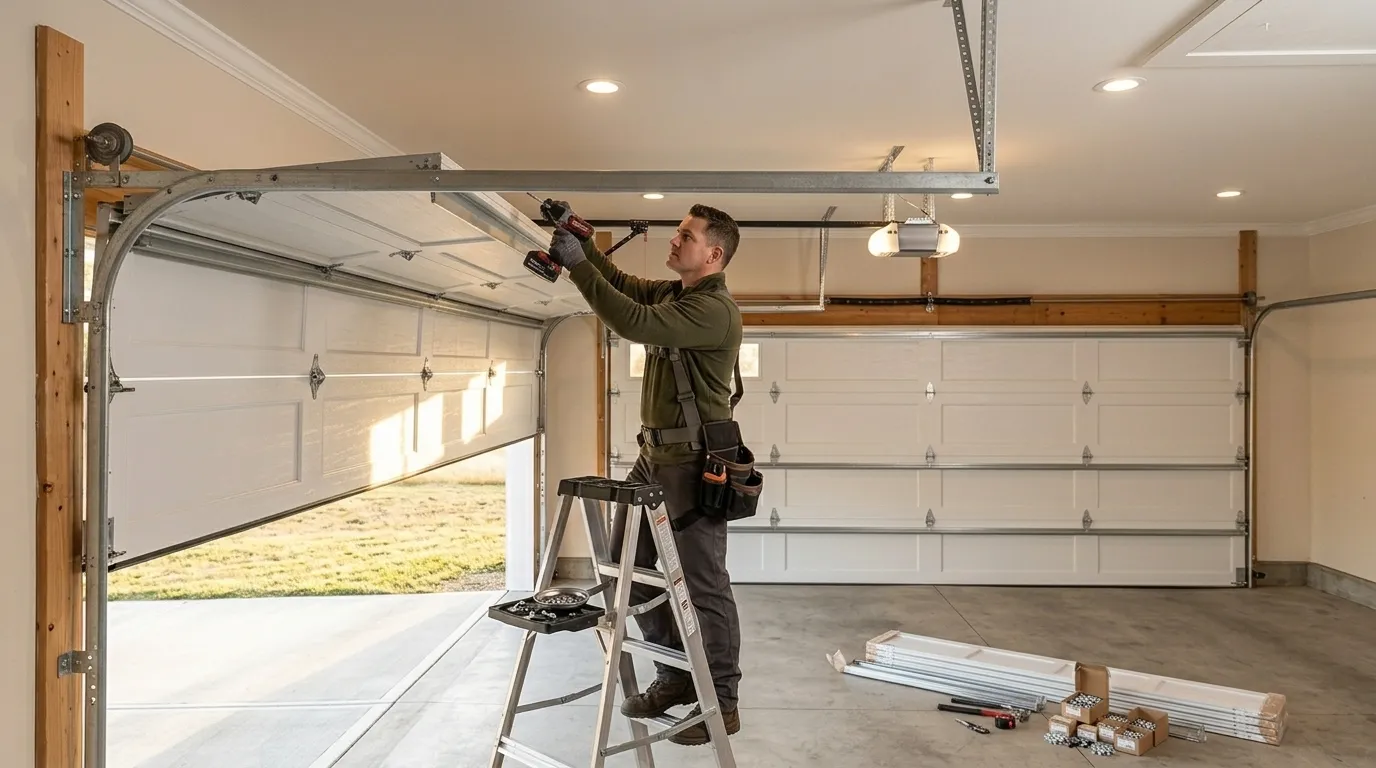
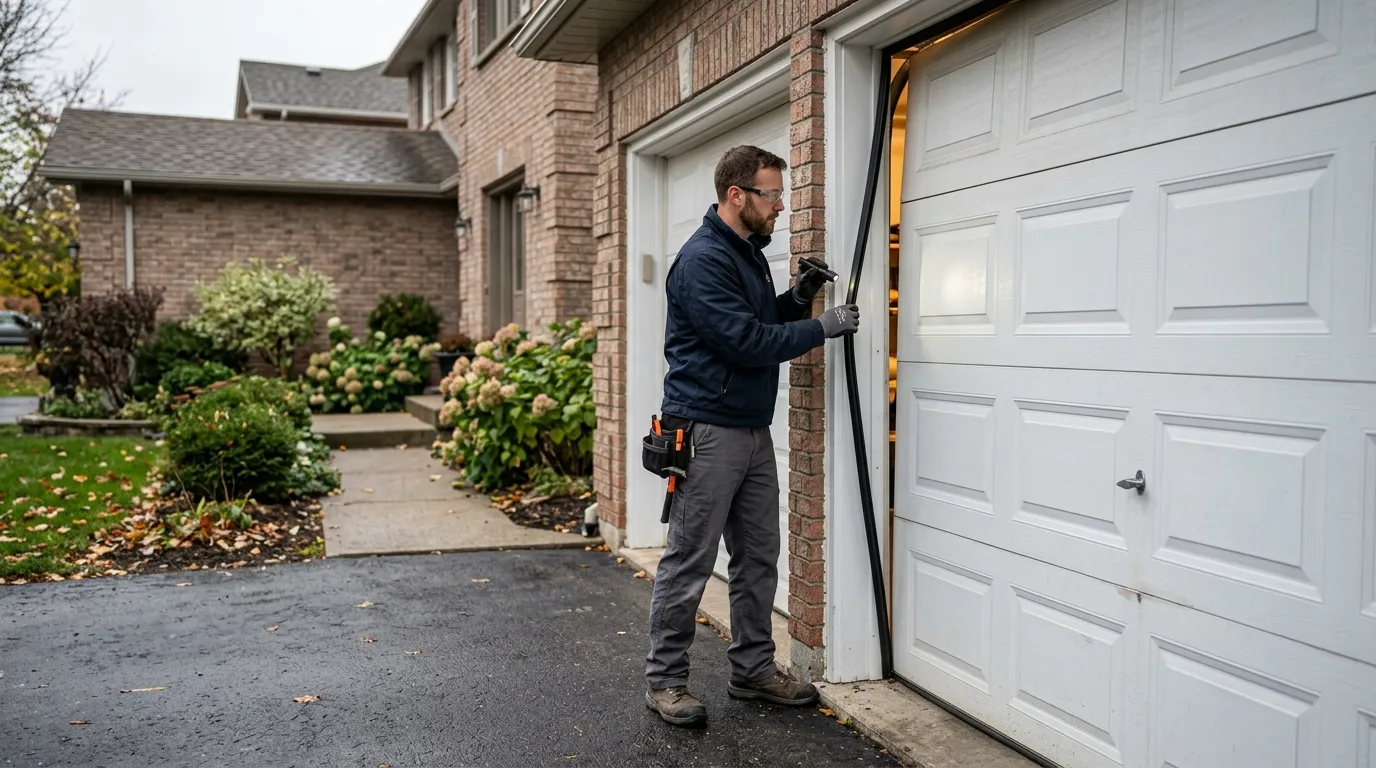
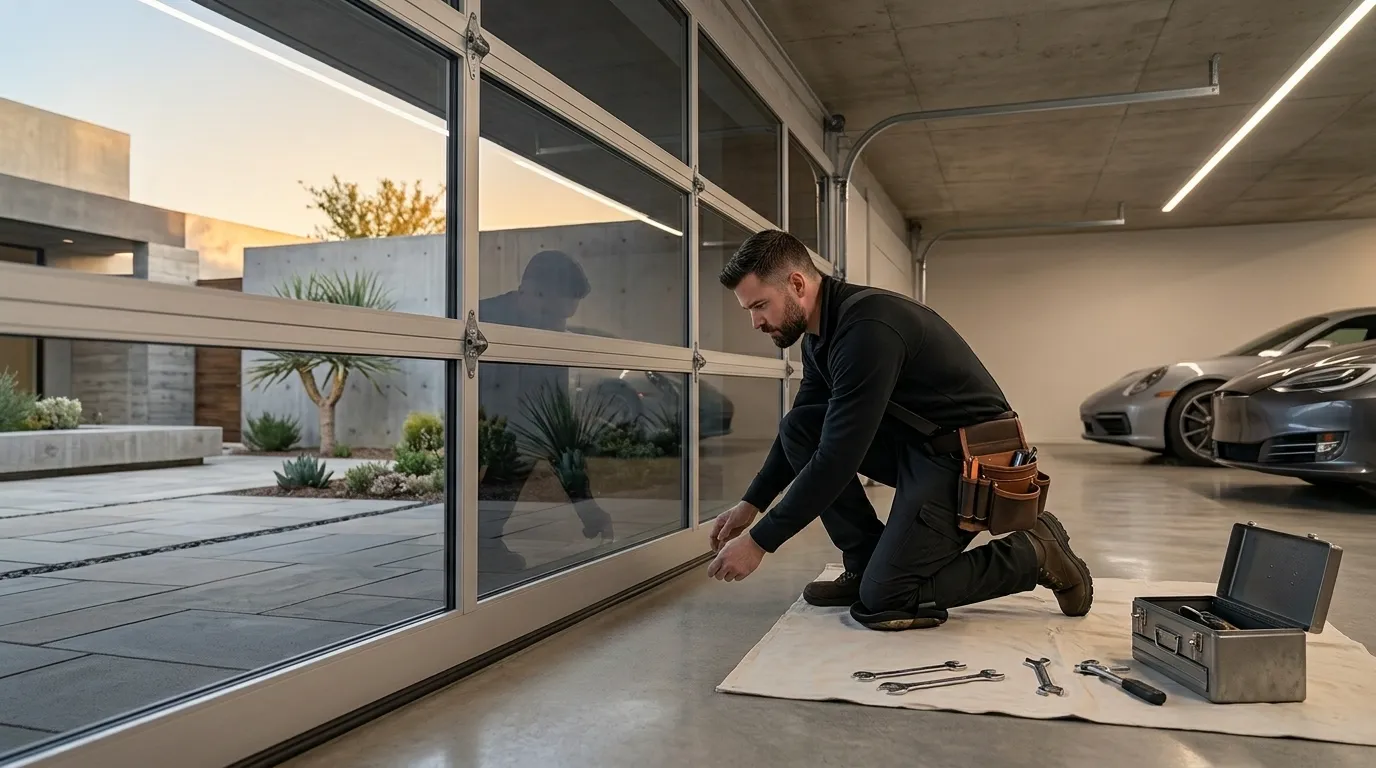
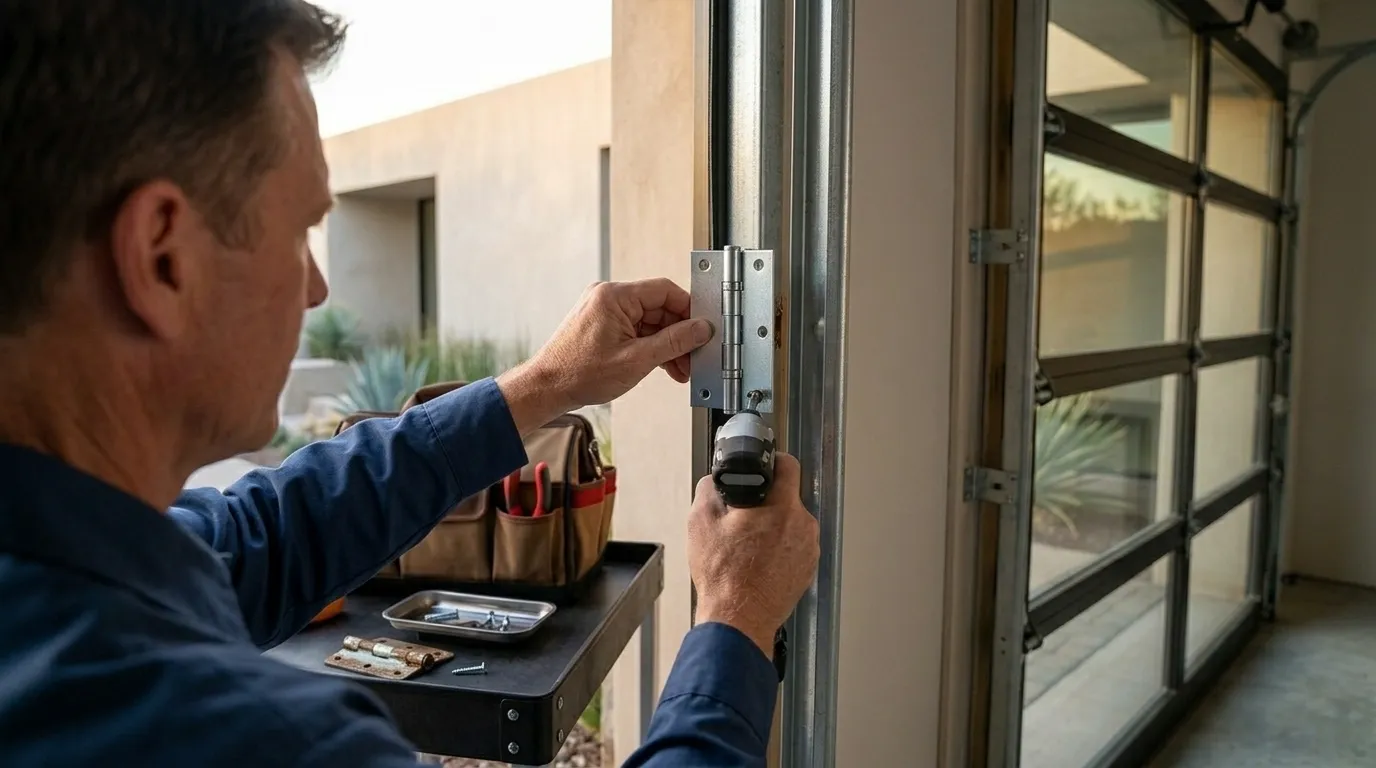
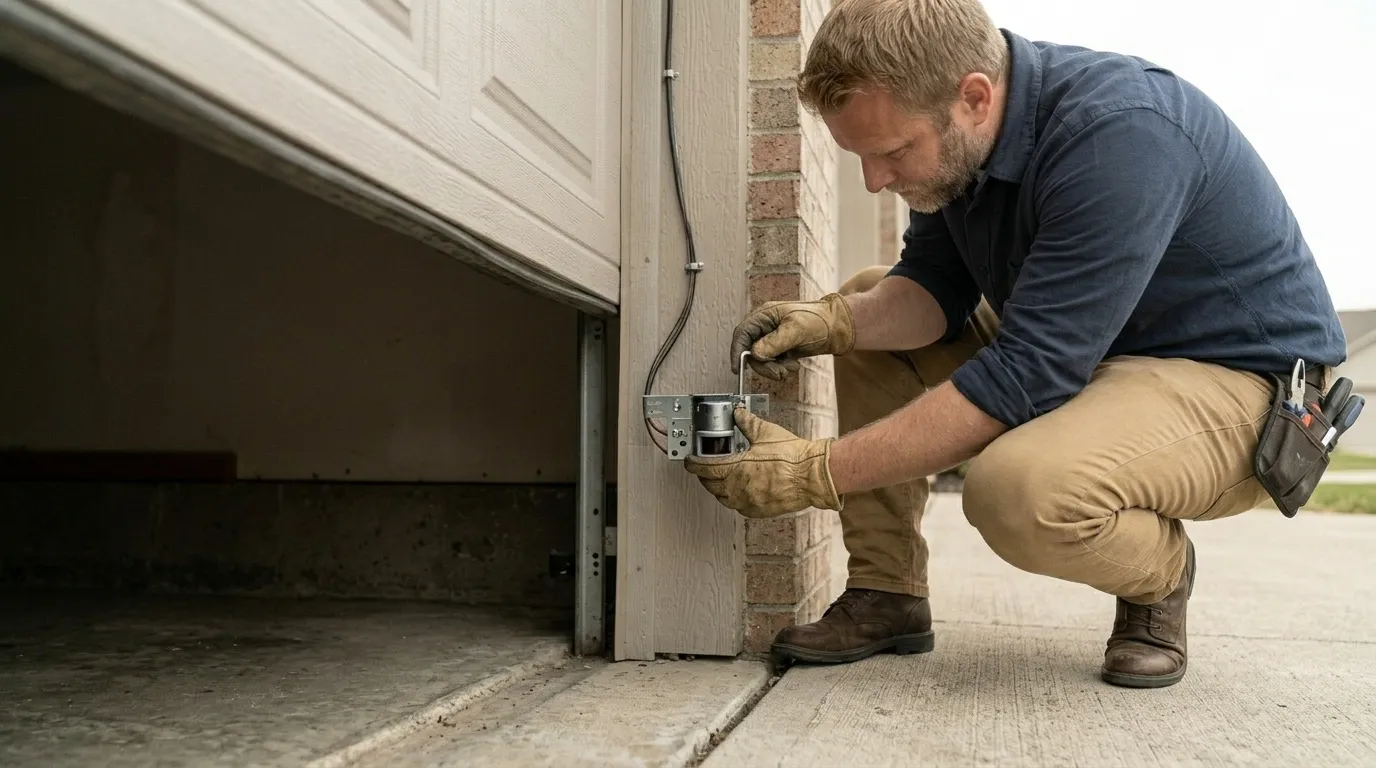
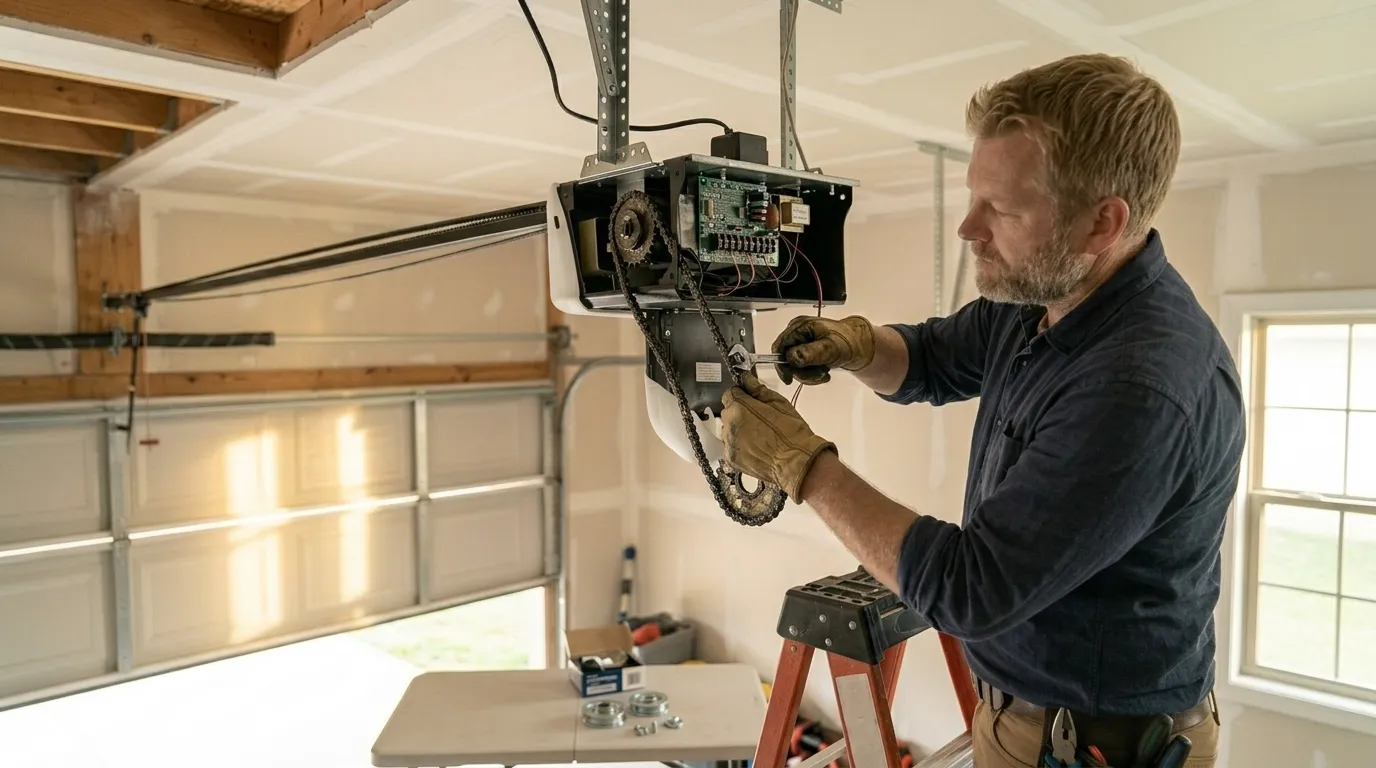
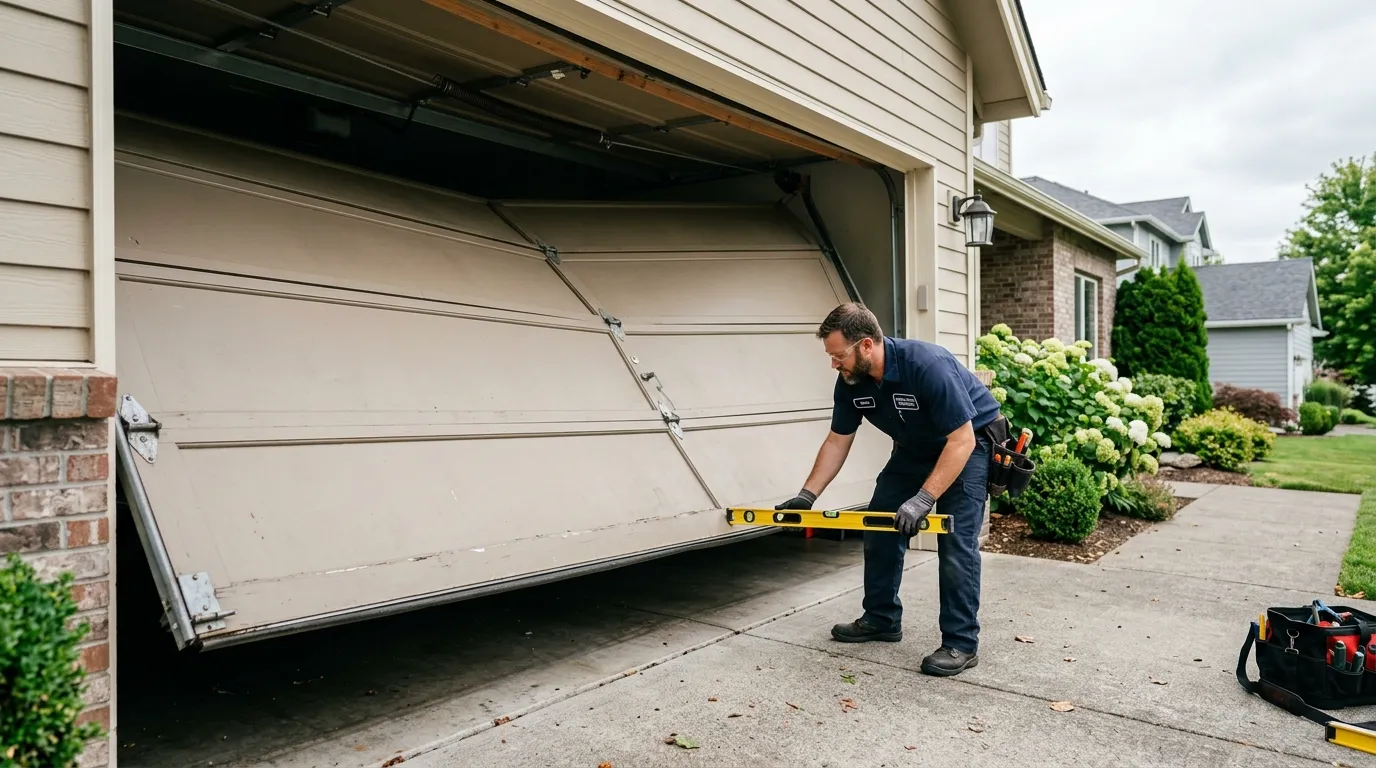
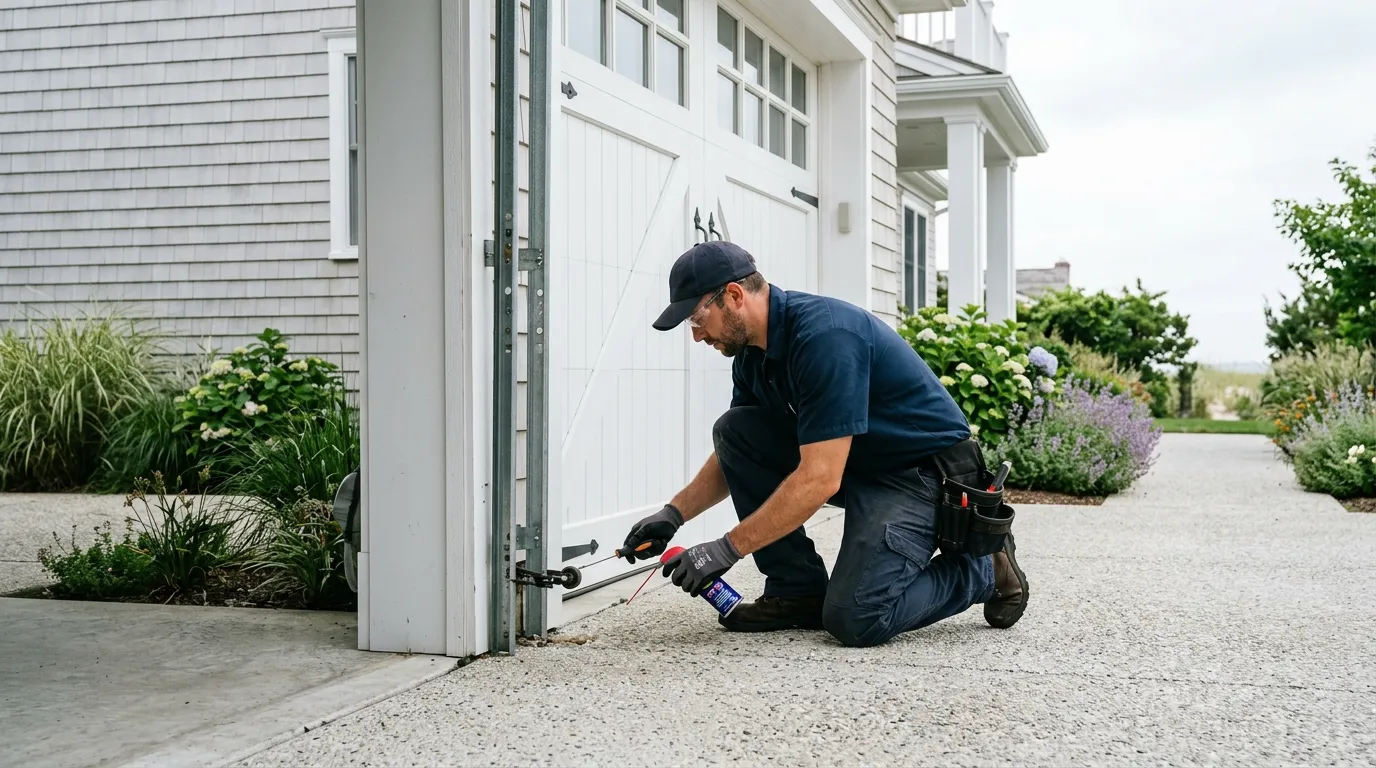
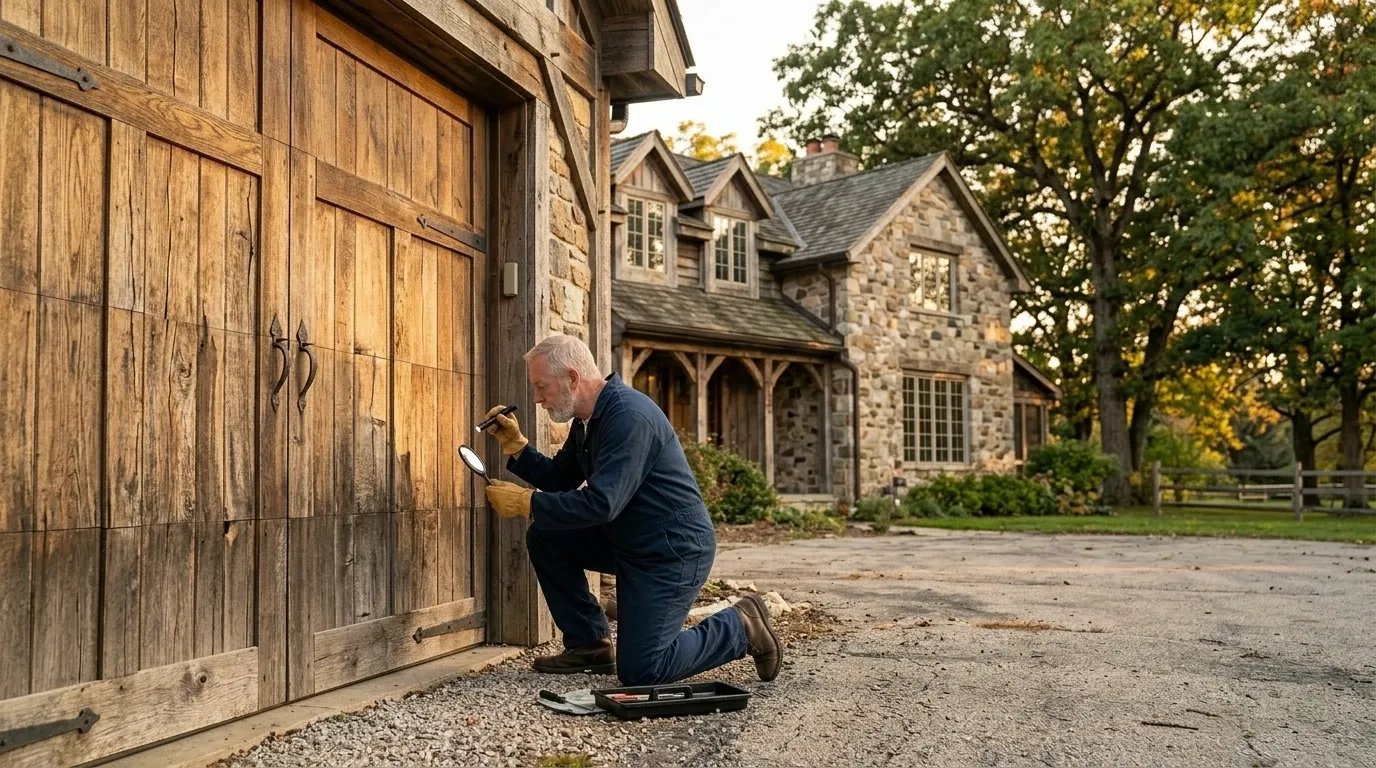
That said, there are things an owner or facility manager can check before calling anyone. Look at the track for visible bends or debris. Check whether the photo eyes at the bottom of the tracks are aligned and clean - a knocked-loose sensor is the single most common reason a commercial door refuses to close, and it's a two-minute fix once you know that's the cause. Listen for grinding versus a clean hum from the opener; grinding usually means a roller or bearing, not the motor.
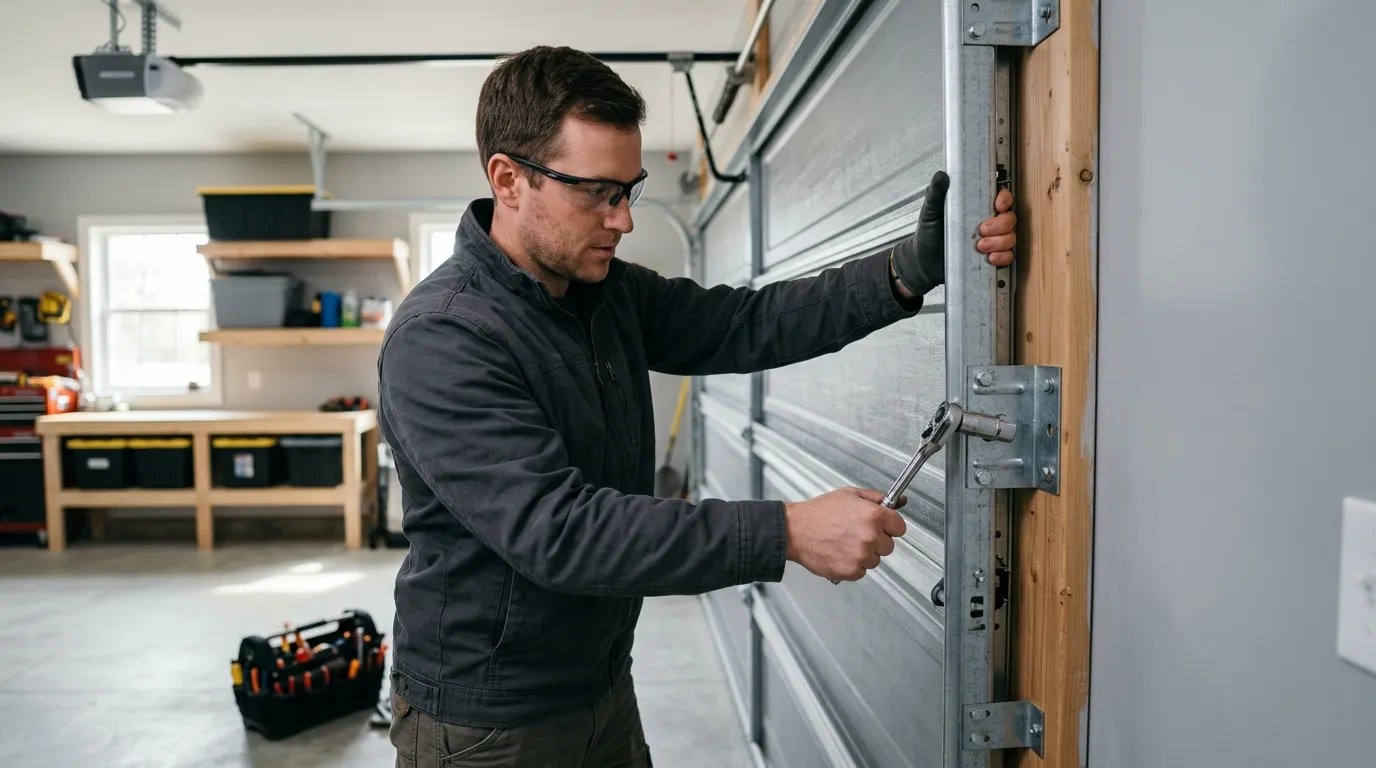
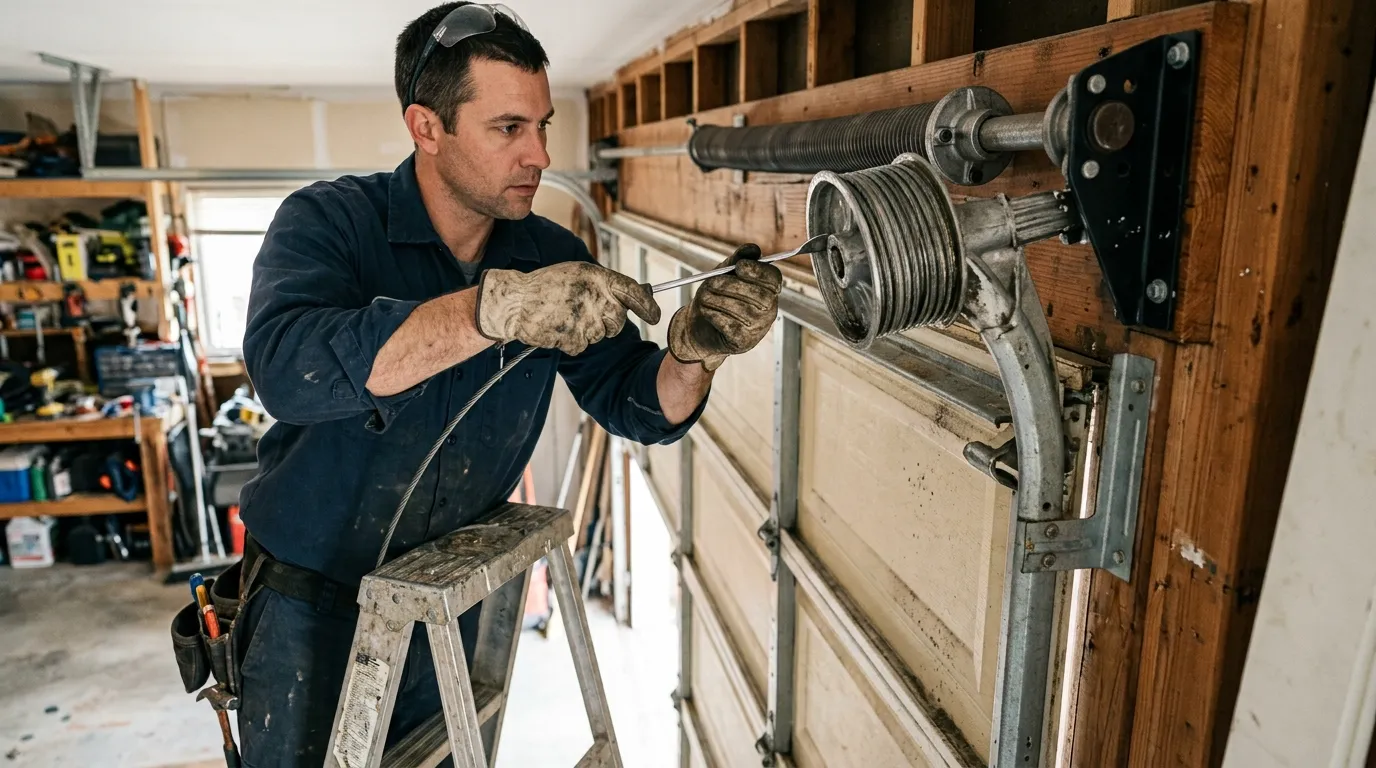
What you should not touch: torsion springs, cables under tension, or anything on a door taller or heavier than a standard residential single. Commercial spring systems store enough energy to cause serious injury, and the parts aren't sized the same as what's stocked for houses. If the fix involves opening the spring assembly, that's a call, not a weekend project.
How Long You Are Without the Door
A stuck-open or stuck-closed commercial door has a different cost than a residential one - a warehouse bay that won't close overnight, a shop that can't load a truck, a unit that's exposed until someone shows up. How long you're down depends on what failed and whether the part is common.
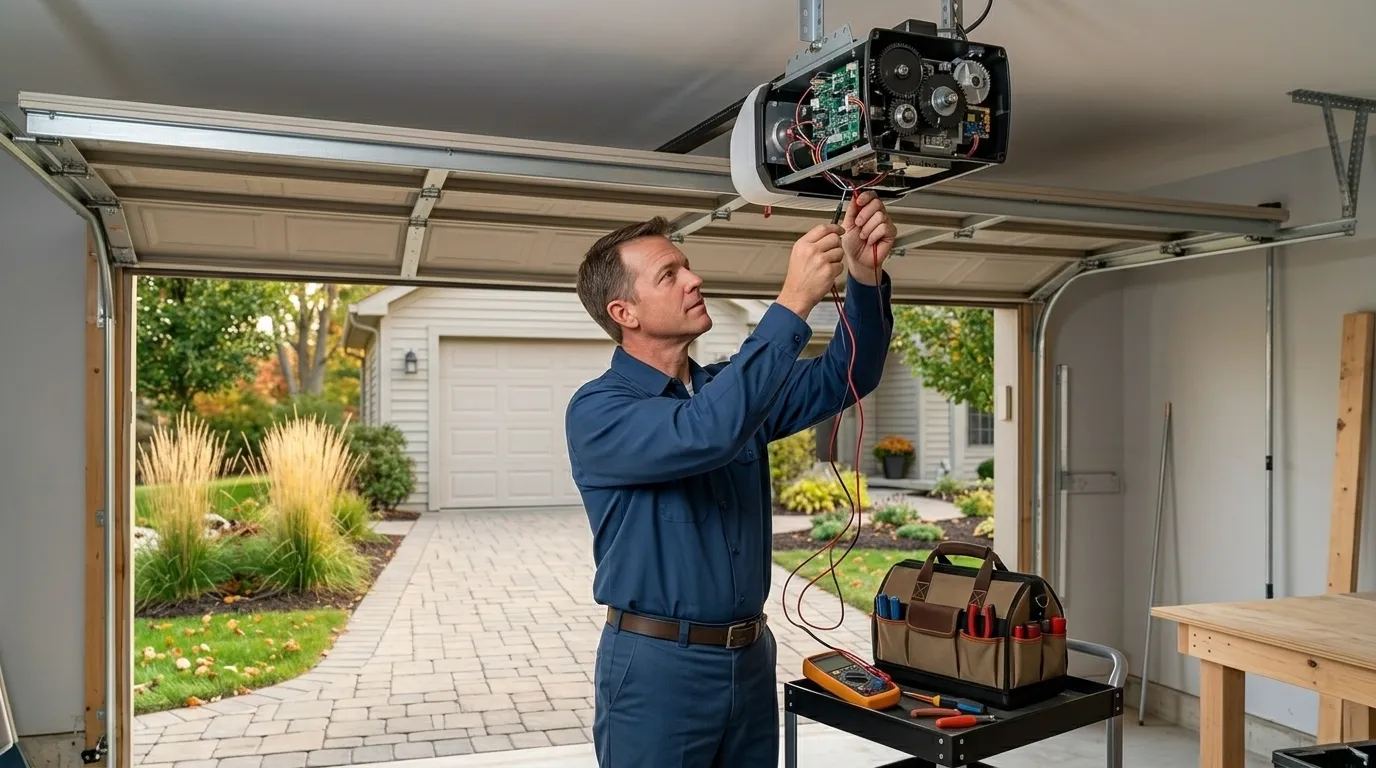
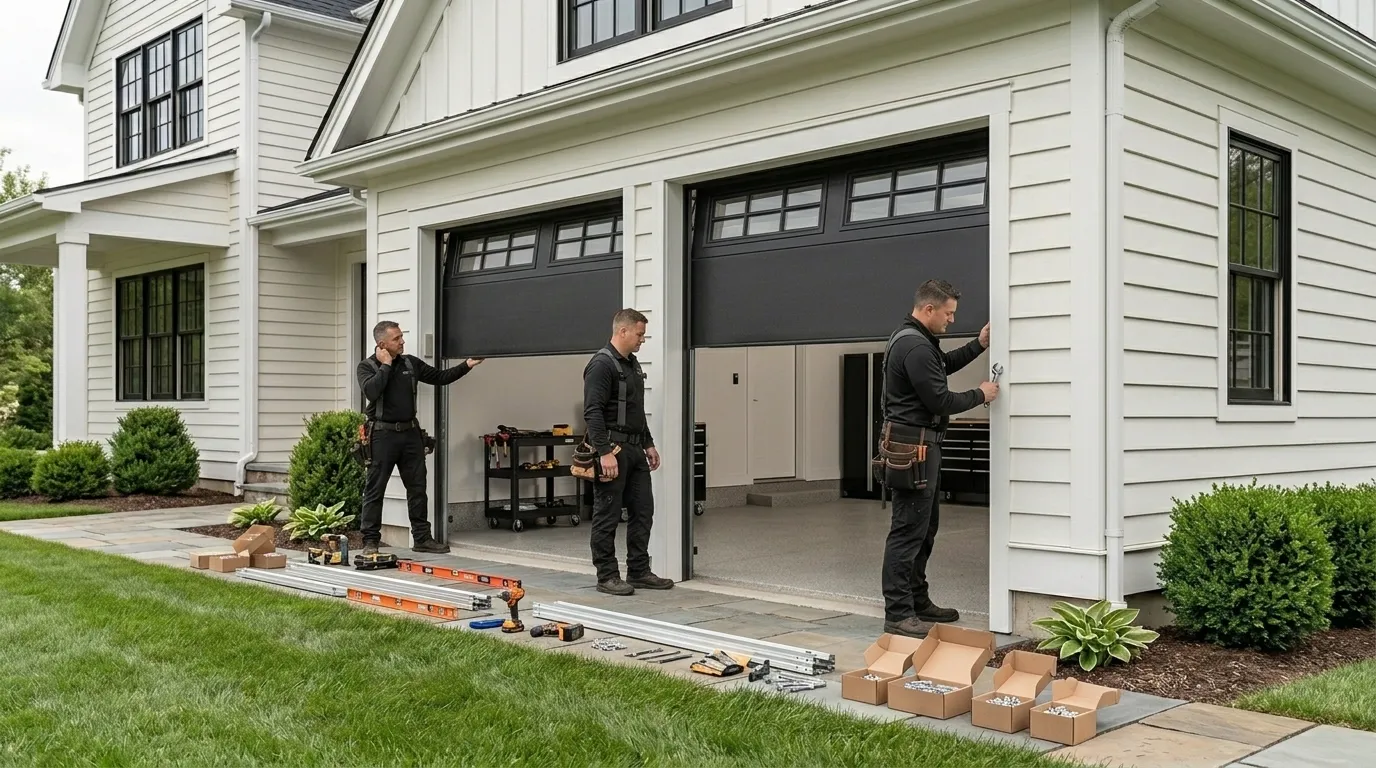
A misaligned sensor or a broken cable on a standard-width commercial sectional is usually a same-visit fix once diagnosed. A failed opener on a high-cycle commercial unit, or a spring set sized for a door wider than residential stock, can mean a part has to be sourced rather than pulled off a truck shelf - that's the honest limitation here. Not every commercial part is something we carry for every door size in the service area, and pretending otherwise doesn't help anyone waiting on a bay to close.
Across the towns this business covers - Mead, Frederick, Firestone, Erie, and the rest out to at 19 miles - the same rule holds: the sooner a facility calls once something sounds or moves wrong, the more likely the fix is a same-day part instead of an order.
Why It Happens Here
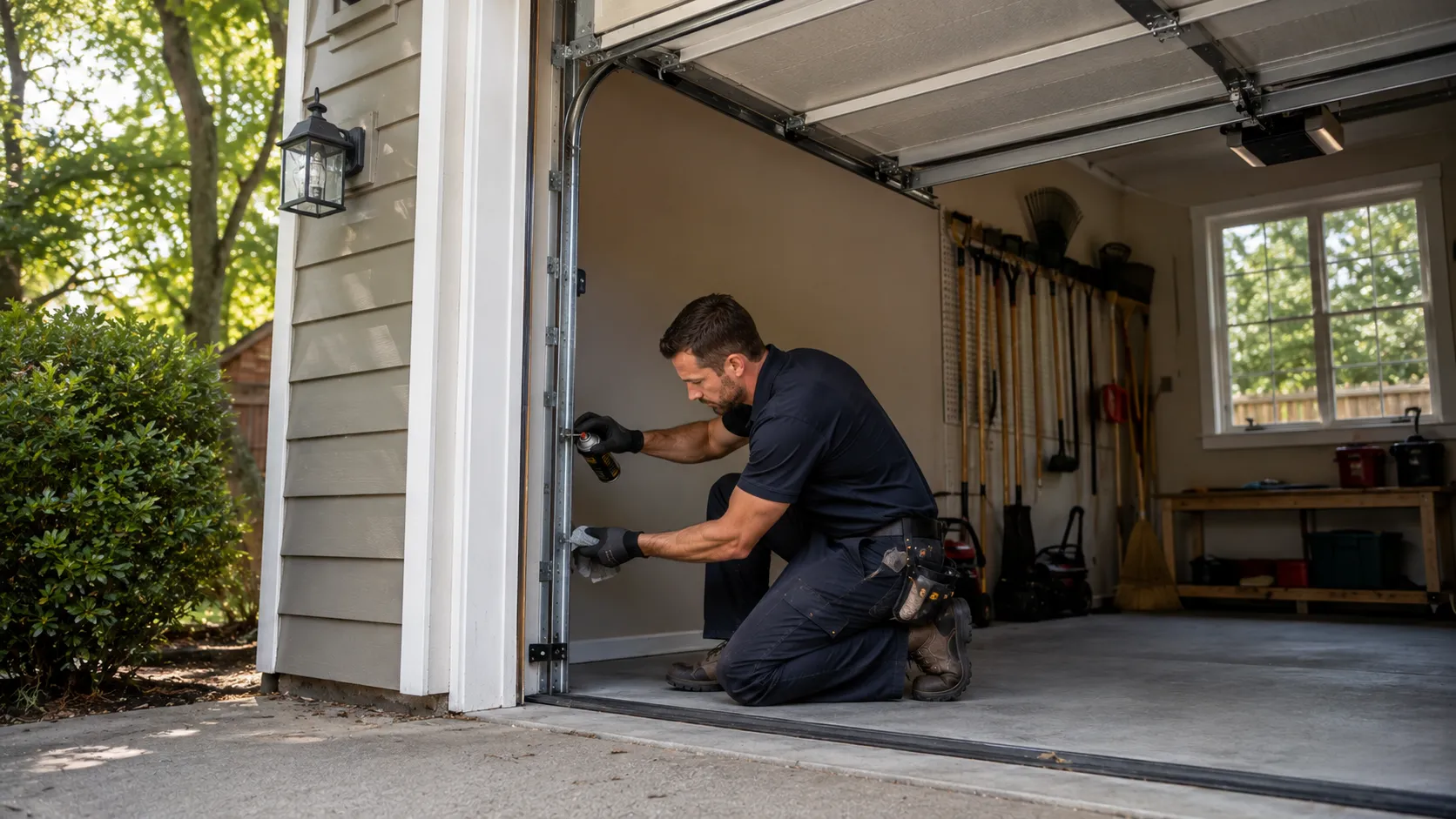
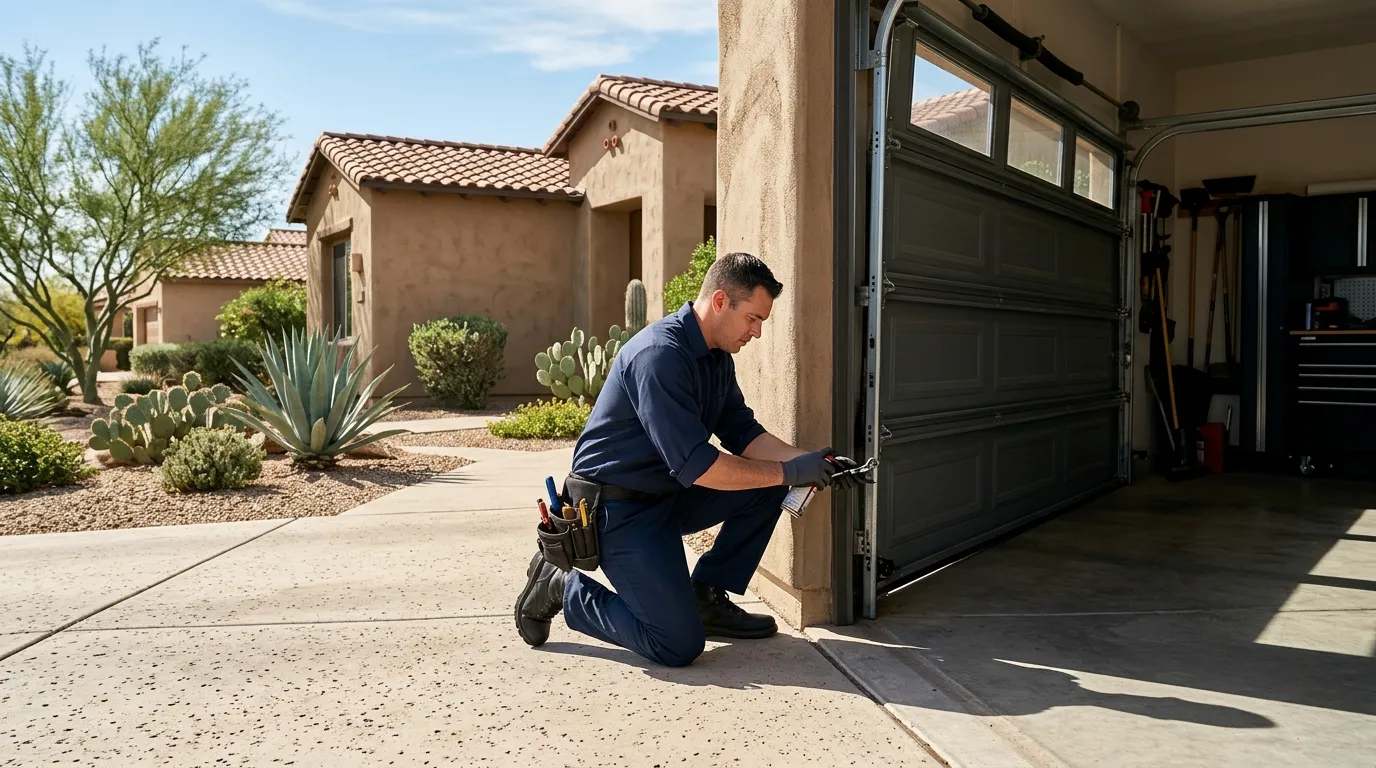
Two things drive commercial door failures across this service area more than anything else: the climate and the age of the building stock. This region sits in a cold-climate band classified as severe, and cold does specific things to a garage door system - grease in bearings and rollers stiffens, metal contracts and throws alignment off by a fraction that a photo eye won't forgive, and openers work harder to move a door through cold-thickened lubricant on the track.
The building stock adds to it. Housing across the area was mostly built between 1952 and 2010, with a median year of 1997, and the mix of eras across the roughly 95,042 households and 53,412 owner-occupied houses in the region means commercial and light-industrial properties built or converted alongside that growth carry openers and door hardware from several different decades. An opener installed when a building went up in the 1980s or 90s is not the same generation of hardware as one installed in 2010, and parts availability differs between them.
With a median household income of $116,074 across the service area, this is a region with a fair number of small operations - shops, small warehouses, mixed-use buildings - running doors daily rather than occasionally, which shortens the interval between normal wear and a call.