The DIY Question
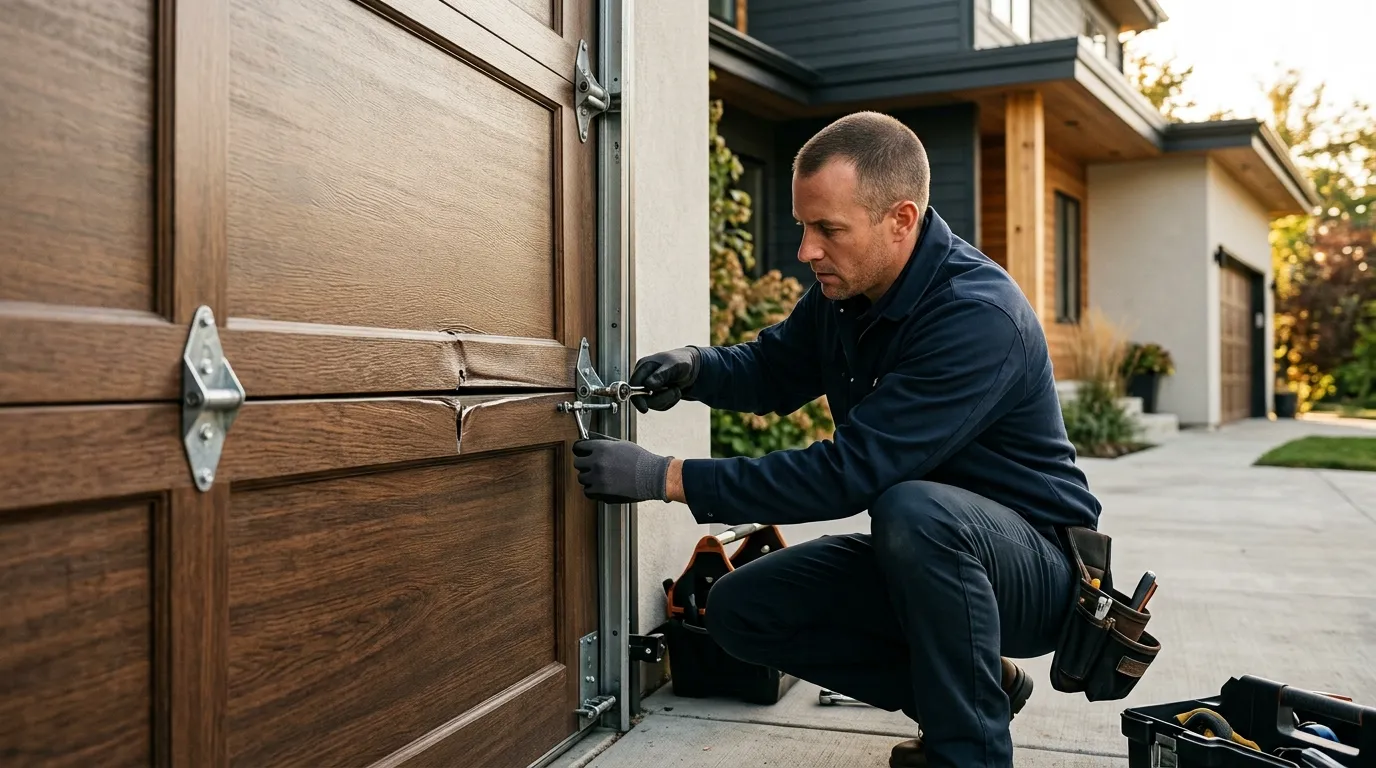
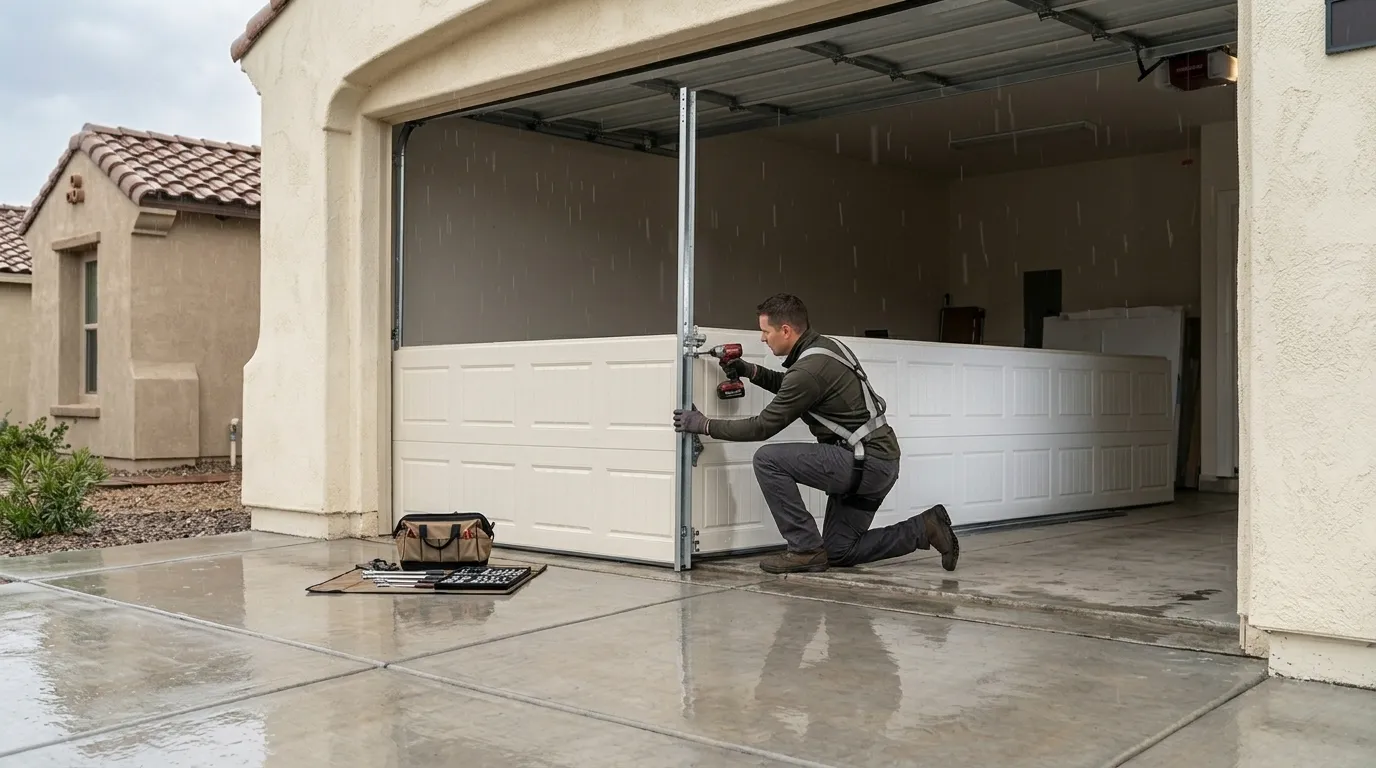
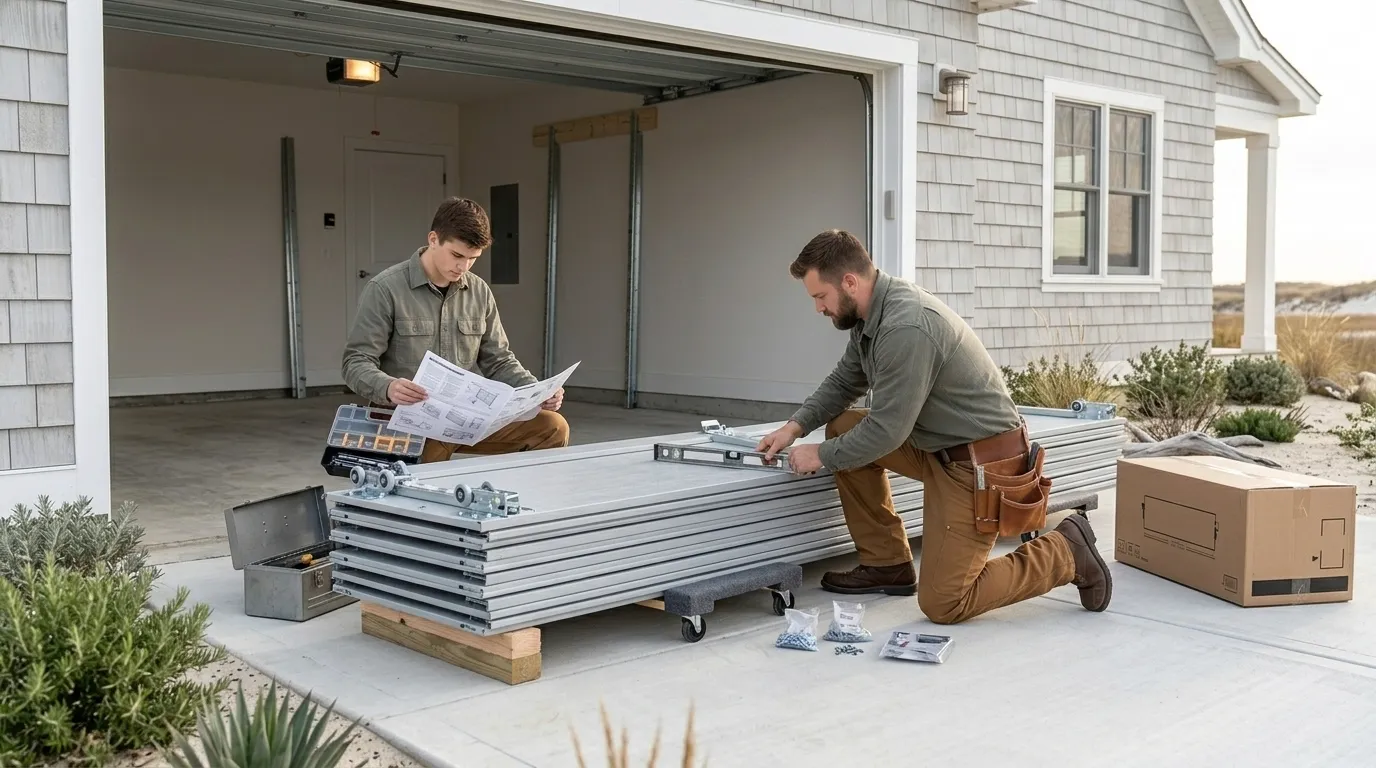
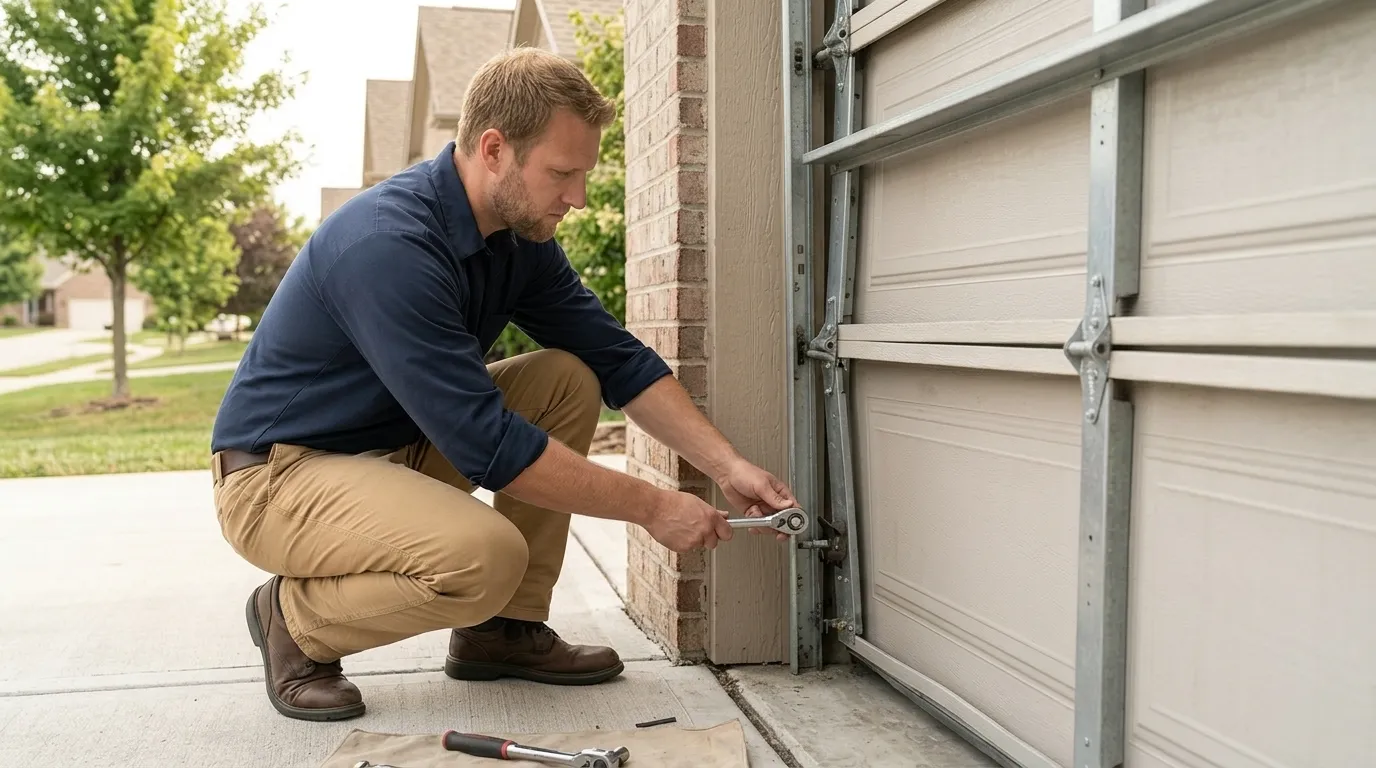
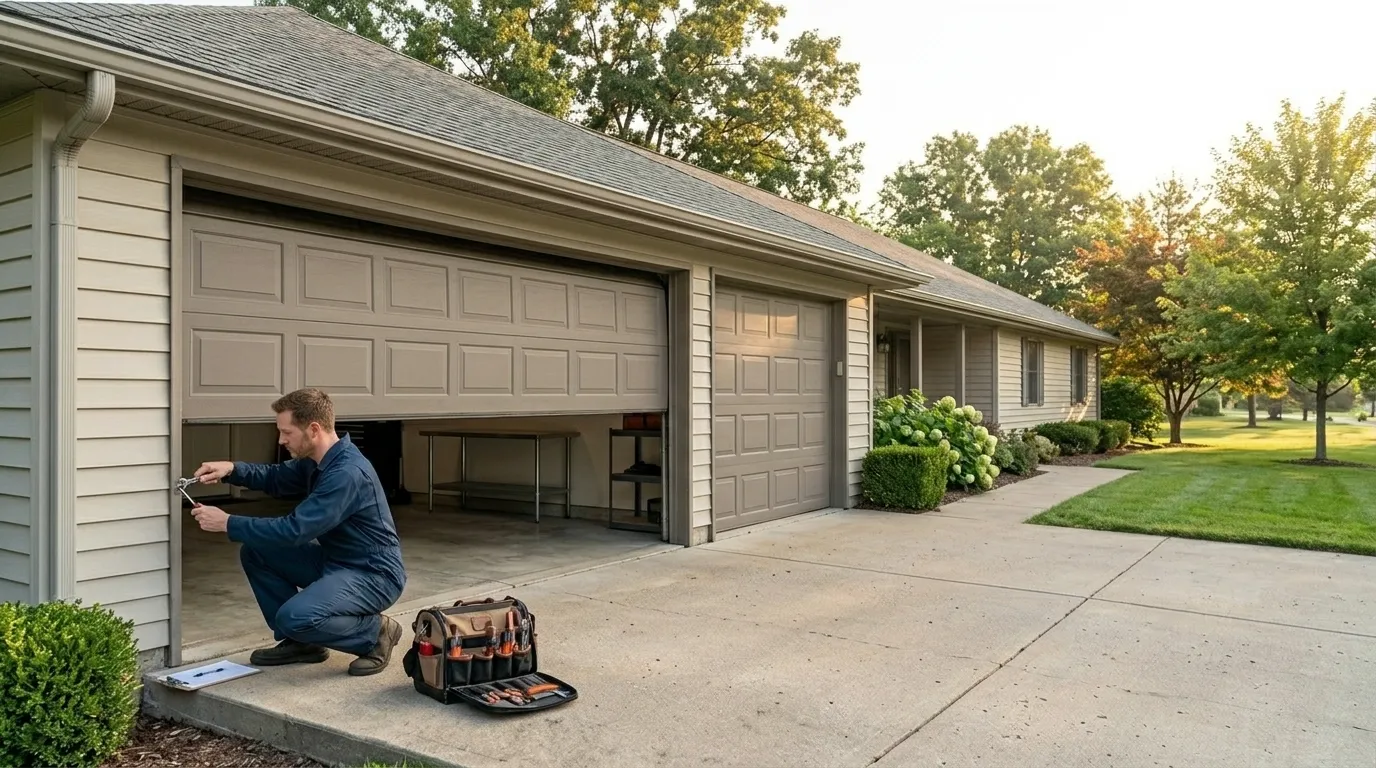
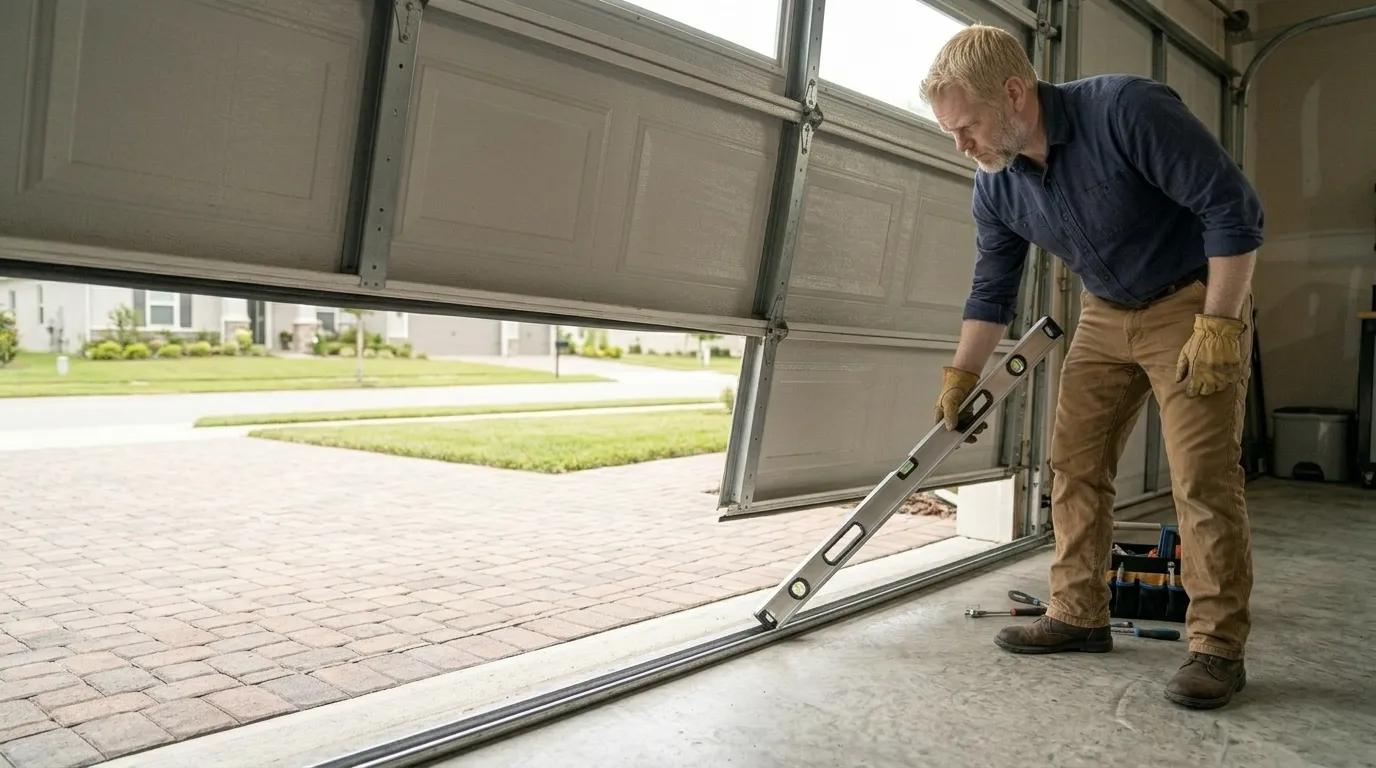
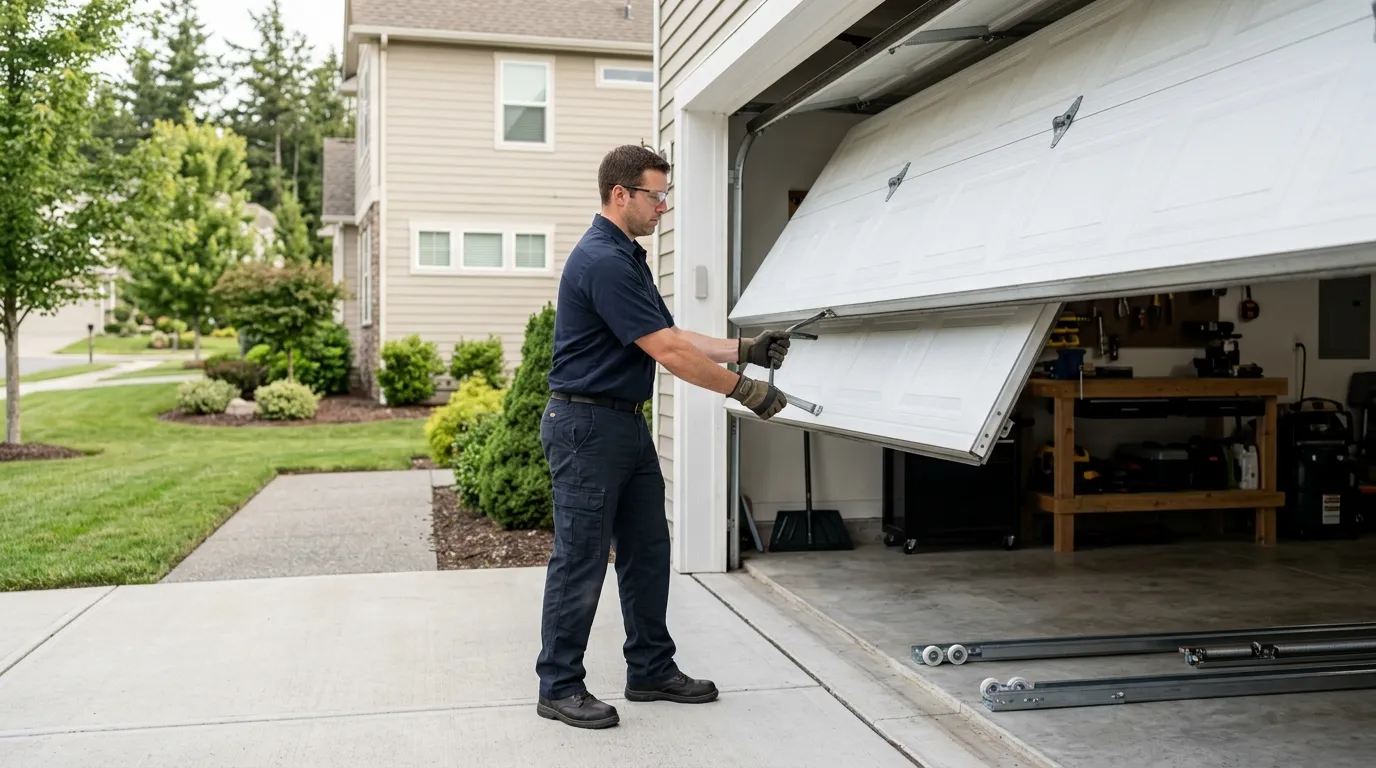
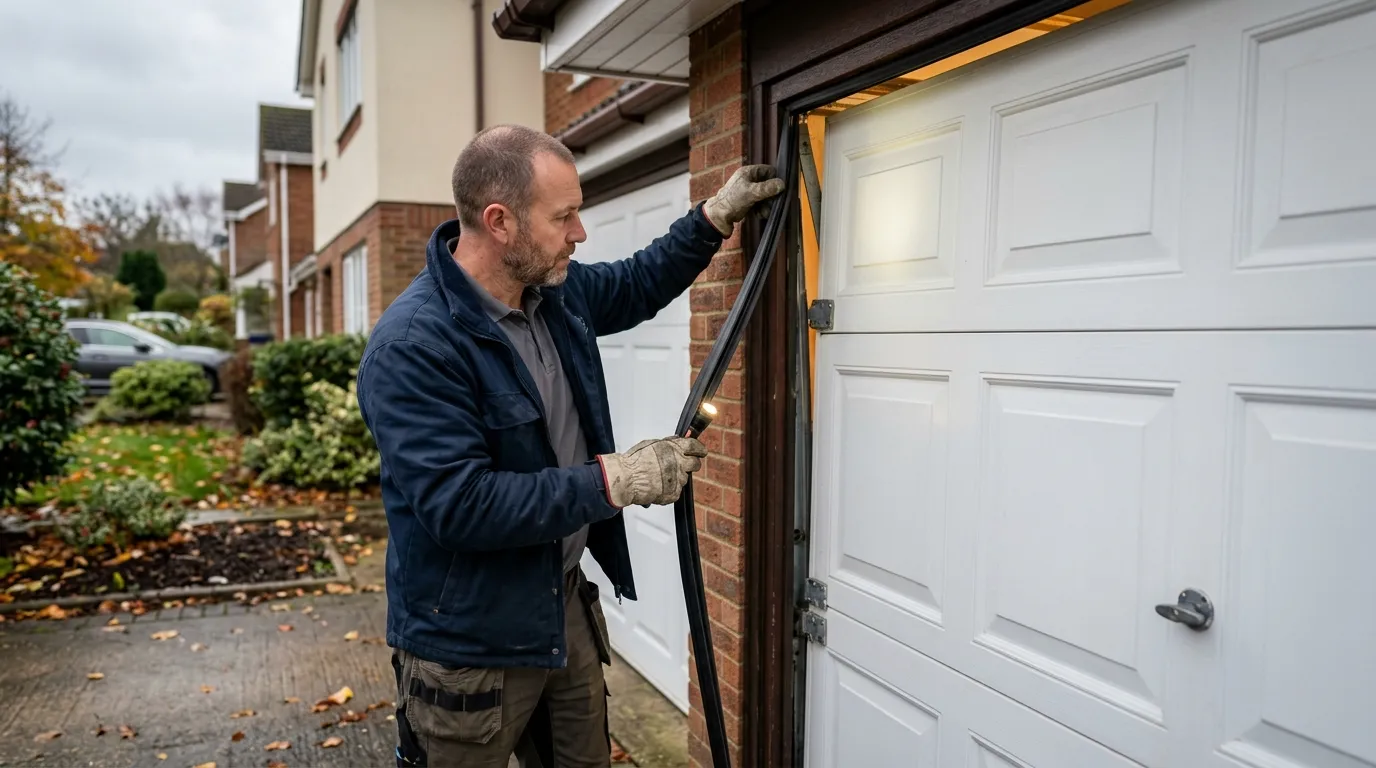
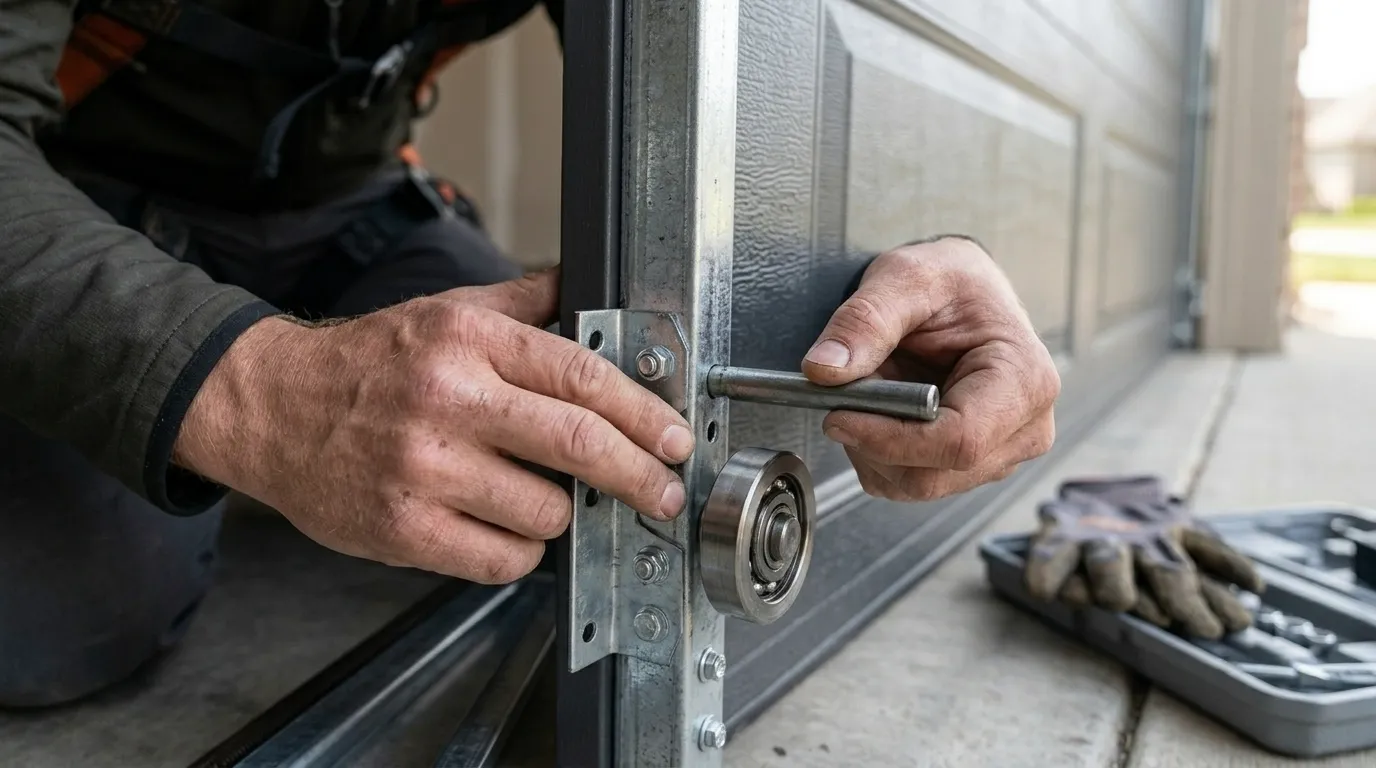
Swapping a roller looks simple on a video and it can be, if the door is off track on one side only and the spring is still holding tension evenly. Pull the roller pin, slide out the old wheel, drop in a new one, done. Where it stops being a weekend job is when a roller has already worn through its stem and jammed sideways in the track, bending the track rail in the process. On the double-wide doors common through this area's 1980s and 90s tract construction, that bent rail usually means both tracks need adjustment, not just a part swap, and doing that with the door under spring tension is where people get hurt. If your door still rolls smooth on three corners and binds on one, a roller swap is a fair DIY project. If it's grinding on every corner or has jumped the track twice, call before you pull a panel loose. We'll tell you straight if it's still a roller job or something bigger - we're not going to sell you a full rail replacement when three rollers and an hour fix it.
How Long You Are Without the Door
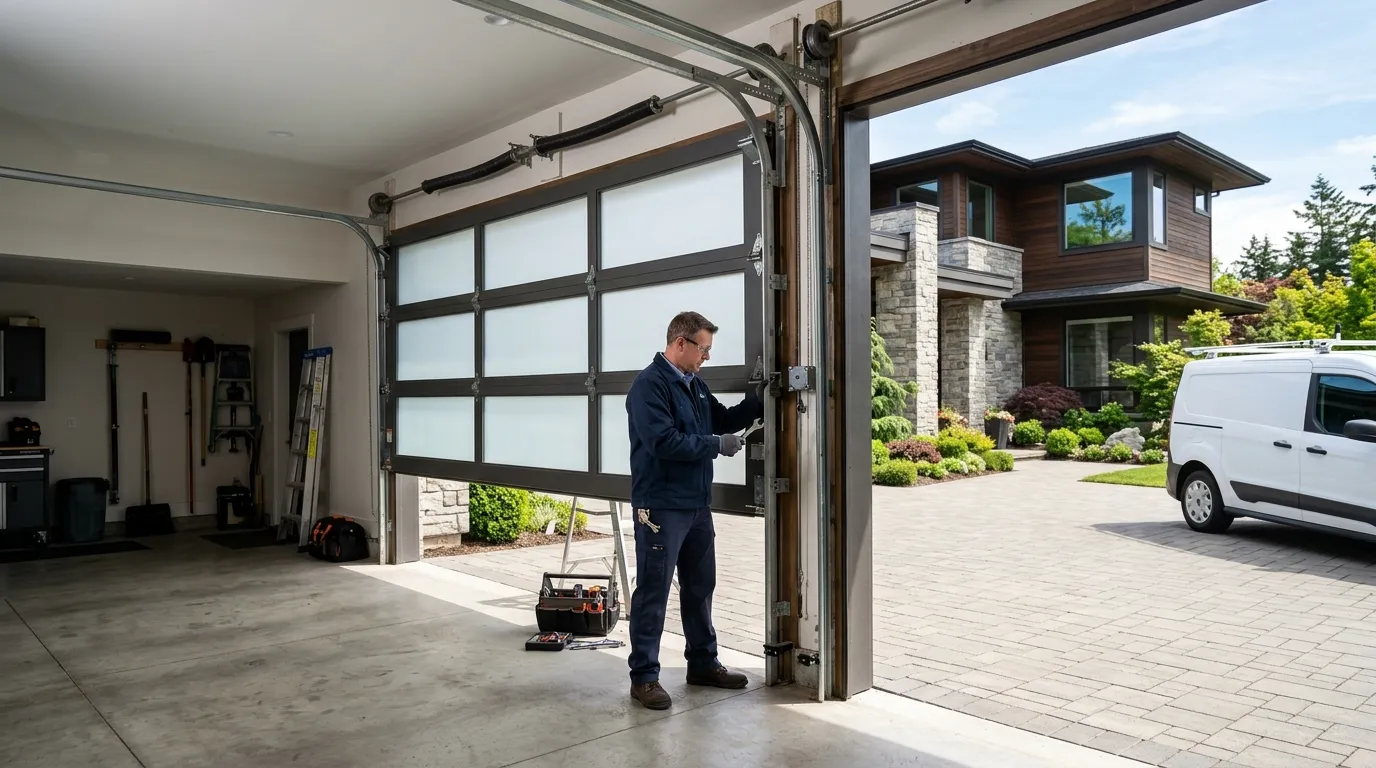
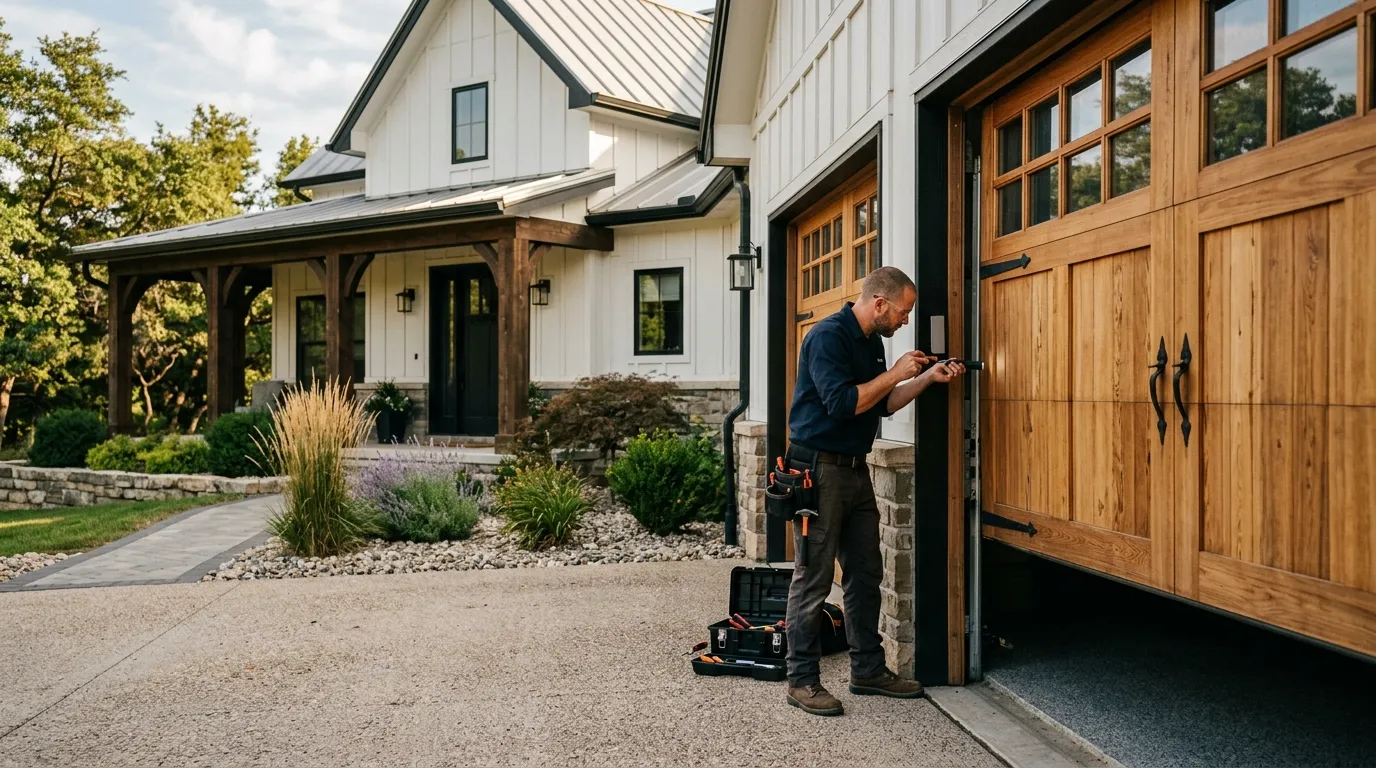
A straightforward roller swap on a single door, done with the right stem length and bearing type already on the truck, is usually a same-visit fix - the door goes back up before we leave. Where it runs longer is on homes with steel rollers on 1990s-era steel track, where the wear pattern has usually taken the track hardware with it. In that case we're not just swapping rollers, we're re-aligning or replacing a track section, and that adds time to the same visit rather than requiring a second trip. We carry common roller sizes and stem lengths for the door hardware typical of houses built between 1952 and 2010 in this area, since that's most of what we're called out to. What we don't stock on the truck is oddball or discontinued hardware from a handful of older builds - if your track or roller carriage is a nonstandard fit, we'll tell you at the door and get you a timeline instead of guessing.
Why It Happens Here
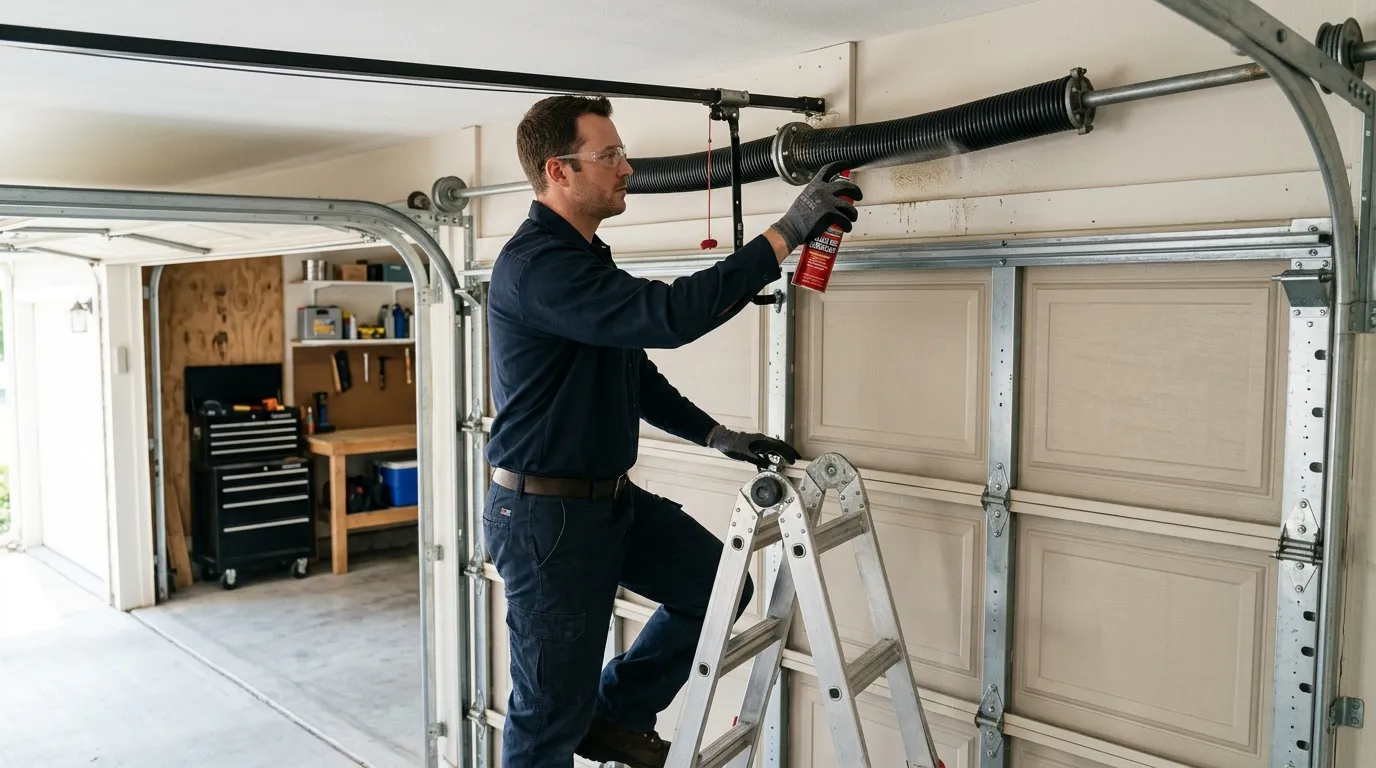
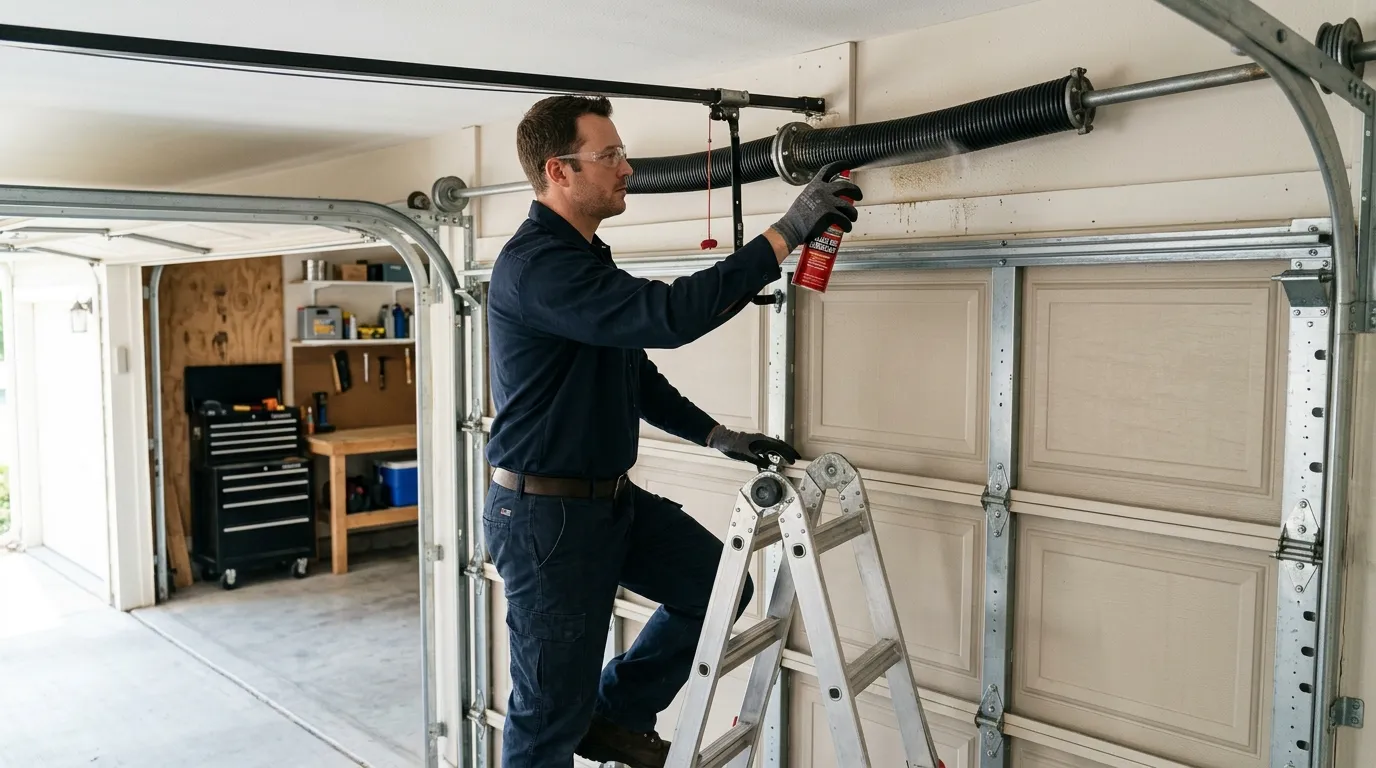
This area's housing stock runs mostly 1980s and 90s construction, with dates across the wider service area spanning 1952 to 2010, and that matters because most of it went up with steel roller hardware that was standard for the era but wasn't built for a severe cold climate over three-plus decades. Steel rollers don't flex the way nylon does, so every hard freeze-thaw cycle stiffens the grease in the bearing a little more, and every stiff bearing puts more load on the roller stem until it cracks or seizes. That's a bigger factor here than in a mild climate, because the cold snaps that grip this part of Colorado are frequent and hard enough to make the steel brittle at exactly the temperature range the door sees every winter morning. Add three decades of use on original hardware and you get exactly the failure pattern we see on service calls: fine in summer, grinding and jumping the moment the temperature drops. Newer nylon rollers handle that swing better, which is most of why replacement, not lubrication, is the fix that actually holds.