
What It Costs
We're not going to put a number here we can't back up, because roller replacement pricing depends on whether you've got 10-ball bearing rollers or the cheaper stamped-steel kind, whether one roller failed or the whole set is shot, and whether the track bent when the roller jumped it. What we can tell you is what drives the cost either way: door weight, roller count (usually 10 to 14 per door), and whether the track needs straightening or swapping along with the rollers. A single-roller swap on an otherwise healthy door is a small job. A full 10-roller set with track work on both sides is a bigger one. We quote it once we're looking at the door, not before, because guessing at it over the phone does you no favors.
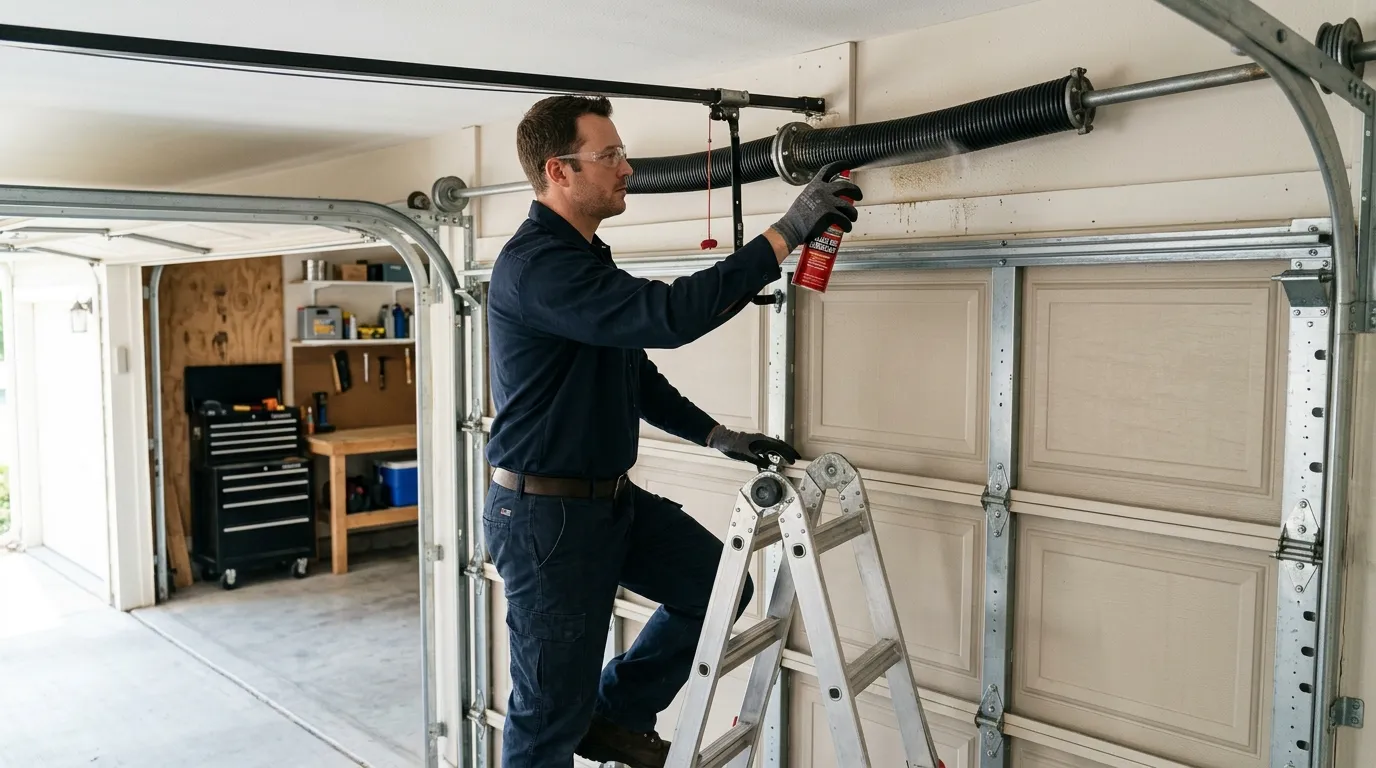
One honest note: if your door is original to a 2003-era build and hasn't had the rollers touched since, you're not just replacing worn parts - you're often finding a spring that's tired too, and it's worth having both looked at in the same visit instead of paying for two trips.
What You Are Seeing
Mead's housing stock centers on a median build year of 2003, which means most garage doors here left the factory with steel roller stems riding in plastic or nylon-sleeved wheels, not the solid-steel rollers you'd find on a house from the 1970s or 80s. That plastic sleeve is the first thing to go. You'll hear it before you see it: a grinding or rattling sound as the door travels, worse in cold weather when the plastic stiffens up. Given the cold-and-severe winter swings this area sits in, that stiffening happens every year, and it's usually what pushes a marginal roller into a failed one.
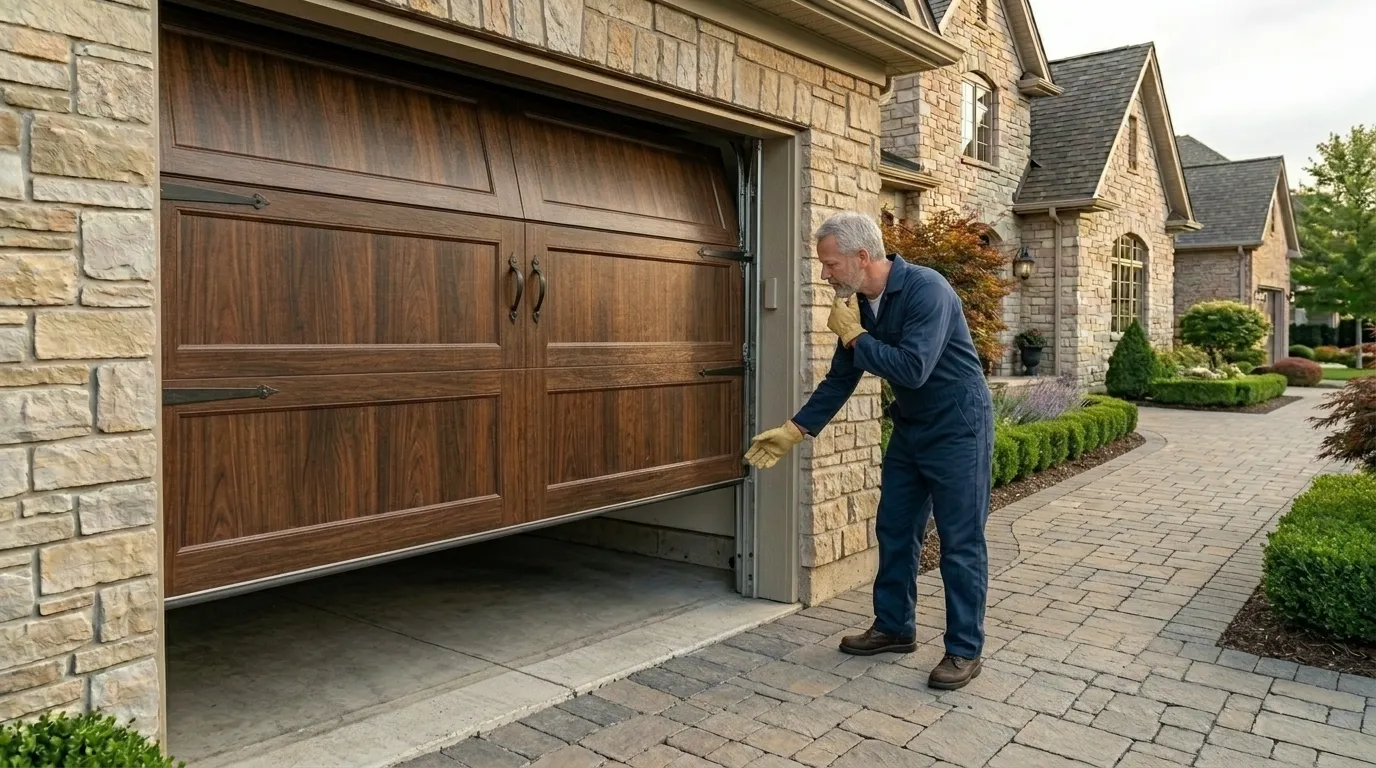
You might also notice the door hesitating at the same spot on every cycle, or a roller that's visibly worn down to a smaller diameter than its neighbors. On a 20-year-old door, it's common to find one or two rollers noticeably more worn than the rest - usually the ones on the side that takes the most stress from an unbalanced spring.
What the Repair Takes
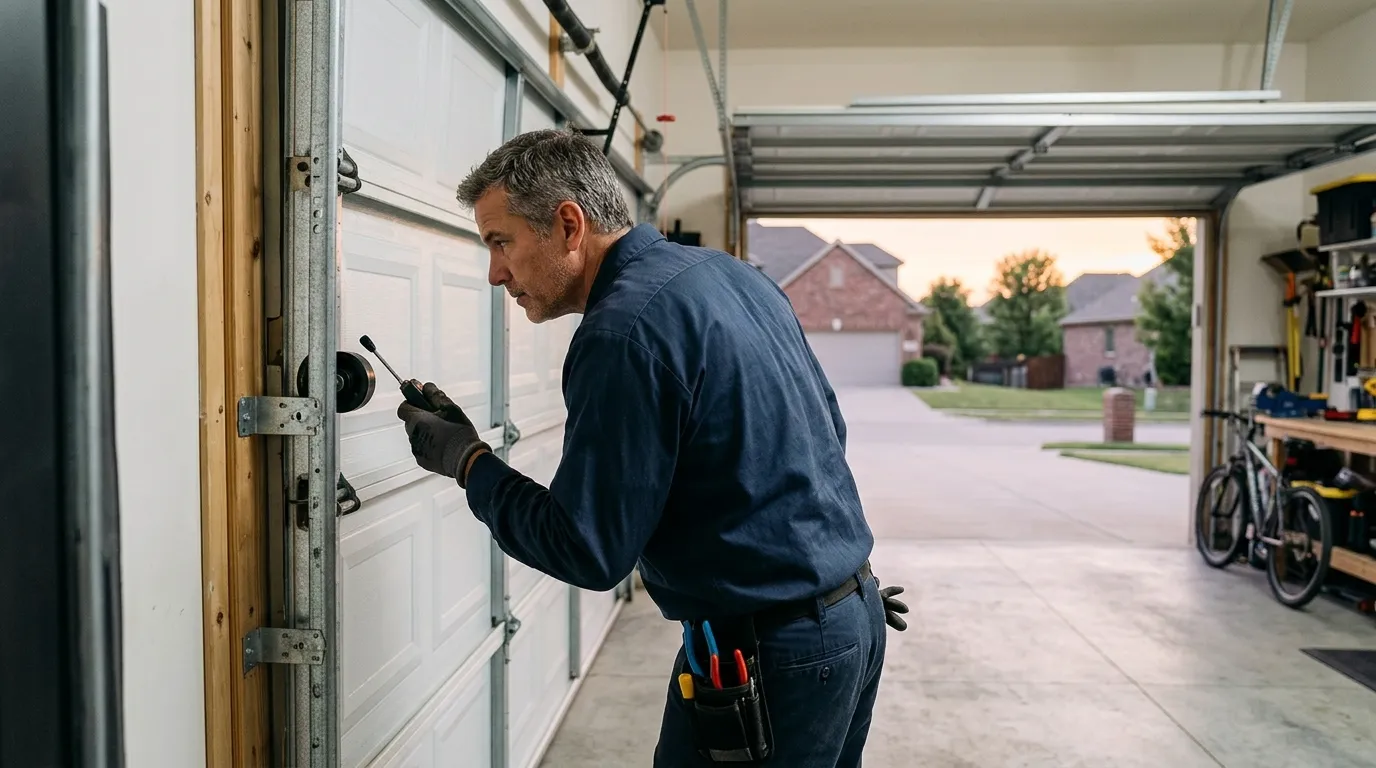
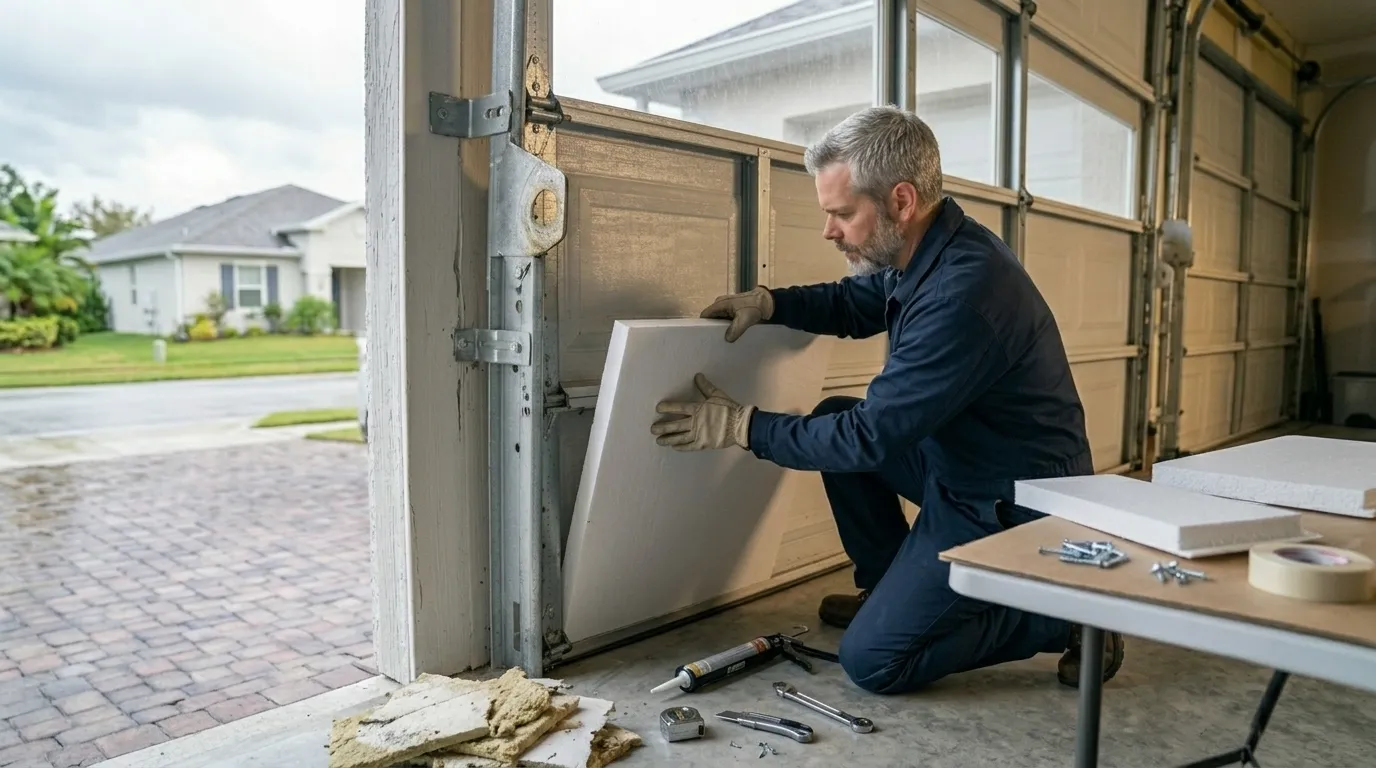
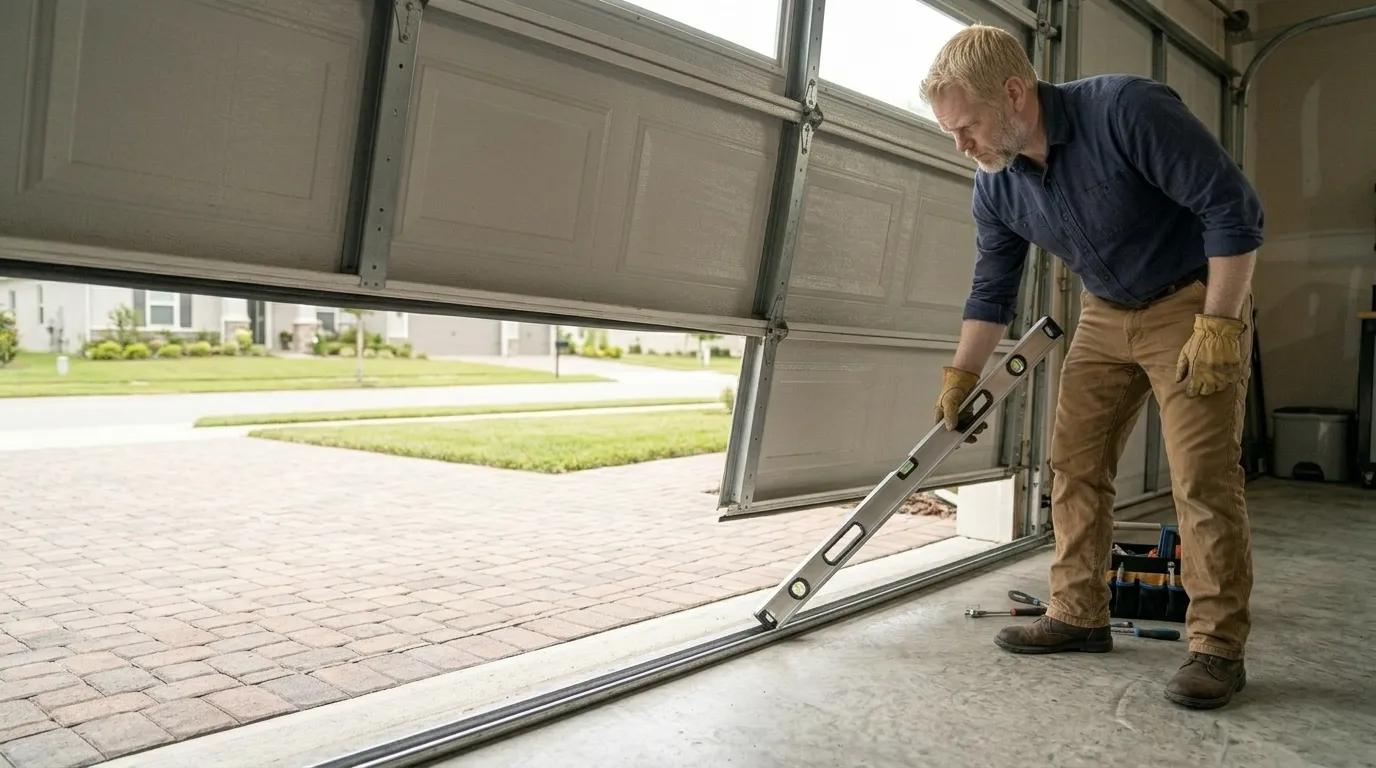
On a healthy door, swapping a full set of rollers is a same-visit job - the door comes off tension, old rollers come out of the track and off the hinges, new ones go in, and the door gets run through a few cycles to check for drag or noise. If the track's been grooved from a roller that rode metal-on-metal for a while, that section gets replaced or straightened before the new rollers go in, or you'll just wear the new ones out early.
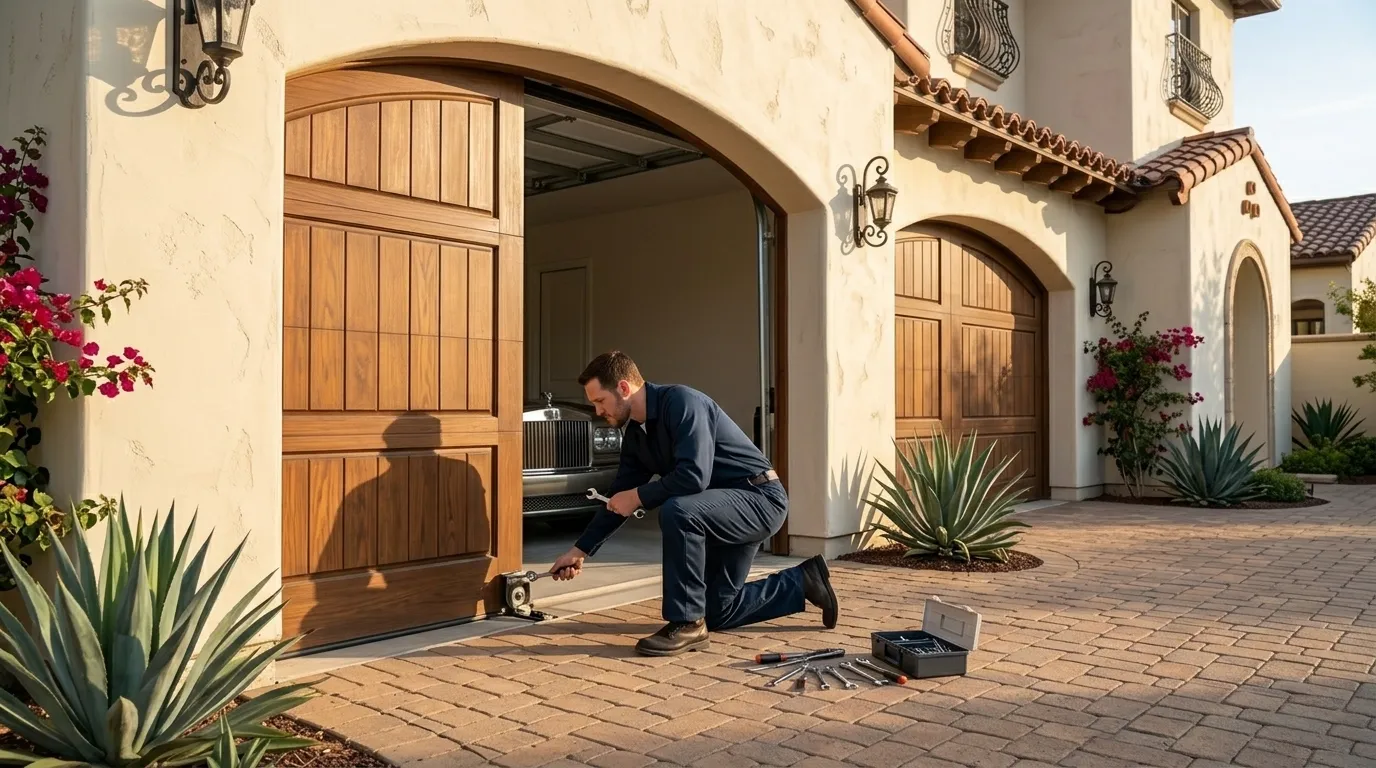
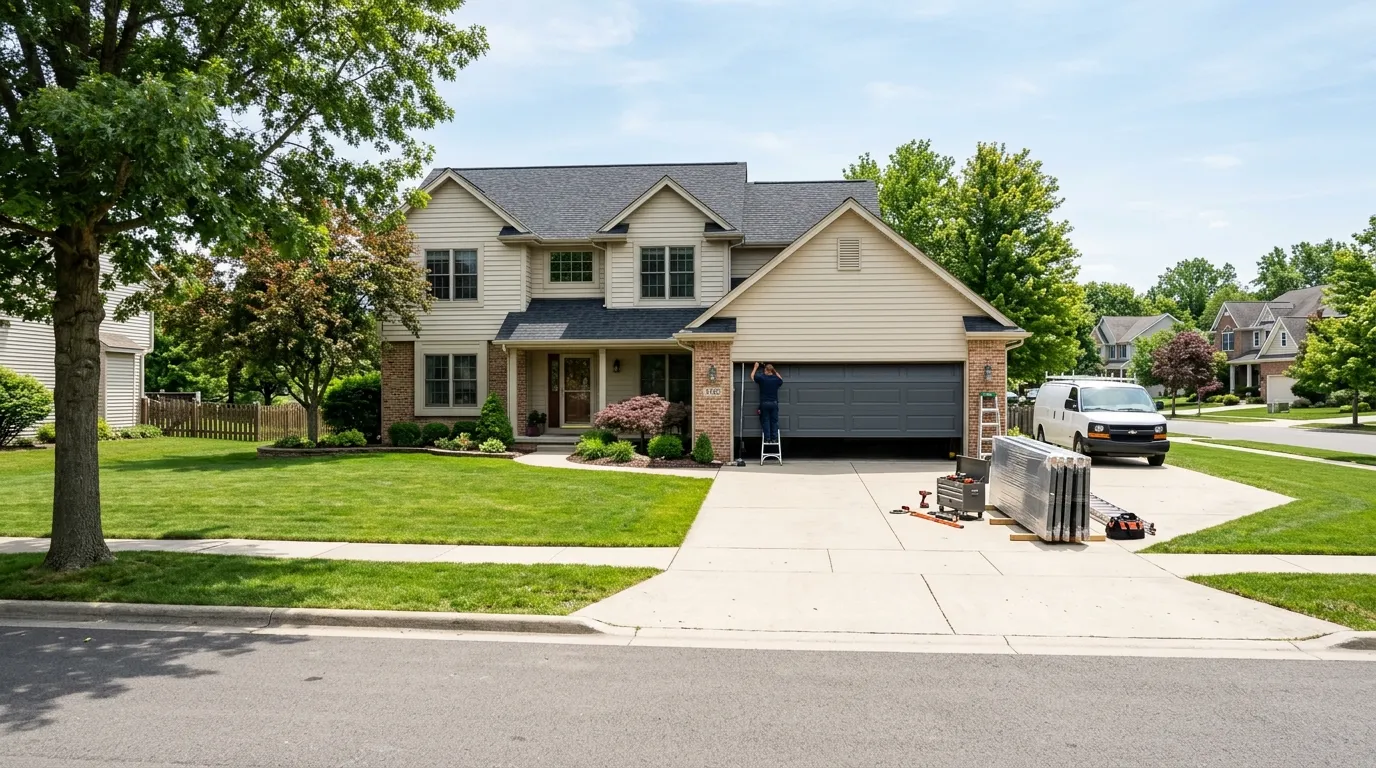
We drive out from Longmont to handle these, about 7 miles to reach Mead, so there's no local branch to swing by - just a scheduled visit. If your door's original hardware is starting to show its age across the board, not just the rollers, it's sometimes worth talking about whether a full hardware refresh makes more sense than piecemeal fixes. That's a conversation, not an upsell - we'll tell you straight if the rollers alone will hold you for a few more years.