Why It Happens Here
Frederick is a small town by the numbers - about 5,454 households, nowhere near the size of the broader service area we cover out of Longmont, which runs north of 95,000 households. That matters for cable work because a small, newer town has a narrower range of door hardware to deal with, not a wider one.
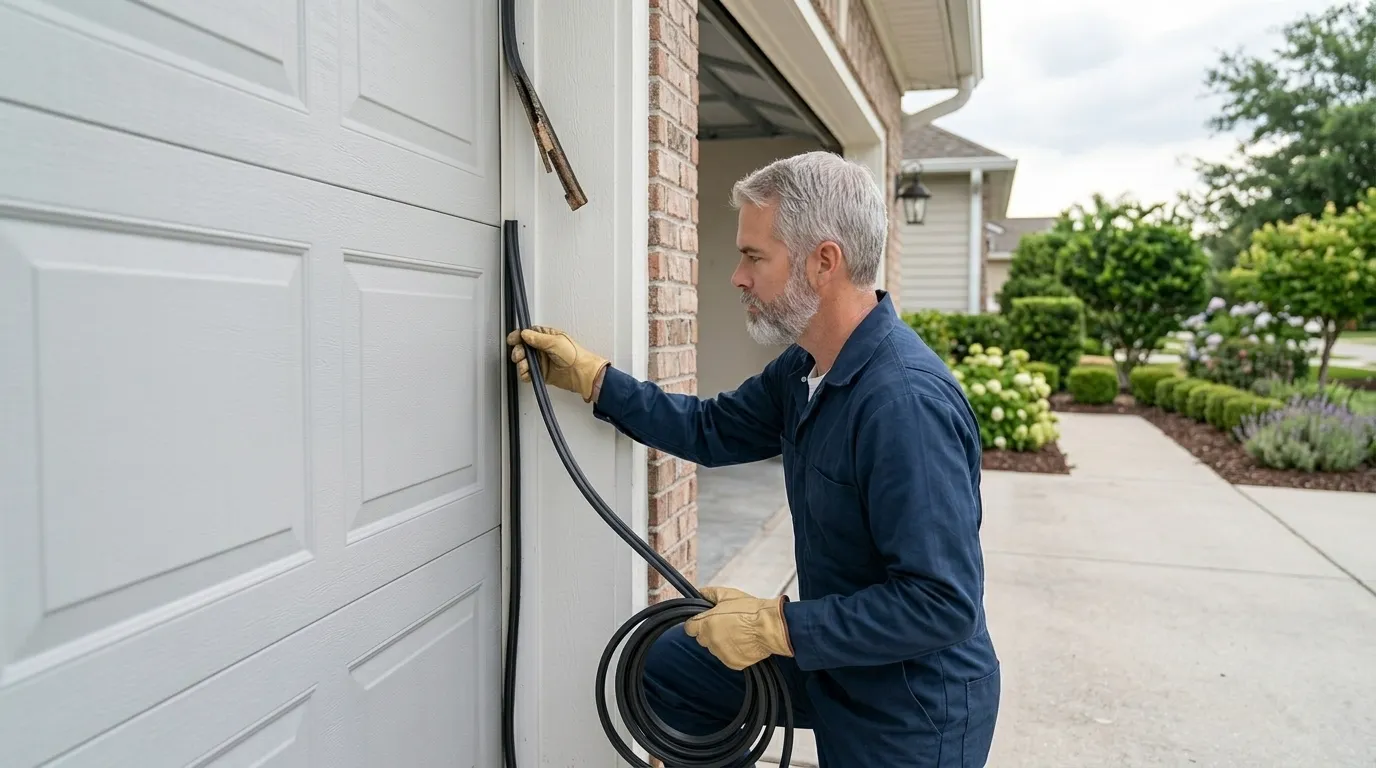
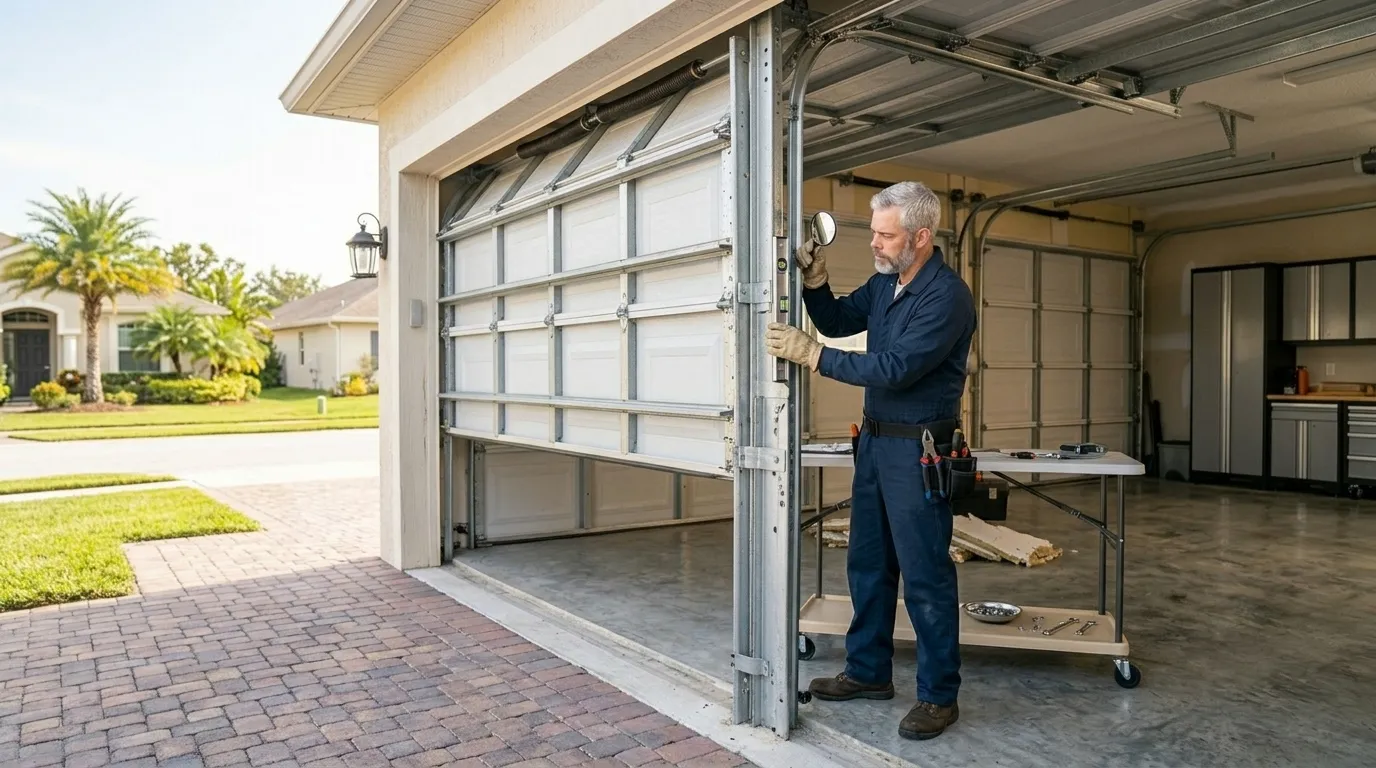
Median year built here is 2007. Across the rest of the territory we drive, the housing stock spans 1952 to 2010 with a median around 1997, and a lot of that older stock still runs single-cable extension spring systems bolted to the center of the header. Frederick skipped most of that generation. Most doors here came in with dual-cable torsion systems already standard - cables running down each side of the track to a factory-wound spring on a shaft above the opening.
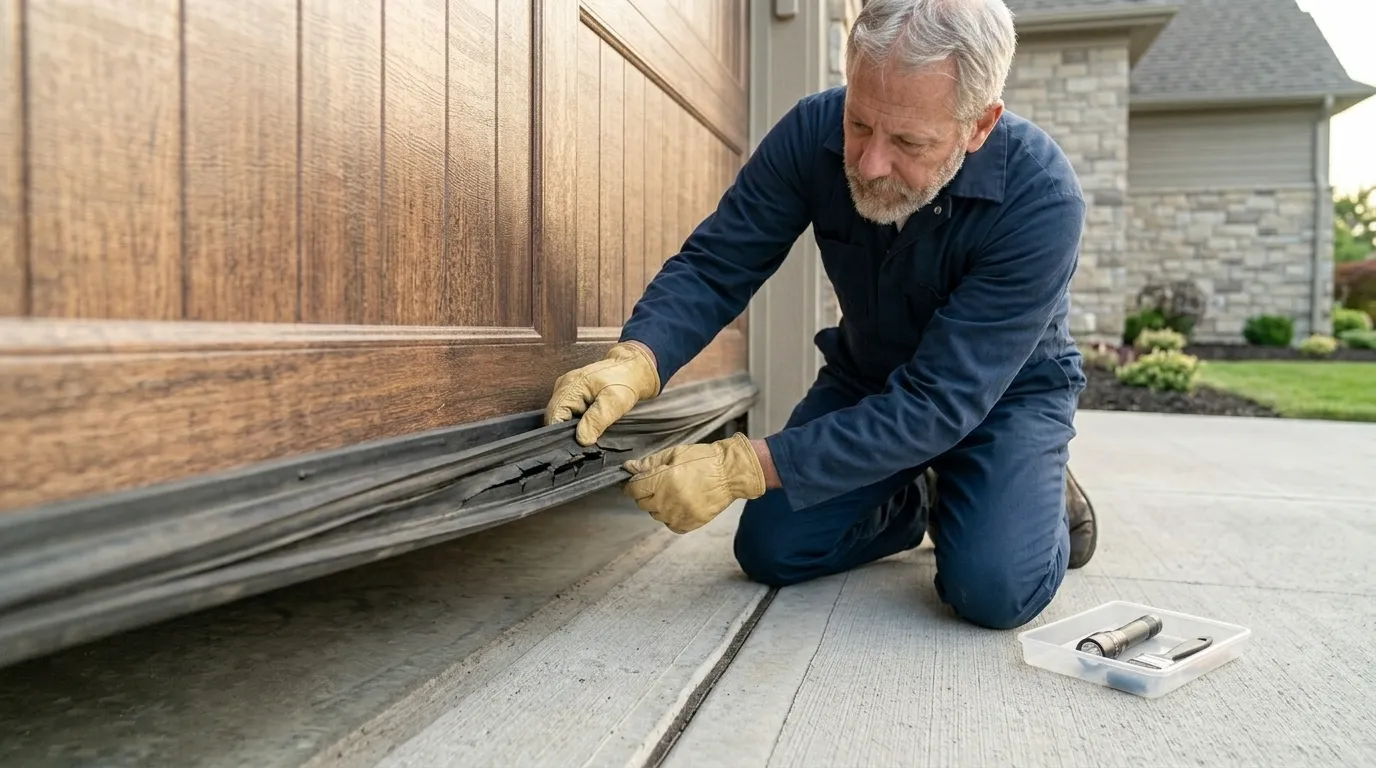
The climate does the rest of the damage regardless of the hardware generation. This region sits in a severe cold band, and repeated hard freezes followed by warm afternoons put a lot of expansion and contraction stress on galvanized cable strand. On a torsion setup, that stress concentrates at the drum end and at the bottom bracket, which is where we find most of the fraying and popped strands on Frederick calls.
Stocked Parts
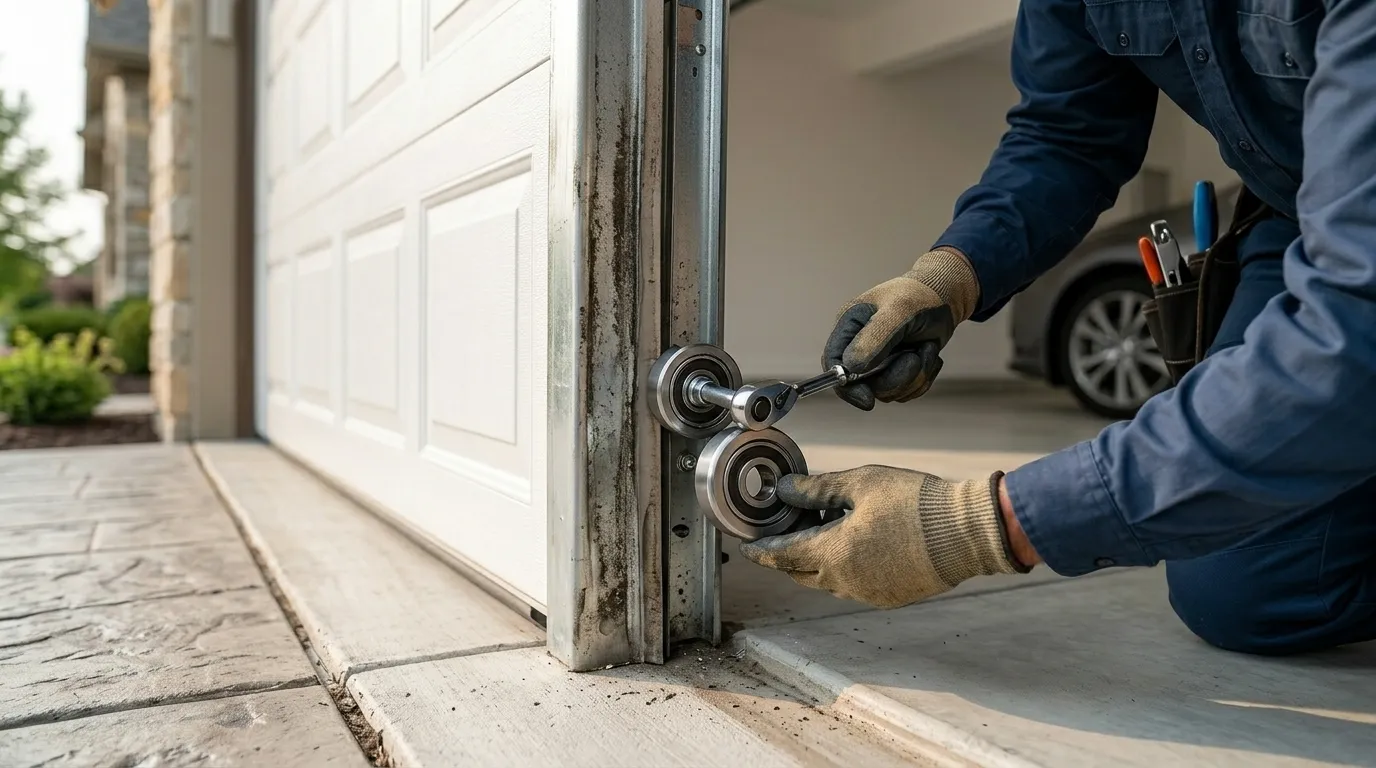
Because Frederick's stock leans so heavily toward doors built after 2000, we carry the cable sizes and drum-end fittings that match torsion systems as a default on the truck, not as a special case. That's 7x19 and 7x7 galvanized aircraft cable in the gauges those factory torsion kits use, plus the S-hook and drum-slot ends common to that era of hardware.
The honest limitation: if a Frederick door turns out to be an older extension-spring holdover, or a custom or commercial unit with an odd cable length, we may not have that exact spool on the truck the same day. Extension-cable pulley kits and non-standard drum sizes sometimes mean a short order delay. We'll tell you straight if that's the case rather than force a mismatched part onto your hardware.
The DIY Question
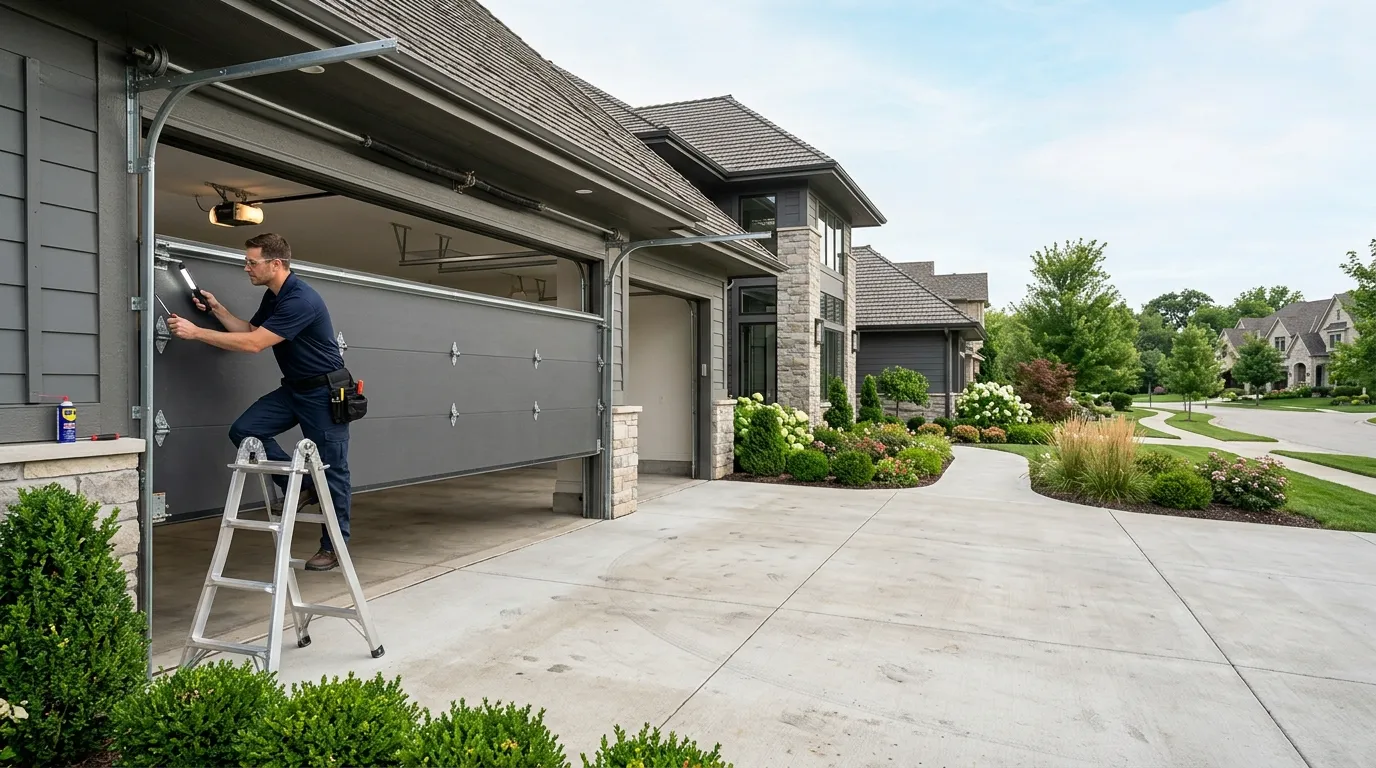
A cable on a torsion door is not a weekend fix. The spring above the cable is wound under load, and unwinding it or working near it without the right bar and clamps is how people get hurt - this isn't the same job as swapping a broken hinge or lubricating a track. If your door is off its cable or hanging crooked, the safe move is to leave the door down, unplug the opener so it doesn't try to run, and call it in.
Where it does make sense to wait: if the door still operates and the cable just looks worn but hasn't frayed or slipped, you can usually get a few more weeks out of it and schedule a repair rather than treat it as urgent. We'd rather tell you that than push an emergency visit you don't need.
Booking a Visit
We run out of Longmont, about 8 miles from Frederick, so we're not sitting in town waiting on calls - we schedule the drive in with other stops on that side of the service area. If your door's dual cables match the torsion hardware common to Frederick's post-2000 housing, we're likely already carrying the parts for it.
For a look at the full range of garage door work we do in Frederick, see the Frederick garage door page. If you're comparing this against how cable repair works closer to our Longmont base, that page is here: cable repair in Longmont.