
Why It Happens Here
Frederick's housing stock centers on a median build year of 2007, which puts most garage doors here right in the window where builders switched from steel rollers to 7-ball nylon rollers as standard equipment on new construction. Nylon rides quieter, but the stem and bearing inside it aren't built for a fifty-year run. Fifteen to eighteen years of use is normal wear-out, not a defect.
The cold is what speeds it up. This whole service area sits in a severe cold climate band, and that means repeated freeze-thaw cycling on the roller stem and the grease inside the bearing. Grease stiffens when it's cold, the roller starts binding in the track instead of turning freely, and the flat spot that forms on one side of the roller from sitting still overnight turns into a thump every time the door moves. On a 2007-era door with the stock rollers, that thump is usually the first sign, not the last.
We're not guessing at your door's age from a national average. A house built the same year the area's median build year landed is old enough that the original rollers have earned a look, whether they're making noise yet or not.
Stocked Parts
We carry 7-ball and 10-ball nylon rollers with sealed bearings on the truck, plus the steel rollers some older or heavier commercial-style doors still use. Both cover the roller sizes that shipped on doors built through the 2000s and 2010s, which is the range most Frederick garages fall into given the area's 2007 median build year.
What we don't stock is anything specialty or import - if your door came with an odd-length stem or a proprietary bracket from a builder who's since gone out of business, that part may need to be ordered, and we'll tell you that on the spot rather than pretend we can finish the job same-visit. That's the honest limit of what rides on the truck.
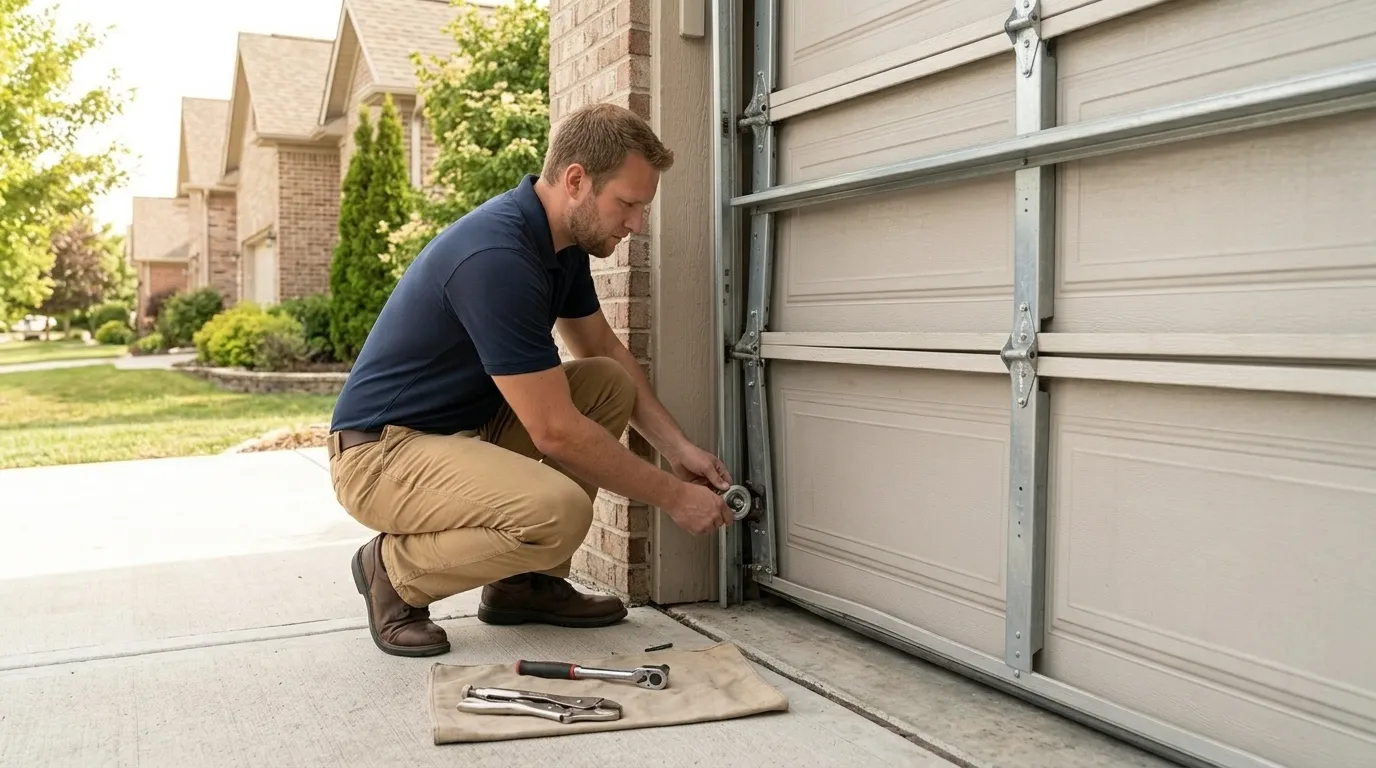
For a standard double or single door with the stock roller pattern, we replace all of them in one visit - full roller swap, not just the one that's squealing, since the rest are the same age and wearing at the same rate.
The DIY Question
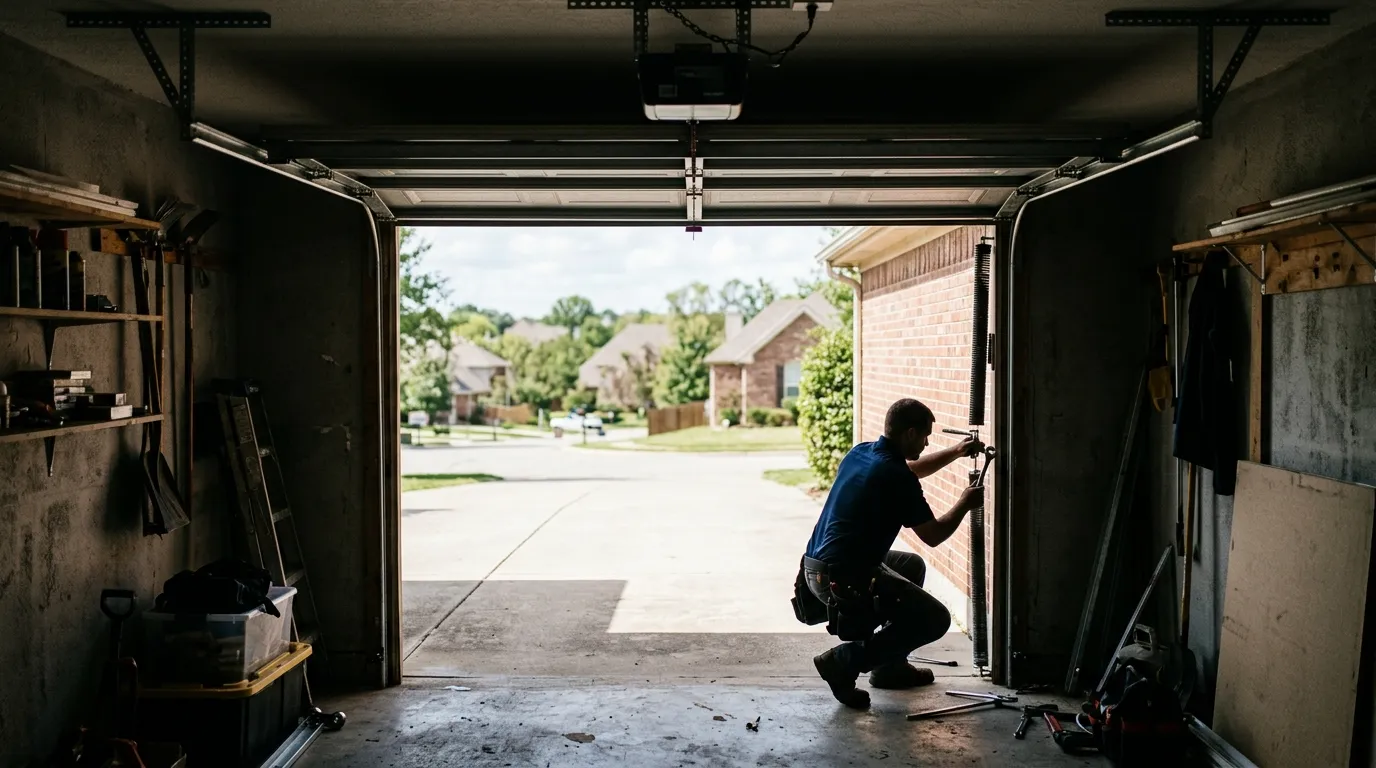
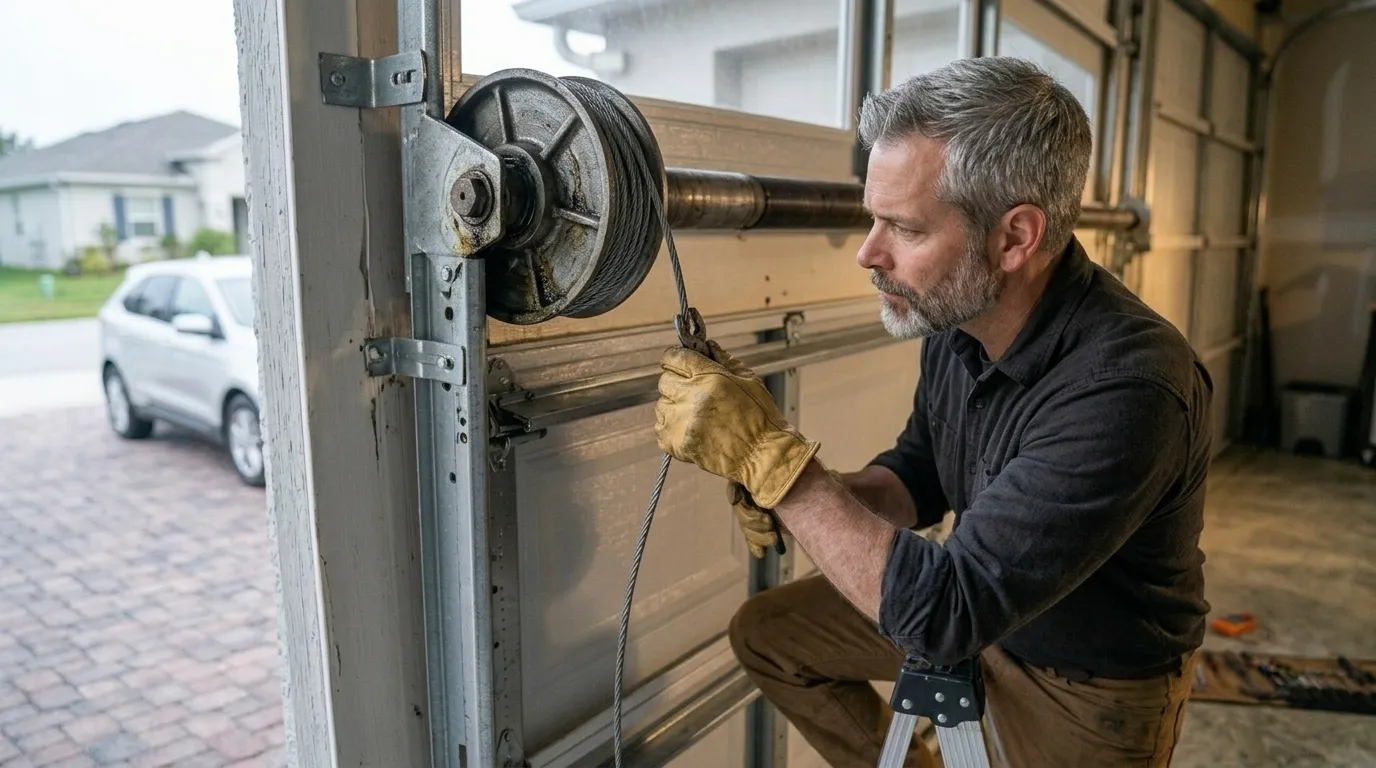
Swapping a bottom roller on some doors is within reach for a homeowner with the right tools, since the bottom bracket isn't under spring tension. The rollers higher up the track are a different story - reaching them means working near the torsion spring and cable system, and that's not a place to improvise.
Our honest answer: if you're only hearing noise and the door still opens and closes fully, it's fine to wait for a scheduled visit rather than treat it as an emergency. Roller wear is gradual. But if the door is catching, reversing, or a roller looks visibly cracked, don't keep running it - a roller that fails mid-cycle can drop a panel or jump the track.
Booking a Visit
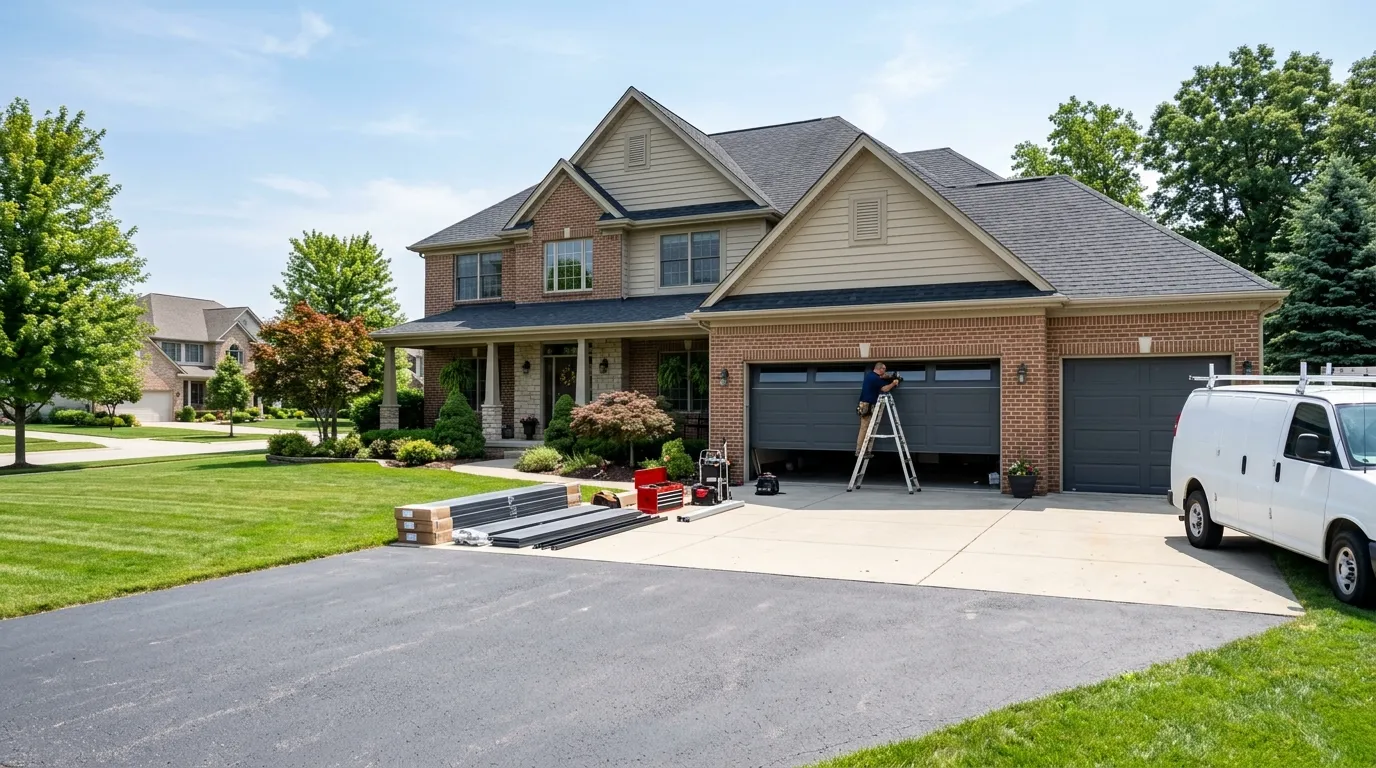
We work Frederick from our base in Longmont, about 8 miles out, so we schedule the visit rather than showing up on a drop-in basis. Given the area's median household income of $135,316, most jobs here are straightforward roller swaps on doors that are otherwise in good shape - not a sign anything's been neglected, just standard wear on a door built when most of the area's houses were.
Tell us the sound, when it happens, and roughly how old the door is, and we'll bring the right roller kit out the first time instead of making two trips.