Why It Happens Here
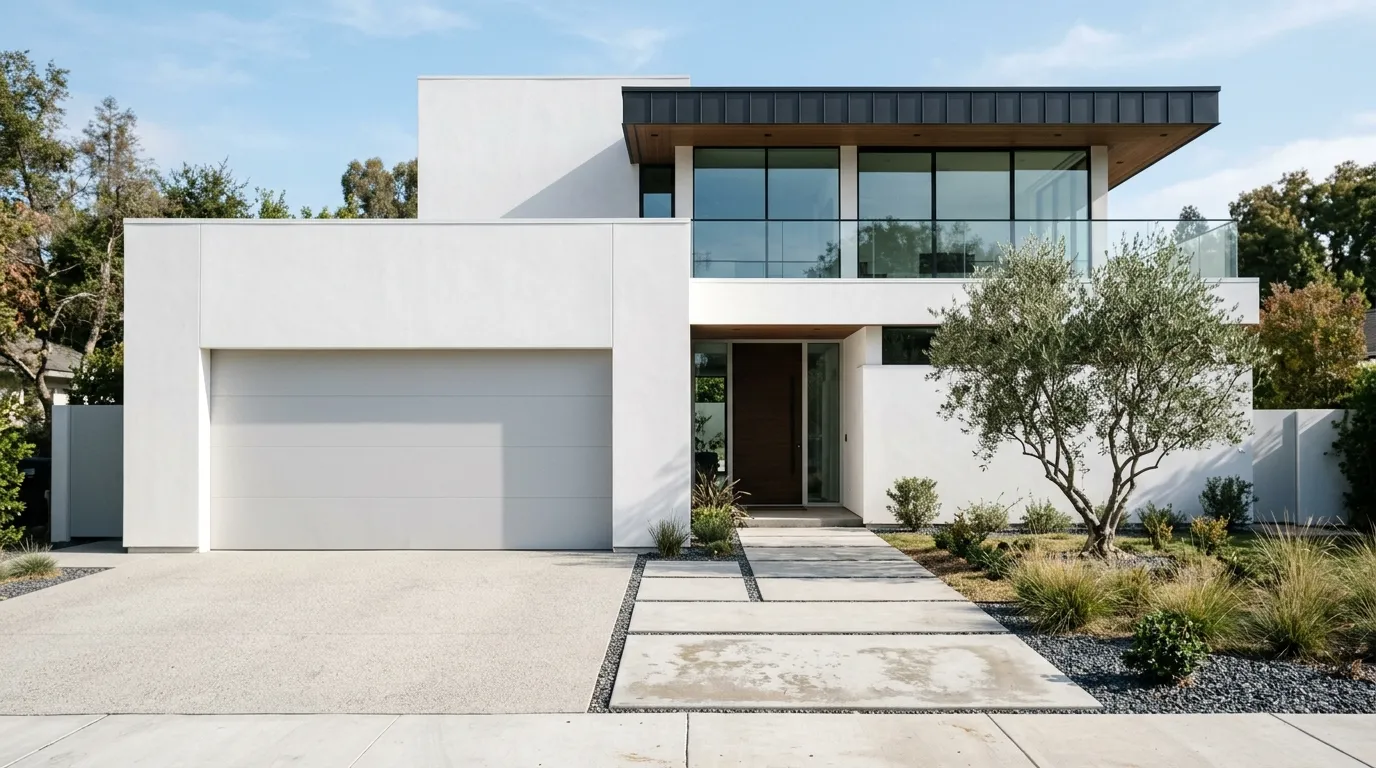
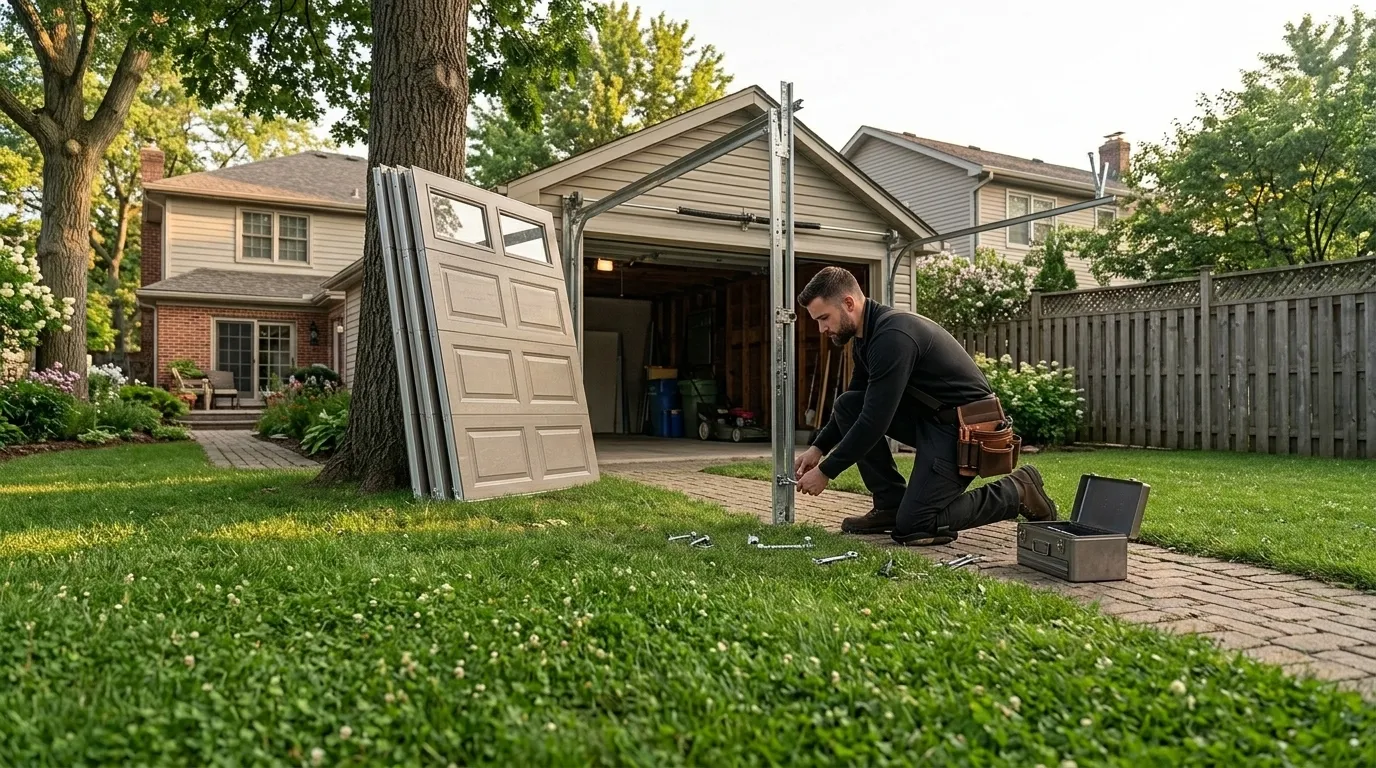
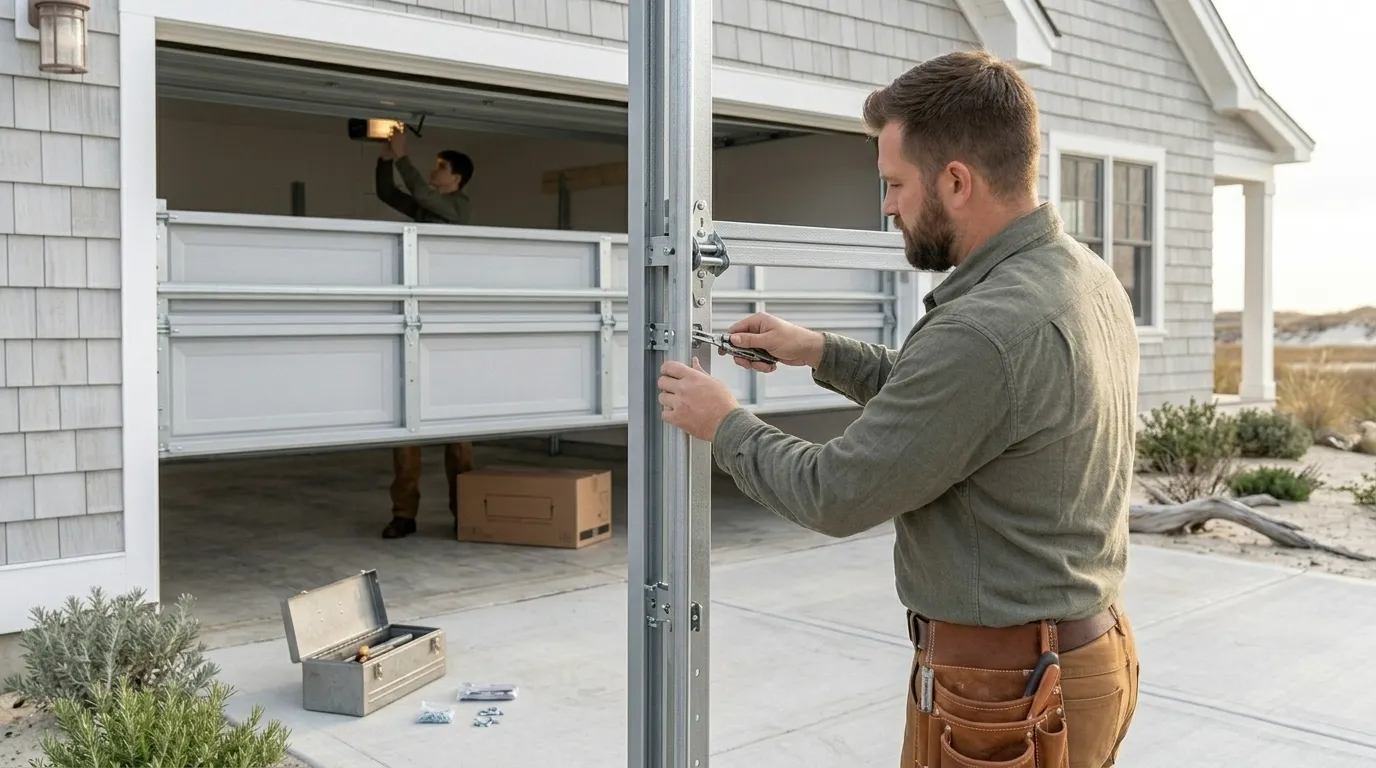
Most of Frederick went up around 2007, which puts the houses squarely in the tract-home boom that filled this part of the county with three- and four-bedroom builder-grade construction. That means the garage doors themselves are almost always steel sectional panels, insulated, and sized for the wider two-car and sometimes three-car bays that became standard in that era of platting. These aren't the narrow single doors you find on older stock elsewhere in the service area - they're heavier, wider spans that put more load on the torsion spring and more strain on the track alignment when a house settles.
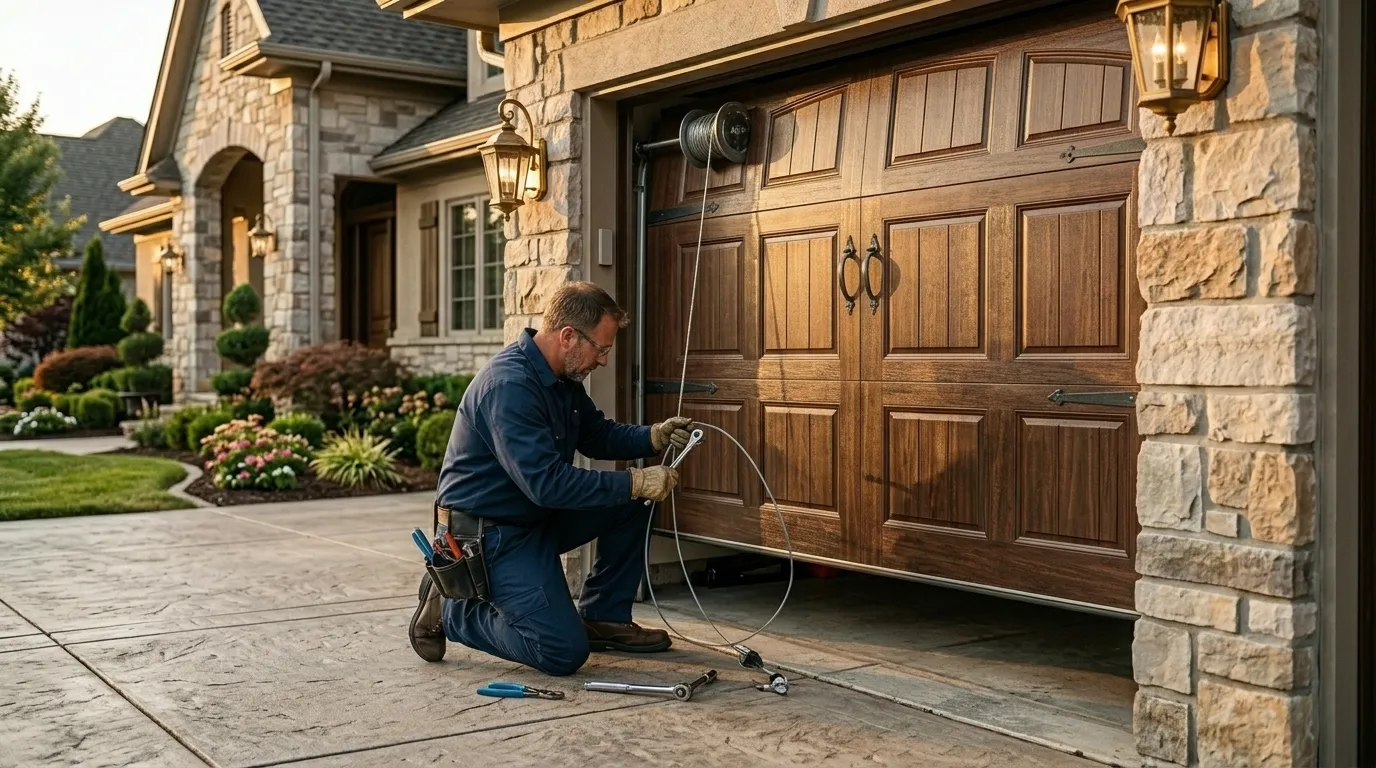
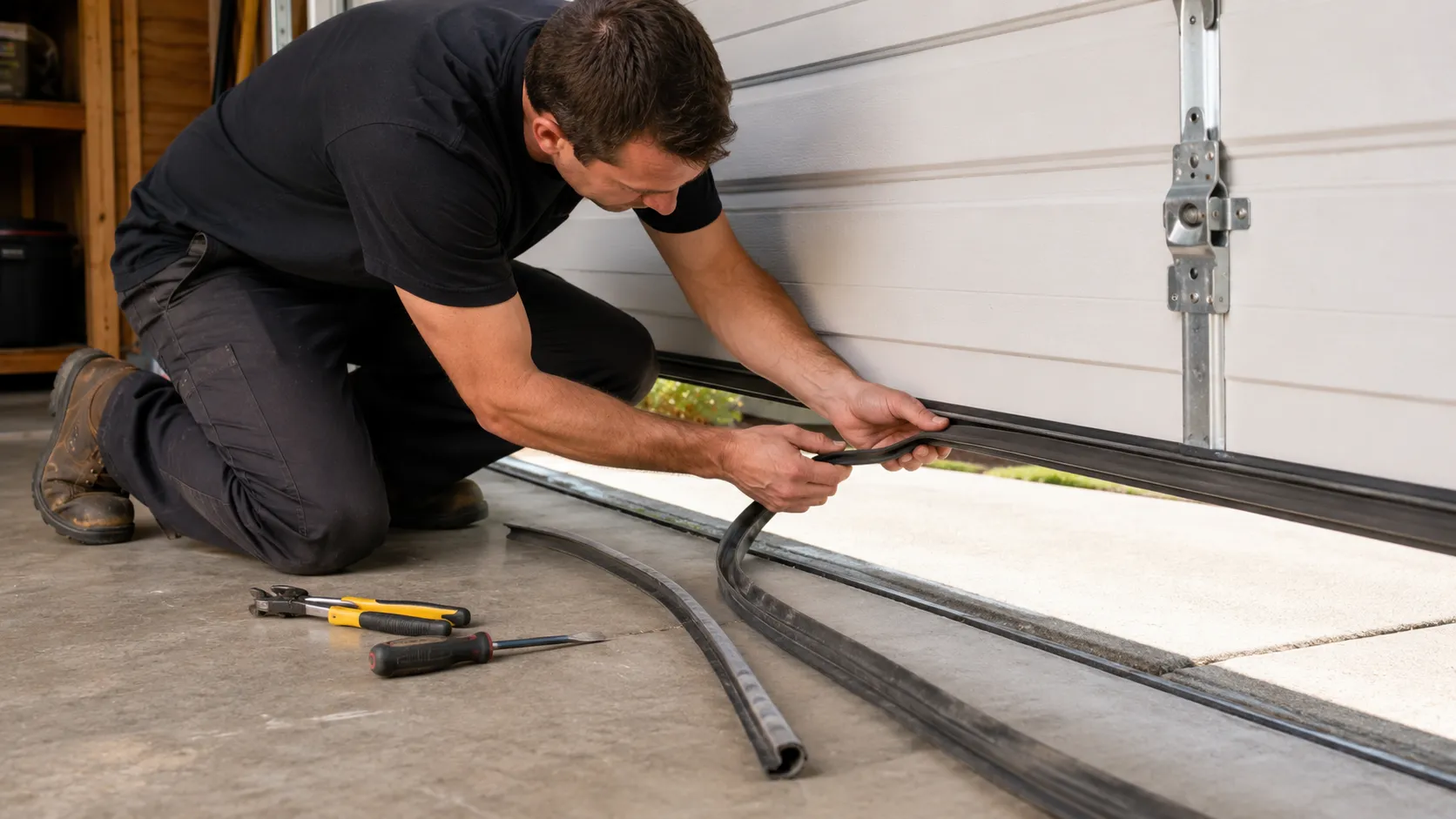
The climate here is the other half of the story. This is a cold-severe band, and a 2007-built door still has the same problem every insulated steel door has in a hard freeze: the weatherstrip at the bottom compresses, the seal takes a set, and the opener has to work harder to break the door loose from ice at the threshold on the coldest mornings. On a wider double door, that extra resistance shows up as a spring that fatigues sooner than it would on a smaller single door. We see more broken torsion springs on double-wide doors from this build era than on anything else in the area.
None of this is a Frederick-specific defect - it's just what a wide, insulated, 2007-vintage door does under a Front Range winter, year after year.
Stocked Parts
Because the housing here clusters so tightly around 2007, the doors and openers are close enough in age and spec that we carry the parts that fit them on the truck rather than ordering them after we've already diagnosed the problem. That's torsion springs sized for wider double-car openings, standard-lift cable, and the roller and hinge sets that match steel sectional panels of that vintage.
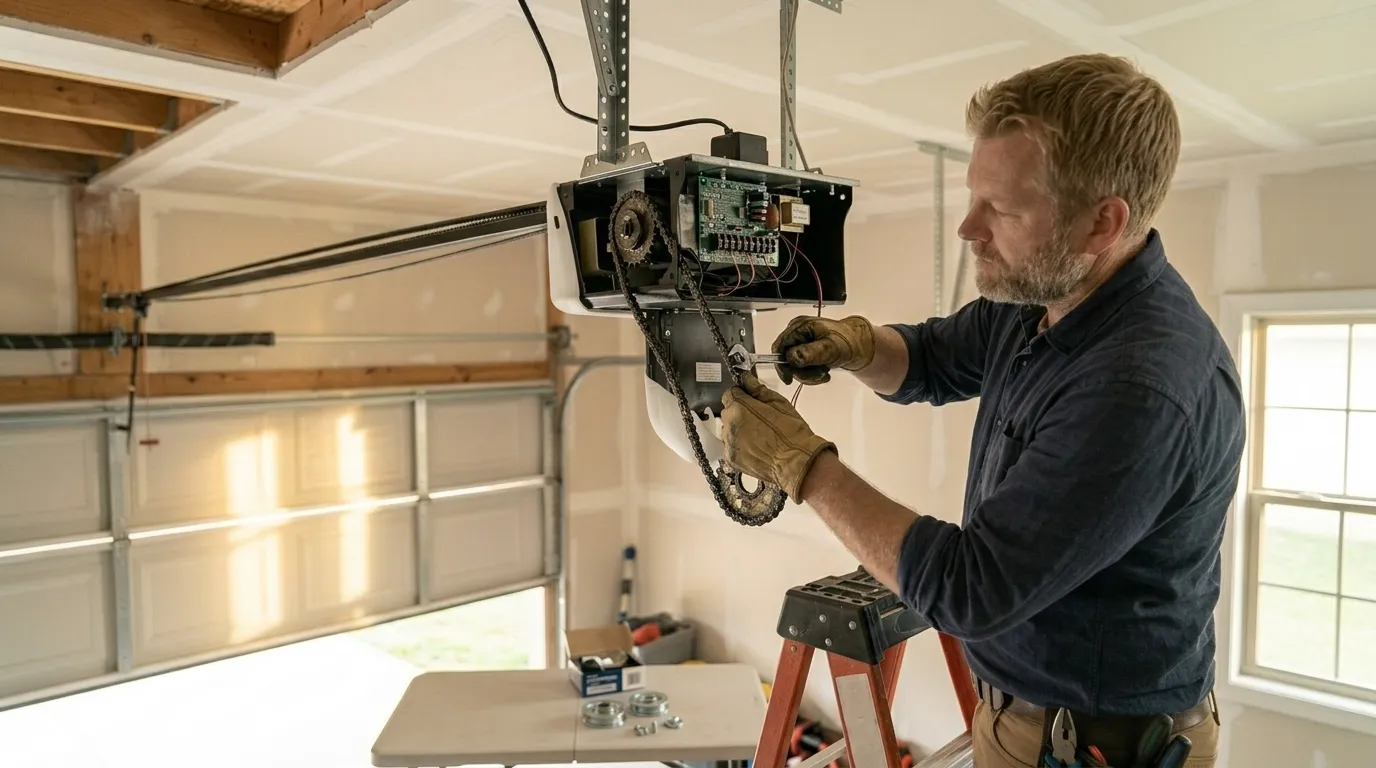
Openers from that build era are mostly chain or belt-drive units on a standard header mount, and we stock the drive gears, sprockets, and safety sensor pairs that fail most often on units that age. What we don't stock is anything custom - a door that's been modified with an odd track configuration or a non-standard panel replacement from a prior repair sometimes needs a special order, and we'll tell you that on site rather than after the fact.
The honest limit here: if your house is one of the older outliers rather than the 2007-era norm, we may need to order a part rather than have it on hand, and that adds a day or two.
The DIY Question
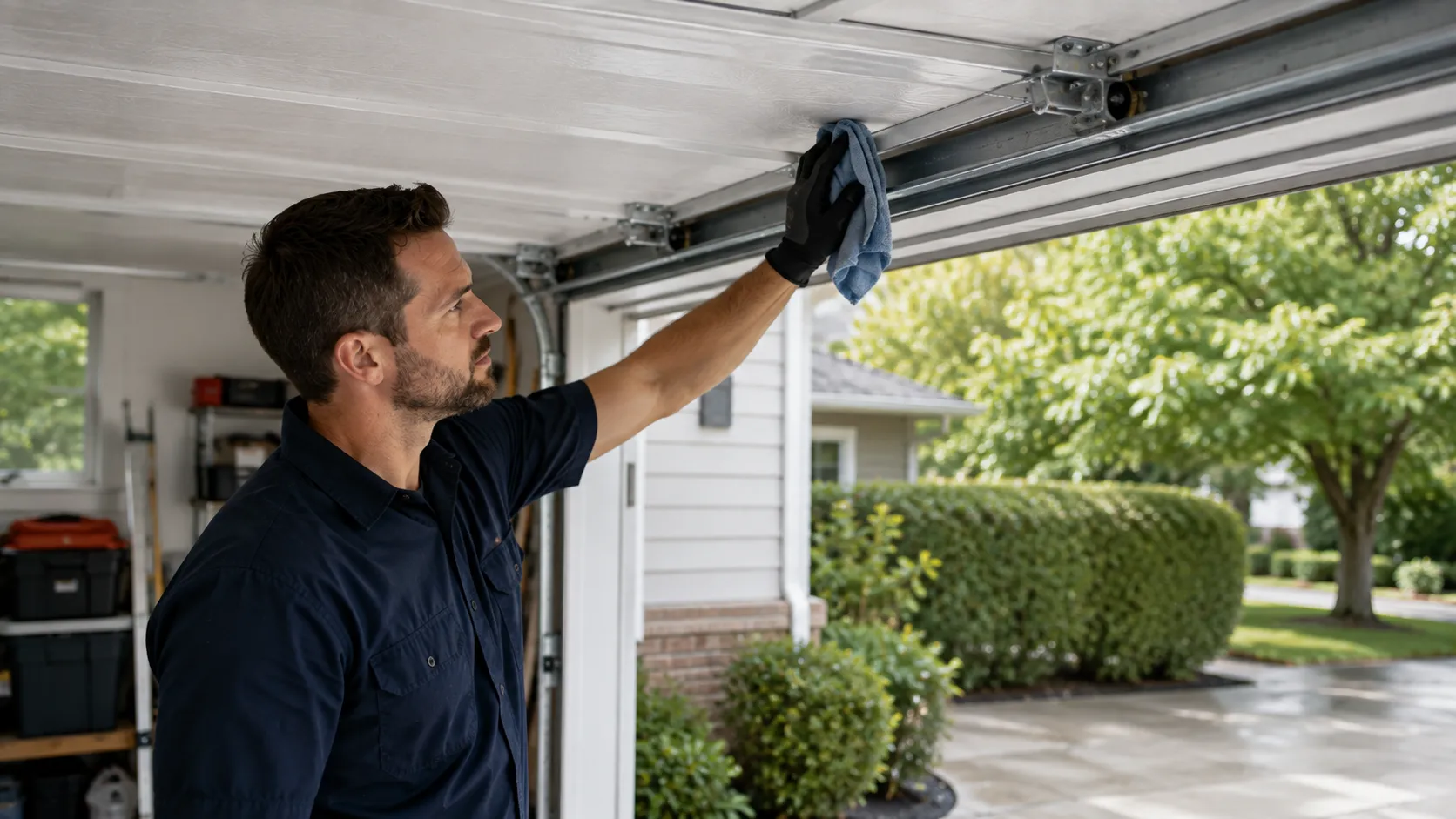
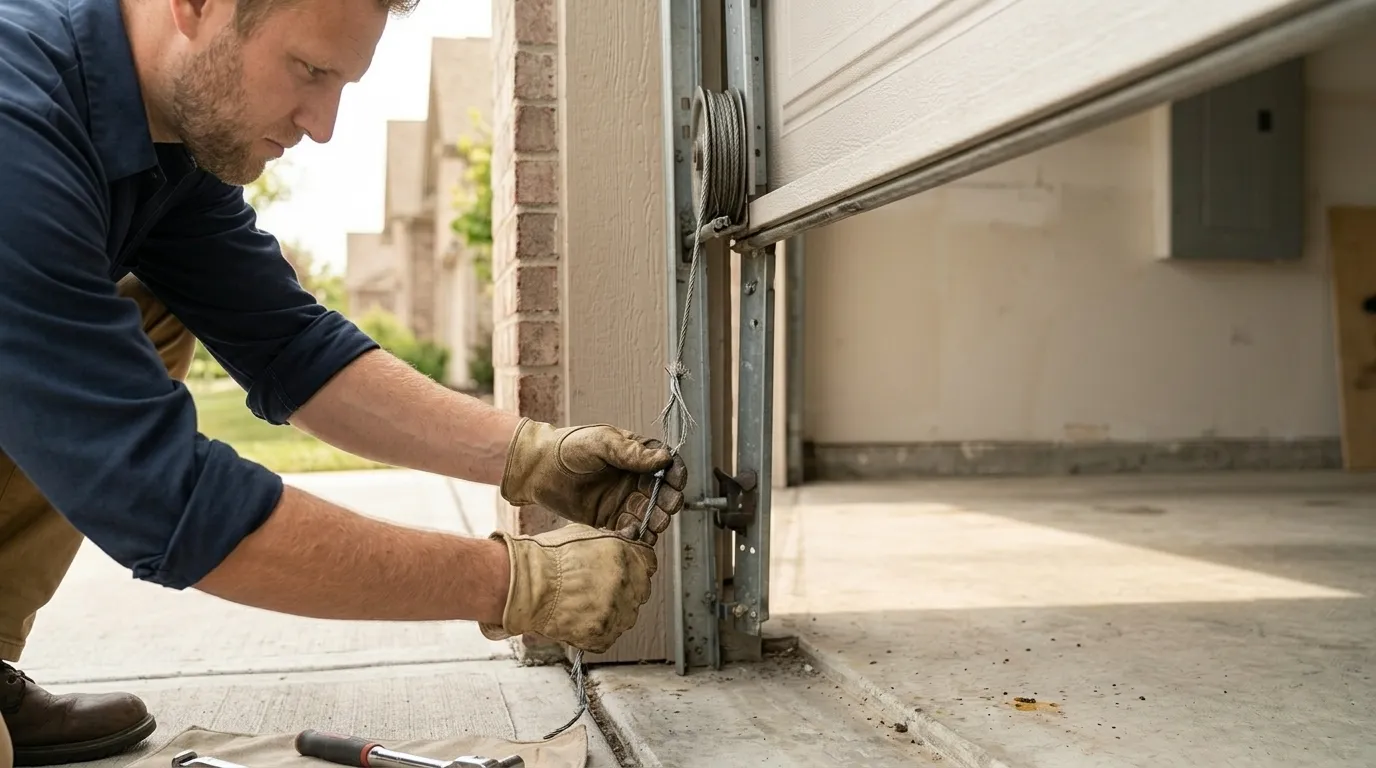
A torsion spring on a wide double door is under enough tension to do real damage if it lets go while you're working on it, and that's true regardless of how handy you are - this isn't a job we'd talk you through over the phone. Swapping a roller, tightening a loose bracket, or clearing debris from the track is reasonable weekend work if you're comfortable with a ladder.
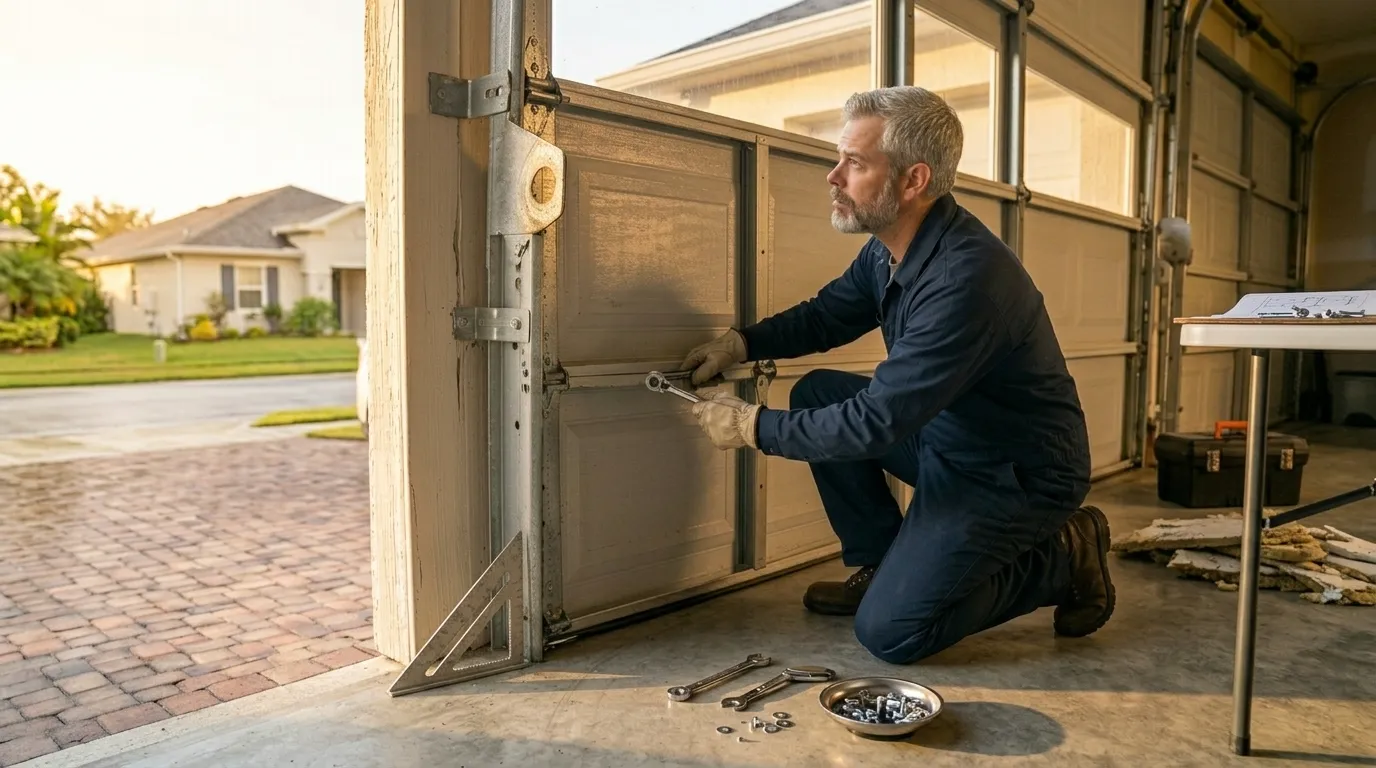
Where we'd tell you to stop and call: anything involving the spring itself, the cables, or the opener's internal gearing. On a heavier insulated double door, the stored energy in a torsion spring is significant, and a slipped winding bar has put people in the hospital. If the door is sagging on one side or the opener is straining and reversing, that's a spring or track problem, not a lubrication problem, and grease won't fix it.
Booking a Visit
We're based in Longmont, about 8 miles from Frederick, and we run out to this side of the service area on a normal route rather than treating it as a special trip. Frederick sits among 5,454 households with a median income of $135,316, and the newer housing stock here tends to mean fewer surprise repairs and more predictable parts - wider doors, standard hardware, straightforward fixes once we're on site.
Tell us the door size, whether it's single or double, and roughly what year the house was built when you call, and we'll come with the right spring and cable already on the truck. See our Frederick service page for what else we cover in this area, or check the Longmont repair page for how we handle the same work closer to home.