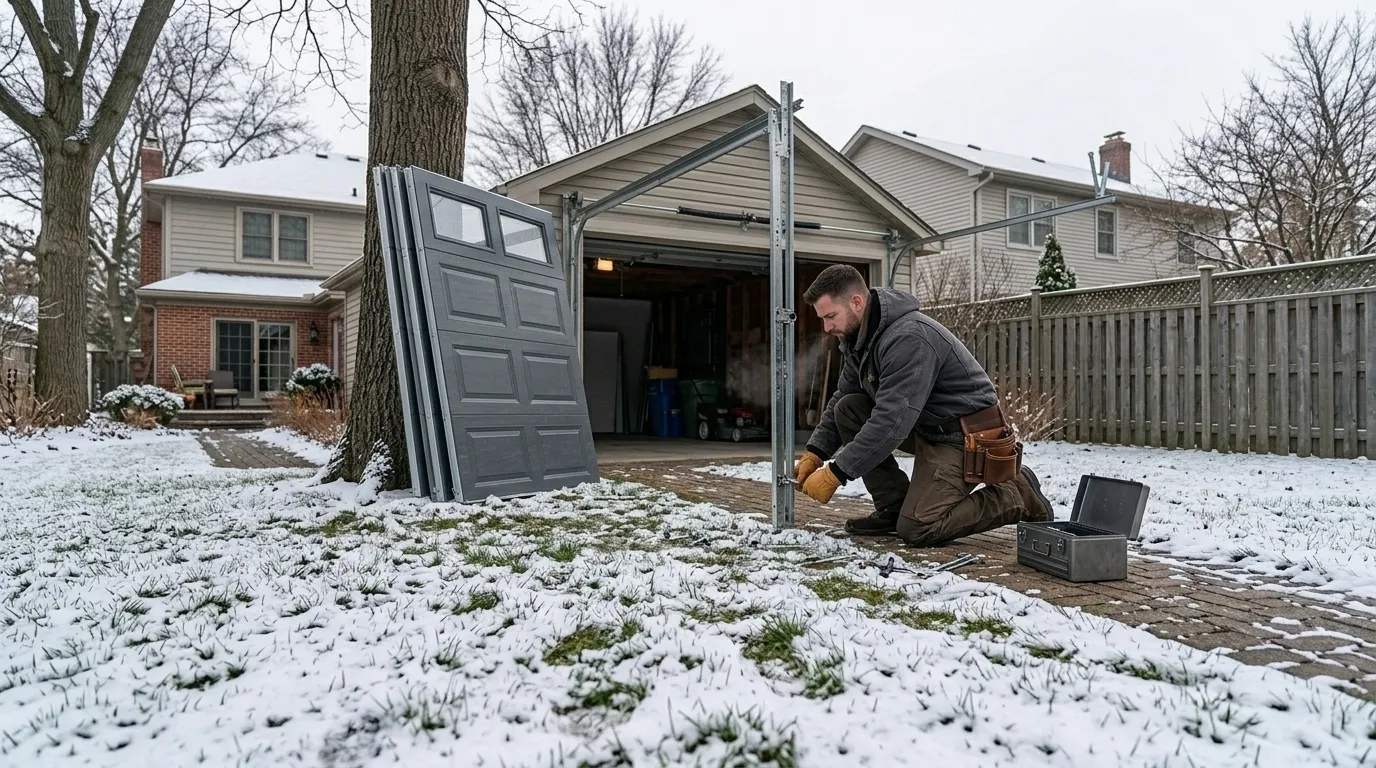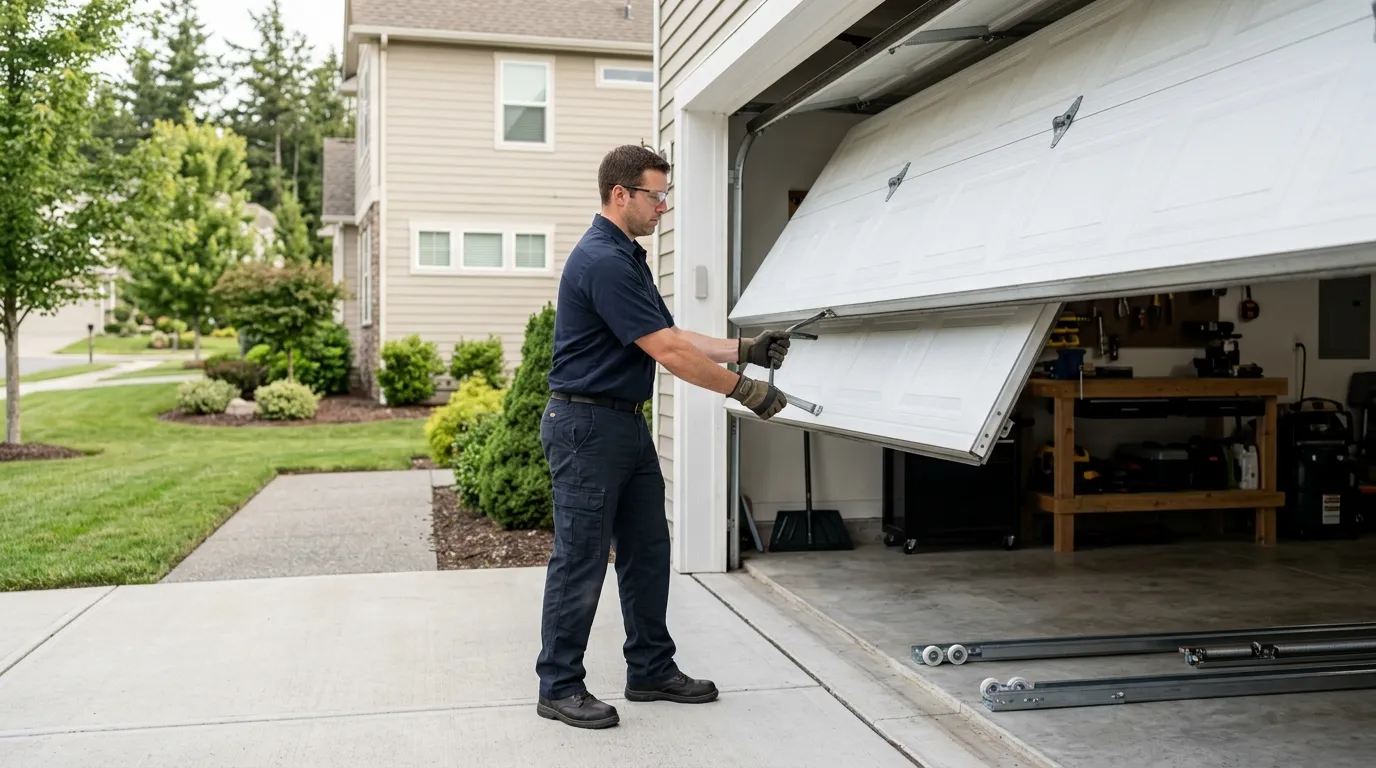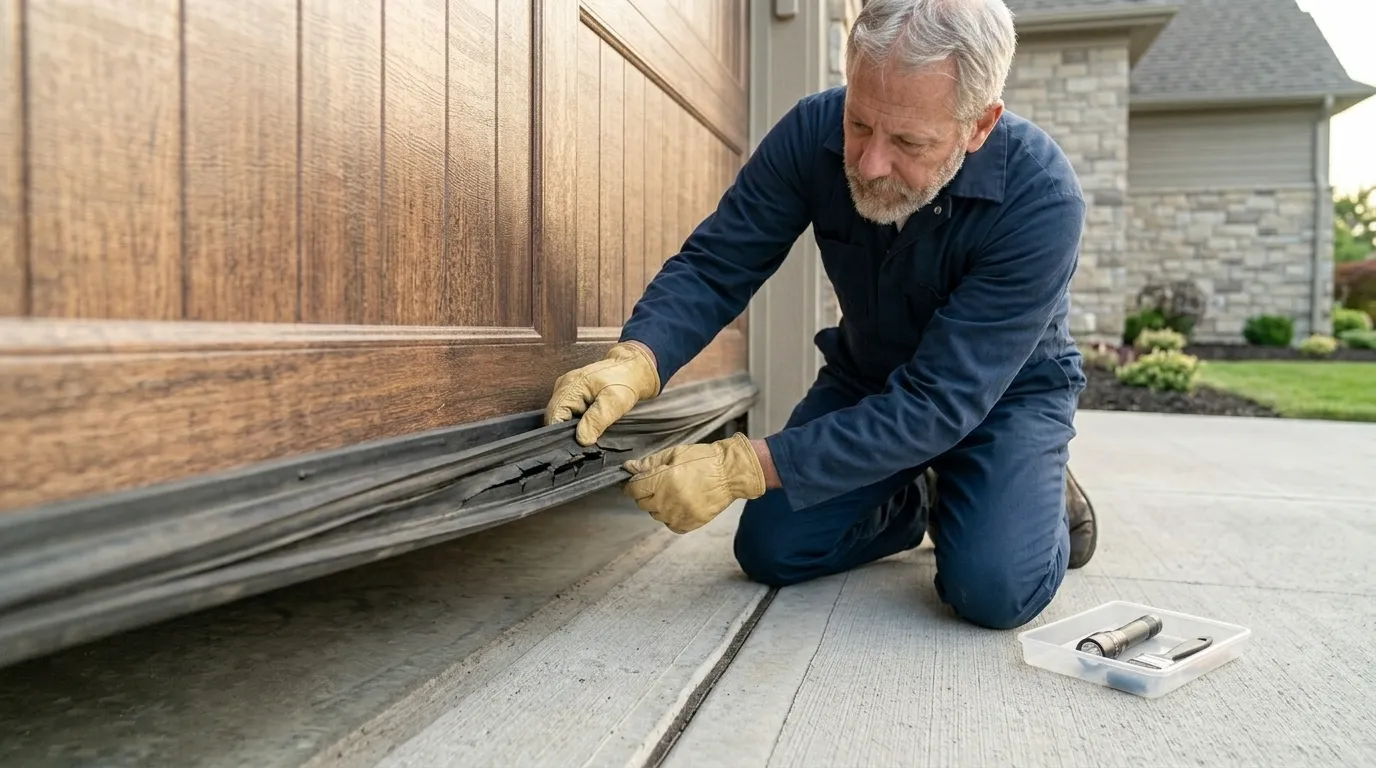
What the Repair Takes
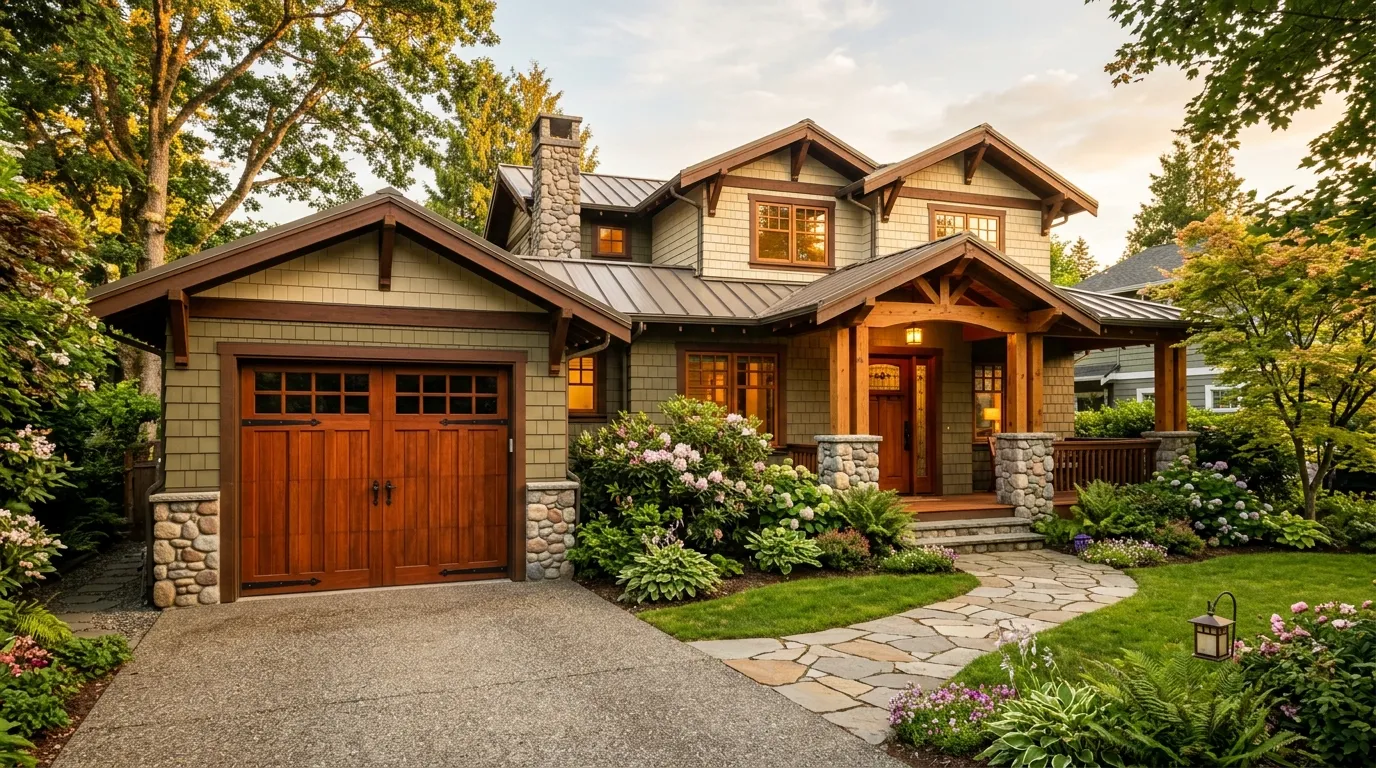
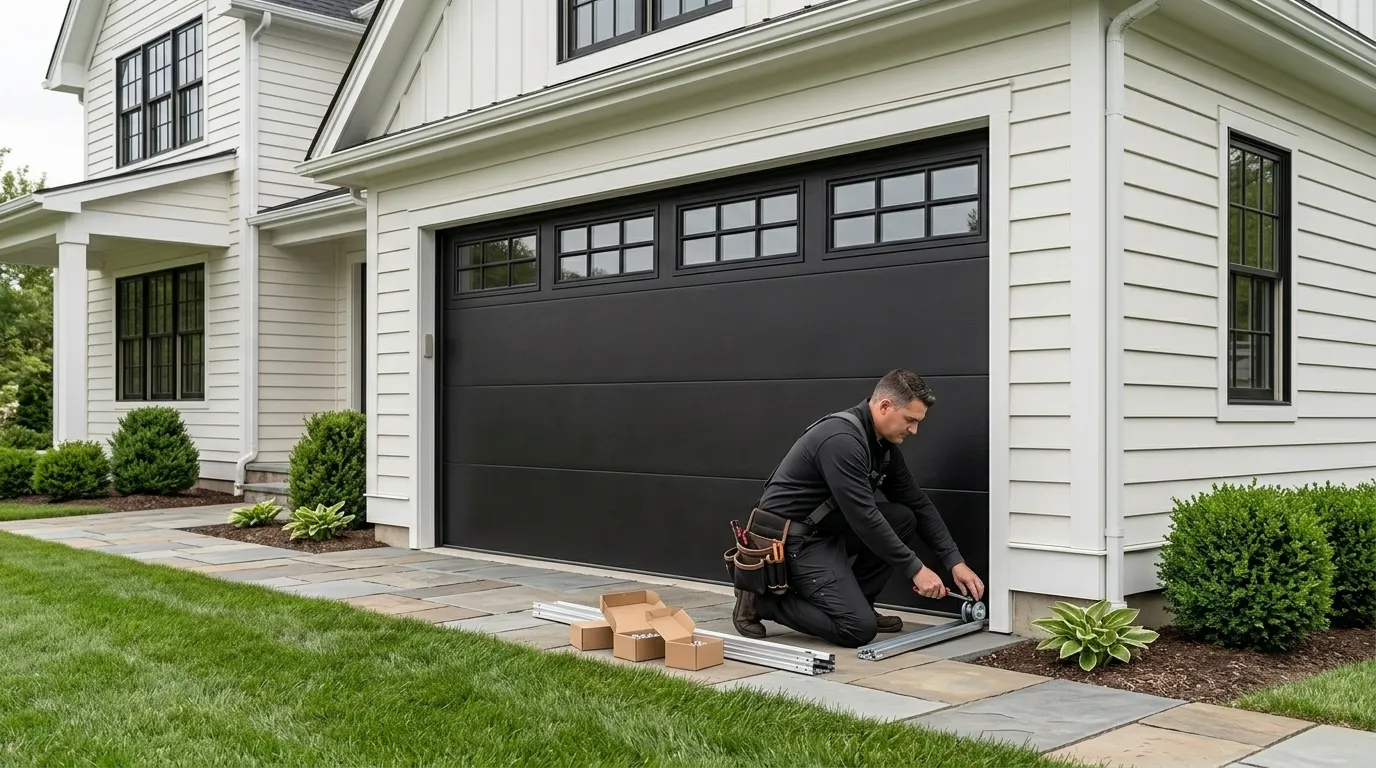
Erie is a smaller town, around 11,101 households, so the calls we get aren't spread across generations of housing stock the way they are in older parts of the service area. Most of what we see here is 2000s-built product: steel sectional doors, factory-set torsion springs sized for a lighter panel, and openers with circuit boards instead of the older mechanical limit switches. That's good news for repair speed most of the time. Newer track and hardware means fewer seized bolts and less rust to fight through before you even get to the actual problem.
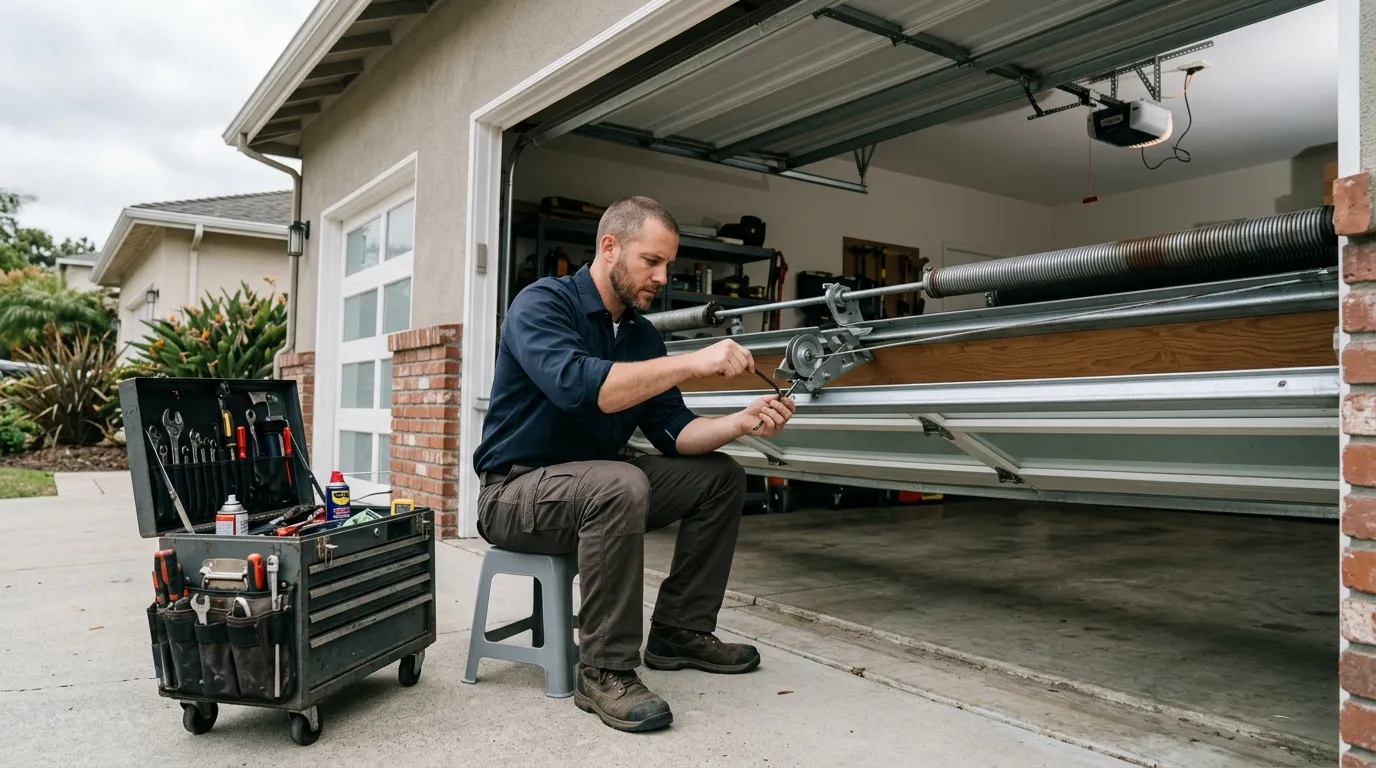
What it doesn't mean is that nothing breaks. A torsion spring rated for 10,000 cycles still wears out on a house built in 2005 just like it does on a house built in 1965 - it just took longer to get there, and a lot of Erie's homes are hitting that mileage now. We're also seeing more electronic opener failures than pure hardware failures, since that's what the housing stock here runs. When we come out, we bring parts sized for that generation of door, not a mixed bag for whatever decade shows up.
Booking a Visit
We run this call from Longmont, about 10 miles out, so there's no local branch or drop-in counter in Erie itself. You call, we ask what the door is doing (or not doing), and we schedule the drive. Because the distance is fixed and known, we're not guessing at travel time the way you might with a company working out of a farther town in the area.
Have the basics ready when you call: whether the door is a single or double, roughly how old the house is if you know it, and whether the opener still has power. Those three things tell us most of what we need to load the truck correctly before we leave Longmont, which cuts down on a second trip for a part we didn't know to bring.
What You Are Seeing
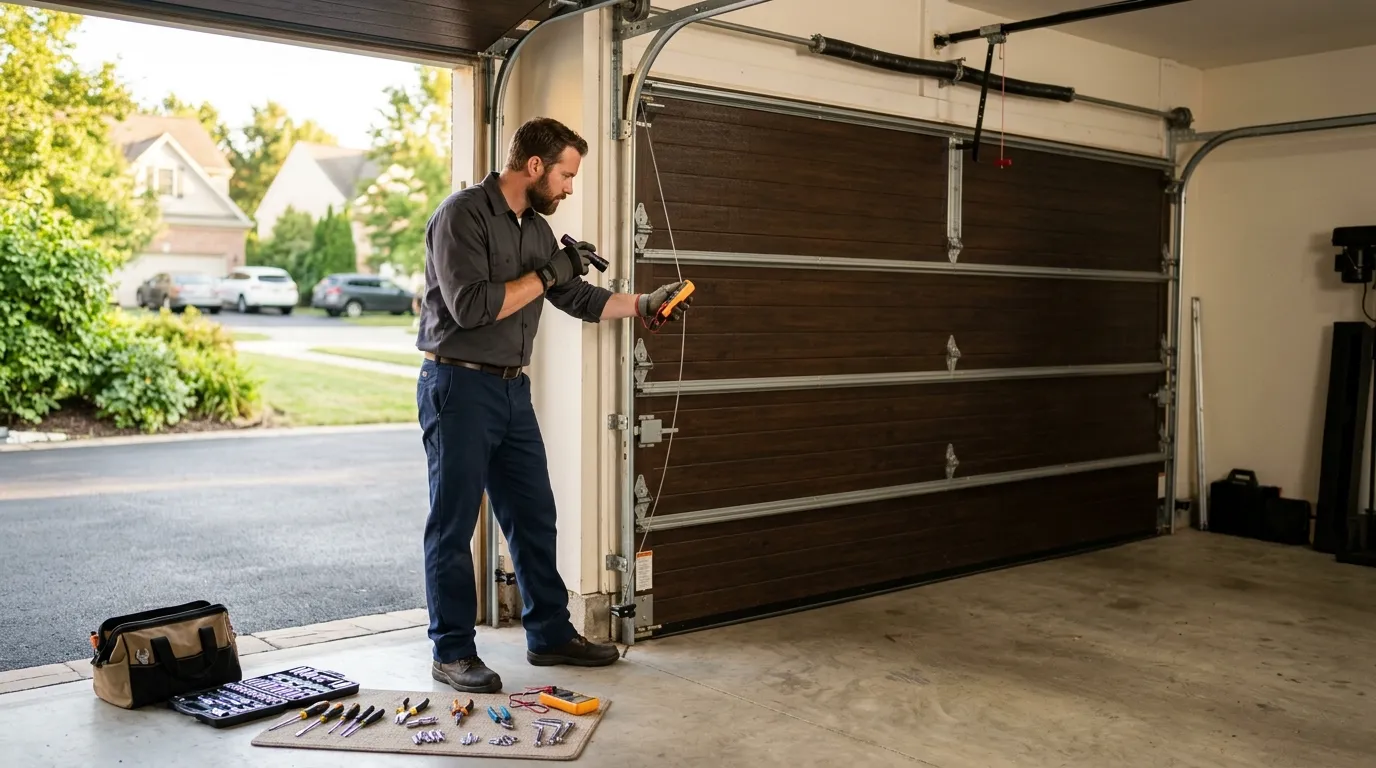
With a housing stock built mostly since 2000, the failures we get called out for in Erie skew toward wear-and-tear on newer components rather than the fatigue and rust you see in 1970s and 80s stock elsewhere in the service area. A door that suddenly won't respond to the remote but still moves on the wall button usually points to a logic board or sensor issue, not a spring. A door that's heavy to lift by hand and the opener strains before quitting is almost always the torsion spring, even on a house that's only 15 or 20 years old - springs don't care how new the house is, only how many cycles they've run.
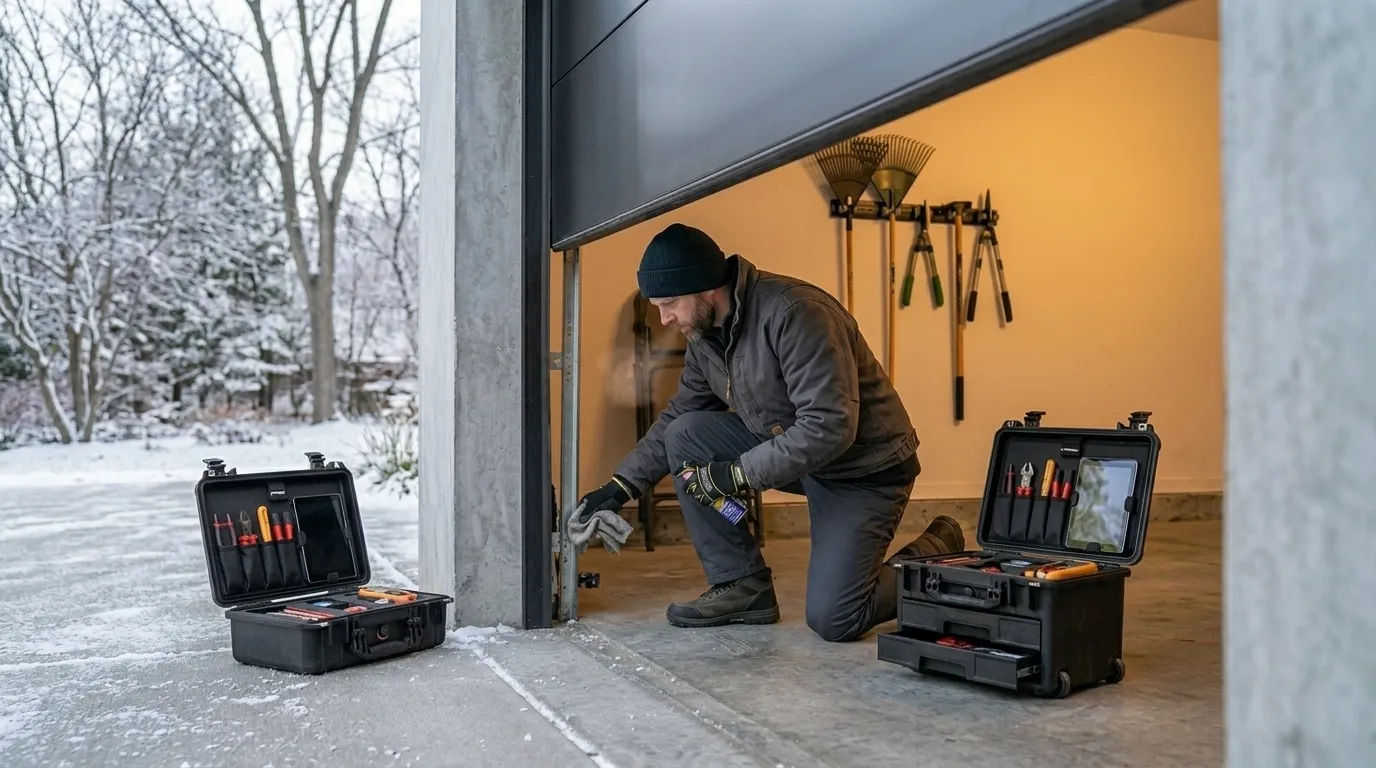
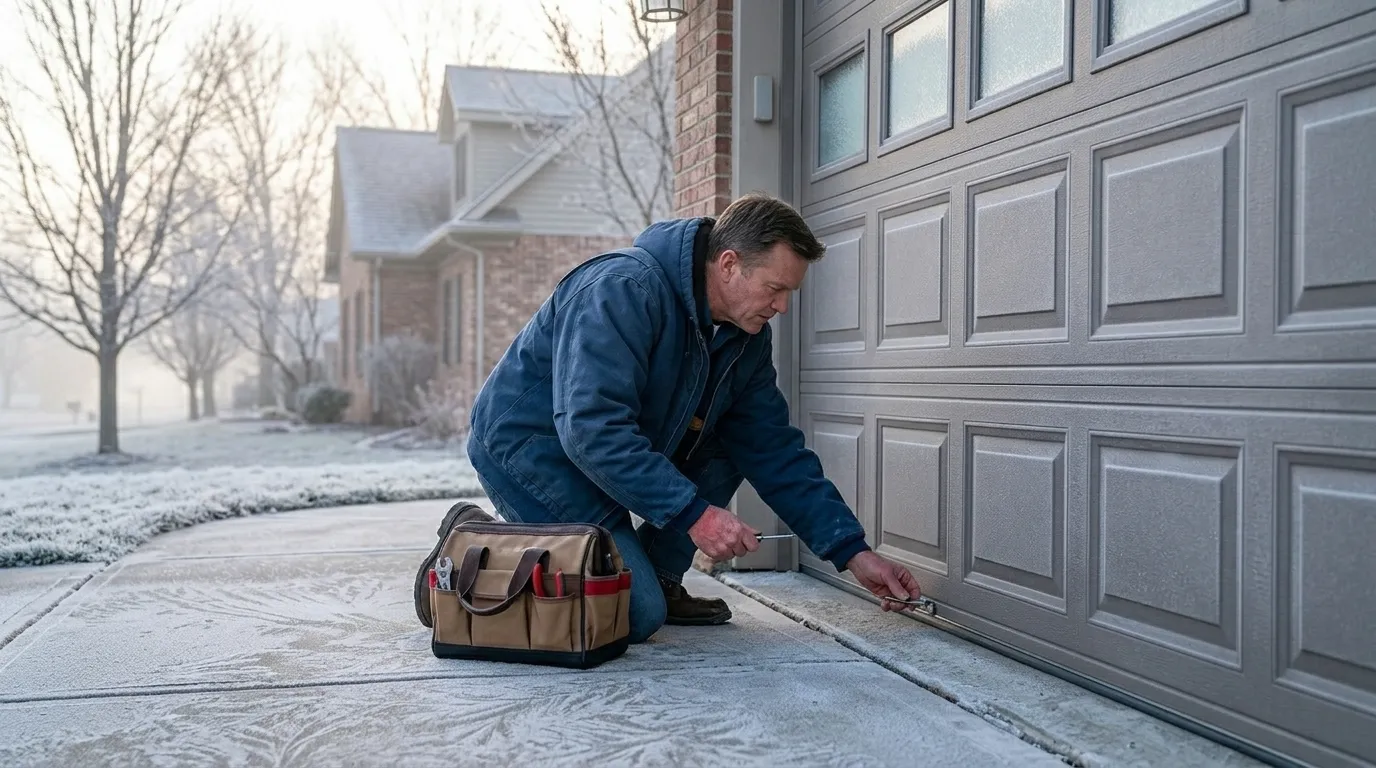
Erie's winters matter here too. This is a cold-climate service area, and newer insulated doors handle that better than older uninsulated panels, but cold still stiffens grease in rollers and tightens tolerances in track alignment. If a newer door starts binding only in the cold months, that's usually track alignment, not a part that's actually broken.
The DIY Question
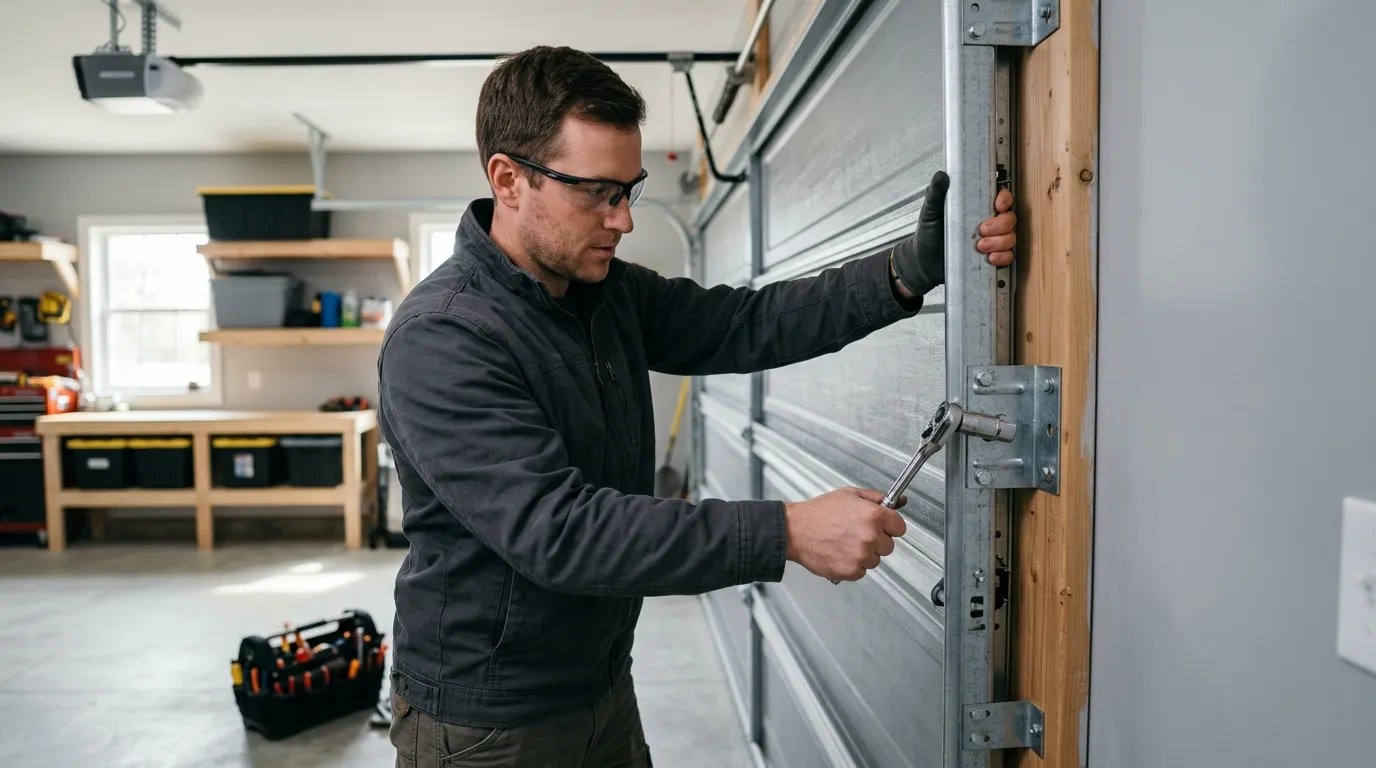
Some of what shows up on a 2000s-built door is safe to check yourself: reprogramming a remote, replacing sensor eyes, clearing a track of debris, tightening loose hinge bolts. None of that requires a call.
Torsion springs are the one thing we'll say outright - don't. They're wound under enough tension to cause serious injury, and that's true whether the door was built in 1975 or 2007. If your door is heavy, won't stay open, or the spring is visibly separated, that's a call, not a weekend project. We'd rather tell you that plainly than have you find out the hard way. For anything else, if you want to look at the door before deciding whether it's worth the drive out from Longmont, our Erie garage doors page covers what we install and service here, and our Longmont repair page covers the broader service area.