
What the Repair Takes
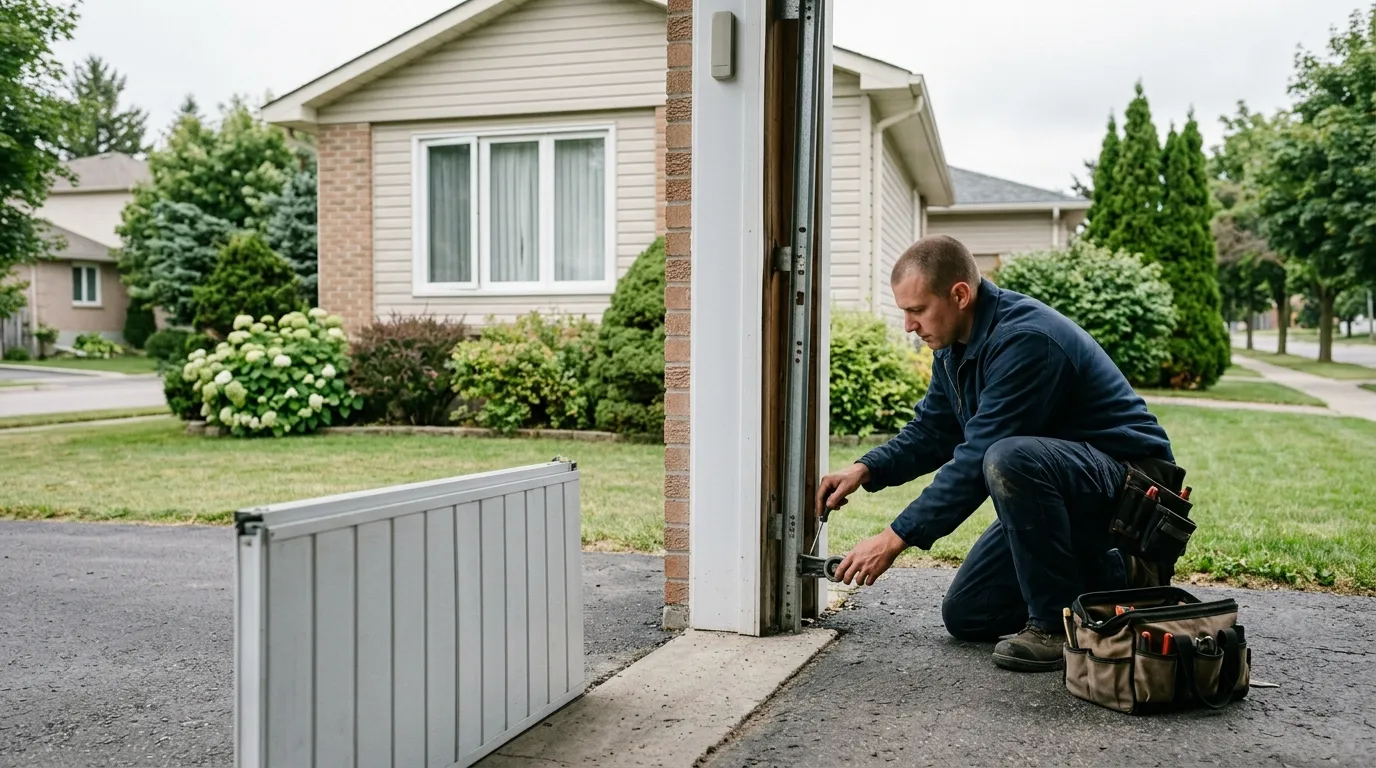
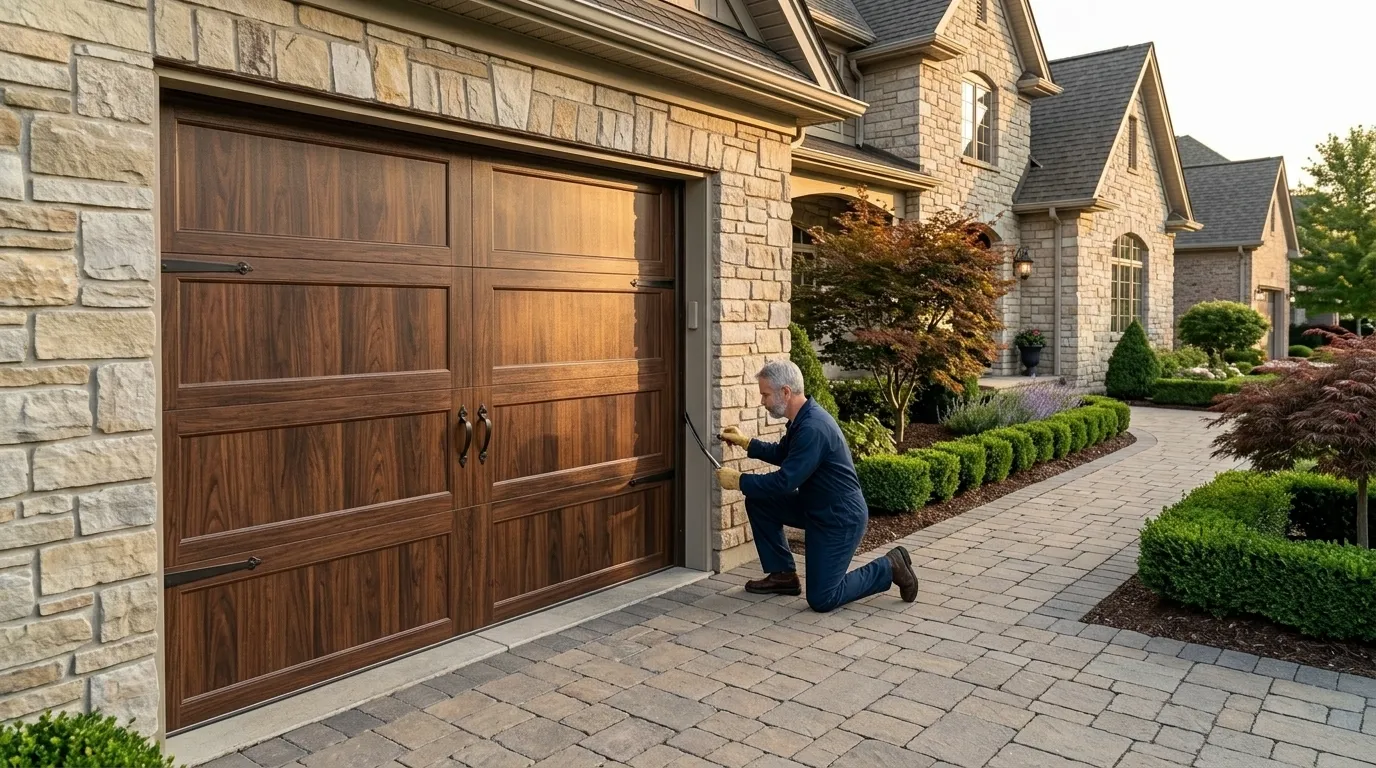
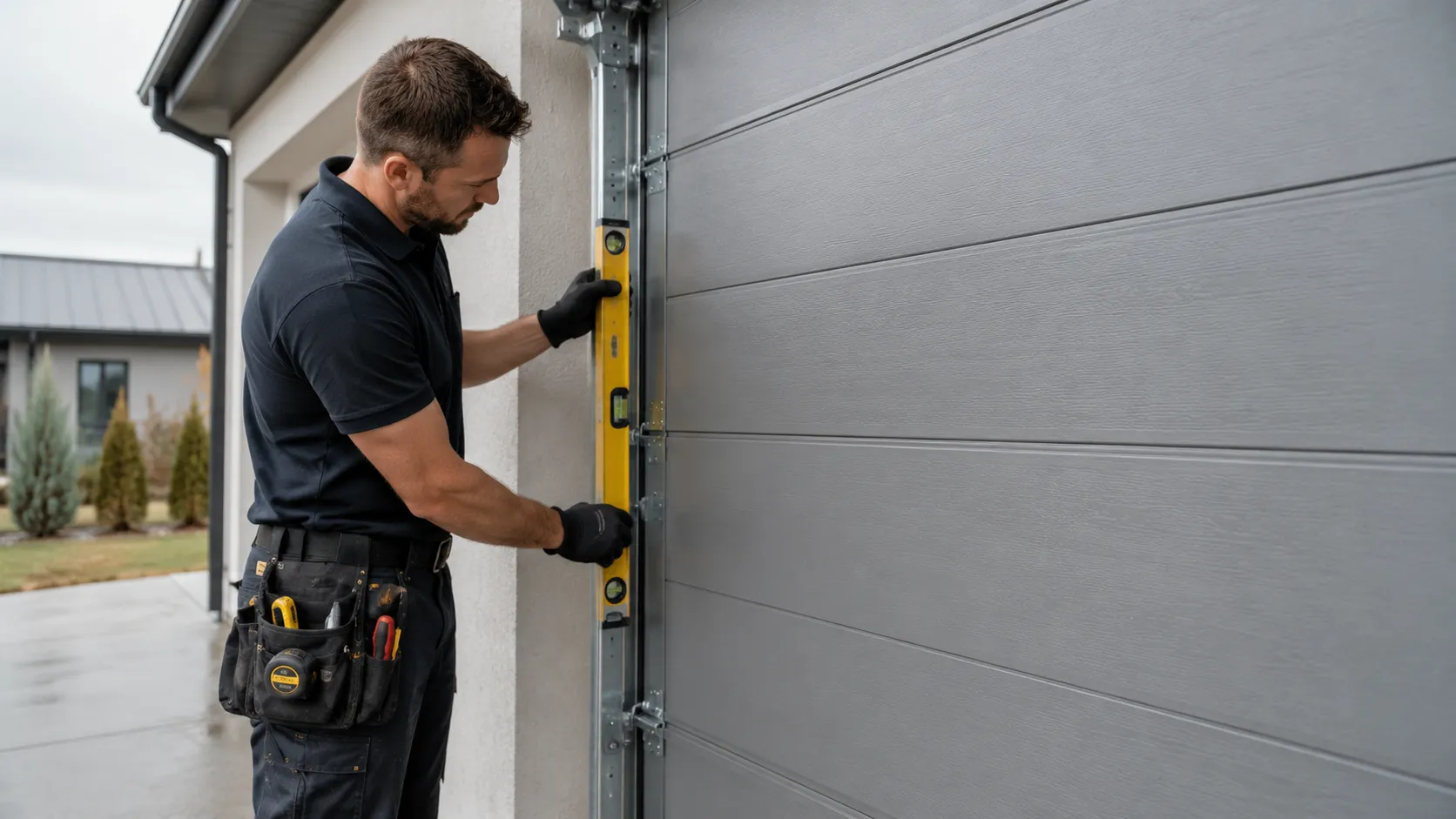
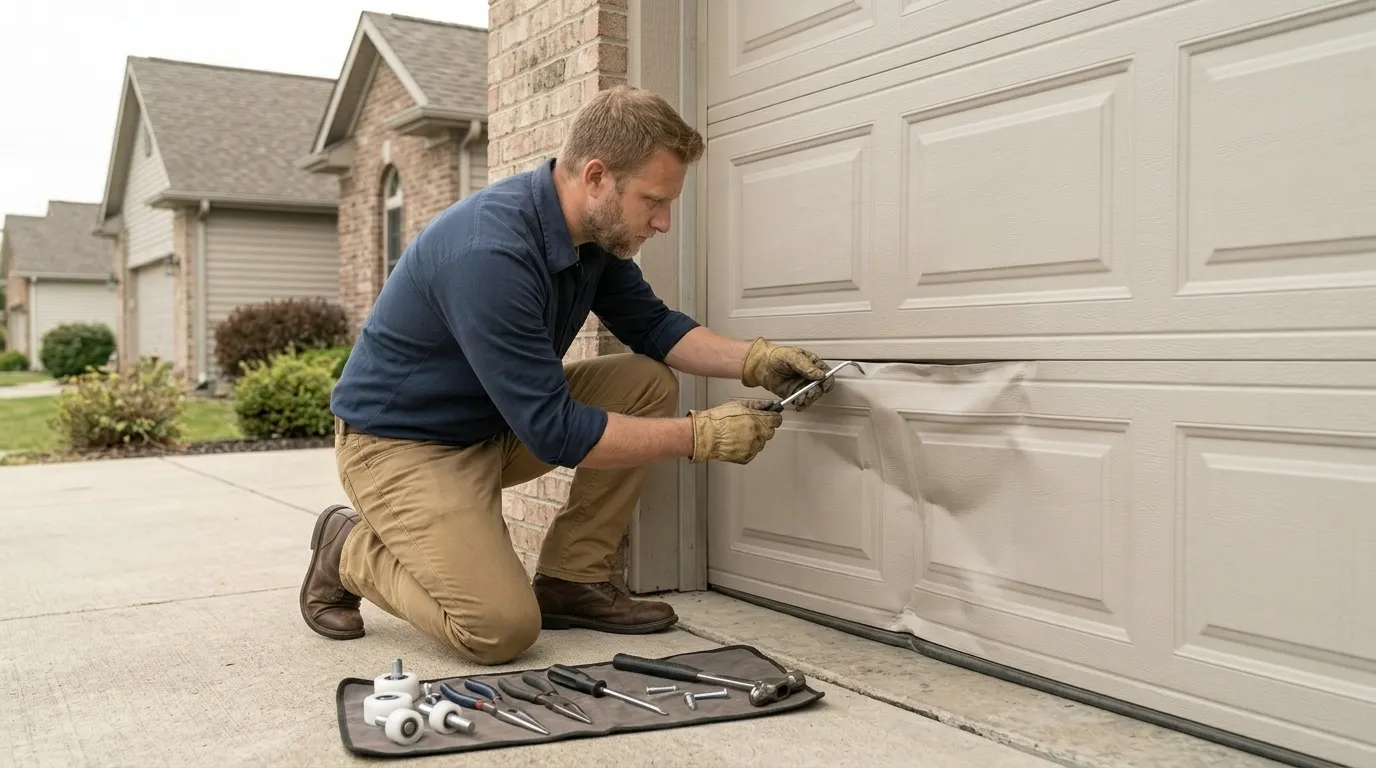
Most houses in Erie went up around 2007, which puts them well past the steel-roller era. Builders on these newer runs used stock 7-roller or 10-roller nylon sets on both single and double doors, sized for a door that's still light on its hinges and hasn't sagged yet. The rollers themselves are the cheap part of the build - they're rated for a warm garage and moderate use, and this area sits in a cold-severe climate band, so the nylon gets brittle faster than the sales sheet implies. A full roller swap on a double door usually means pulling both tracks, checking the hinges for elongated holes (common on doors this age once the rollers start binding), and setting new steel-stem nylon rollers with sealed bearings. If a hinge is stretched out, we replace it in the same visit rather than bolt new rollers to worn metal - that's the part that actually causes the noise to come back in six months.
Booking a Visit
We run out of Longmont, about 10 miles from Erie, and we book the visit around when your door needs it, not around a storefront in town. There's no branch office here and we're not pretending otherwise - the truck comes from Longmont, and that's baked into how we schedule the day. Erie's household income runs high for the area we cover, at a median around $163,644, and we see that reflected in what people ask for: full roller sets with sealed bearings and a hinge check, not the cheapest patch that gets you through the season. Tell us the noise, the door's approximate age, and whether it's single or double - that's enough to load the right rollers on the truck before we're on the road.
What You Are Seeing
On a 2007-era door, the telltale sign is a rhythmic squeal or grind on the way up or down, worse in cold weather - the nylon has stiffened and it's dragging in the track instead of rolling smoothly. You might also see a jerky start, where the door hesitates for a beat before it moves, which usually means a roller has flattened on one side. With around 11,101 households in this area and most of the housing stock at a similar age, this is a common enough call that we're not guessing at the diagnosis sight unseen - it's almost always the stock nylon rollers reaching the end of what a cold-severe winter asks of them. What's less common on doors this age is a broken cable or spring; those usually show up later, once the door's put in more years than this stock has.
The DIY Question
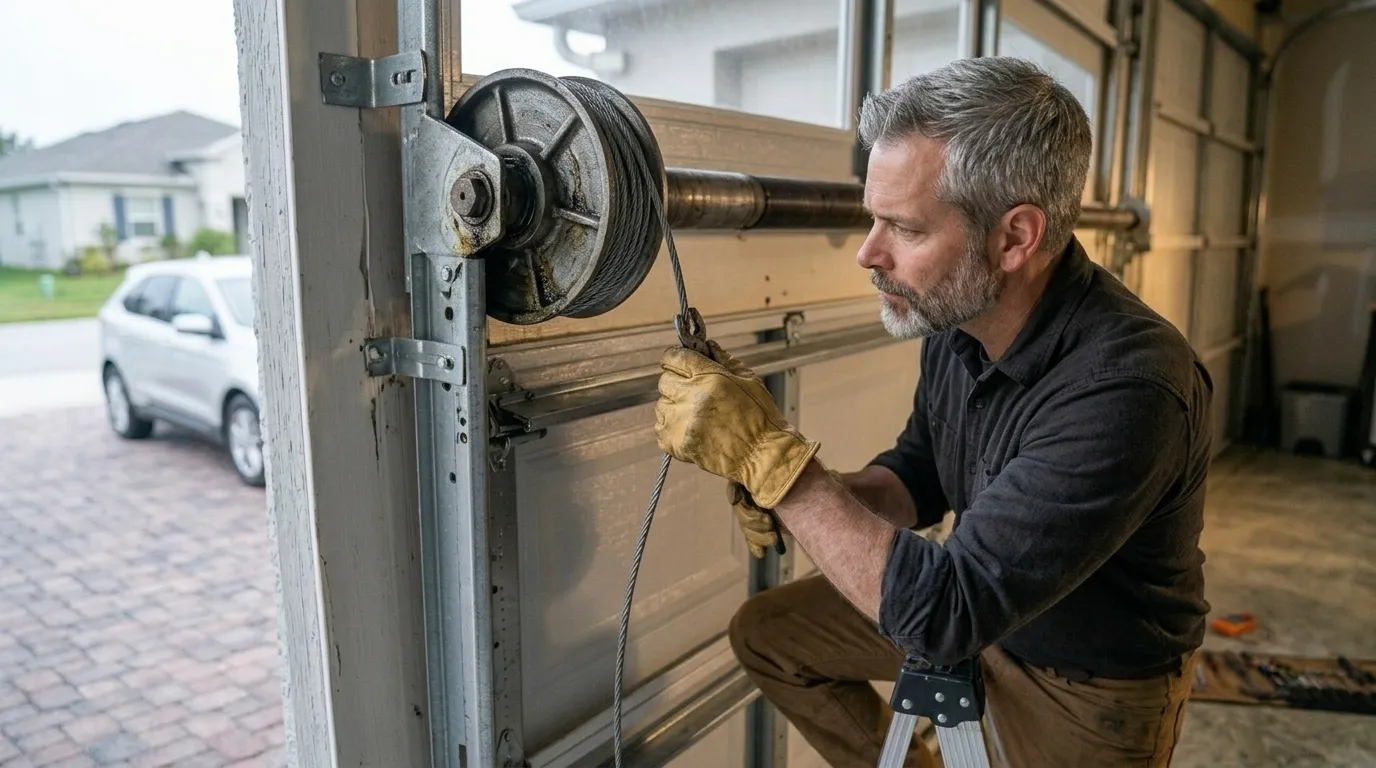
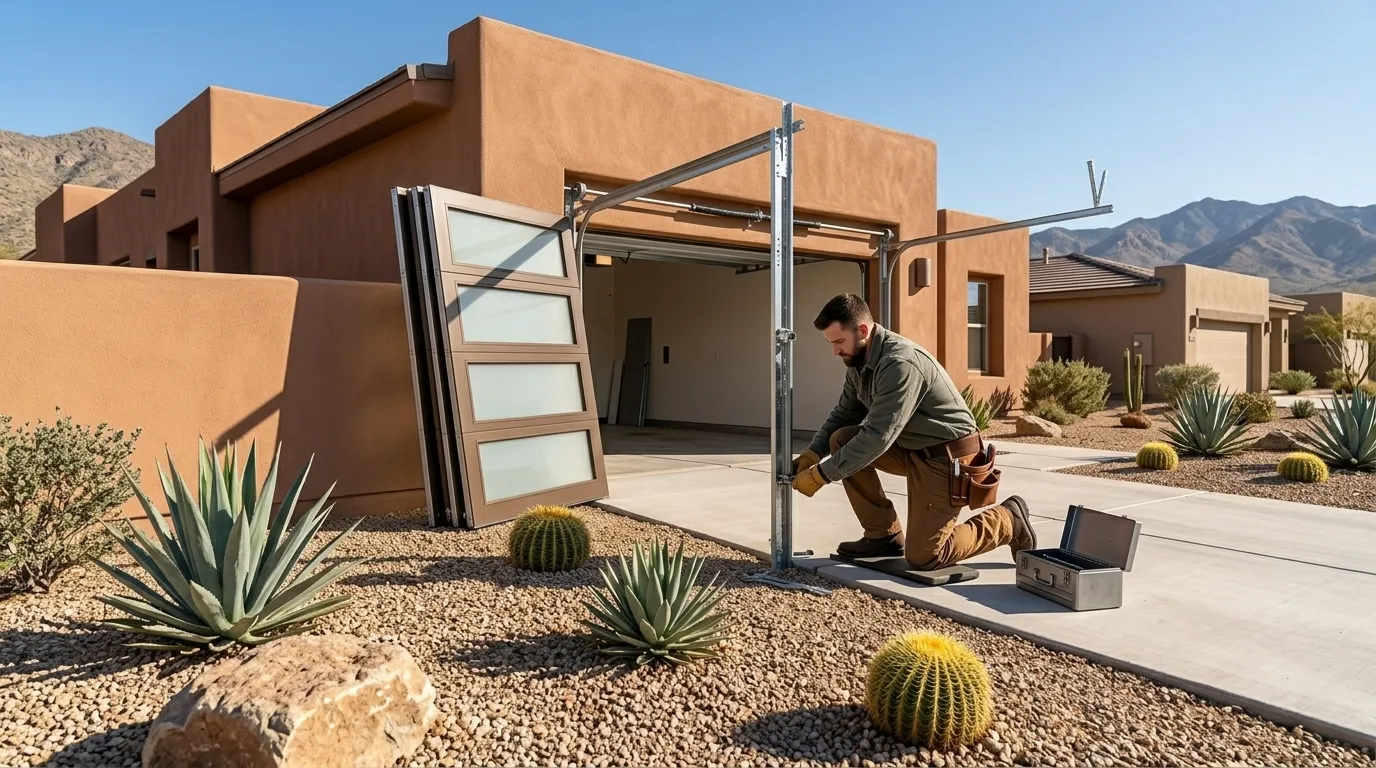
Swapping a roller yourself isn't unreasonable on a door this age - the tracks aren't rusted through and the hardware is straightforward if you've got the right roller size and a winding bar you actually know how to use. Where we'd stop you is the bottom roller nearest a torsion spring under tension, or any roller on a door where a hinge is already bent - forcing a new roller into a warped hinge just strips the bolt hole faster. If you're swapping one roller on a door that otherwise runs quiet, that's a reasonable weekend job. If the whole set is grinding, or the door came off Erie's more recent builds with a heavier insulated panel, get it looked at before you start pulling tracks apart.