Why It Happens Here
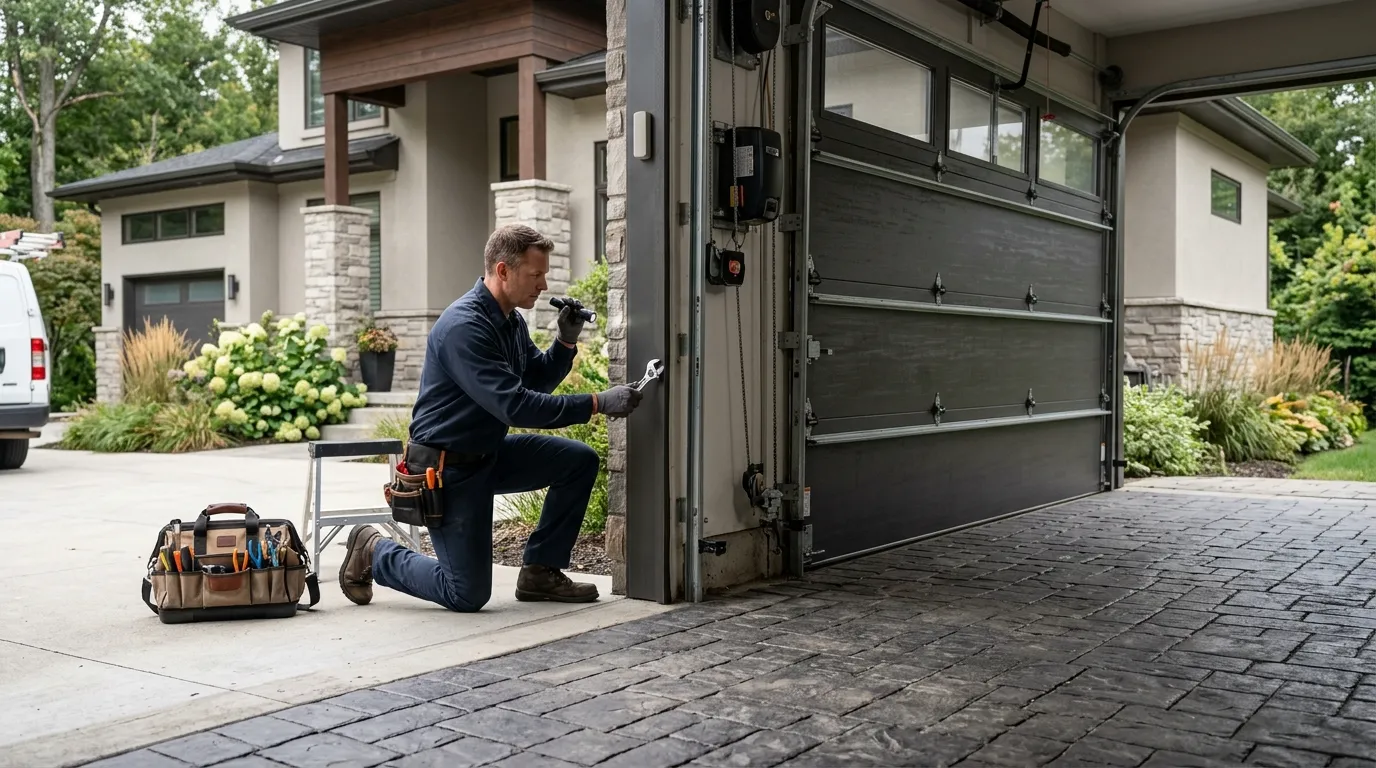
The fault we see most on Firestone's commercial doors isn't a stuck panel - it's a logic board or a jackshaft opener that's stopped talking to itself. That's because most of the commercial stock out here isn't old. Firestone's housing stock has a median build year of 2007, and the light industrial and retail strips that grew up alongside those subdivisions followed the same timeline. That means fewer chain-hoist openers bolted to plywood headers, and a lot more jackshaft units mounted beside wide sectional doors - the setup builders favored once they started running higher-cycle doors for warehouse bays and loading docks.
A jackshaft opener is a good piece of equipment, but it fails differently than the older chain-drive units a lot of repair techs still expect to see. The board that runs it takes the brunt of power surges and temperature swings, and once it starts throwing intermittent faults, the door doesn't jam - it just stops responding, sometimes mid-cycle with the door half up. On a commercial bay that's running multiple cycles a day, that failure point gets hit hard and fails sooner than a residential door doing two trips a day would.
What You Are Seeing
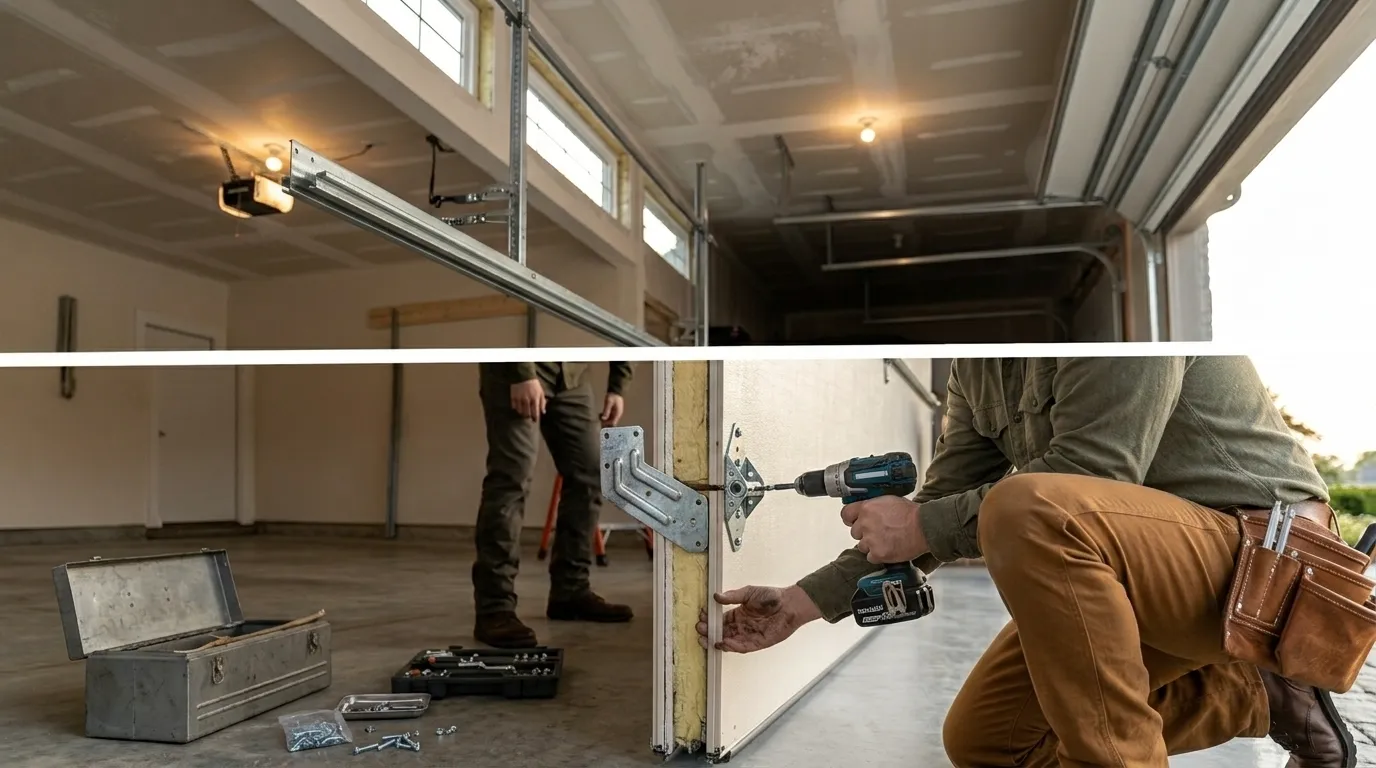
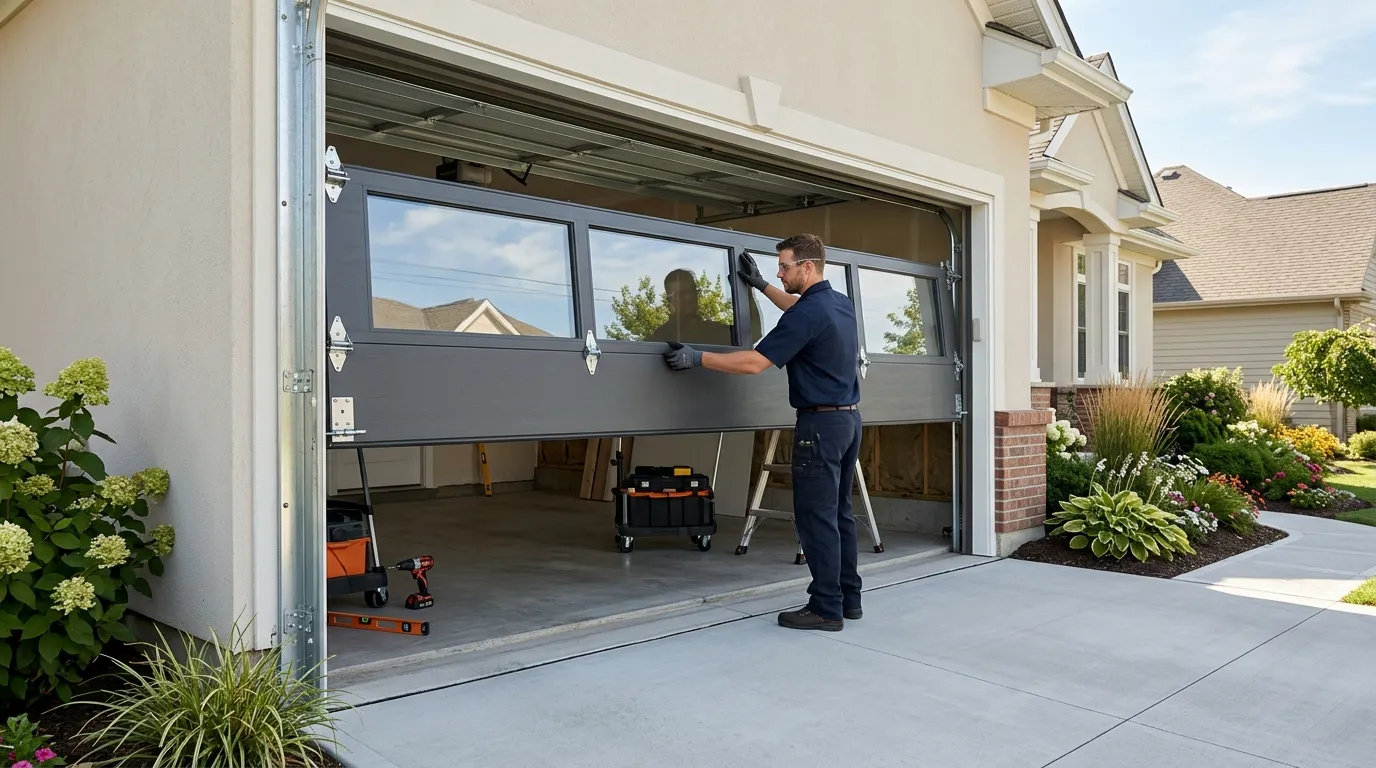
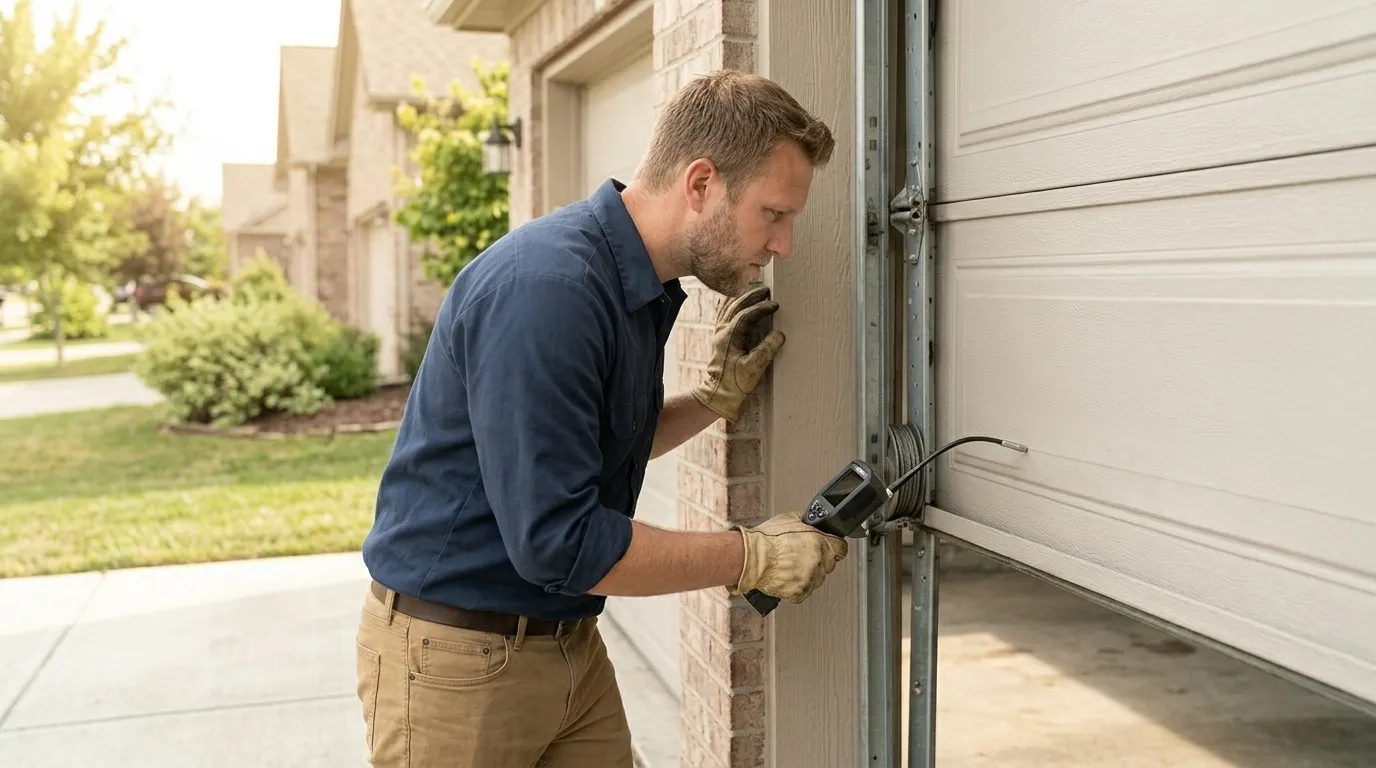
Most calls start the same way: the door won't respond to the wall station or the remote, but the motor hums or clicks. Sometimes there's a code light blinking on the opener head - that's the board telling you something specific, if you know how to read it. Other times the door moves but drifts to one side, which on a wide commercial sectional usually means one of the torsion springs on a multi-spring setup has lost tension while the other is still pulling full load.
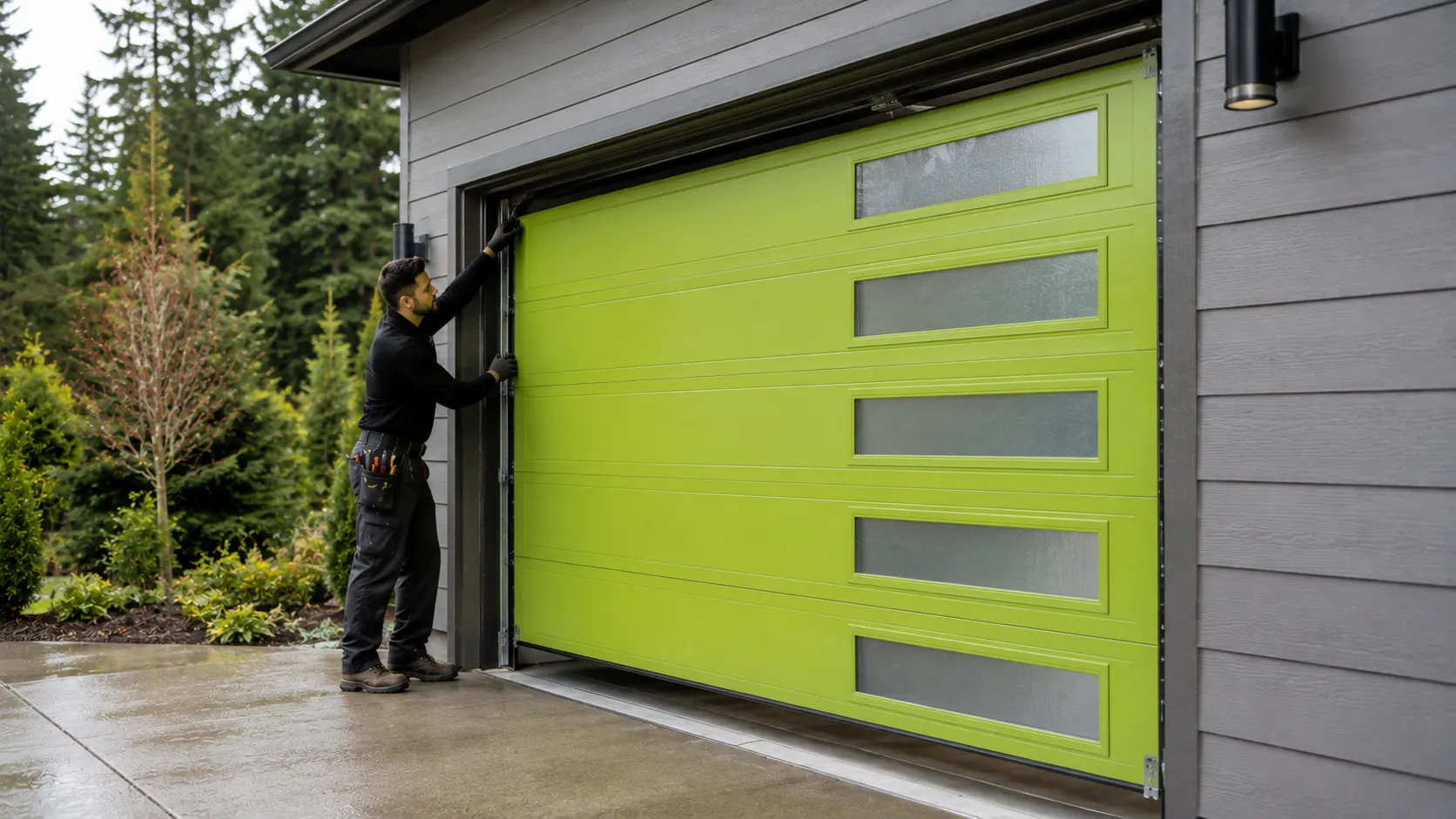
On newer jackshaft installs specifically, we also see travel limits drift out of calibration after a power outage or a hard reset, which makes the door stop short or over-travel and bang the floor. None of these are things a business can just wait out - a door stuck half-open on a loading dock is a security problem the same day it happens, not a maintenance item for next month.
How Long You Are Without the Door
We run this call from Longmont, about 8 miles south, so there's drive time built into any visit - we're not a branch sitting in Firestone, we're a truck coming to you. For a straightforward spring or board swap where we're carrying the part, that's usually a same-visit fix once we're on site. For an oversized commercial spring pair that needs ordering, plan on the door being down or locked in place until the part arrives, since we won't leave a loaded torsion spring under partial tension.
If the door is a safety or security issue in the meantime - stuck open on a dock, won't lock - say so when you call, because that changes how we sequence the day's route.
The DIY Question
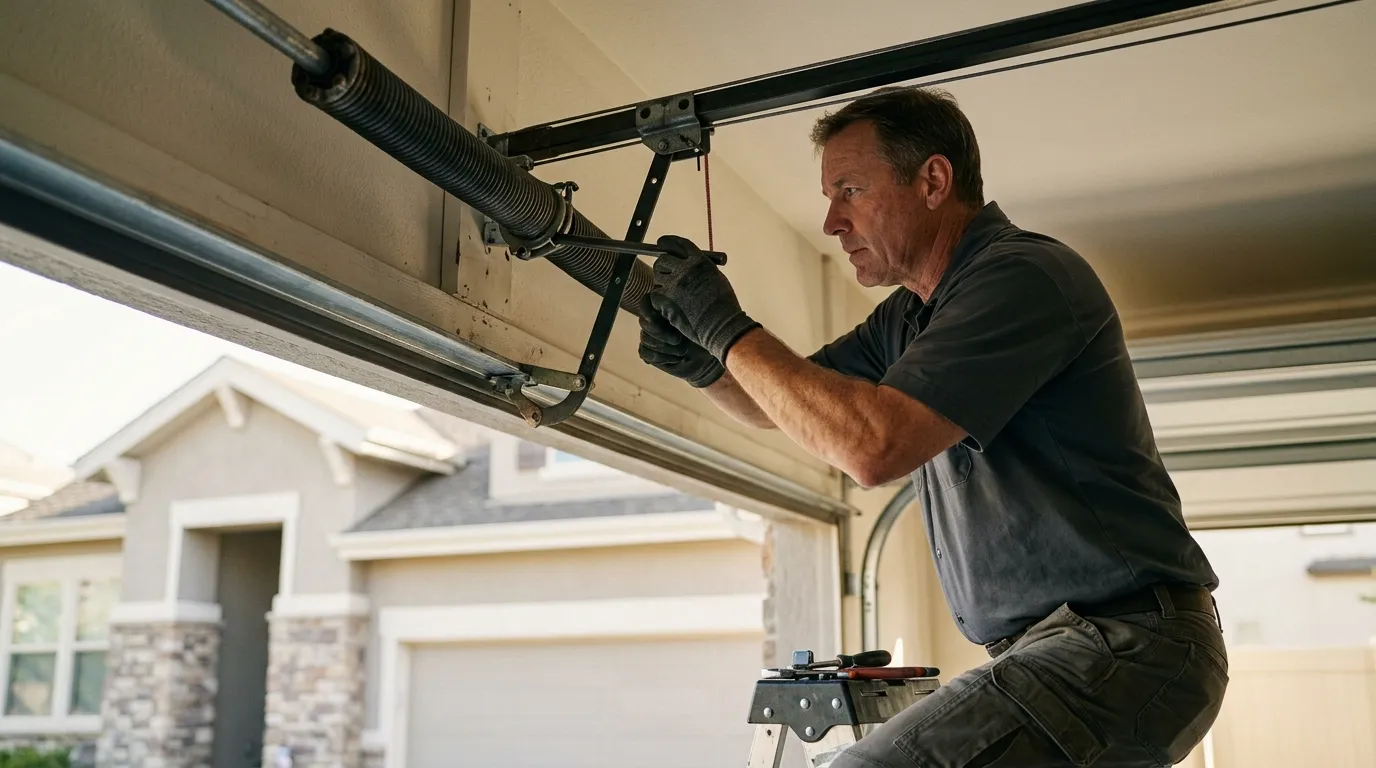
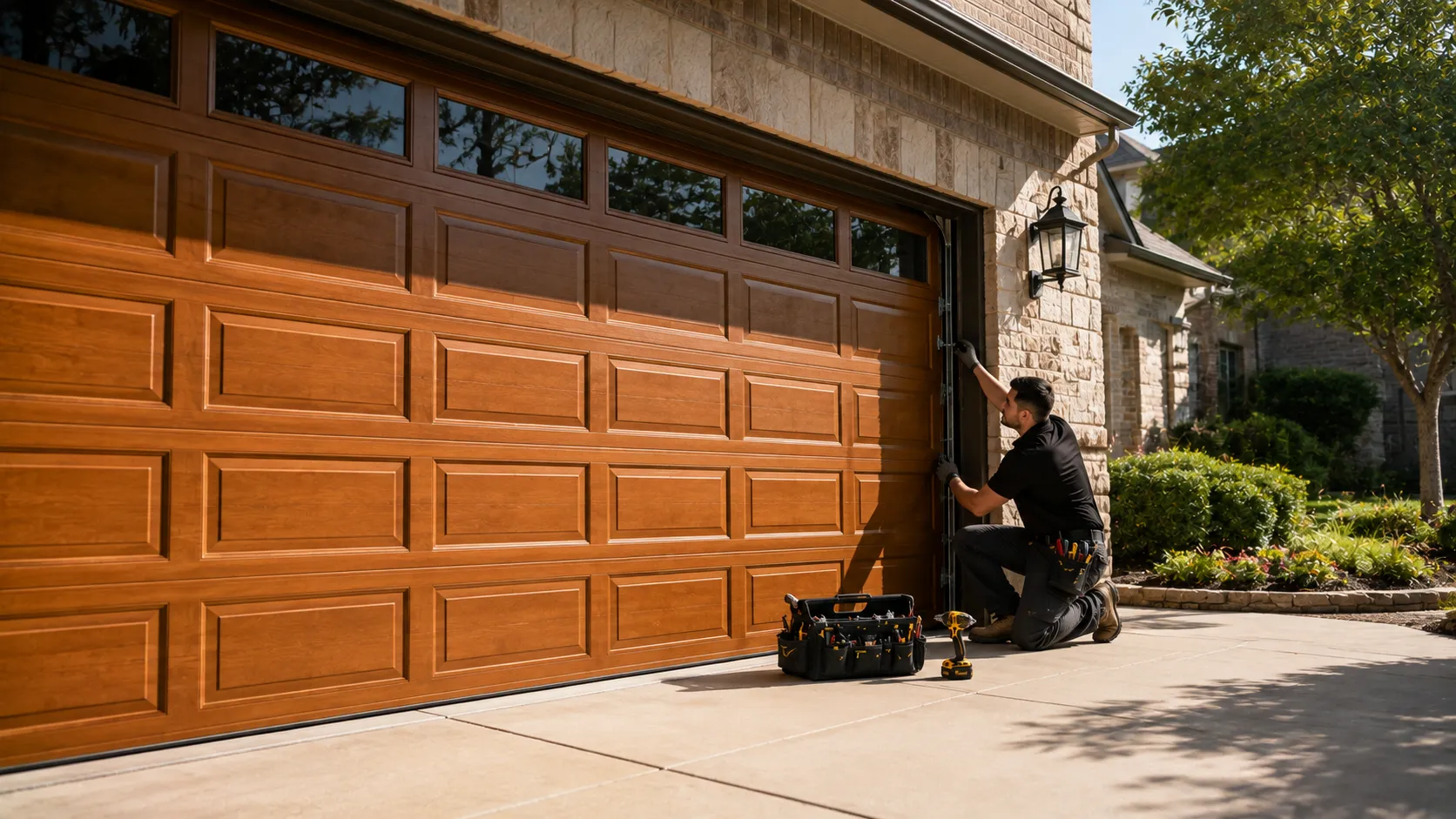
Don't touch the torsion springs on a commercial door yourself. The springs on a wide commercial sectional carry a lot more stored energy than a residential door's, and a spring that's already lost tension unevenly is exactly the kind that snaps a winding bar out of someone's hands. Swapping an opener logic board yourself is a smaller risk but still not a great idea if you're not sure which model and firmware version the unit needs - the wrong board can miscalibrate travel limits and make the drift problem worse, not better.
What you can reasonably check yourself: whether the wall station and remote both fail the same way (points to the opener, not the switch), and whether the door is level when it's stuck (points to a spring, not a board). That's useful information to have ready when you call, even if the fix itself isn't a homeowner or facilities-manager job.