Why It Happens Here
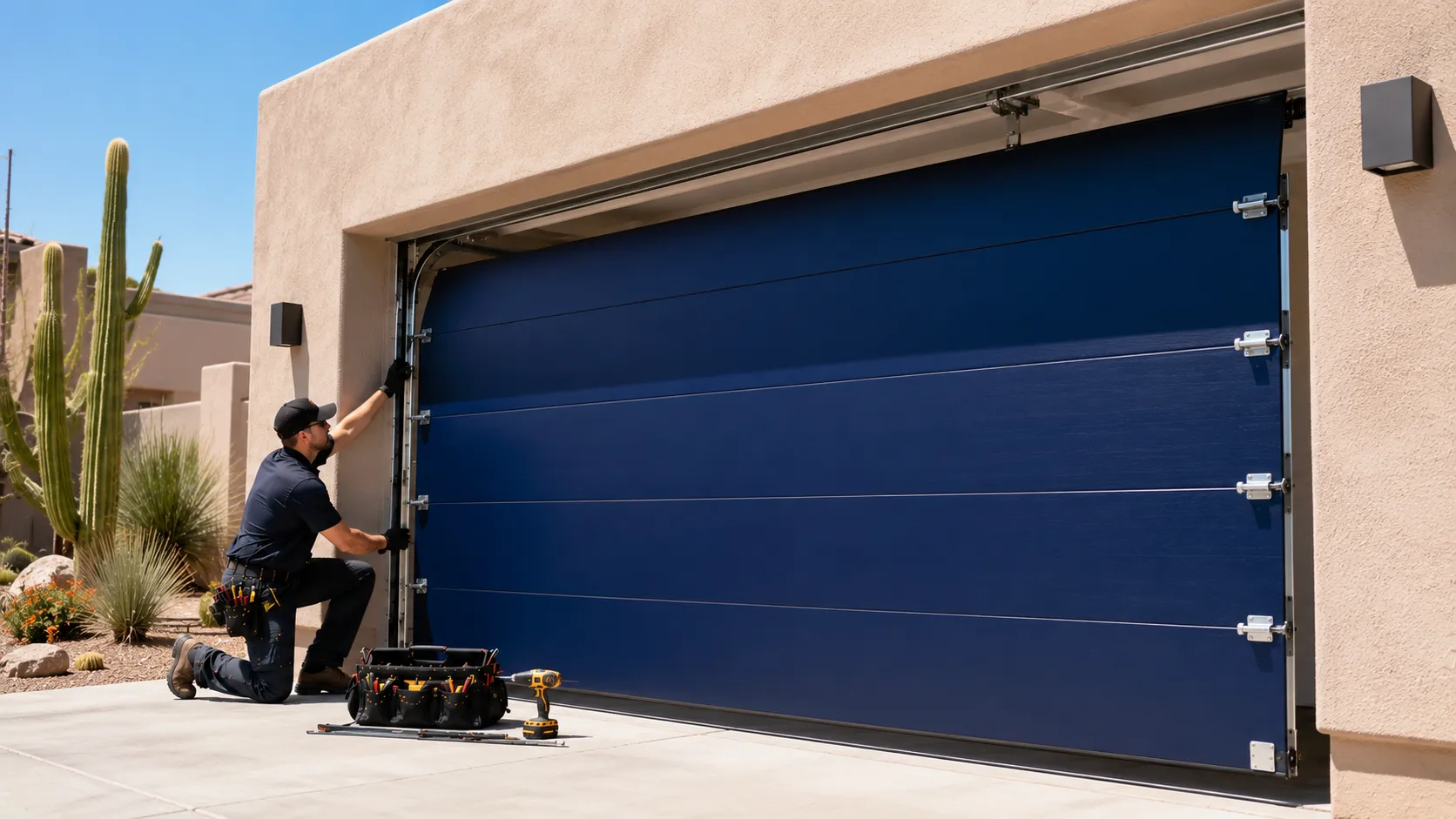
Most houses in Firestone went up around 2007, which puts the doors on these garages squarely in the modern era of garage door manufacturing: factory steel sectional panels, 2-inch track, and either stamped-steel or 10-ball nylon rollers riding on standard torsion hardware. That's a different animal from the narrower track and plain steel rollers you'd find on an older house, and it matters for what fails and why.
On a door this age, the roller itself is usually the weak point long before the track, spring, or opener give out. Nylon rollers age out from cold-cycling, and Firestone sits in the same severe-cold climate band as the rest of the area we work, which means rollers see repeated freeze-thaw contraction every winter. Steel rollers on the cheaper builder-grade doors wear their bearings out faster under that same cycling, and start rattling in the track long before anything else on the door quits.
With 5,877 households in Firestone, most sitting on lots from that same decade-long building push, we see the same roller failure show up house after house on the same street, just a few years apart depending on how much the door gets used.
What You Are Seeing
A bad roller usually announces itself before it fails outright. Look for a door that shudders or bangs at one specific point in the track every time it opens or closes - that's a flat spot on a worn roller, not a spring problem. A grinding or grating sound, especially right where the door curves from vertical track into horizontal, points the same way.
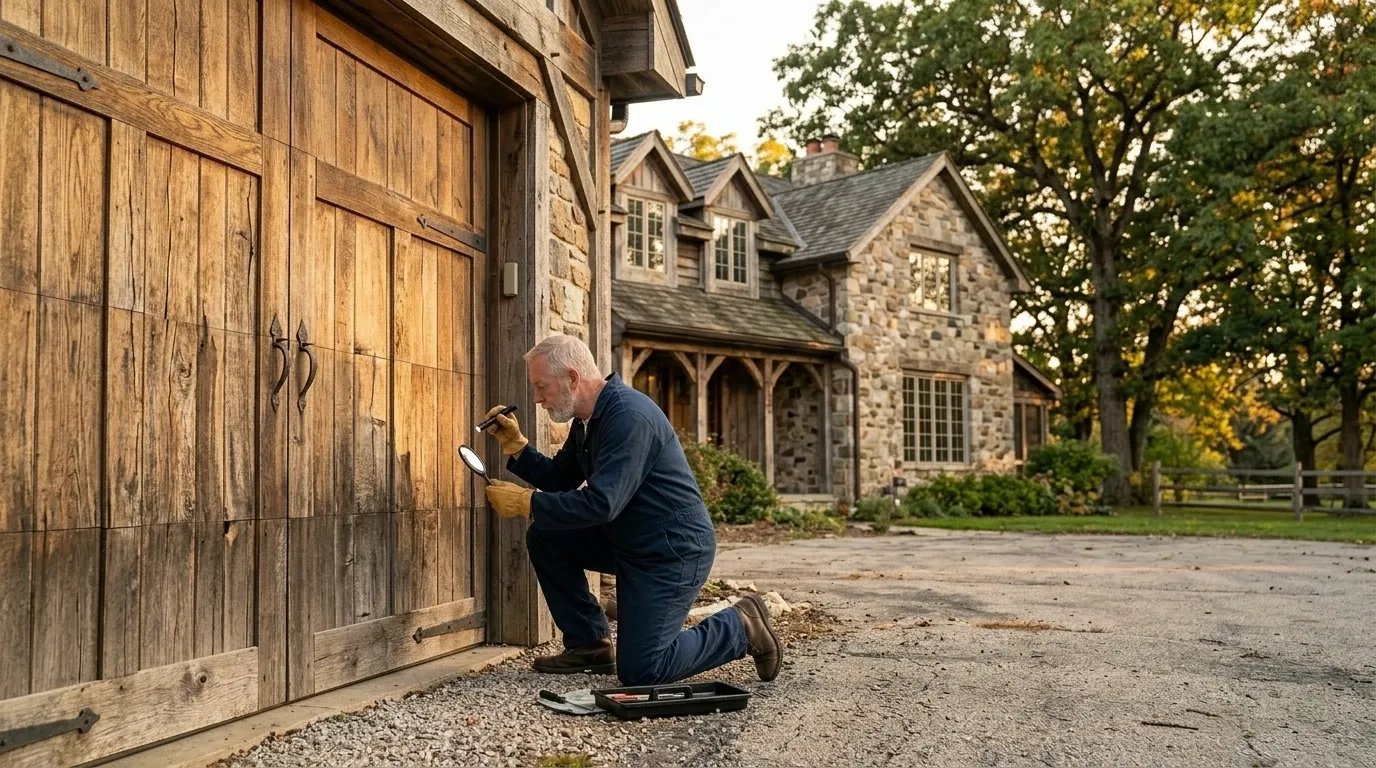
On the nylon rollers common to 2007-era Firestone doors, you'll sometimes see visible cracking or chipping around the wheel if you look closely with the door open. Steel rollers don't crack, but they'll show rust streaking on the track or a wobble in the wheel itself when you spin it by hand.
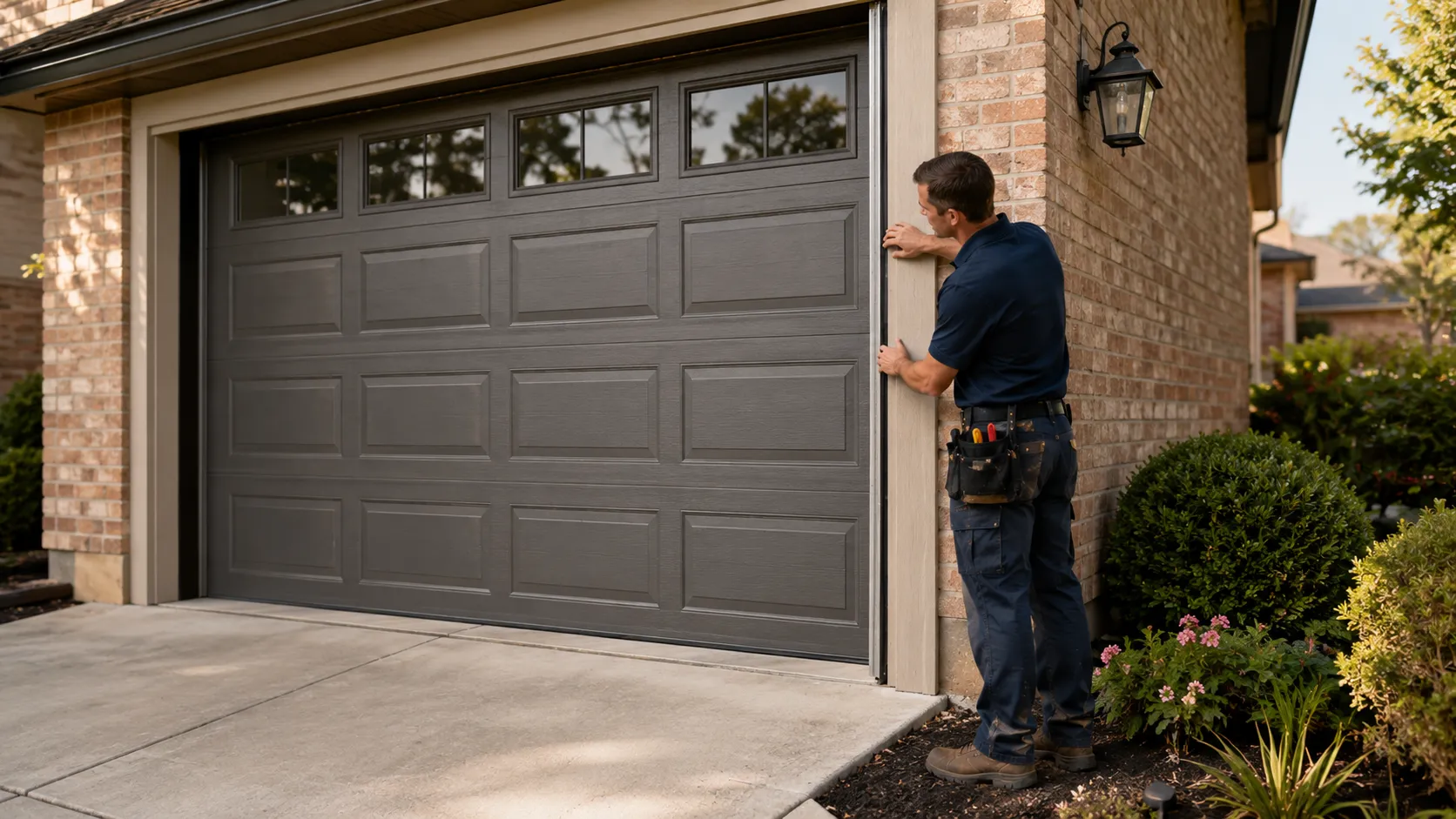
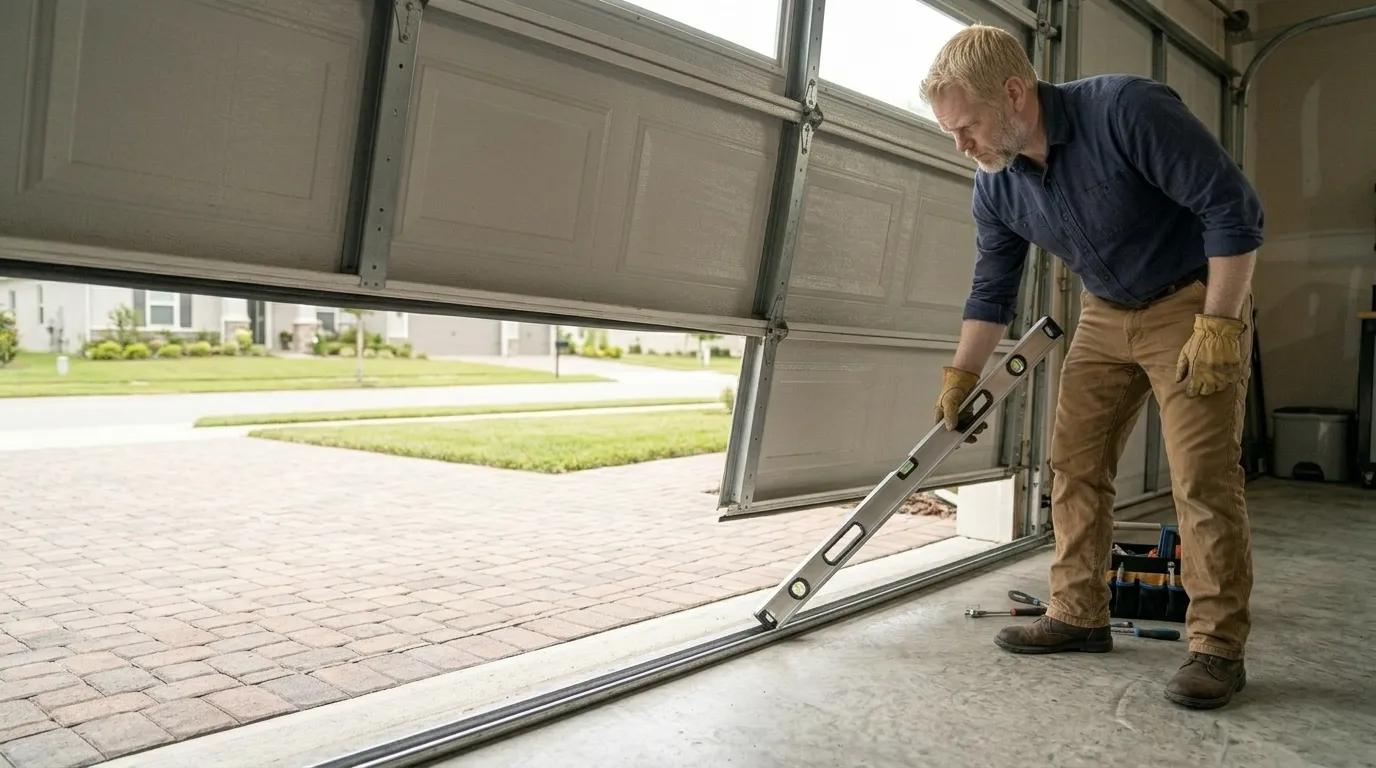
If the door is jumping the track on one side only, that's usually one or two bad rollers on that side, not a full-track problem. A door that's binding on both sides at the same height is more likely a track alignment issue than rollers alone, and it's worth having someone look at the whole run before you replace parts that aren't the actual cause.
How Long You Are Without the Door
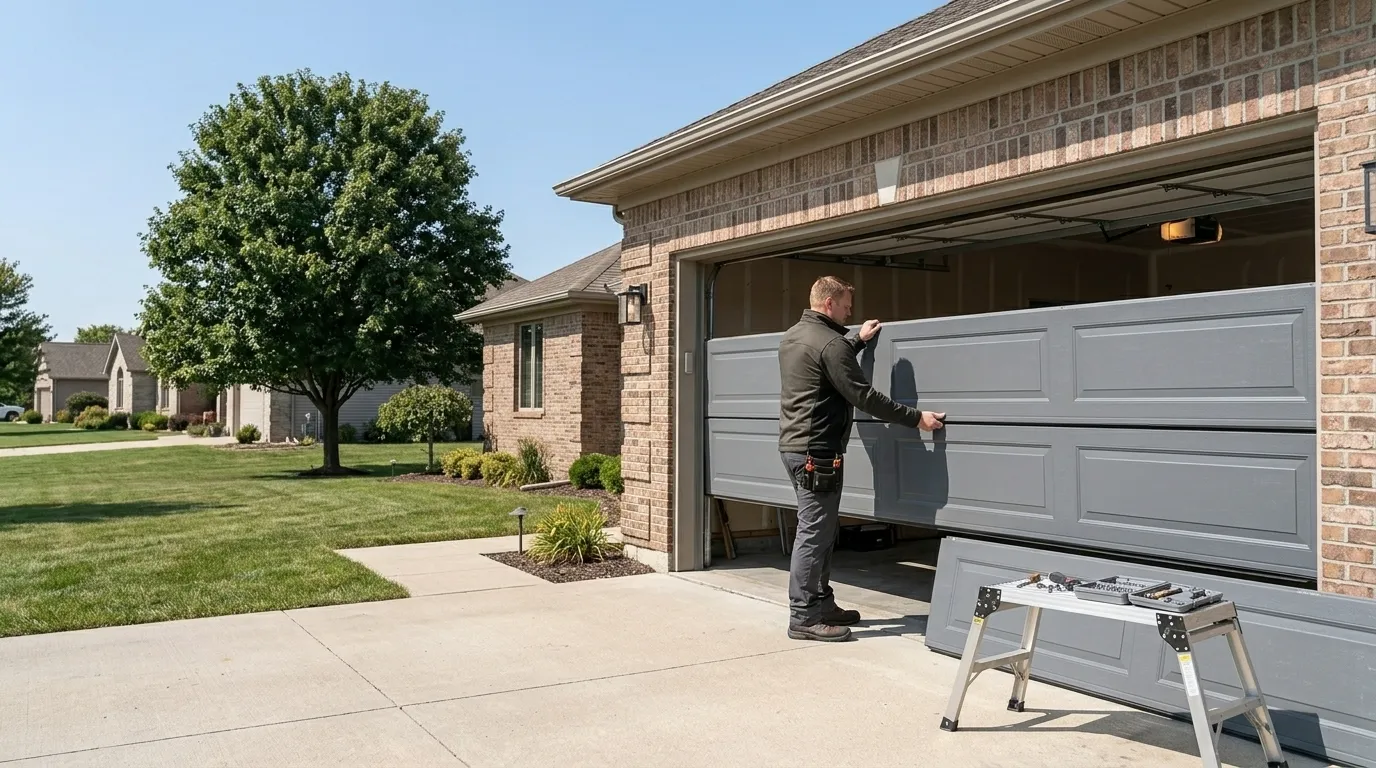
Roller swaps don't take the door out of service for long once we're on site - it's one of the shorter jobs we do, since the door stays on its track the whole time and there's no reprogramming or balance-testing beyond a quick cycle check at the end. The bigger variable for a Firestone job isn't the repair itself, it's the drive: we're coming out of Longmont, about 8 miles away, so we can't promise a same-hour arrival the way a shop physically parked in town could. Once the truck's there, plan on the door being back in normal use well before the visit is over.
The DIY Question
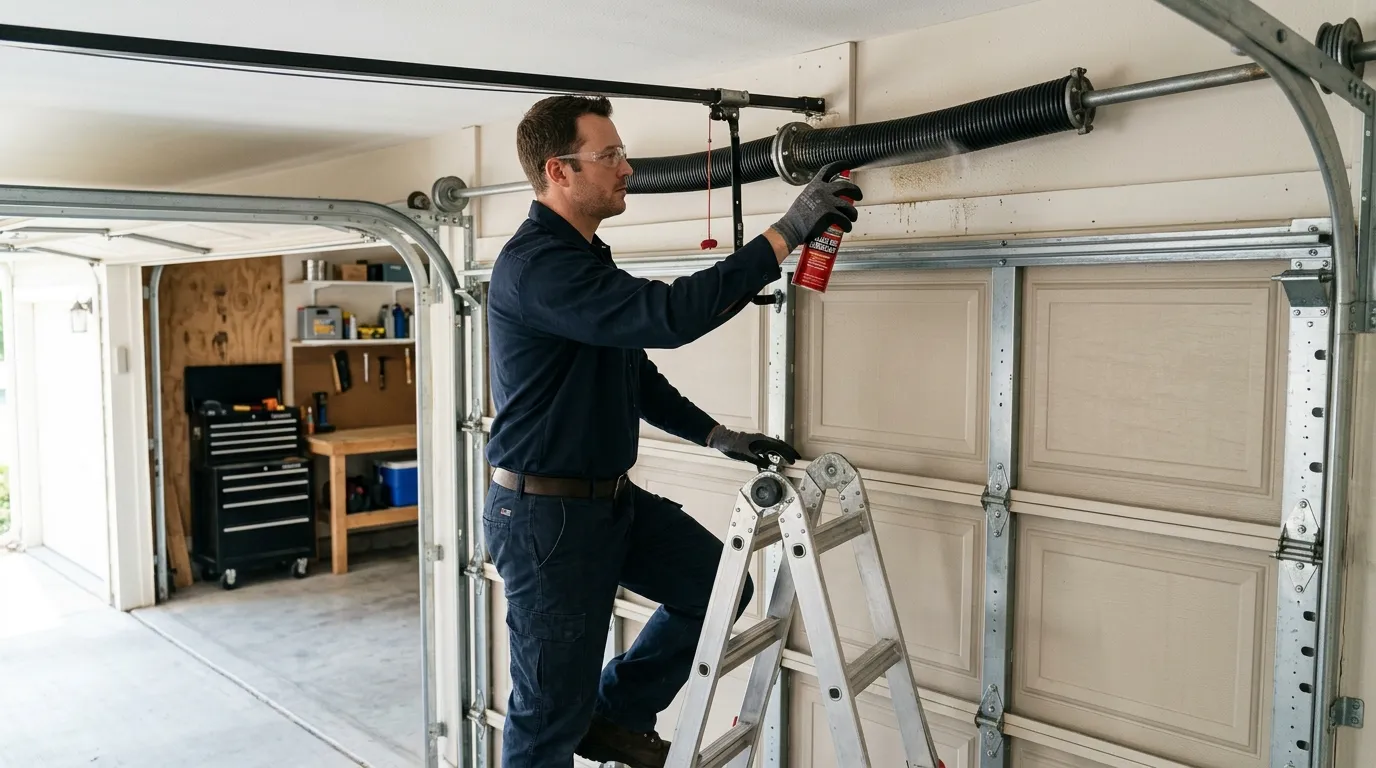
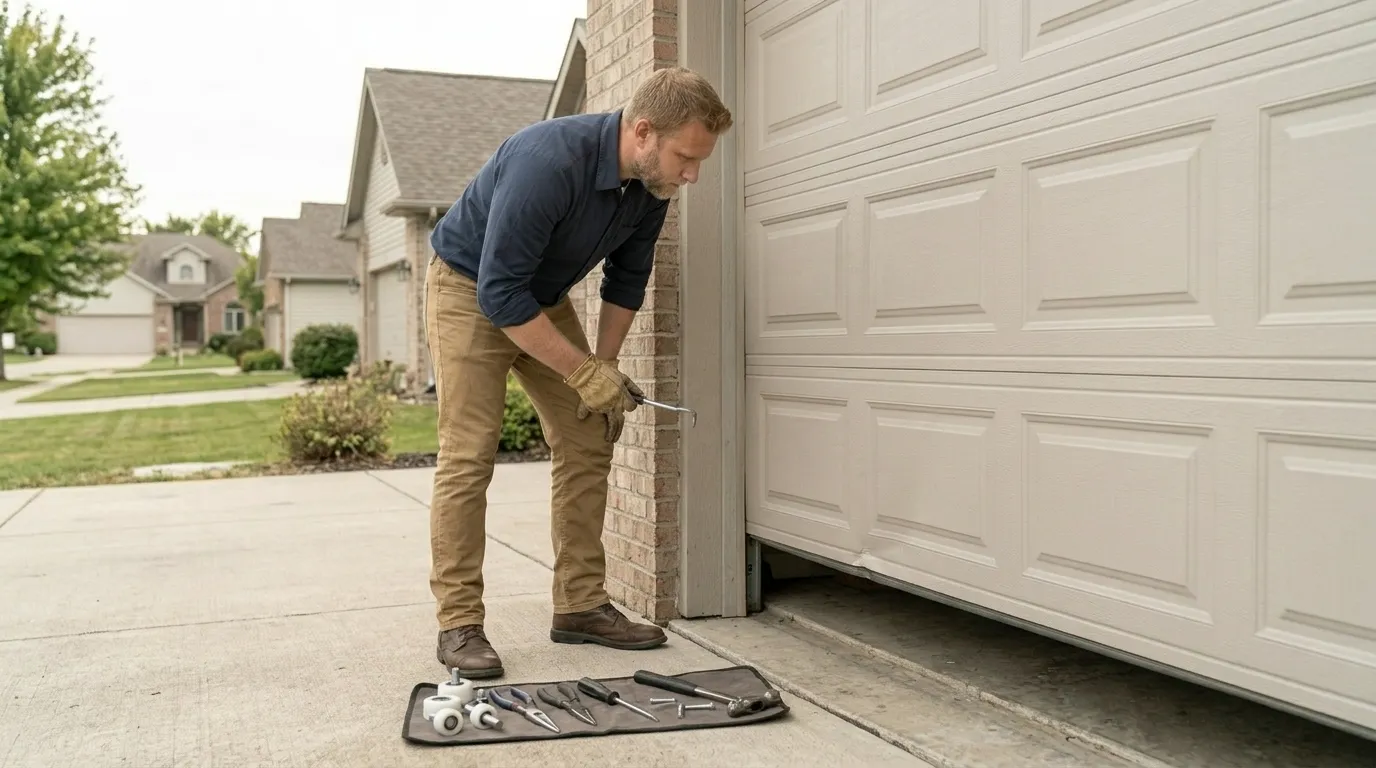
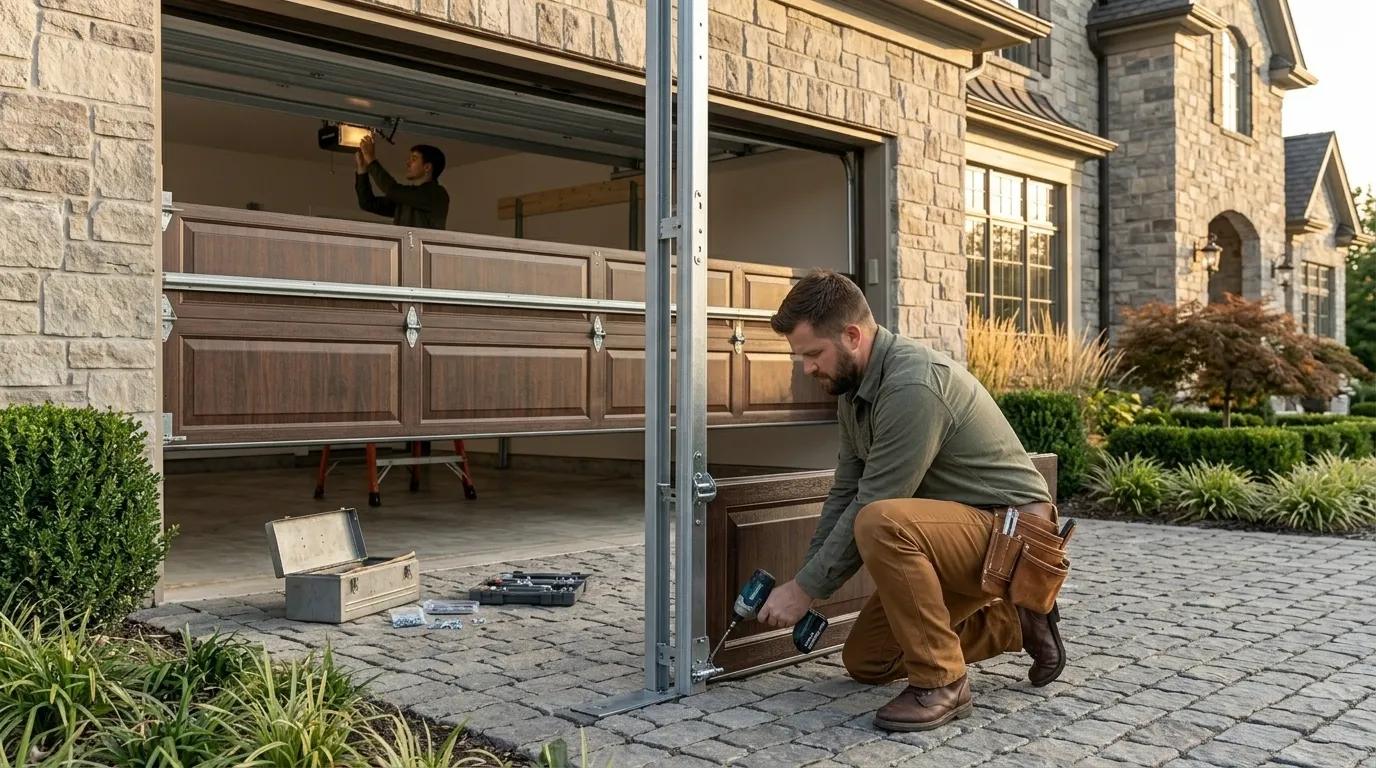
Rollers are one of the more approachable garage door repairs for a homeowner who's handy, but there's a real catch: you're working next to a torsion spring under load, and the tension in that spring doesn't care whether you meant to touch it. Swapping a bottom roller near the spring cone with the door in the wrong position is how people get hurt.
If you're comfortable with the door fully down and the rollers you're replacing are mid-track, away from the bottom brackets, it's a reasonable weekend job with the right roller stems on hand. Match nylon to nylon or steel to steel - mixing wheel types on the same door changes how it rides in the track and can make noise worse, not better.
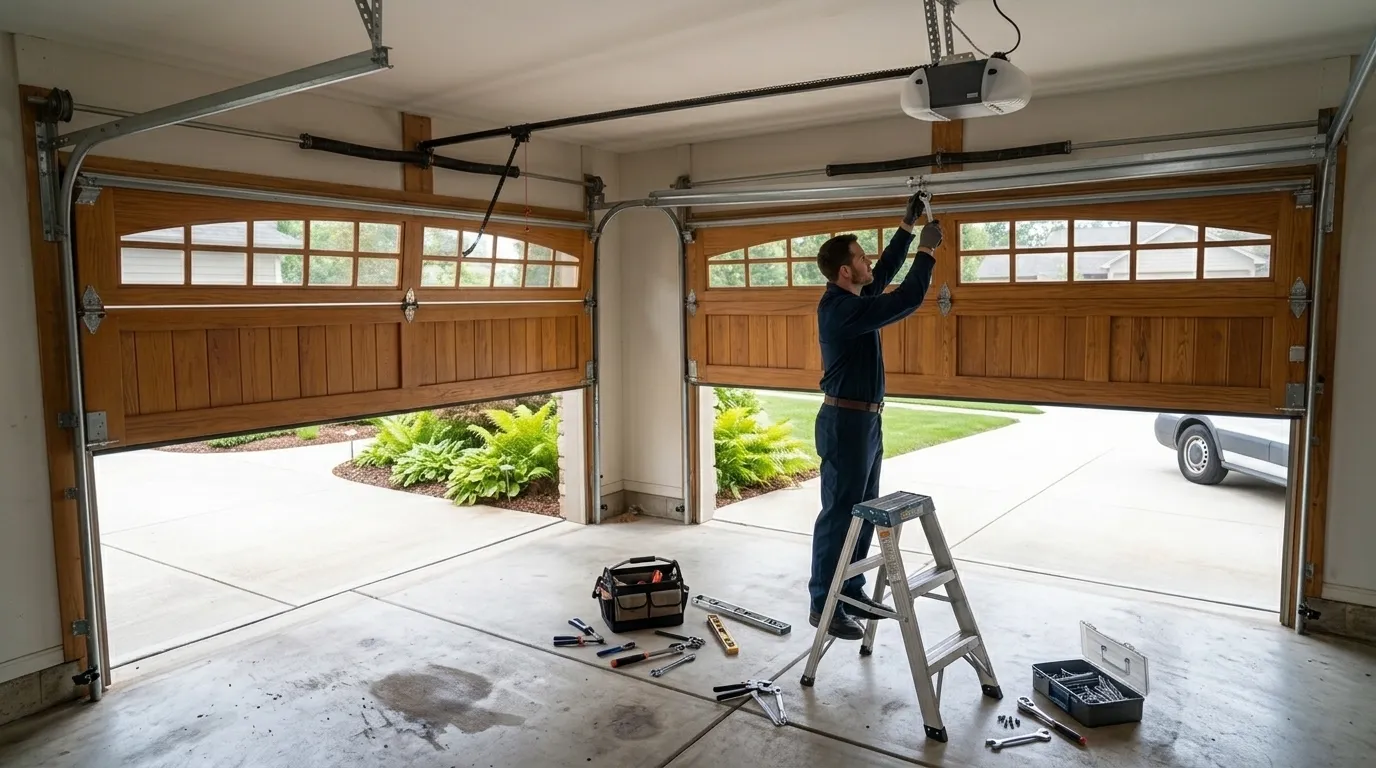
Where we'd tell you to call instead: if more than a couple of rollers are shot, if the track shows scoring, or if this is a double door on a single torsion spring, because getting that door back on track solo, on a system built in 2007 like most of what's around here, isn't worth the risk to save a service call.