24/7 Emergency Service Open 7 days · 7am–8pm Serving Longmont, CO & nearby
(720) 738-7725
Longmont, CO

What Longmont's Older Housing Stock Means for Your Garage Door

Longmont's housing spans 1952 to 2010, and many older doors lack insulation in a severe cold climate. Here's what that means for repair or replacement.

What Longmont's Older Housing Stock Means for Your Garage Door

What Is Going On

Longmont's housing runs from 1952 through 2010, with the median build year landing at 1997. That spread matters more than most owners realize. A door installed on a house from the early wave of that range went in long before insulated steel doors were the default choice at the lumberyard. It's a single layer of steel, sometimes with a thin foam board glued in later by a previous owner, sometimes with nothing at all.

Across the 23 mapped areas that make up this service territory, the bulk of the doors we see date to the 1980s and 90s construction wave - not the oldest homes in town, but not new either. These doors are old enough that the original springs, rollers, and hinges are near or past their rated cycle count, and the panels themselves were built to a lighter insulation standard than what goes in today. If your house falls in that range, the door on it was likely built for looks and basic function, not for holding heat.

The practical result: a garage that runs close to outdoor temperature for a good chunk of the year, and hardware that's due for wear regardless of how well it's been maintained.

When It Stops Being a DIY Job

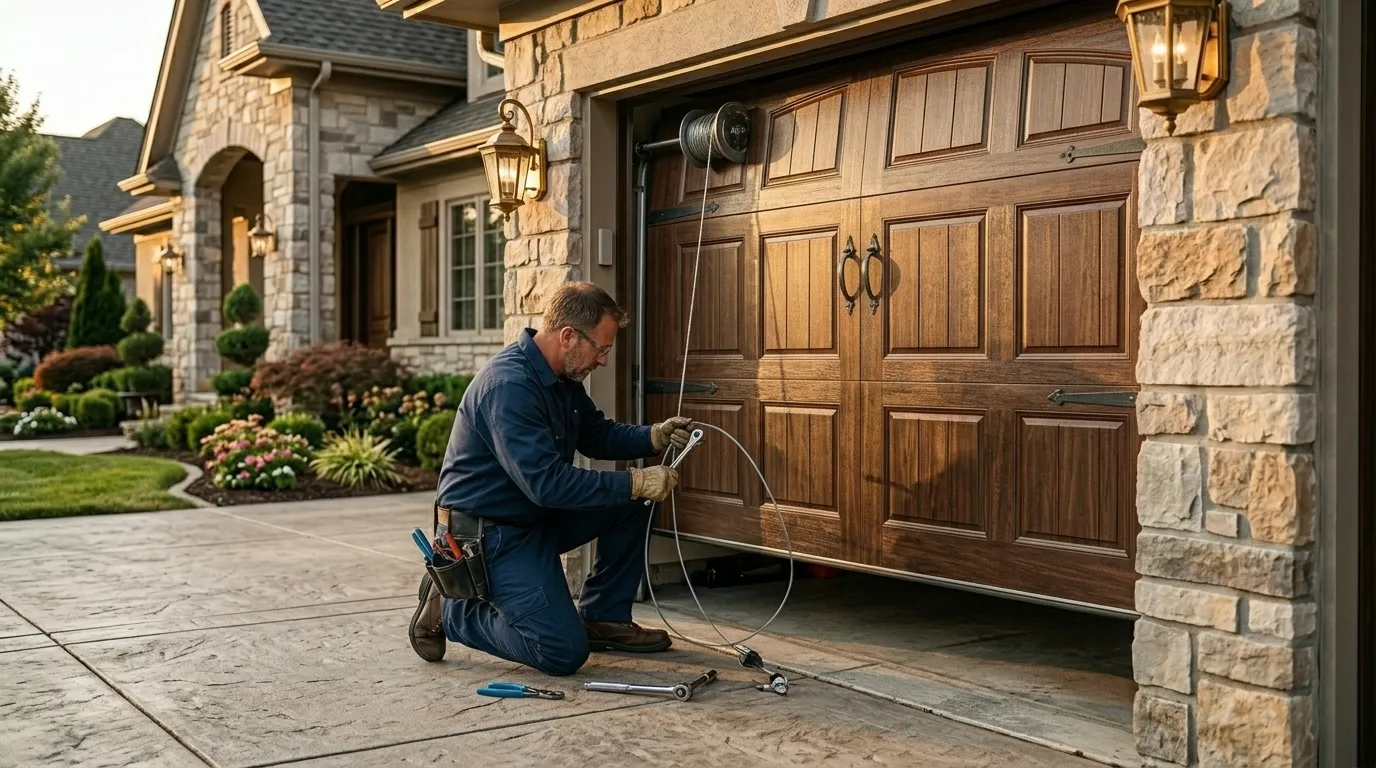
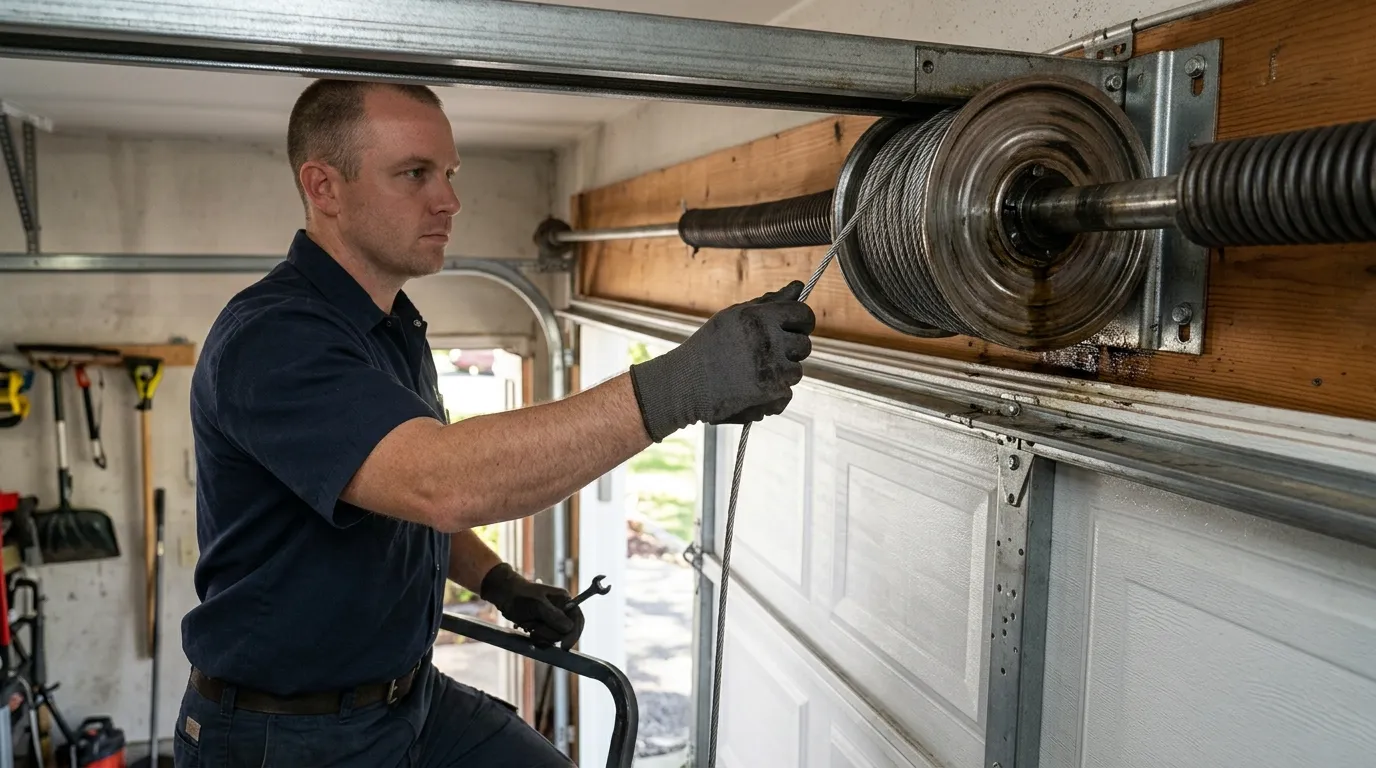
A torsion spring that's lost tension, a cable starting to fray, or a track pulling away from the jamb are not weekend fixes. These parts hold a 150-plus pound door under load, and on the older stock common in Longmont, the hardware wasn't sized the same way modern doors are. Swap in the wrong spring rate on a door from that era and you either strain the opener or end up with a door that won't stay put when it's halfway up.

We'll say plainly: if your door is original to a house built in the earlier part of that 1952-2010 range, and you're hearing grinding, seeing daylight through the panel seams, or noticing the door sag on one side, that's past the point of a tube of lubricant and a YouTube video. The honest limitation here is that we can't tell you over the phone whether a repair will hold or whether you're a year from replacing the whole unit anyway - that call needs someone looking at the actual spring wind, the track alignment, and the panel condition in person.

What Local Conditions Do

This area sits in a severe cold climate band, and that changes how a garage door ages compared to a milder region. Steel contracts in the cold, and a door built without insulation - common in the housing stock from before insulated doors were standard - flexes more at the seams every time the temperature swings. That flexing works on the weatherstripping first, then on the fasteners holding the track brackets to the framing.

Cold also thickens the grease in older rollers and hinges, which is why a door that ran quiet in September starts groaning by December. On an insulated door this shows up less. On the uninsulated doors still common on the older end of Longmont's housing range, it shows up every winter, reliably, until someone replaces the weatherstrip or the whole unit.

The cold doesn't cause new problems so much as it accelerates the ones already sitting in an aging door. A spring that had another year left in a mild climate might not make it through a severe one.

Doing Nothing For Now

Waiting is sometimes the right call. If the door still opens smooth, the spring isn't showing rust pitting or flat spots, and the panels are square in the track, there's no reason to replace a door just because of its age. Plenty of the 1980s and 90s doors still in service across this area have years left in them with basic upkeep.

Where waiting stops making sense is when the repair cost starts approaching the cost of a new insulated door - which, given the median household income of $116,074 across this area's 53,412 owner-occupied houses, is a real option for most owners here, not a stretch. We won't push a full replacement on a door that just needs a spring and a service call. But we also won't pretend an uninsulated single-layer door from the early end of the local build range is a good long-term bet in a severe cold climate. That's a decision for the homeowner once they know what they're actually looking at, not something to guess on.
How it works

From “it’s stuck” to “it’s fixed”

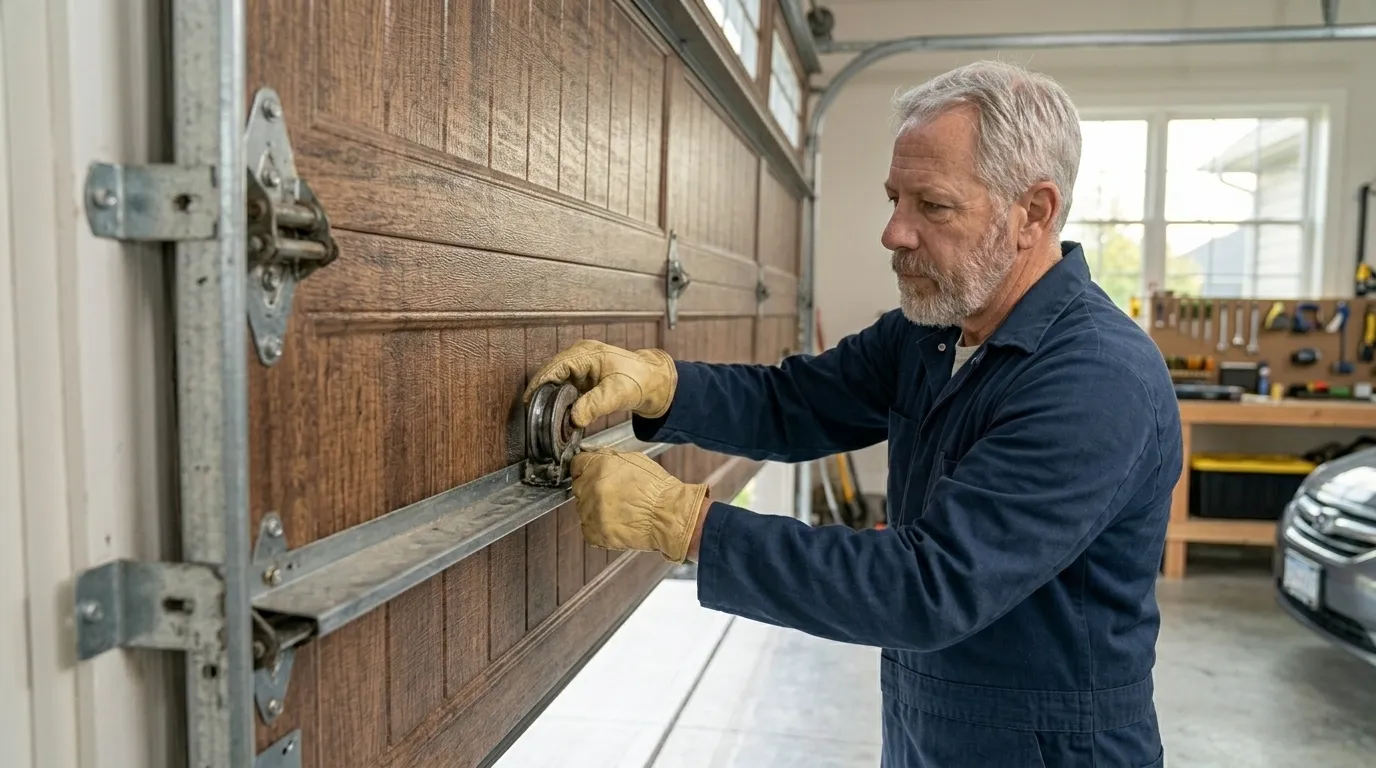
Tell us what’s wrong - Longmont garage door service

Tell us what’s wrong

Describe the symptom - won’t open, loud bang, opener runs but the door won’t move.

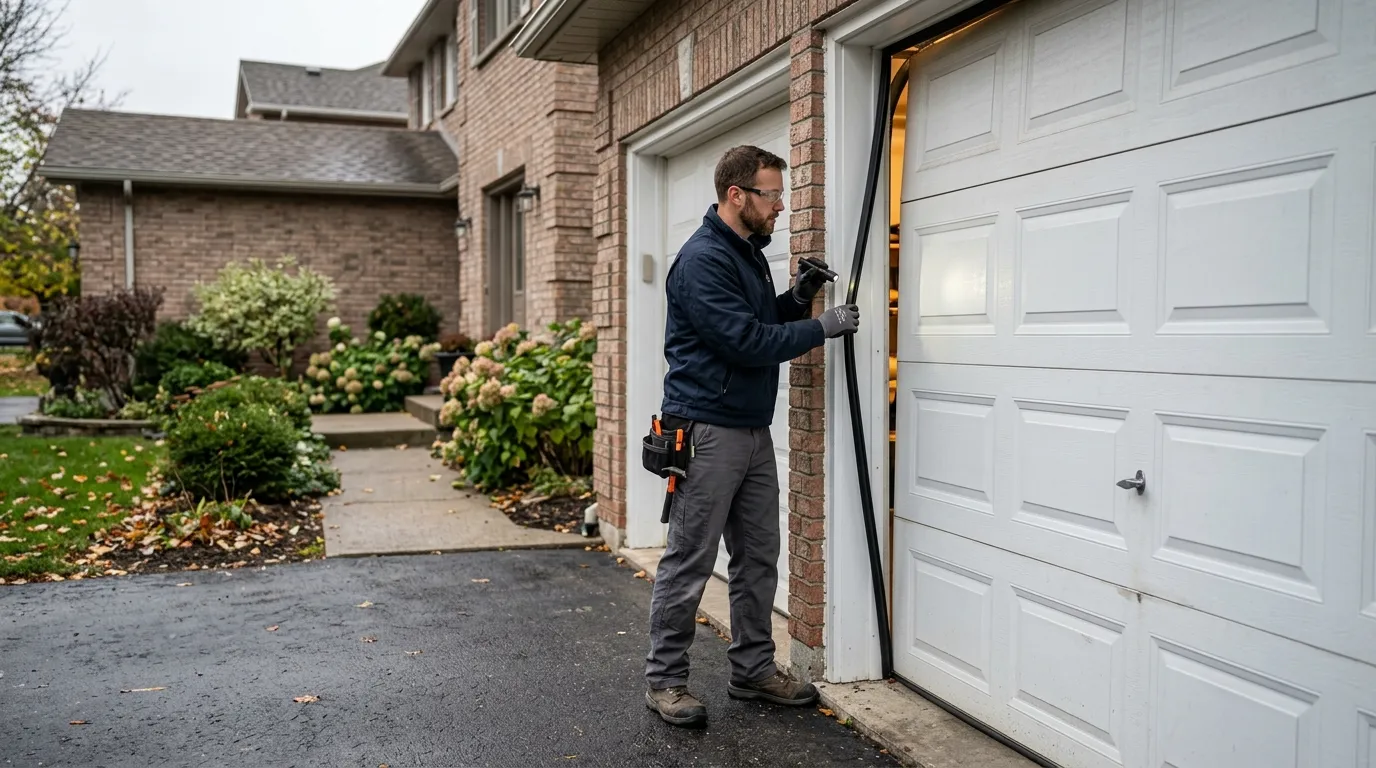
On-site diagnosis - Longmont garage door service

On-site diagnosis

A technician tests the door under power and by hand and finds what actually failed.

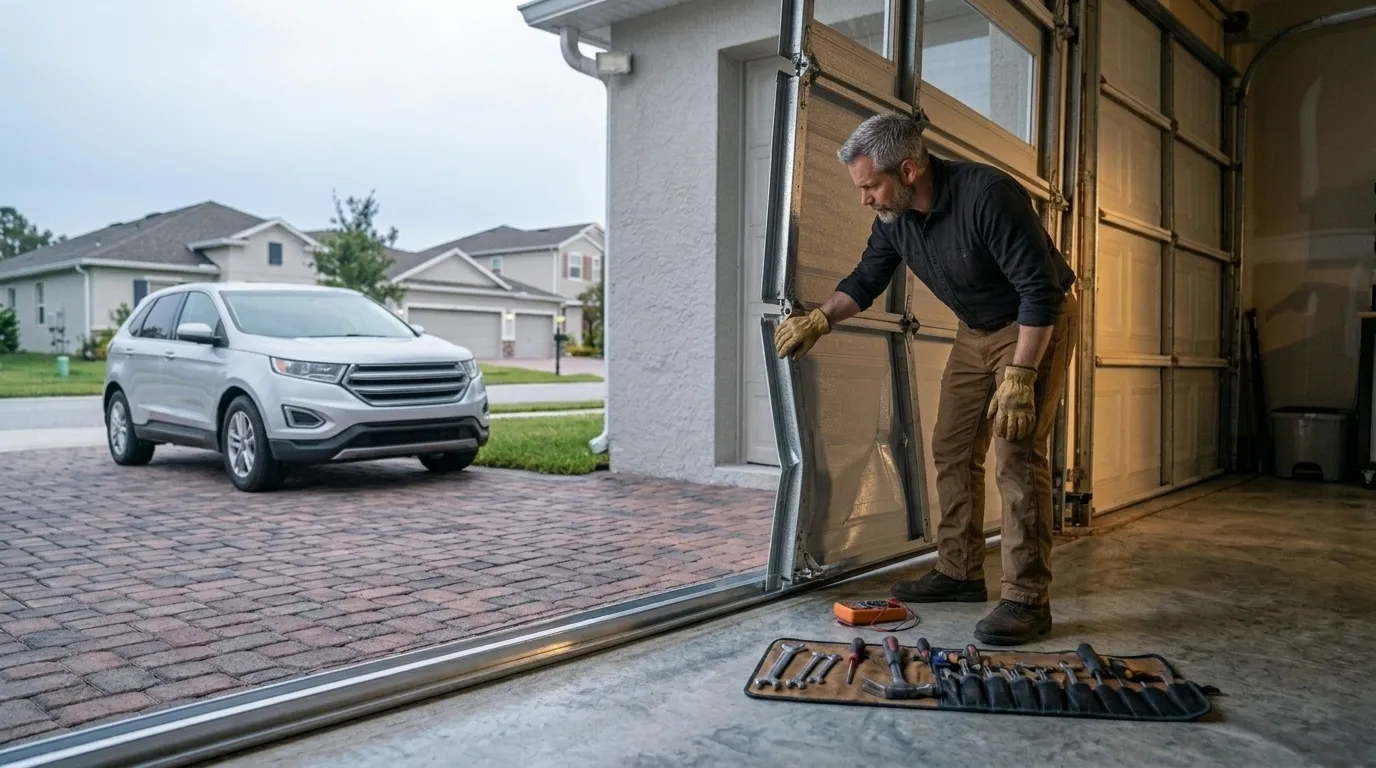
Clear, up-front plan - Longmont garage door service

Clear, up-front plan

You get the fix that’s needed and what drives the cost - before any work starts.

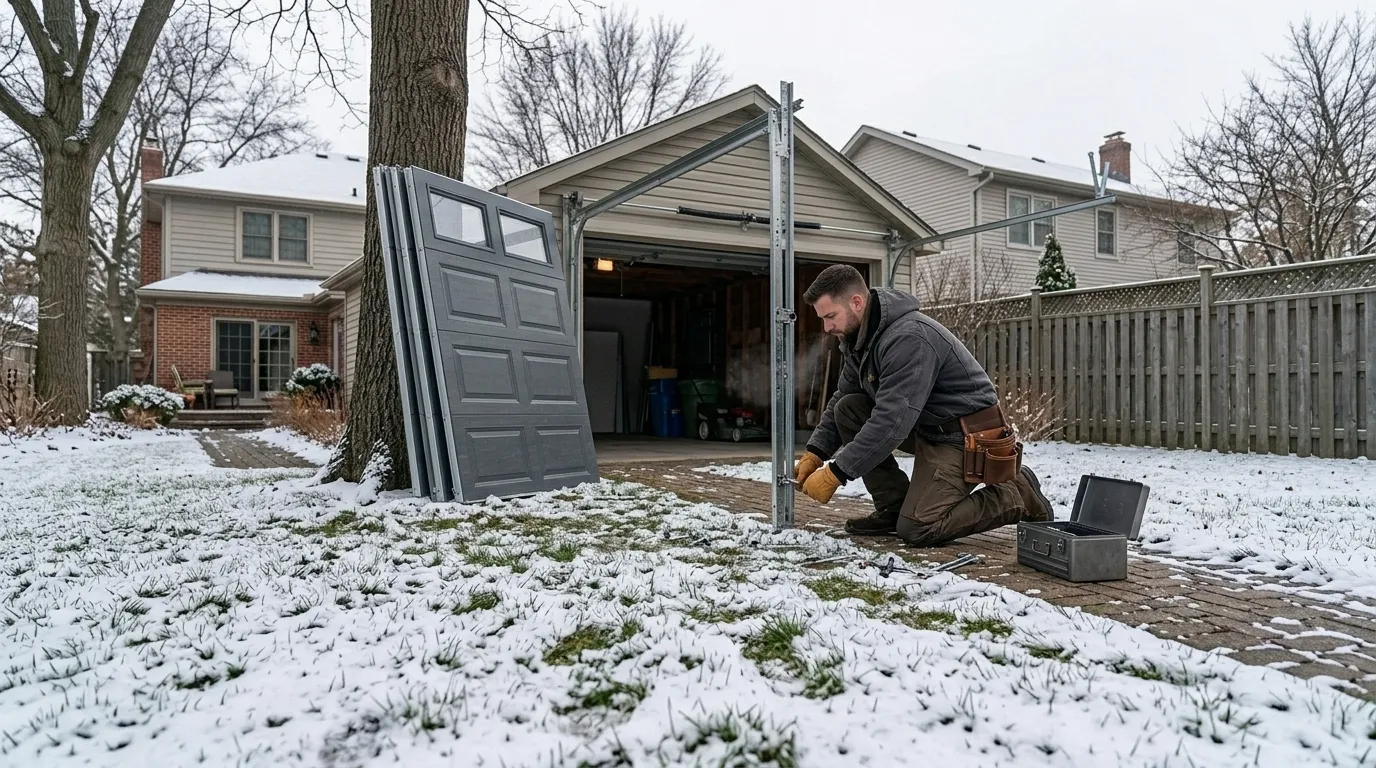
Repaired & tested - Longmont garage door service

Repaired & tested

The repair is done, the door is set true and tested, and the work area left clean.

Serving Longmont, CO - tell us what your door’s doing and we’ll take it from there.

How we work

What to expect

Diagnosis firstEvery visit starts by finding what actually failed - not a pre-written parts list.
The right part for the doorSprings and openers matched to the door’s weight and age, so the fix holds up.
Straight answersWhen a repair makes more sense than a replacement - or the reverse - you hear it plainly.
Clean, careful workTension released safely, hardware set true, the door tested under power before we leave.
Questions

Frequently asked

Straight answers about garage door repair in Longmont. Still unsure? Ask us directly.

Is my garage door original to the house if it was built in the 1980s or 90s?

Often, yes. That decade is the bulk of the local housing stock, and a lot of those original doors are still hanging. If yours hasn't been replaced, check the spring for rust pitting and the panels for sag at the seams - those are the usual signs an original door from that era is nearing the end.

Does the cold really matter that much for a garage door?

In a severe cold climate, yes. Steel contracts, grease thickens, and weatherstripping that's already worn fails faster. An insulated door handles the swings better than an uninsulated one. If your door predates insulated standards, expect more noise and more seal wear each winter than a newer door would show.

How do I know if I should repair or just replace the door?

If the track, hinges, and panels are square and sound and it's just a spring or cable, repair usually makes sense. If the door is uninsulated, original to an older home, and you're stacking up repairs, replacement often costs less over a few years. We look at the actual door before making that call - it's not a phone estimate.

Ready to get your garage door sorted?

Tell us what it’s doing and where you are in Longmont - we’ll take it from there.

Request a QuoteCall