24/7 Emergency Service Open 7 days · 7am–8pm Serving Longmont, CO & nearby
(720) 738-7725
Longmont, CO

What Makes a Garage Door Jump Its Track in Longmont

Longmont homes built 1952-2010 see off-track doors from worn rollers, bent track, and cold-season slab shift. Here's what causes it and when to call a pro.

What Makes a Garage Door Jump Its Track in Longmont

What Is Going On

Longmont's garage doors run on hardware installed anywhere from 1952 to 2010, with the bulk of the town's houses built through the 1980s and 90s across its older subdivisions. A door goes off track when the rollers ride up out of the vertical rail, usually because a bracket bolt has worked loose or the track itself has bent from years of small impacts - a bike handlebar, a car mirror, a plow blade caught wrong. On the older end of Longmont's housing stock, the track brackets were often lighter gauge steel than what gets installed today, and after three or four decades of seasonal swings they flex more than they should. On the newer end, built closer to 2010, doors are more likely to slip a track because a roller has worn its nylon sleeve down to bare metal and started binding instead of rolling smooth. Either way, once a door is off track even partway, running the opener again is how a door comes down bent or drops a panel. Don't force it - a door that's fighting the rail is telling you something before it fails completely.

When It Stops Being a DIY Job

Reseating a door in its track by hand only makes sense if the spring is not under load and the door is light enough to lift alone - and on a lot of Longmont's older two-car doors, that is not the case. If the door came off track because a cable snapped or a spring let go, do not touch it. That much stored tension can put a bracket through drywall or a hand through bone. Call for that one. If a single roller jumped the rail on a single-car door and the track is not visibly bent, you can sometimes walk it back with the door manually lowered and the opener disconnected - but if the track shows a kink, that section needs replacing, not bending back, because a track that's been bent once will bend again at the same spot. We don't recommend hammering a track straight yourself; it looks fixed for a week and then fails at the worst time, usually mid-cycle with the door half open.

What Local Conditions Do

Longmont sits in a cold, severe climate band, and that shows up in track hardware two ways. First, the freeze-thaw cycle through a Longmont winter works lag bolts loose in the jamb faster than a mild climate would - wood swells when it's wet, contracts hard when it freezes, and every cycle backs a bolt out a fraction more. Second, cold makes steel track brittle enough that an impact which would just dent it in July can crack a bracket weld in January. Combine that with houses on the older end of the 1952-2010 range, where the original track gauge is lighter, and you get more off-track calls in the cold months than the warm ones. Six miles out in Niwot and seven miles out in Mead, the same weather is doing the same thing to the same era of hardware - this isn't only a Longmont problem, but it is a this-climate problem, and a milder market wouldn't see it at the same rate through the year.

Doing Nothing For Now

If the door is only slightly out of track - rolling stiff, maybe a faint scrape, but still opening and closing on the opener - you can wait, but don't wait through a full winter on it. Cold makes a marginal bracket fail faster than a mild spell would, and a door that fails mid-cycle instead of at rest is the one that drops a panel or comes off the rail entirely. What we can't tell you without seeing it is whether a bent section can be repaired or needs full replacement - that call depends on how many panels are affected and how the track bent, and guessing over the phone does nobody any favors. Parts for older Longmont doors, especially anything from the 1950s through 1970s end of the housing stock, sometimes take longer to source than a same-week job allows, so don't assume a fix happens as fast as the call.
How it works

From “it’s stuck” to “it’s fixed”

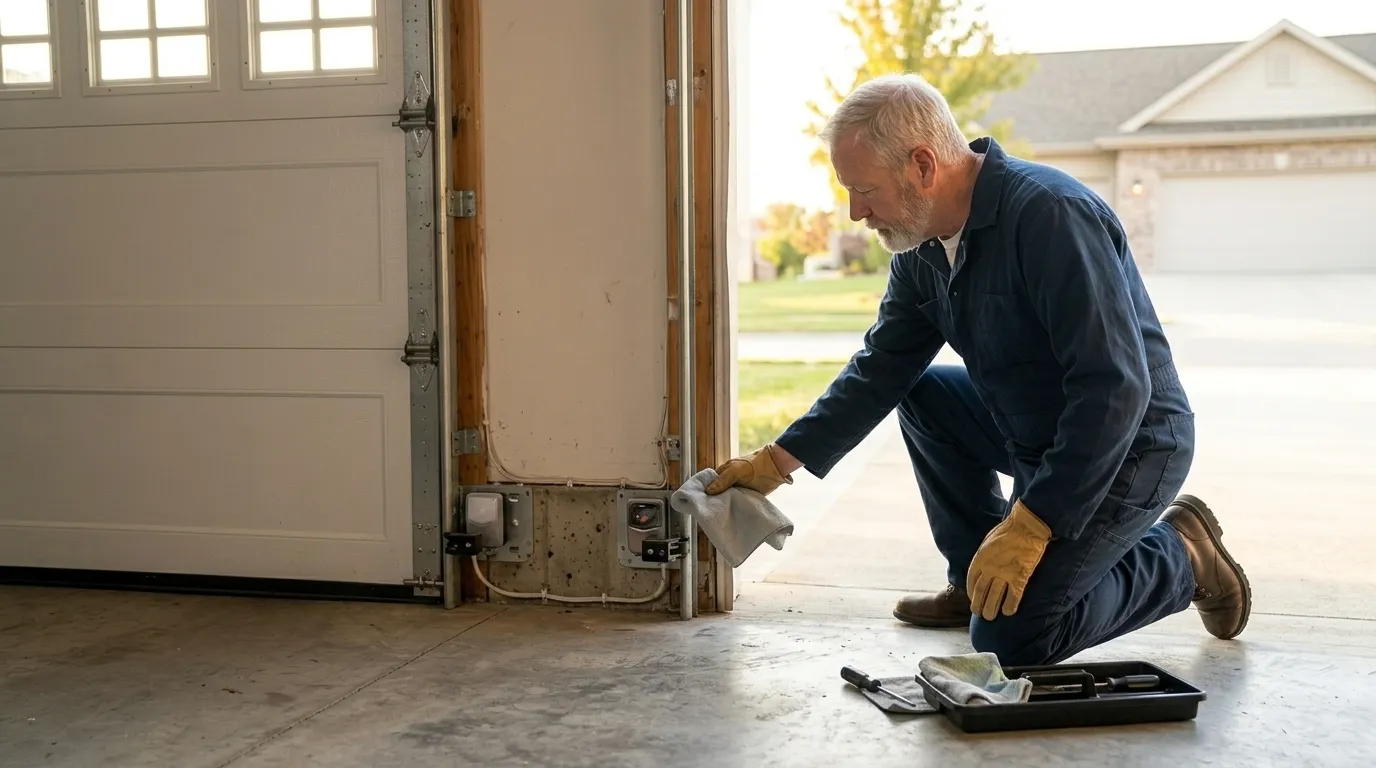
Tell us what’s wrong - Longmont garage door service

Tell us what’s wrong

Describe the symptom - won’t open, loud bang, opener runs but the door won’t move.

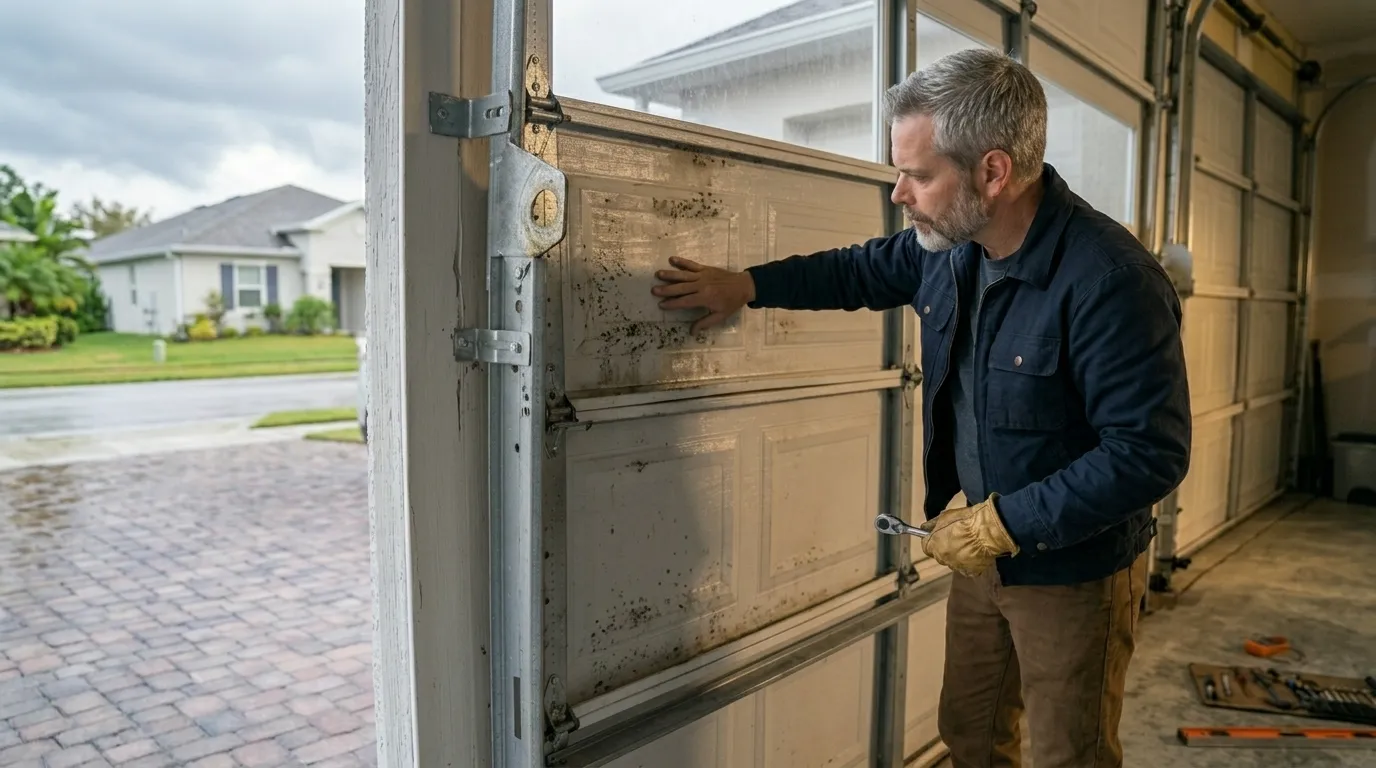
On-site diagnosis - Longmont garage door service

On-site diagnosis

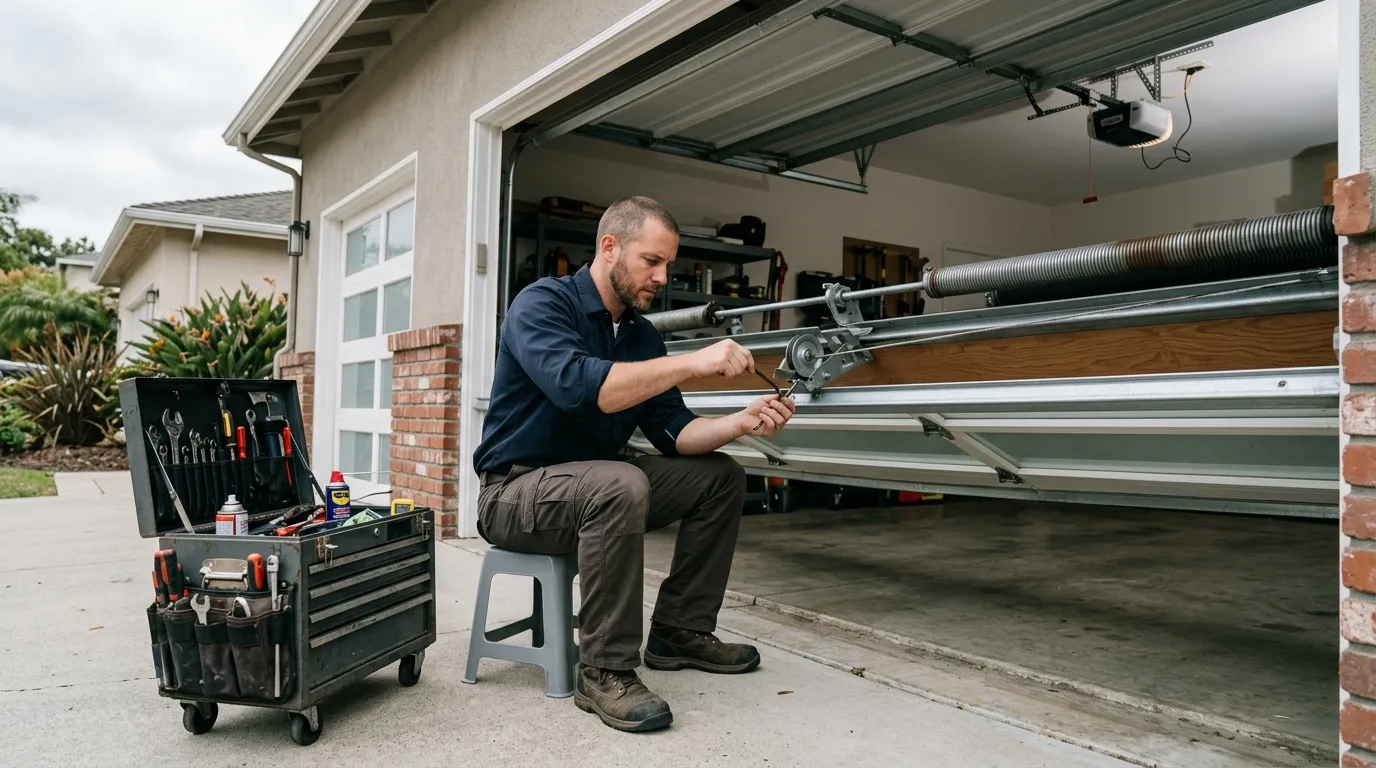
A technician tests the door under power and by hand and finds what actually failed.

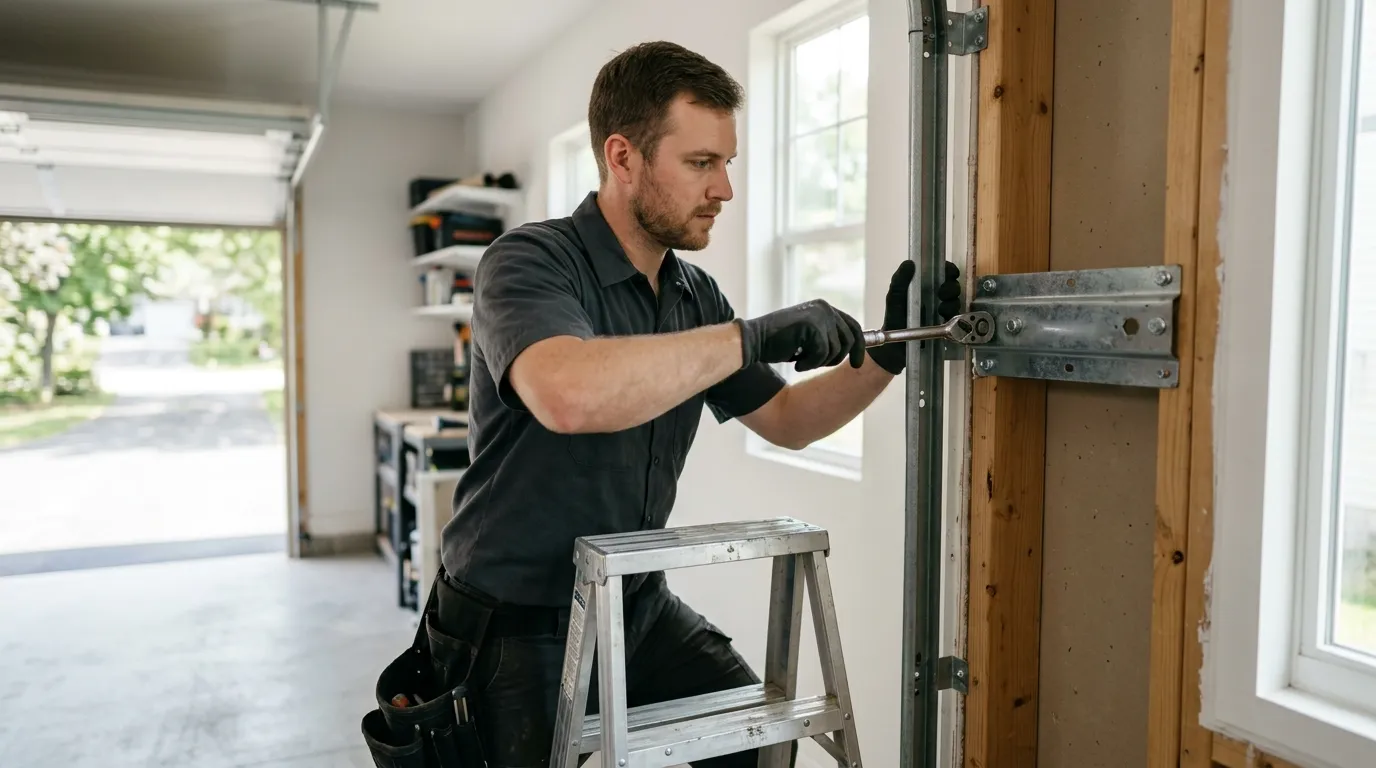
Clear, up-front plan - Longmont garage door service

Clear, up-front plan

You get the fix that’s needed and what drives the cost - before any work starts.

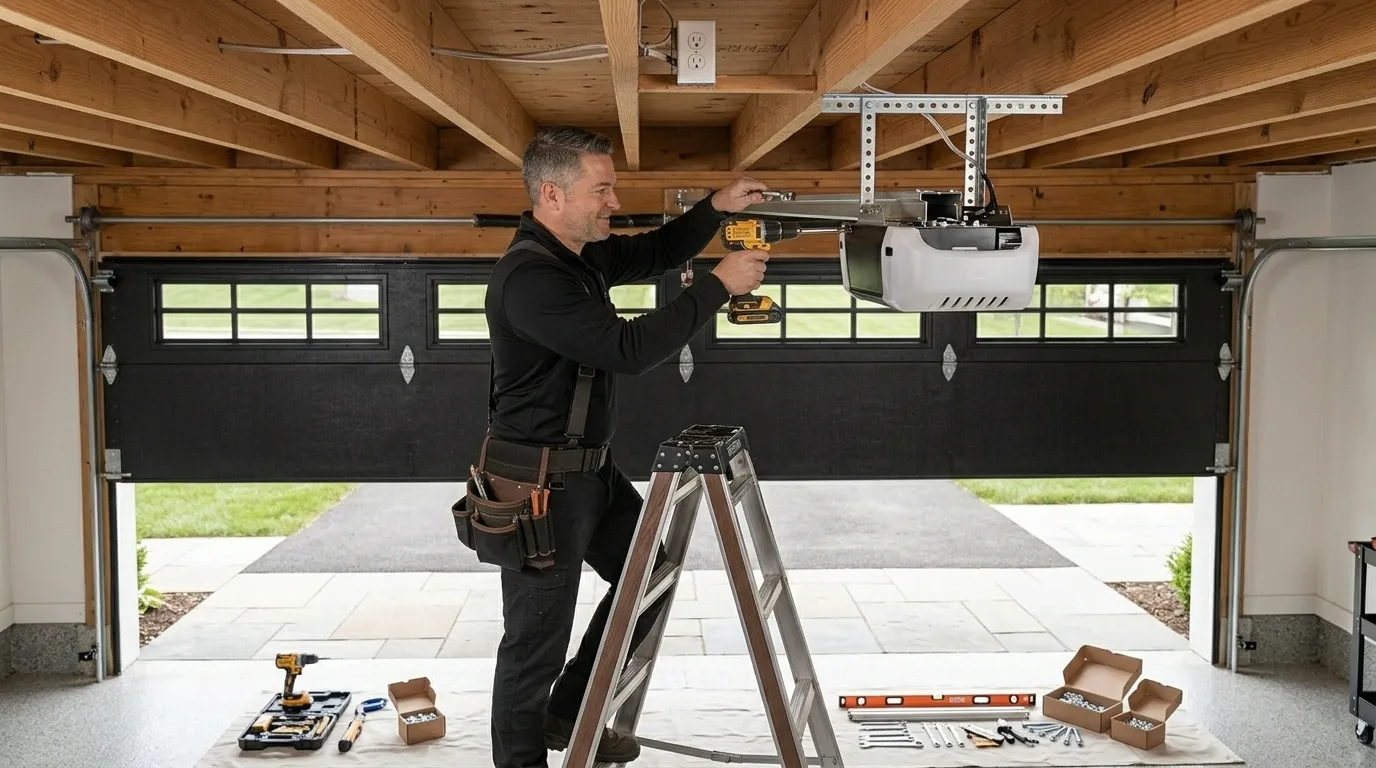
Repaired & tested - Longmont garage door service

Repaired & tested

The repair is done, the door is set true and tested, and the work area left clean.

Serving Longmont, CO - tell us what your door’s doing and we’ll take it from there.

How we work

What to expect

Diagnosis firstEvery visit starts by finding what actually failed - not a pre-written parts list.
The right part for the doorSprings and openers matched to the door’s weight and age, so the fix holds up.
Straight answersWhen a repair makes more sense than a replacement - or the reverse - you hear it plainly.
Clean, careful workTension released safely, hardware set true, the door tested under power before we leave.
Questions

Frequently asked

Straight answers about garage door repair in Longmont. Still unsure? Ask us directly.

Why did my garage door suddenly jump off the track?

Usually a bracket bolt worked loose or a roller binding from wear pulled the door sideways enough to climb out of the rail. In Longmont's colder months this happens more, since freeze-thaw cycles back bolts out of jambs and make steel track more brittle.

Can I push the door back onto the track myself?

Only if there's no broken spring or cable and the track isn't bent - and even then, only on a light single-car door with the opener disconnected. If a spring let go, leave it alone and call. The stored tension in a torsion spring can cause real injury.

Is it the cold making this worse?

Yes. Longmont sits in a cold, severe climate band, and the freeze-thaw cycle works lag bolts loose and makes track steel more brittle through winter. Houses on the older end of town's 1952-2010 housing stock feel it first, since their track gauge is lighter.

Ready to get your garage door sorted?

Tell us what it’s doing and where you are in Longmont - we’ll take it from there.

Request a QuoteCall