This Area's Housing
Aristocrat Ranchettes sits about 18 miles out from our shop in Longmont, and it's a smaller pocket than most of what we cover - roughly 622 households, many on bigger rural-style lots rather than tight subdivision streets. The median build year here lands right around 1997, which puts it at the newer edge of a service area where a lot of the stock elsewhere runs 1980s and 90s. That matters because a door and opener installed in the late 90s is now closing in on thirty years of cycles.
Household income here runs about $87,604, noticeably under the $116,074 median for the wider area we serve. That gap shows up in the calls we get: more requests to repair a working system another year or two rather than replace it outright, and more interest in fixing the one broken part instead of swapping the whole unit. Neither instinct is wrong - a lot of 1997-era steel doors are still straight and serviceable, and the failure is usually the spring or the opener, not the door itself.
What That Means for Doors
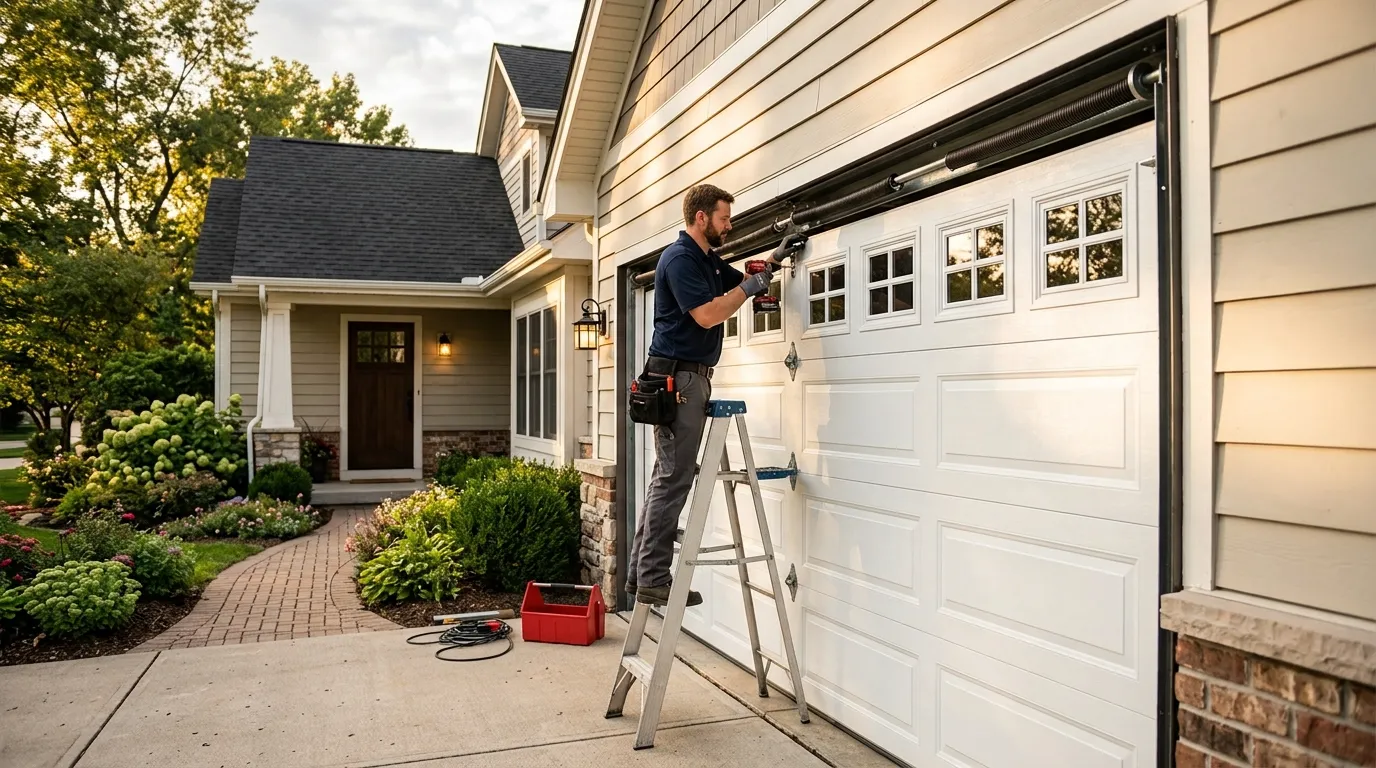
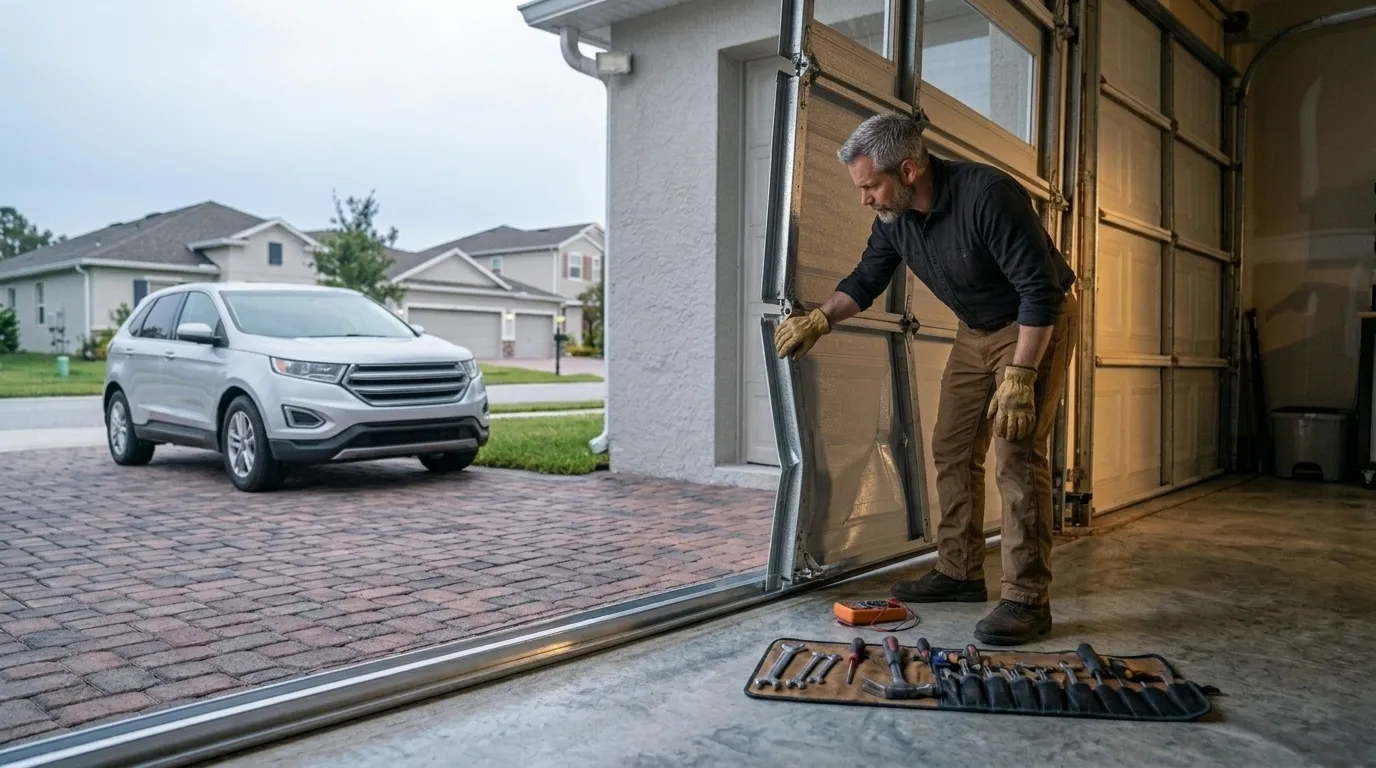
A door and track set installed around 1997 was built to the codes and hardware standards of that decade, which in this cold-climate service area usually means steel sectional doors with modest insulation values by today's standards, on torsion springs sized for the original door weight. If a homeowner has since swapped in a heavier insulated door without upsizing the spring, that's a common source of a hard-closing or slow-opening door we get called out for.
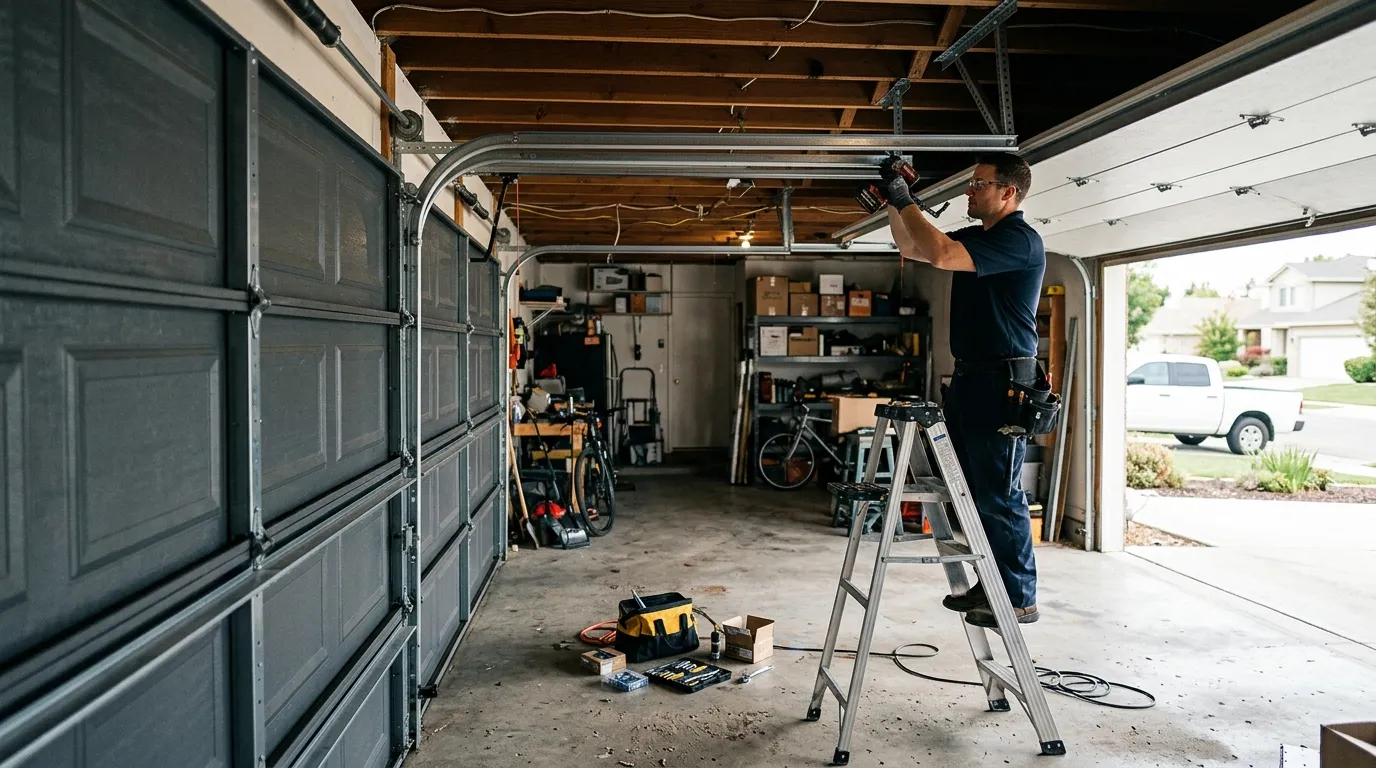
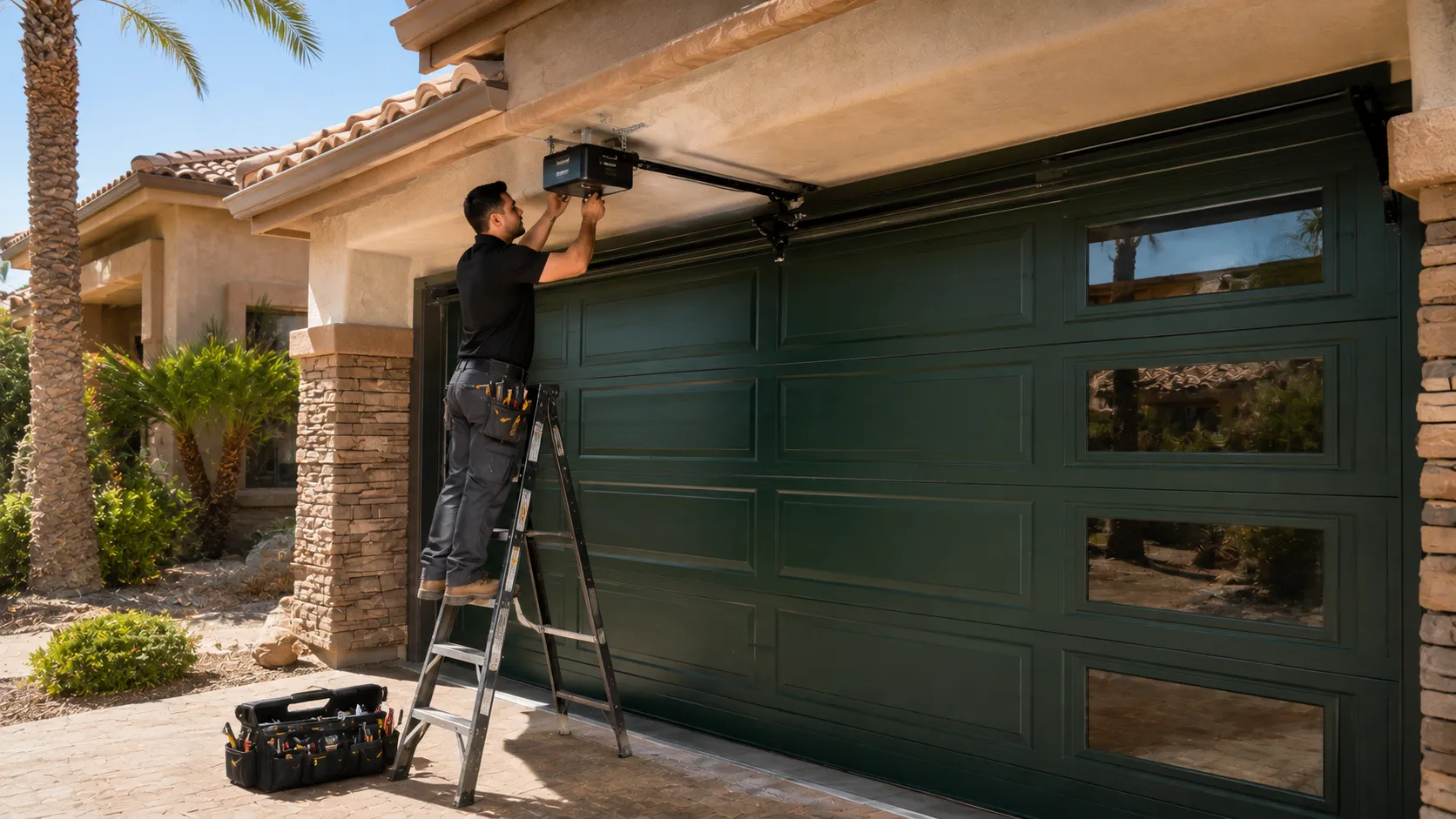
Openers from that era are the bigger issue. A chain or belt drive unit bought new in the late 90s is well past any manufacturer's expected service life, and logic boards from that generation aren't always stocked new anymore - we sometimes have to replace the whole head unit rather than a single part. In severe cold, old foam seals on doors this age have usually hardened and cracked, letting wind and snow blow under the bottom panel. That's a cheap fix compared to what it's protecting against.
The Calls We Get From Here
Because we're driving in from Longmont rather than working out of a depot in Aristocrat Ranchettes itself, we ask a few extra questions on the phone before the truck rolls - what year the door and opener went in, whether it's ever been serviced, and what it's doing when it fails. That lets us bring the right spring size and the right opener parts on the first trip instead of a second one.
Most calls from this area fall into two buckets: a spring that's broken outright, or an opener from the original build that's finally quit for good. Given the smaller number of households out here, we don't get the volume of calls we do from denser parts of the service area, but the jobs themselves track closely with the age of the housing - 1997-era hardware showing its age all at once.