24/7 Emergency Service Open 7 days · 7am–8pm Serving Longmont, CO & nearby
(720) 738-7725
Longmont, CO

Deciding Whether to Repair or Replace a Longmont Garage Door

Longmont's housing runs 1952 to 2010, most of it built in the 80s and 90s. Here's how that age and Colorado's cold decide repair versus replace.

Deciding Whether to Repair or Replace a Longmont Garage Door

What Is Going On

Longmont's housing stock spans 1952 to 2010, with the median build year at 1997 and most of the stock across the area's 23 named neighborhoods going up during the 1980s and 90s. That matters because a door installed with the house is now sitting somewhere between 25 and 45 years old, depending on which section of town you're in. Doors from that era were built with steel torsion springs rated for a shorter cycle life than what's sold today, and openers from the 80s and early 90s often ran on chain drive with no rolling code, no battery backup, and no auto-reverse sensors worth trusting. If your house falls in that build window, the door itself is likely original or a first replacement, and the opener has probably been swapped once already. Knowing where your house sits in that 1952-2010 range tells you more about what's behind the panel than the door's outside condition ever will. A door that looks fine from the driveway can still be running on a spring nobody makes anymore.

When It Stops Being a DIY Job

A torsion spring replacement on a door built during Longmont's 1980s-90s construction wave isn't a weekend project - those doors carry high-tension springs sized for heavier sectional panels, and the winding bars needed to safely release that tension aren't something most homeowners keep in a garage. If the door is original to a house from that main building era, the track hardware is also original, which means bent rail, worn rollers, and a cable that's frayed near the drum are all more likely at once, not one at a time. Past a certain point, replacing a single part on a door that old is just delaying the next failure. If the bottom bracket, the springs, and the opener are all original to a house built before, say, 2000, a full replacement usually costs less over five years than three separate service calls. We'll tell you straight when a repair isn't worth doing - that's not us trying to sell a new door, that's just what 25-plus-year-old hardware does once one part goes.

What Local Conditions Do

Longmont sits in a severe cold climate band, and that changes what actually wears out on a garage door versus what just looks worn. Steel contracts in hard cold, which tightens tolerances on tracks and rollers that were already aligned for warmer install-day conditions. Torsion springs lose a measurable amount of lifting force in sustained cold, so a door that closed fine in July can bind or drop hard in January on the exact same spring. Nylon rollers get brittle and crack faster in a severe cold band than they would in a milder one, and steel rollers without sealed bearings ice up inside the bearing race. None of this is dramatic - it's slow wear that shows up as a louder door, a slower open, or an opener that strains on cold mornings. On an older door already running past its spring's rated cycle count, cold-weather stress is usually what pushes a marginal part into a broken one.

Doing Nothing For Now

Not every older door needs work right now, and we won't tell you otherwise. If the door is original to a house built in the 1980s or 90s, opens without grinding or sagging, and the opener still auto-reverses when you test it with a block of wood on the floor, you can reasonably wait. What we'd flag as worth watching: a spring that looks stretched or has a visible gap in the coils, a bottom panel with rot or rust at the corners, and an opener with no auto-reverse feature at all - that last one is a safety issue we won't ignore regardless of budget. The honest limit here is that we can't tell you exactly how many months a given spring has left just from a description over the phone; spring life depends on cycles, not calendar years, and estimating remaining life without seeing the door in person is guesswork we're not going to sell as an answer.
How it works

From “it’s stuck” to “it’s fixed”

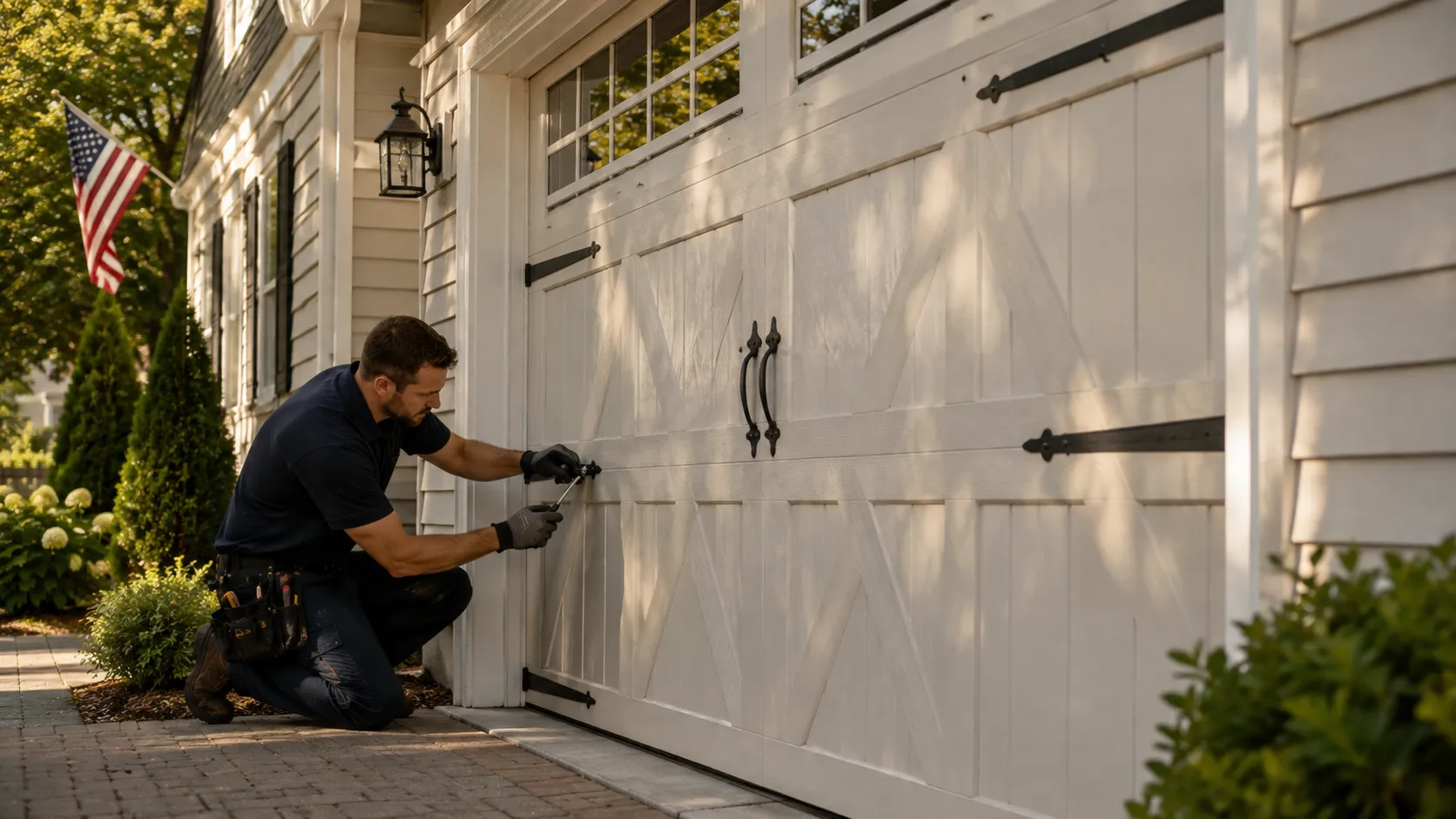
Tell us what’s wrong - Longmont garage door service

Tell us what’s wrong

Describe the symptom - won’t open, loud bang, opener runs but the door won’t move.

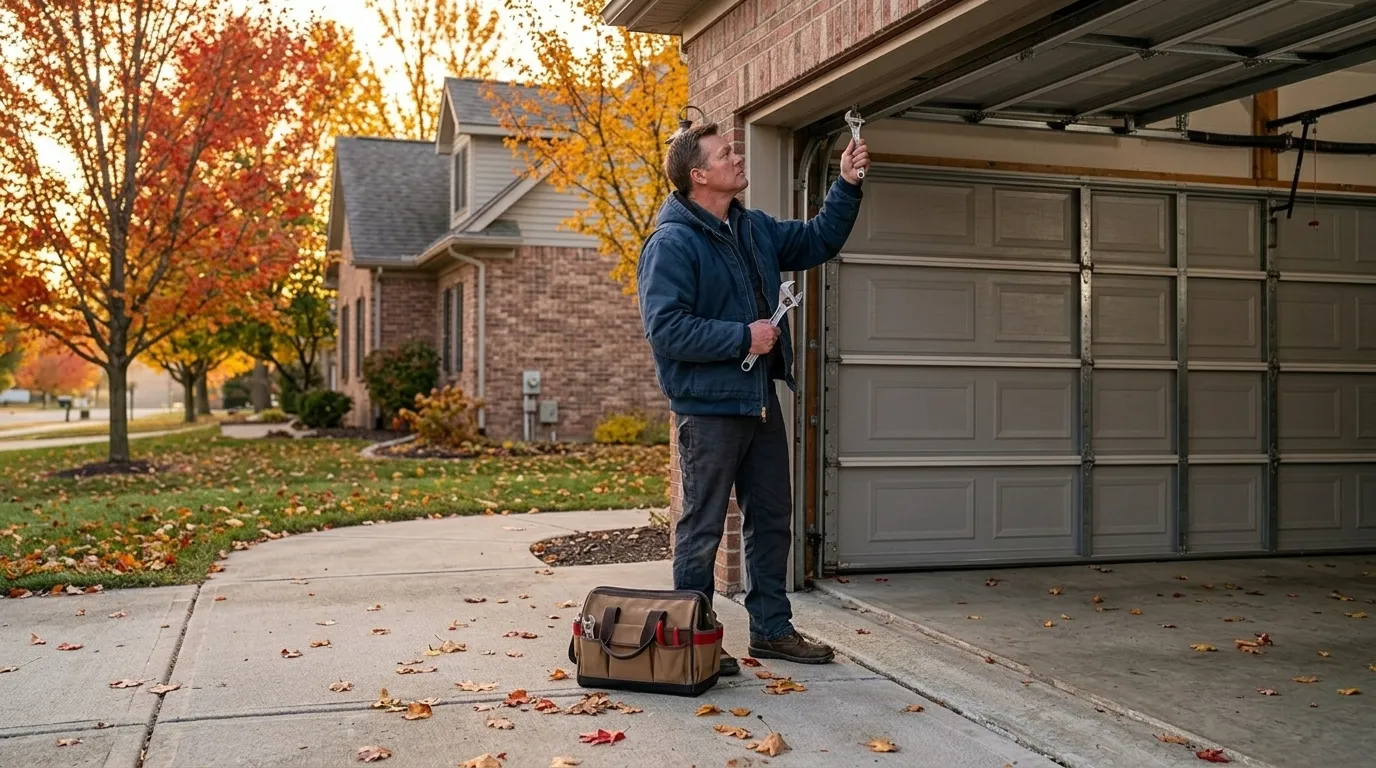
On-site diagnosis - Longmont garage door service

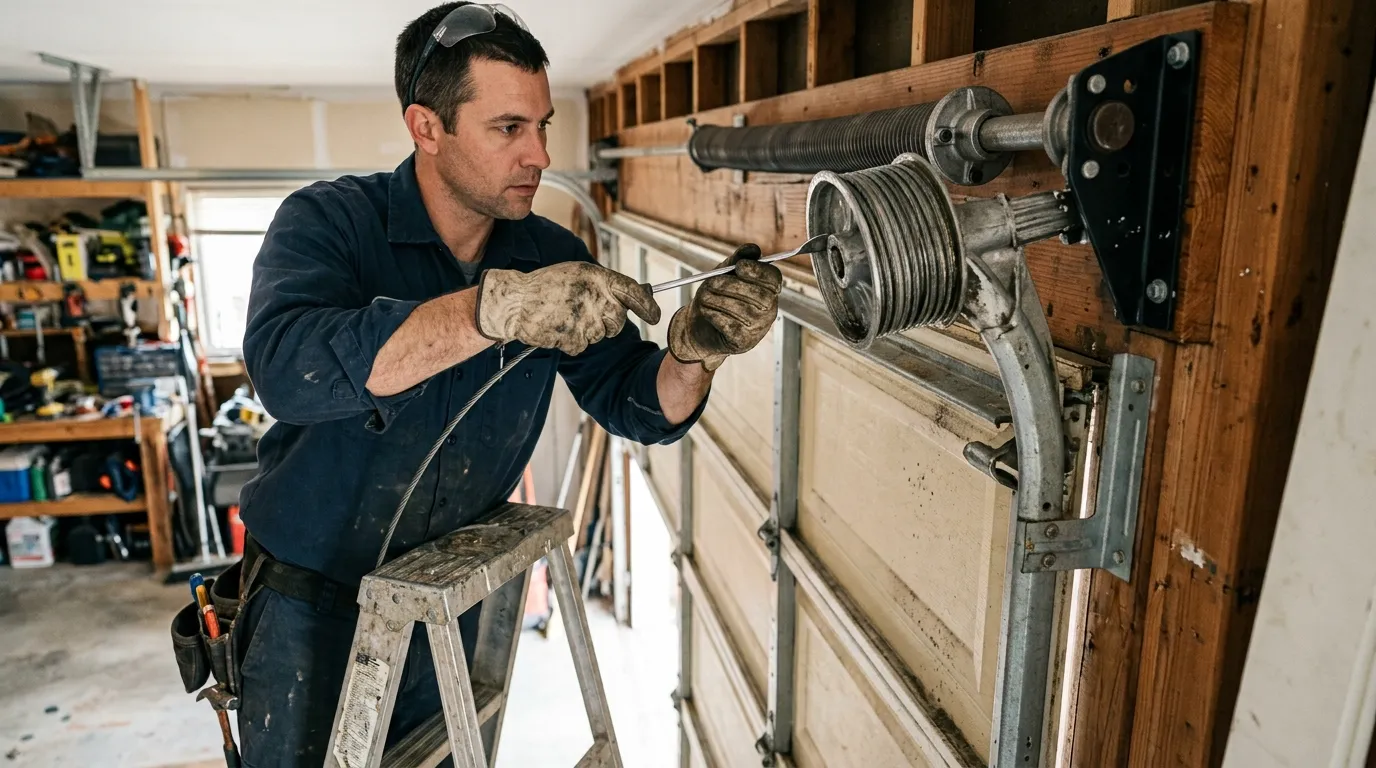
On-site diagnosis

A technician tests the door under power and by hand and finds what actually failed.

Clear, up-front plan - Longmont garage door service

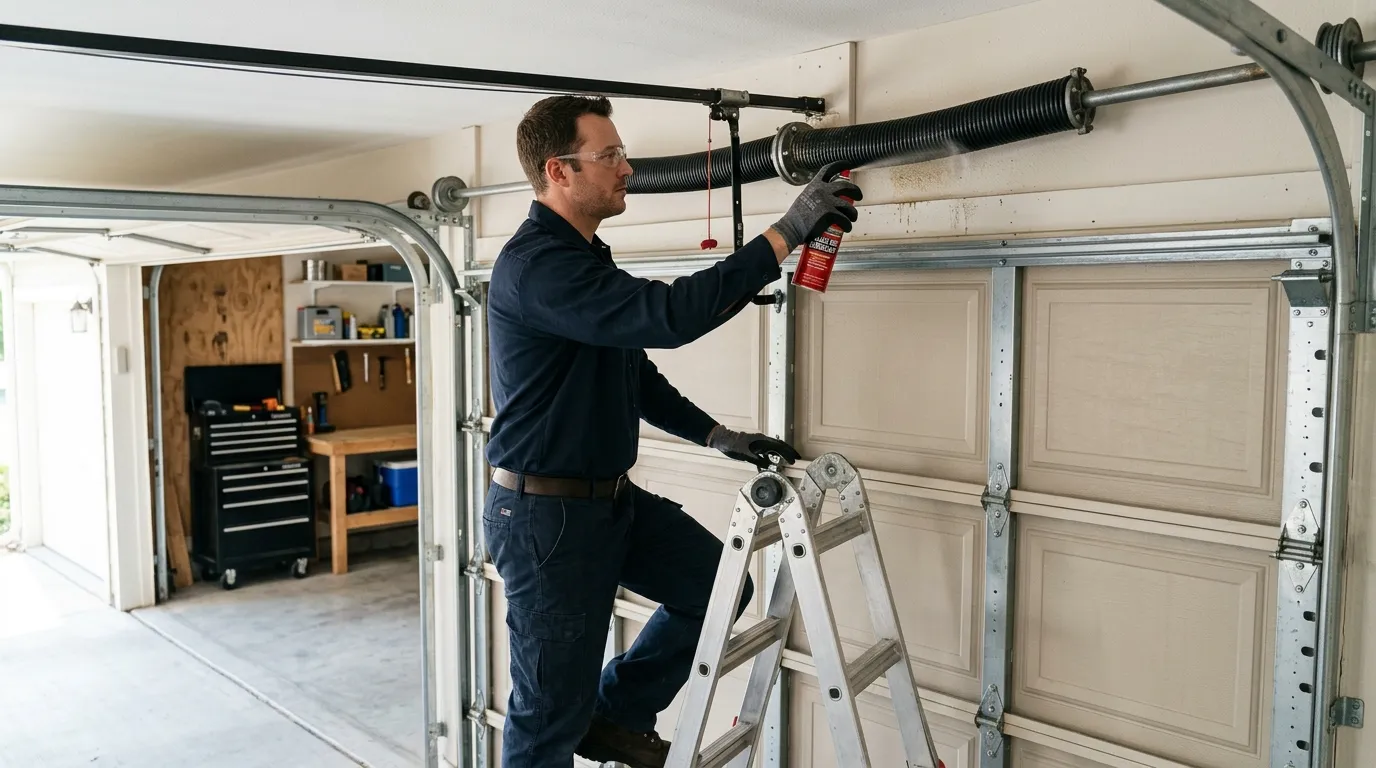
Clear, up-front plan

You get the fix that’s needed and what drives the cost - before any work starts.

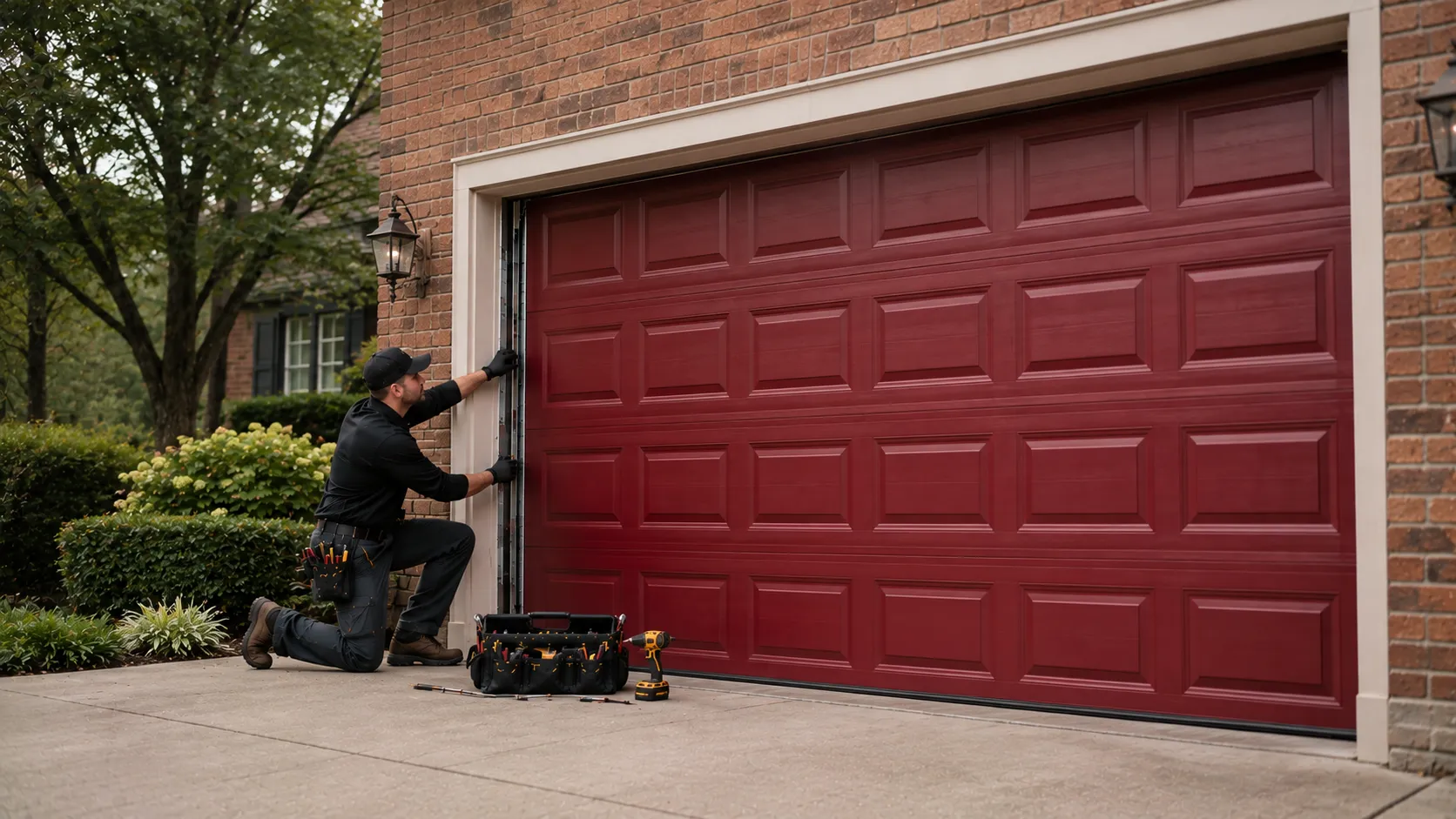
Repaired & tested - Longmont garage door service

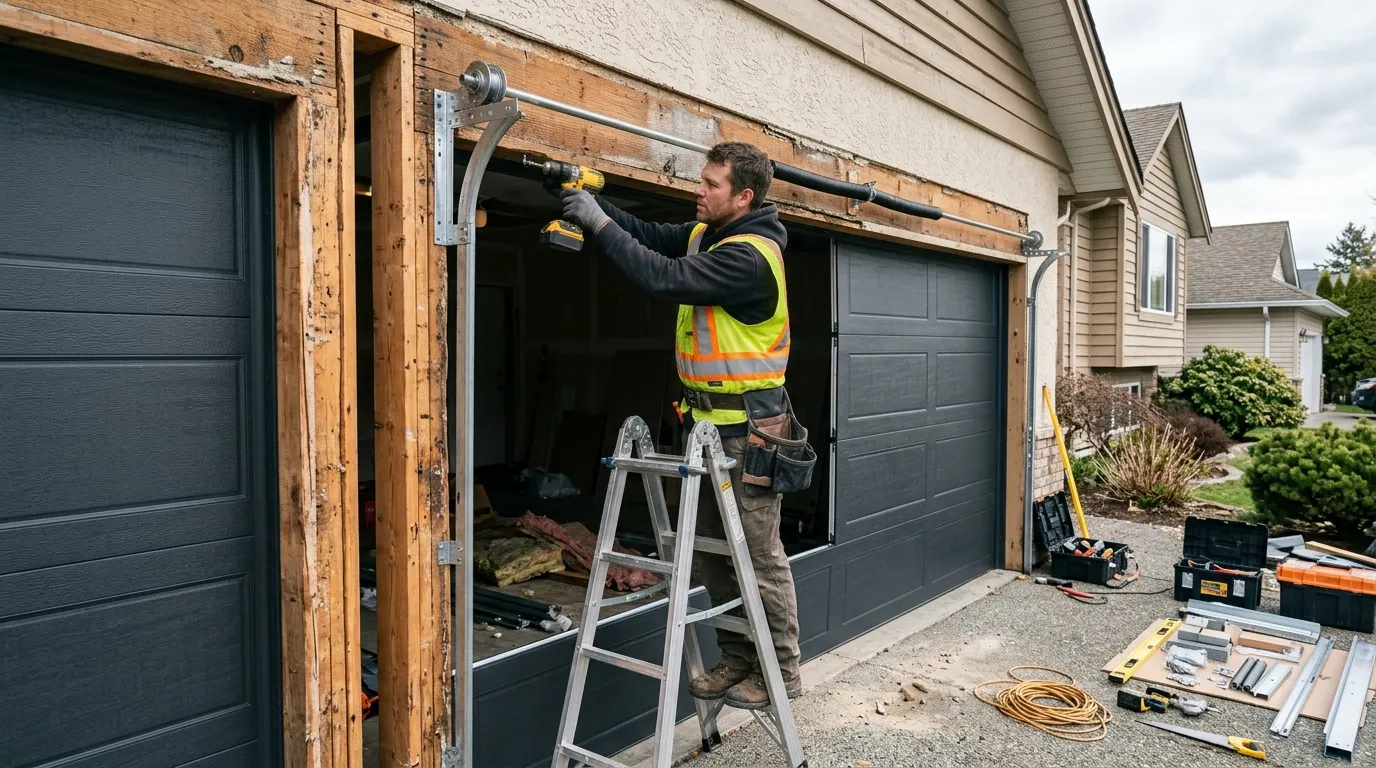
Repaired & tested

The repair is done, the door is set true and tested, and the work area left clean.

Serving Longmont, CO - tell us what your door’s doing and we’ll take it from there.

How we work

What to expect

Diagnosis firstEvery visit starts by finding what actually failed - not a pre-written parts list.
The right part for the doorSprings and openers matched to the door’s weight and age, so the fix holds up.
Straight answersWhen a repair makes more sense than a replacement - or the reverse - you hear it plainly.
Clean, careful workTension released safely, hardware set true, the door tested under power before we leave.
Questions

Frequently asked

Straight answers about garage door repair in Longmont. Still unsure? Ask us directly.

How old does a garage door have to be before repair stops making sense?

There's no fixed age, but doors original to houses built in Longmont's main 1980s-90s construction period are now 25 to 45 years old. At that age, if the springs, rollers, and opener are all original, one failure usually signals the rest are close behind, and a full replacement often costs less than a string of separate repairs.

Does Longmont's cold really affect garage door springs?

Yes. In a severe cold climate band, steel torsion springs lose measurable lifting force in sustained cold, so a door that worked fine in summer can bind or drop hard once winter sets in, even with no new damage. This shows up hardest on older springs already near the end of their rated cycle count.

Can I tell if my opener is a safety risk without calling anyone?

Test auto-reverse yourself: place a block of wood on the floor where the door closes and watch whether it reverses on contact. Openers from before the mid-90s often lack this feature entirely. If yours doesn't reverse, that's a safety issue worth acting on regardless of the door's age or cosmetic condition.

Ready to get your garage door sorted?

Tell us what it’s doing and where you are in Longmont - we’ll take it from there.

Request a QuoteCall