This Area's Housing
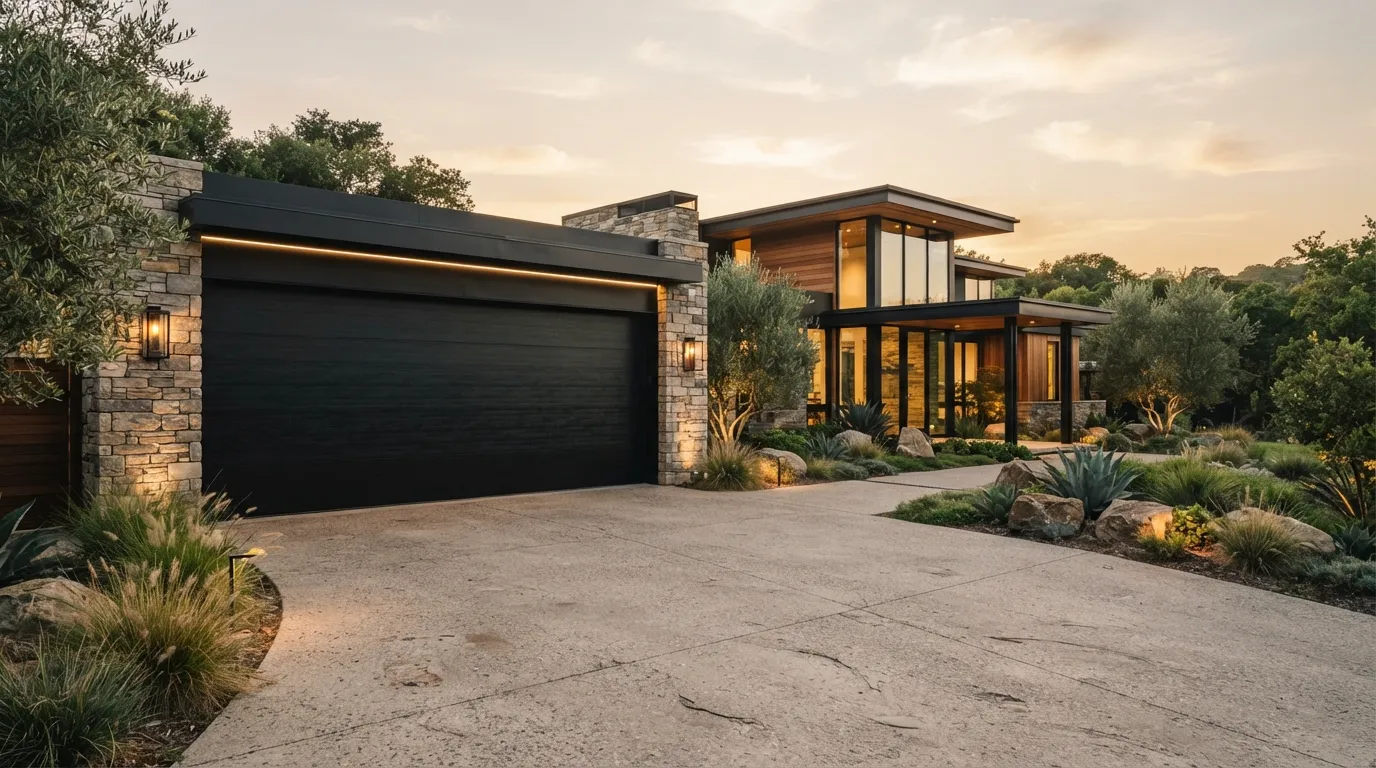
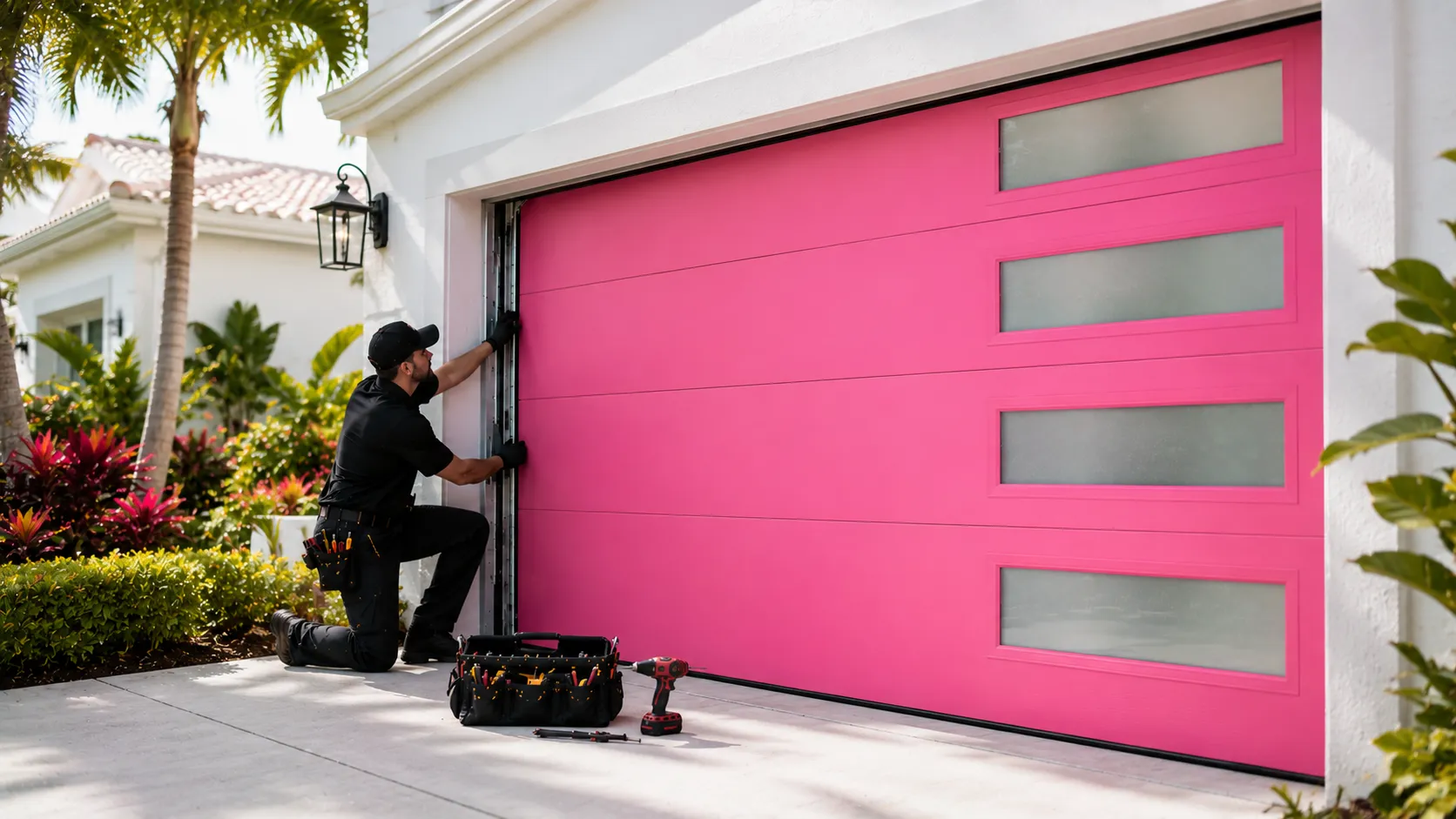
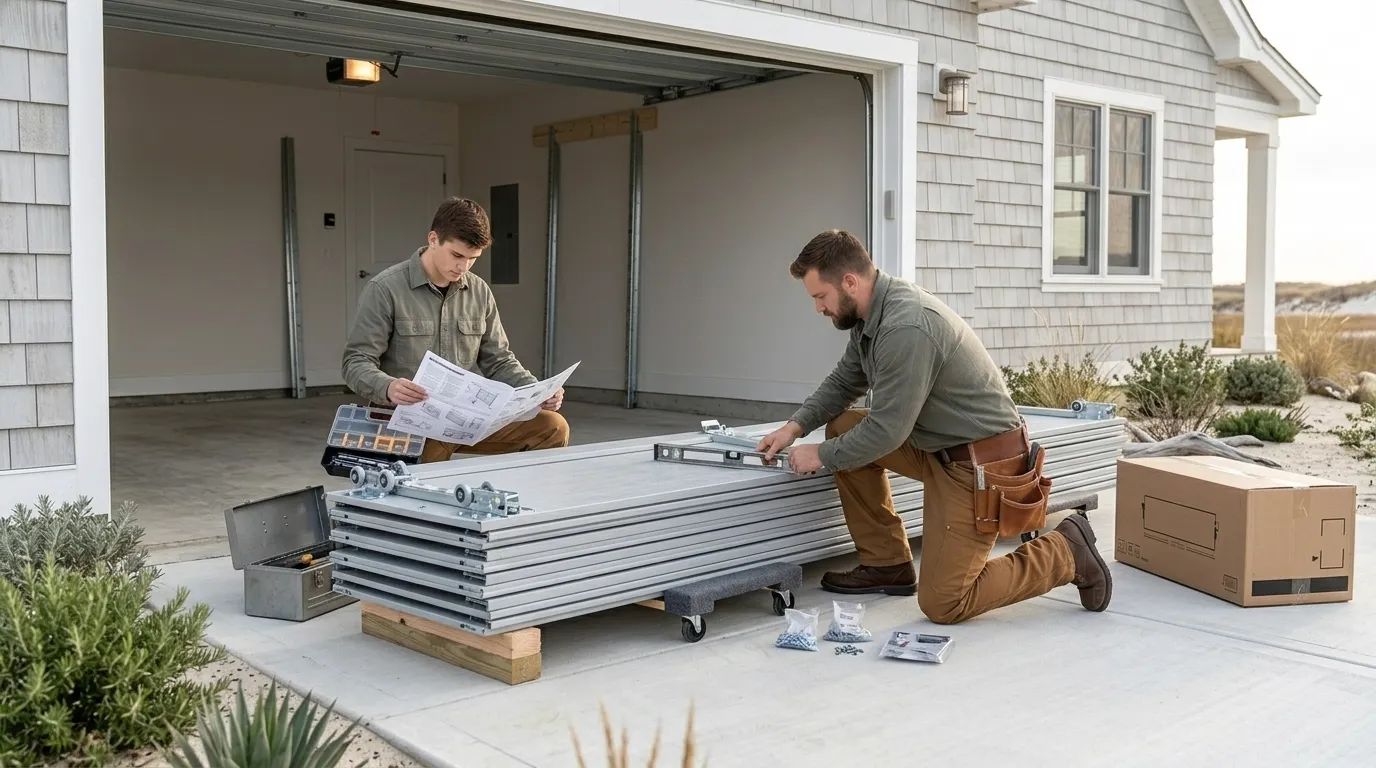
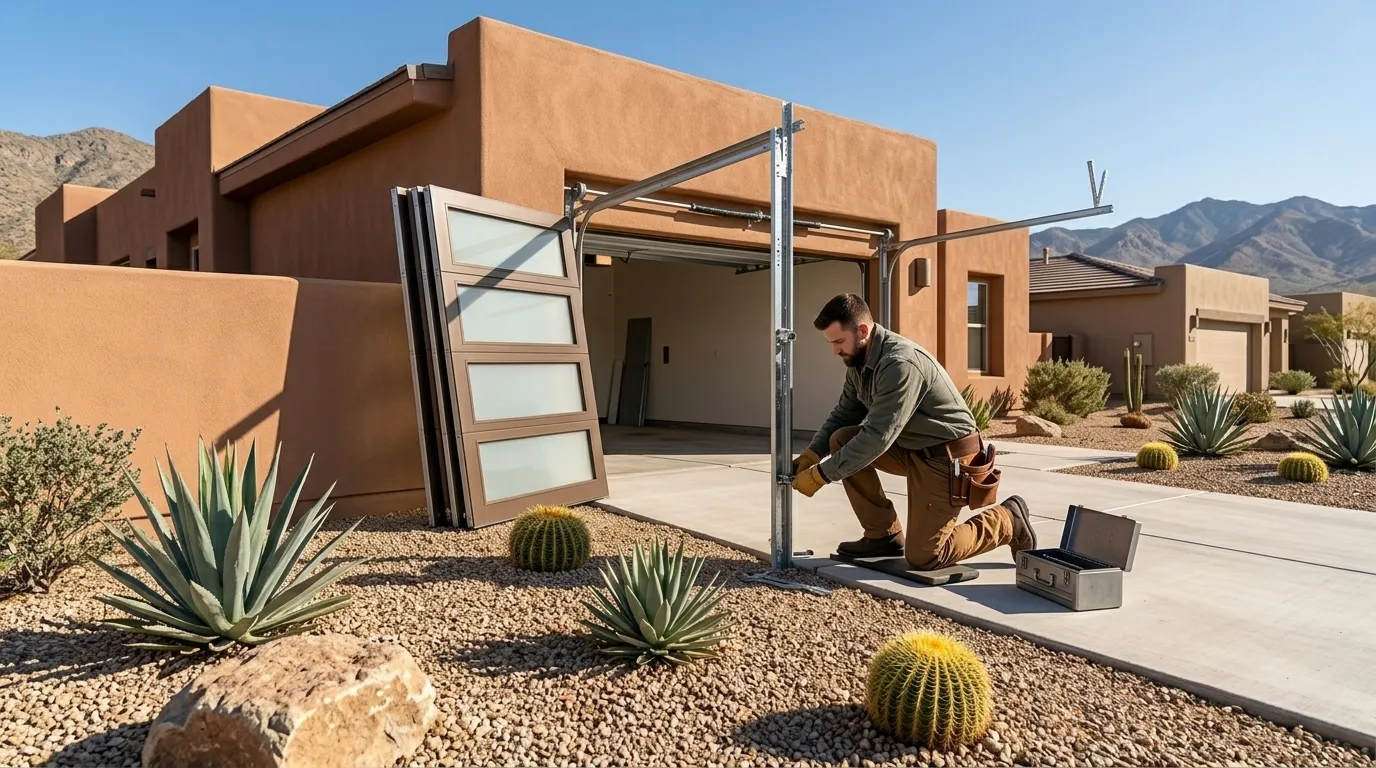
Frederick is younger than a lot of what we cover out of Longmont. The median build year here is 2007, while the wider service area runs closer to 1997, and plenty of neighborhoods we drive through are 1980s and 90s stock. That gap matters. A house built in 2007 came with a steel sectional door, a chain or belt-drive opener with a photo-eye safety sensor, and factory torsion springs sized to code at the time. It didn't come with the older extension-spring setups or the one-piece doors you still find on the 1960s streets closer to Longmont proper. With roughly 5,454 households in Frederick, most of the doors we'd be called to are still inside their first or second spring cycle, not their third or fourth. That's a different job than what we see on older blocks - less rust-through, more original hardware that's simply aged out or was never adjusted right to begin with.
What That Means for Doors
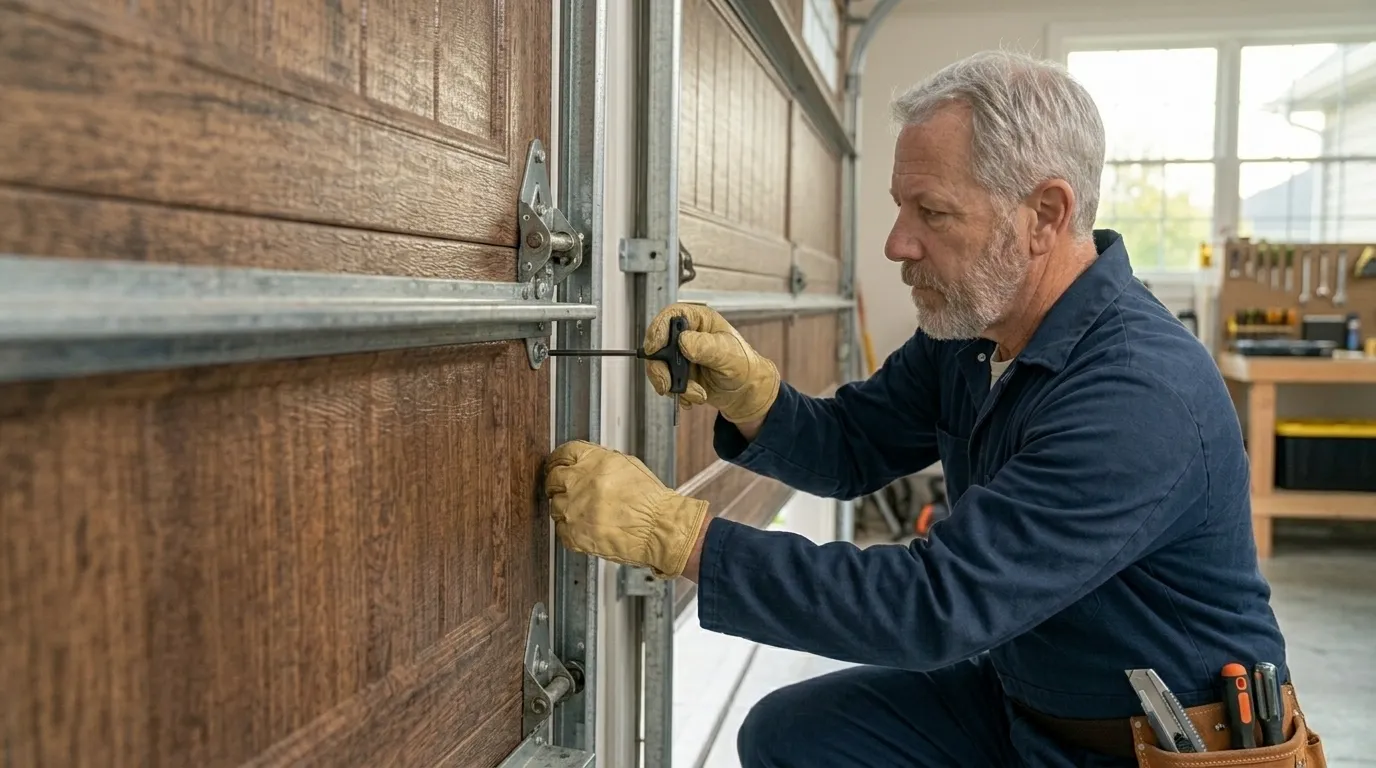
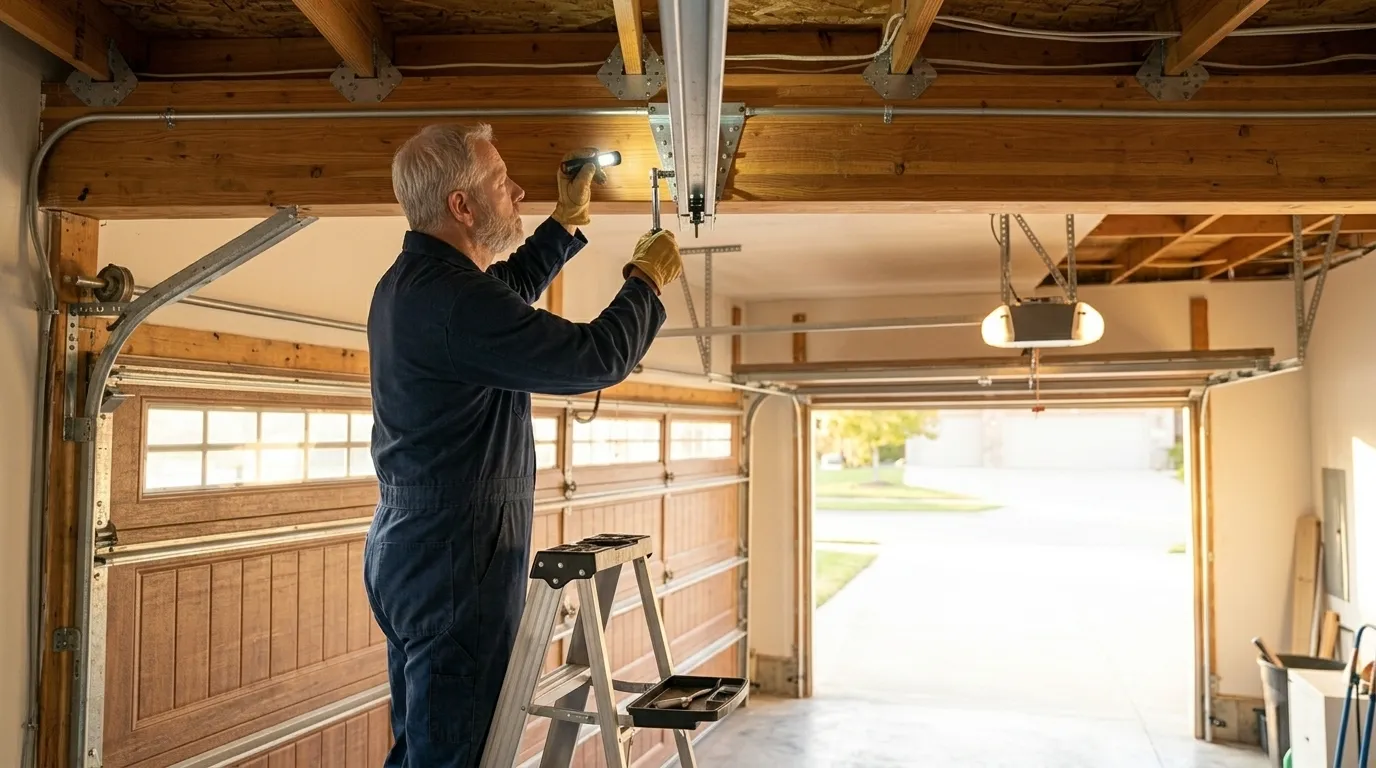
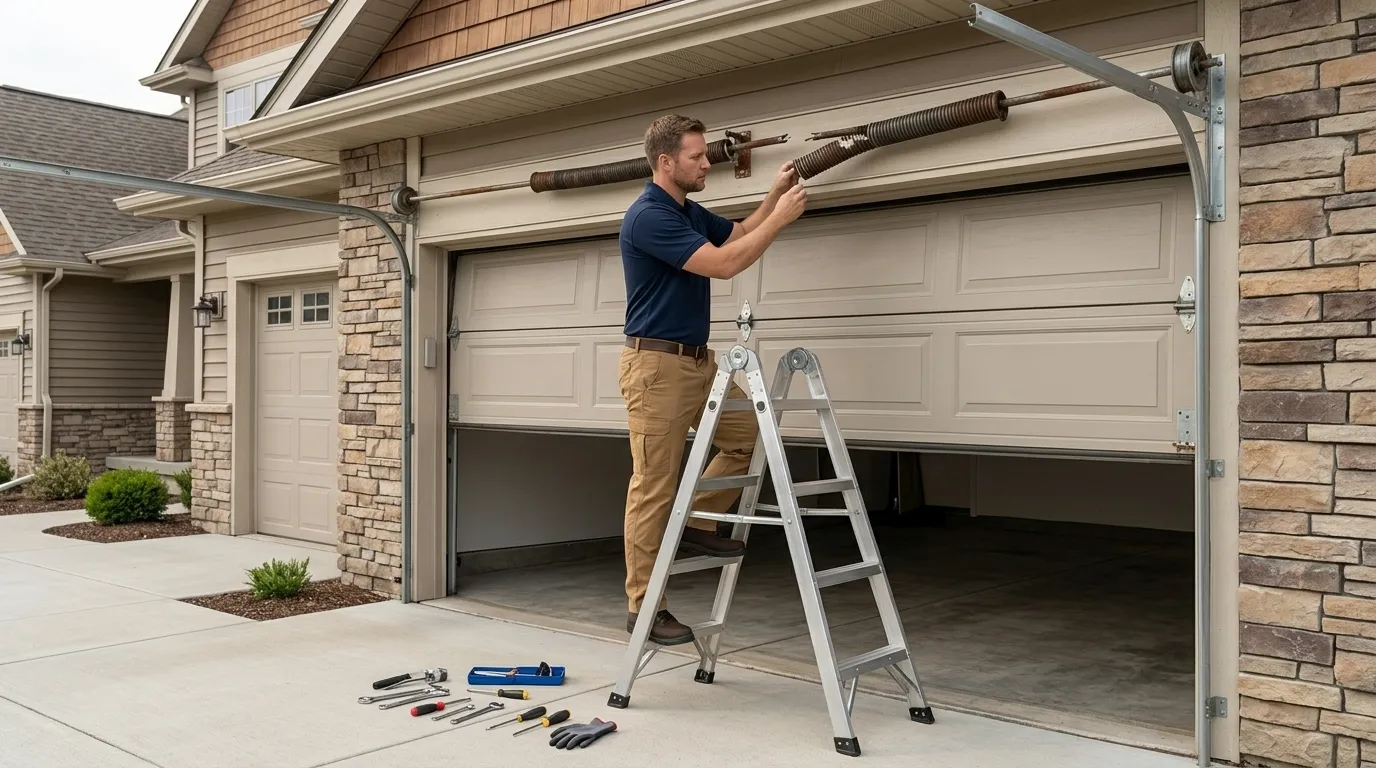
Newer construction means the failures skew toward wear-and-tear on factory parts rather than outdated systems that need a full swap. Torsion springs installed in the mid-2000s are hitting the end of a normal 7-12 year cycle now, so a snapped spring on a 2007-2010 door isn't surprising, it's on schedule. Openers from that era are often the first-generation chain-drives that are loud, slow, or starting to strip a gear - not the smart, battery-backup units builders install today, but not the ancient screw-drives either. Cold-climate weather still applies here the same as anywhere in the service area: winter cold thickens grease in bearings and can make a marginal spring fail outright on the first hard freeze. The one thing that doesn't change with build year is bottom weatherseal - vinyl degrades on a schedule set by UV and cold, not by when the house was framed.
The Calls We Get From Here
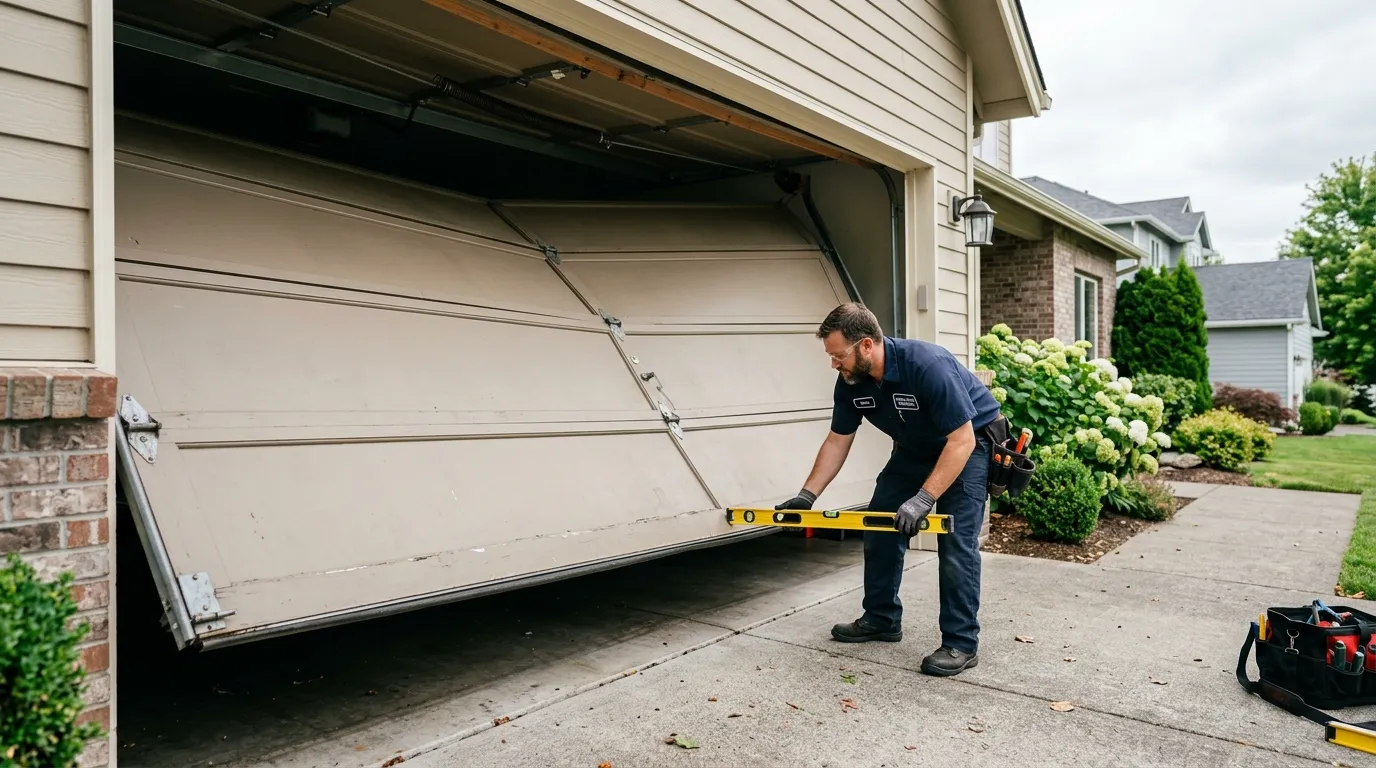
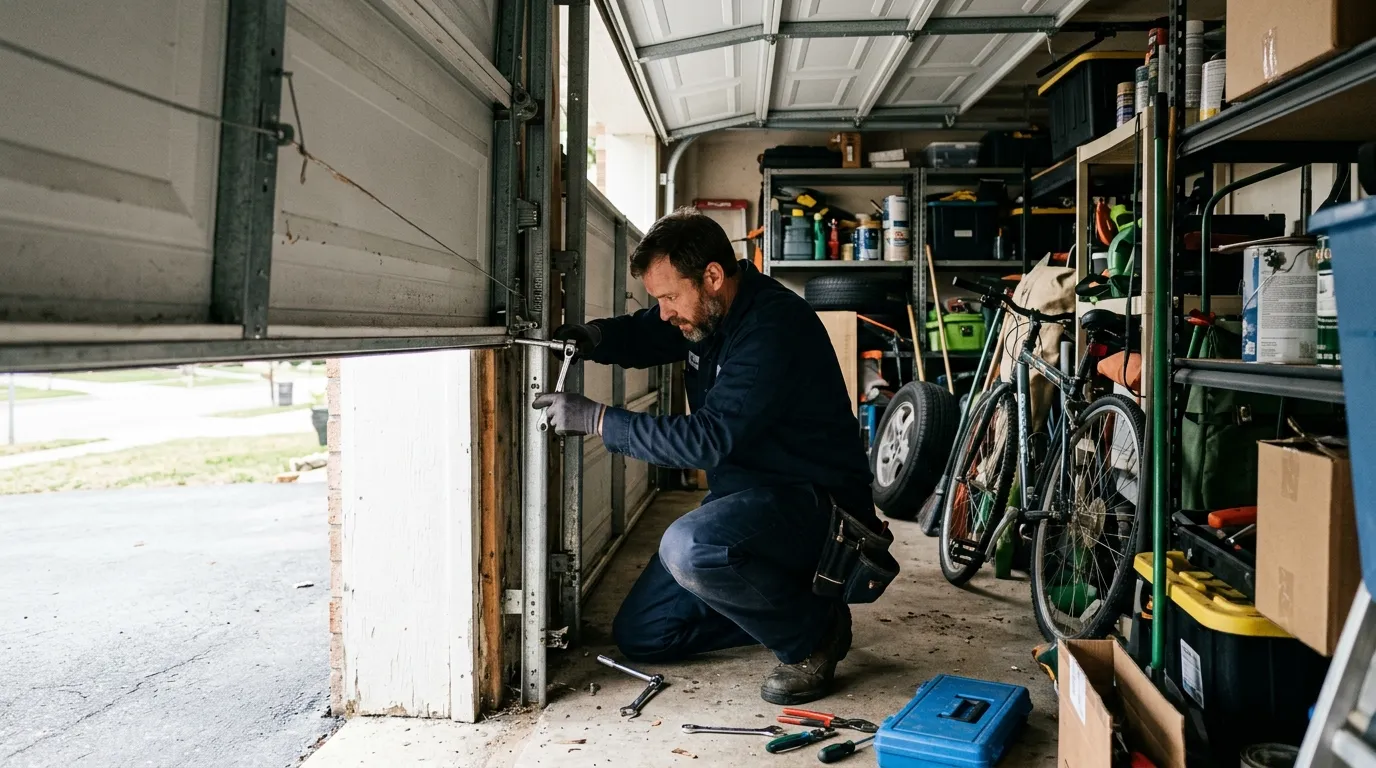
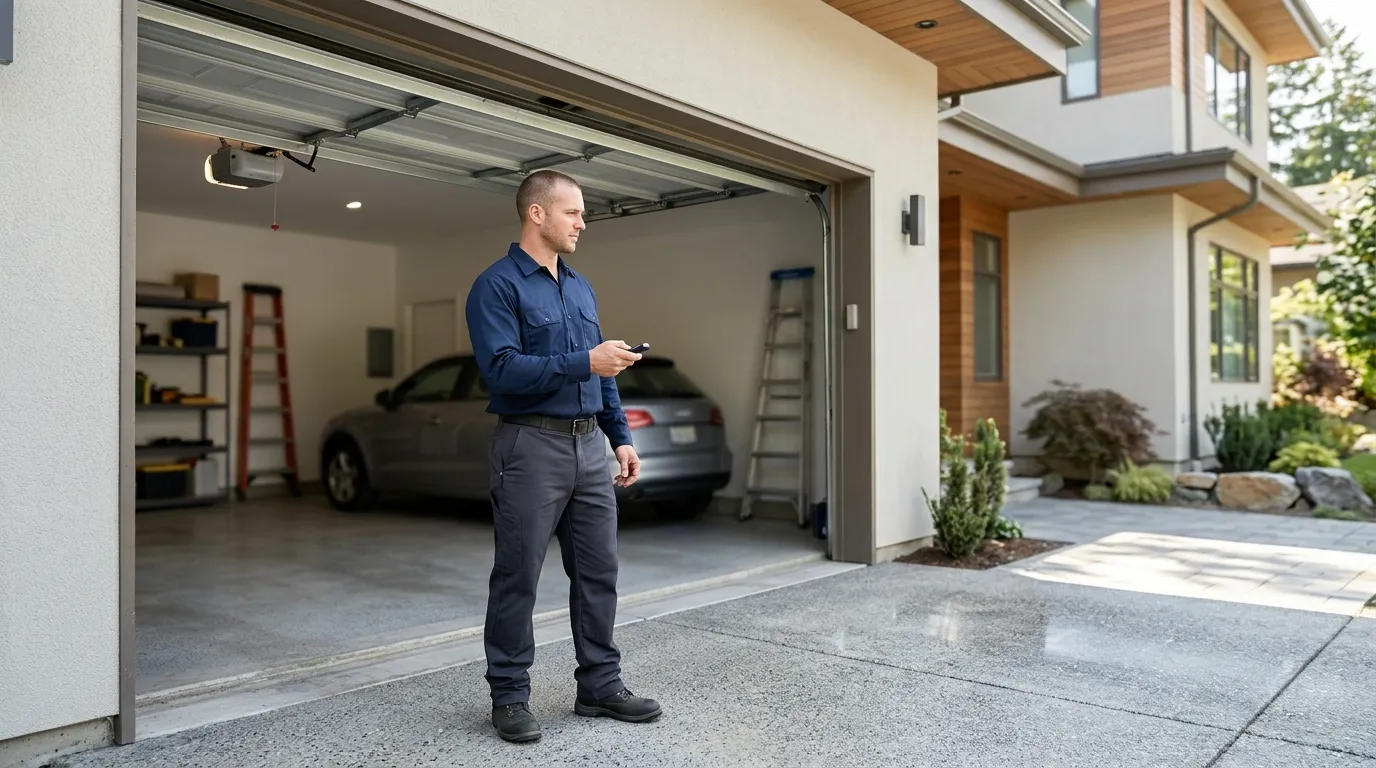
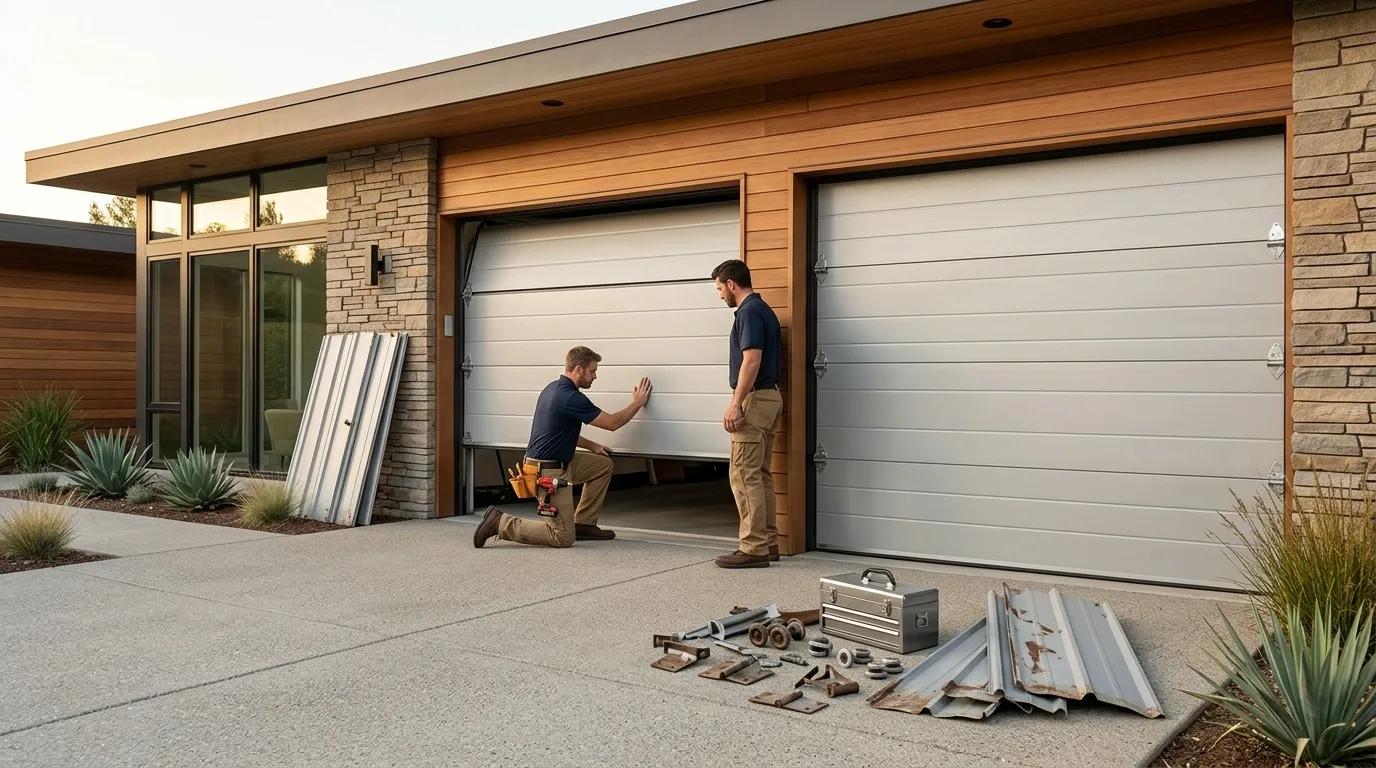
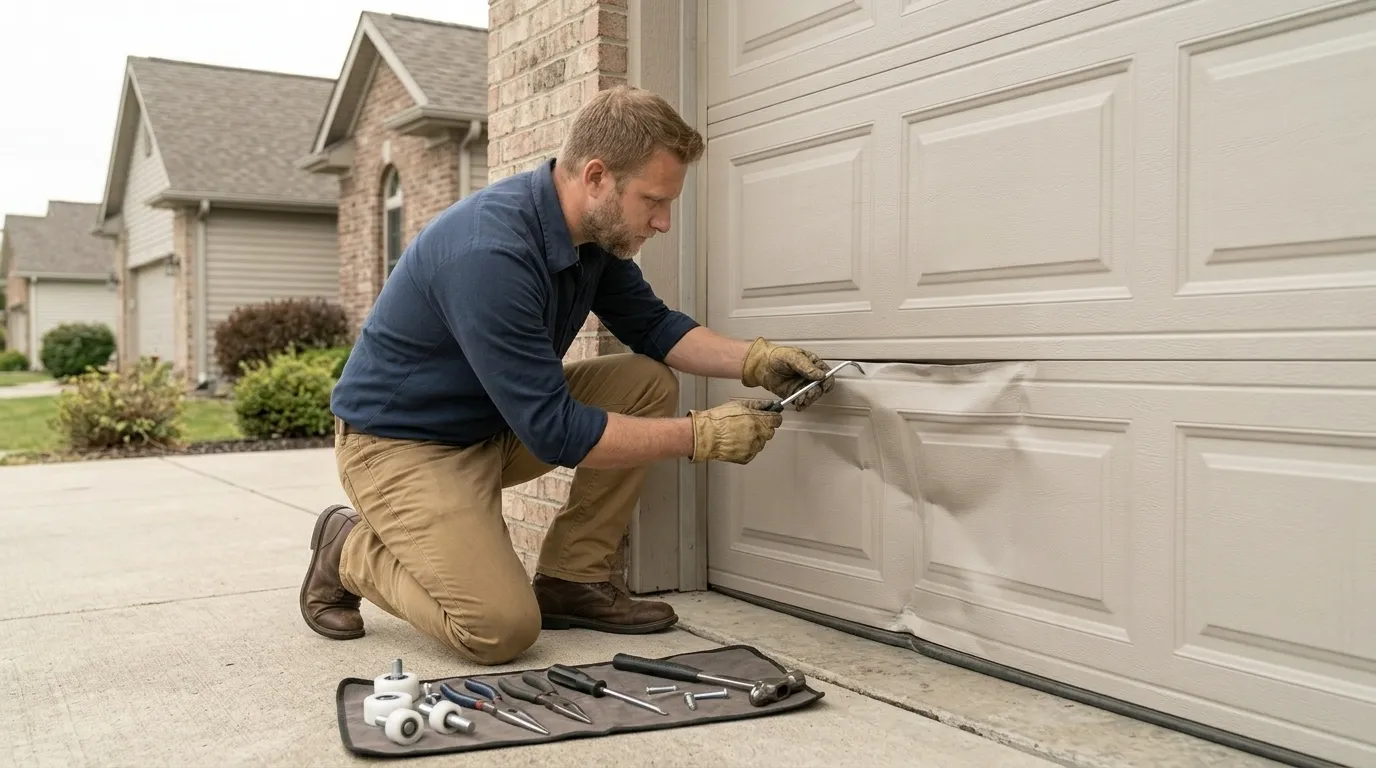
We're based in Longmont, about 8 miles from Frederick, and we run trucks out this way as part of our regular coverage, not as a special trip. Most calls we take from this area are for a spring that let go without warning, an opener that's started grinding or stopped responding to the remote, or a door that's come off its track after a roller failed. With household income here running higher than the service-area median, we also get more calls for replacement rather than patch-repair - people would rather put in a new opener with a battery backup than keep nursing a fifteen-year-old chain-drive. One honest note: if your spring or cable failed and the door is still sitting crooked on its tracks, don't run the opener again until it's looked at. Forcing it can bend the track or strip the drive gear, turning a $200 spring job into something bigger.