The DIY Question
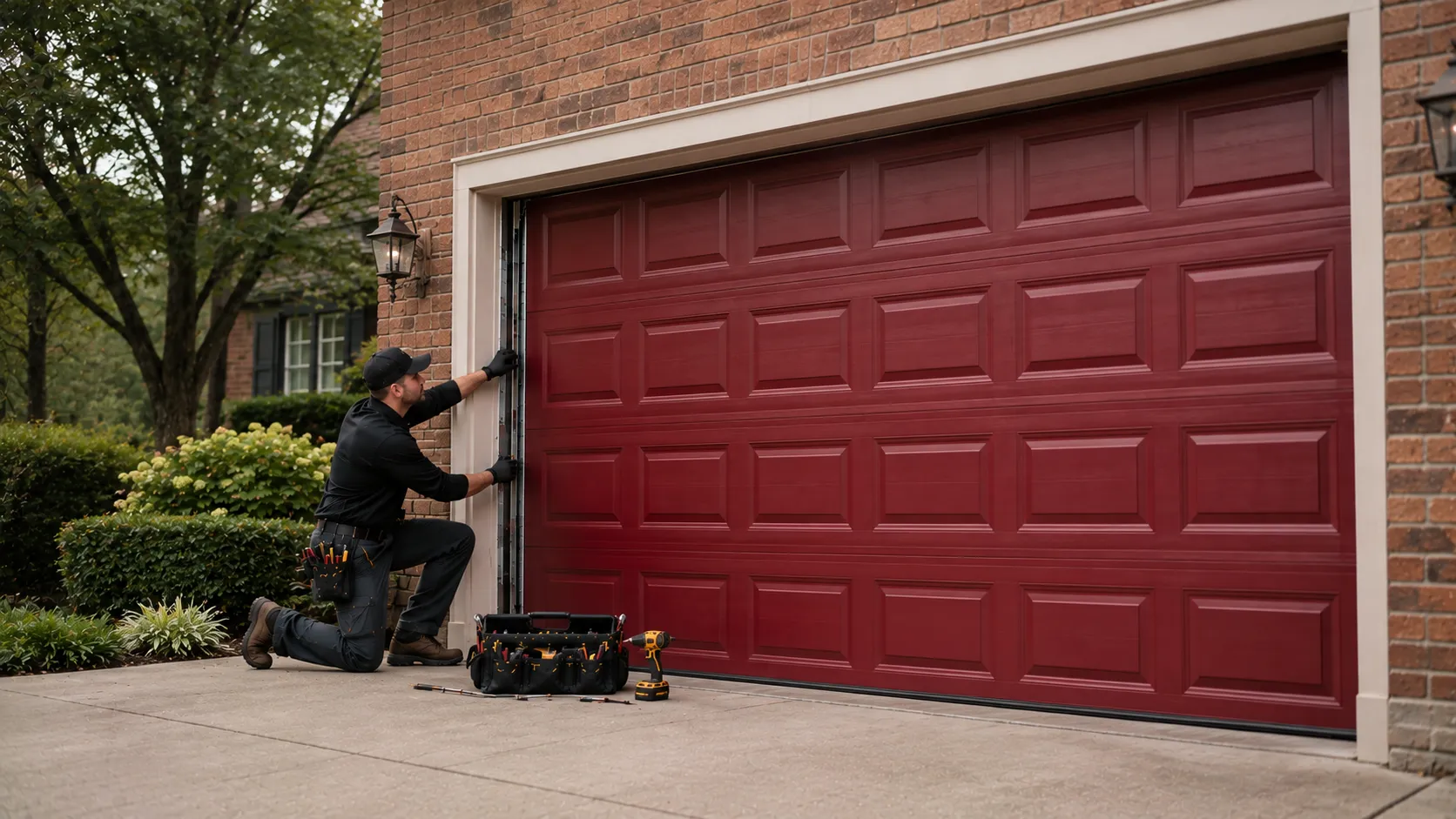
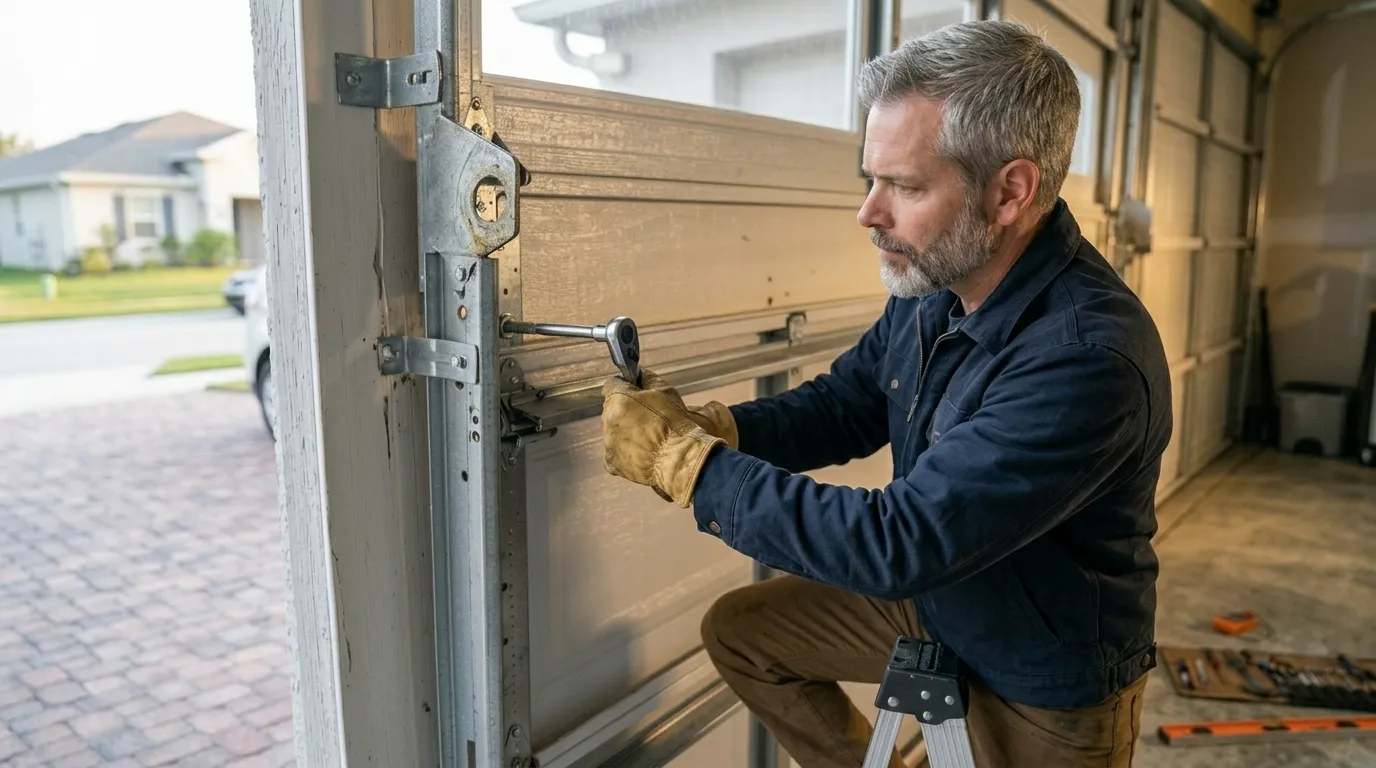
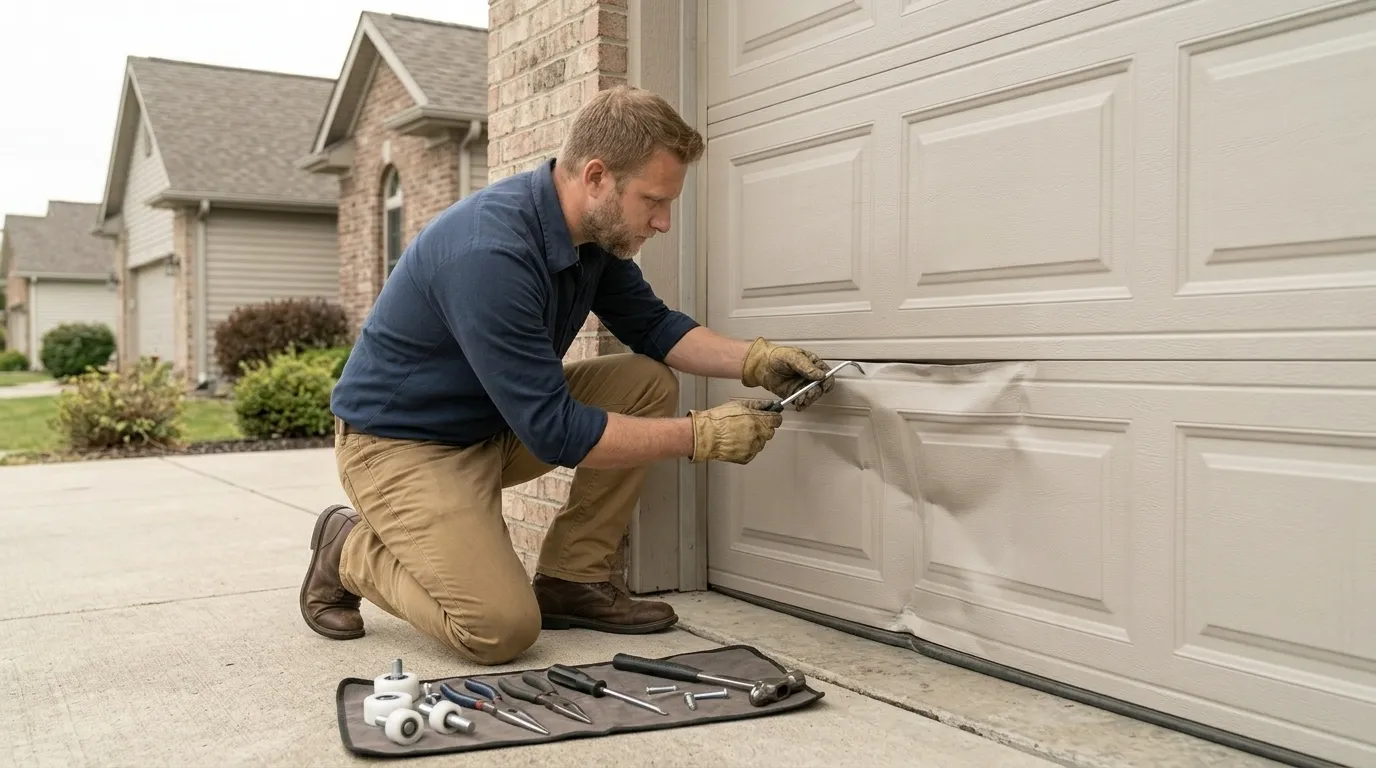
A lot of Longmont homeowners ask if they can swap a garage door themselves, especially after watching a video that makes it look like a weekend project. For a like-for-like panel swap on a newer sectional door, some handy owners manage it. For a full install, we'd rather be honest than take the job and disappoint you.
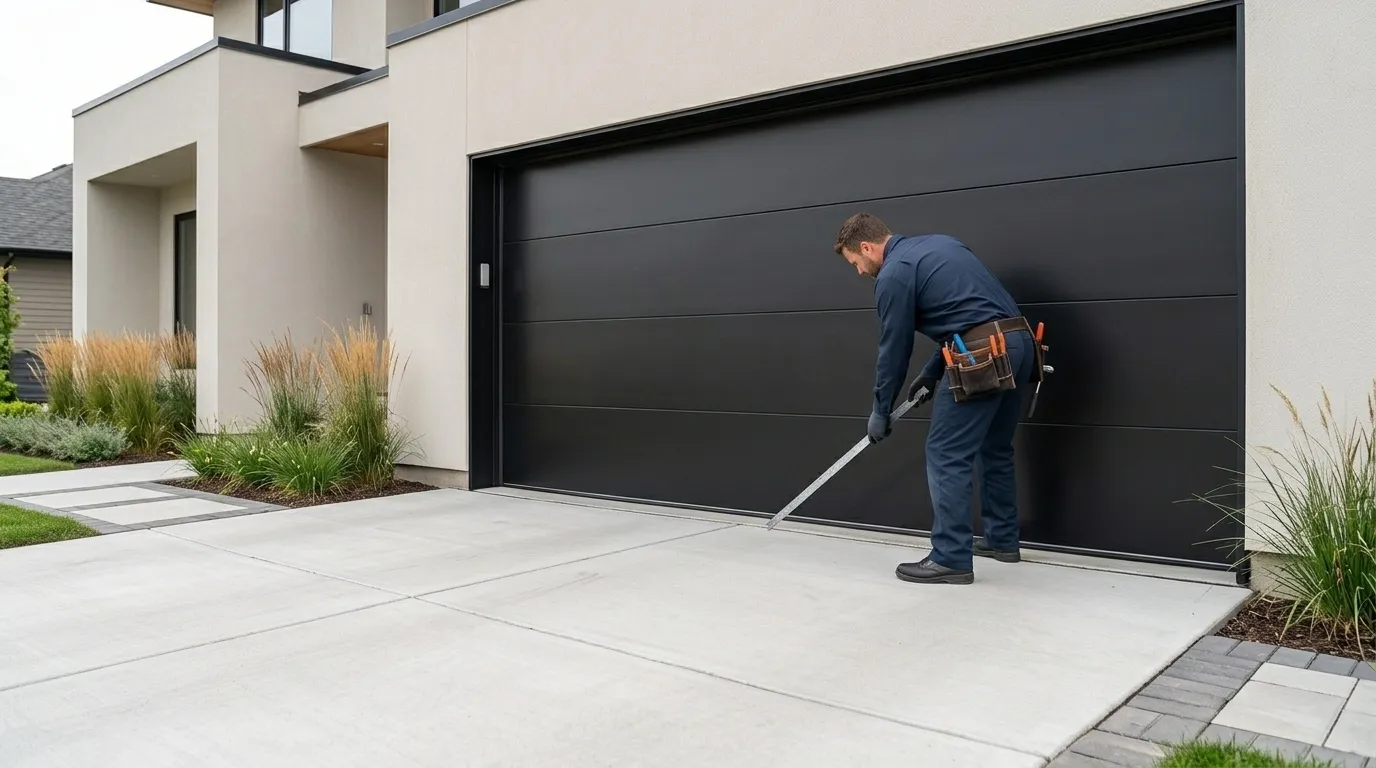
Here's the catch specific to this area: Longmont's housing stock runs from 1952 up through 2010, with a lot of it built in the 1980s and 90s across the named subdivisions in and around town. That means openings, track spacing, and header clearance are not standardized the way they are in a newer subdivision built to one plan. A door ordered for a generic 16x7 opening doesn't always fit what's actually framed into a house from that era, and torsion spring counterbalance has to be calculated for the door's real weight, not guessed at.
We don't do the install-and-hope approach. If a job needs custom jamb work or the opening is out of square, which happens more than you'd think in this age range of housing, that's a call to make before the door shows up, not after. That's the one limitation worth saying plainly: we won't force a stock door into a nonstandard opening and call it done.
How Long You Are Without the Door
Installation itself is usually a same-day job once the door is on site. What varies is the wait before that day. Standard steel sectional doors are often quick to source. Insulated doors sized for the older openings common in this housing stock, or anything custom to fit a nonstandard frame from a 1980s or 90s build, can take longer to get in.
We'll give you a real number when we see the opening and know what we're ordering, not a placeholder timeline. If your current door has failed and you're stuck without a working garage in the meantime, tell us that up front so we can talk about what's actually available sooner versus what fits best long-term. Those aren't always the same door, and it's better to know that before you commit.
Why It Happens Here
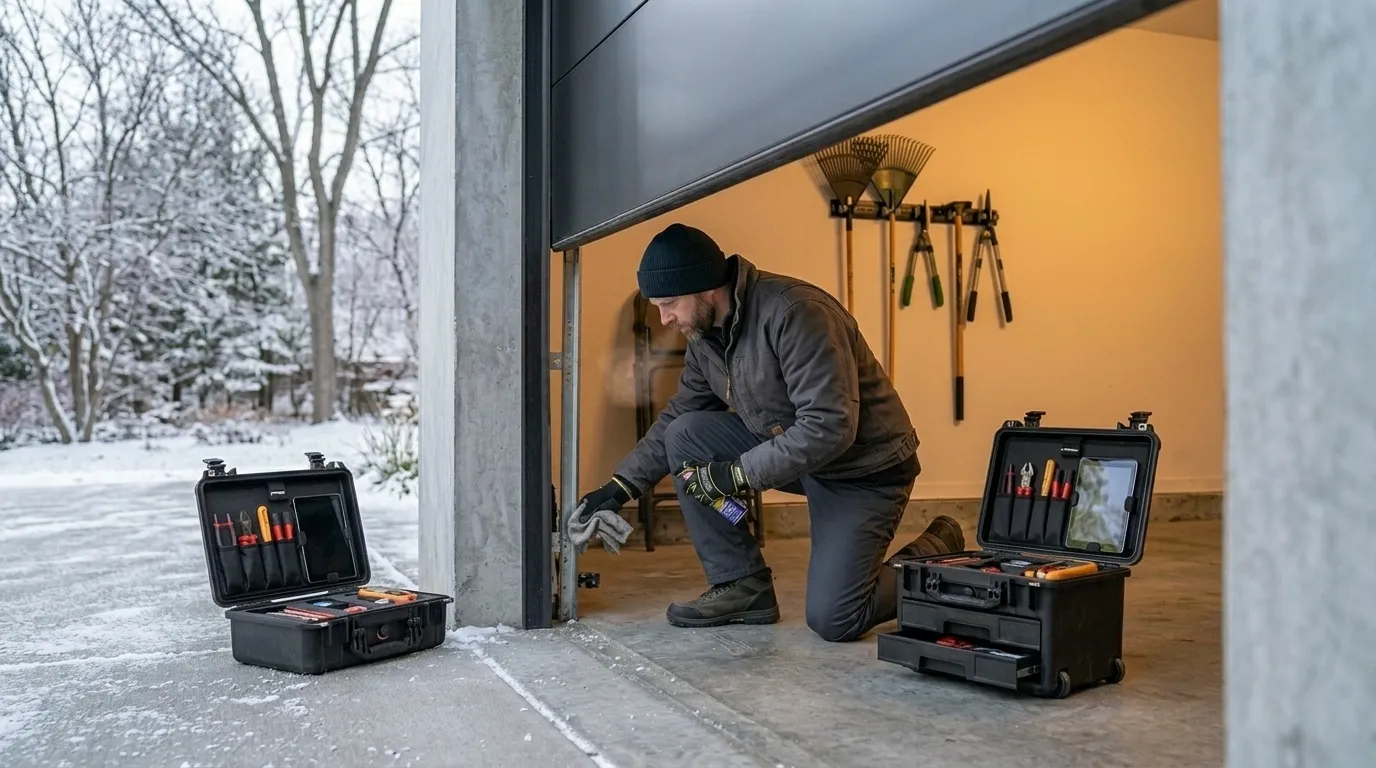
Longmont sits in a climate band we'd call cold-severe, and that matters more for garage doors than people expect. A single-layer, non-insulated steel door, which is what shipped standard on most houses built here through the 80s and 90s, doesn't just let cold in. It also means the steel itself is doing more expansion and contraction across a Front Range winter than an insulated door would, and that cycling is what eventually warps panels and throws tracks out of alignment.
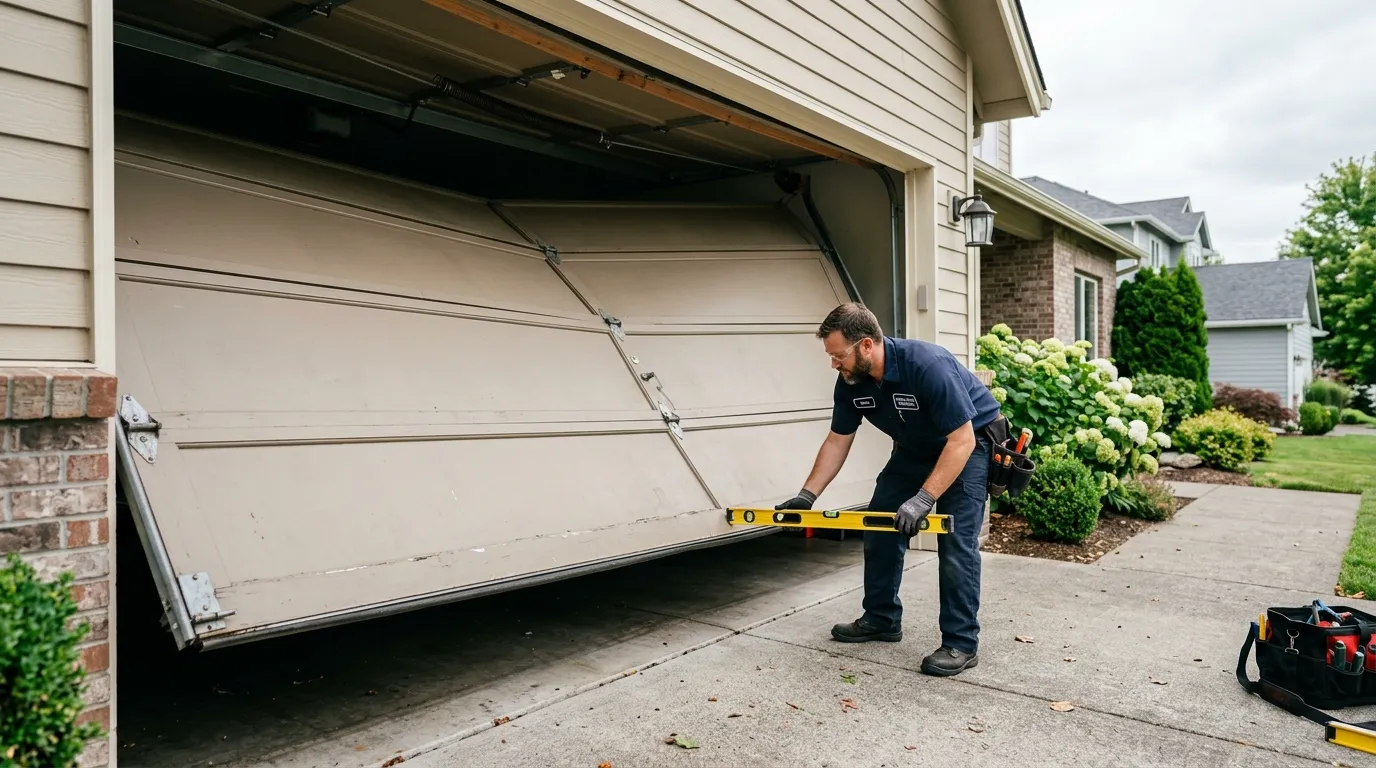
Houses built earlier in this area's range, back toward 1952, often have even less allowance for that kind of expansion in the original opening framing. Combine an older frame with decades of temperature swings and you get the sagging, binding, and off-track behavior that brings people to look at installation instead of another round of repair.
An insulated door isn't just a comfort upgrade here. Given the climate band this area sits in, it's the difference between a door that cycles gracefully through winter and one that fights its own hardware every cold snap.