This Area's Housing
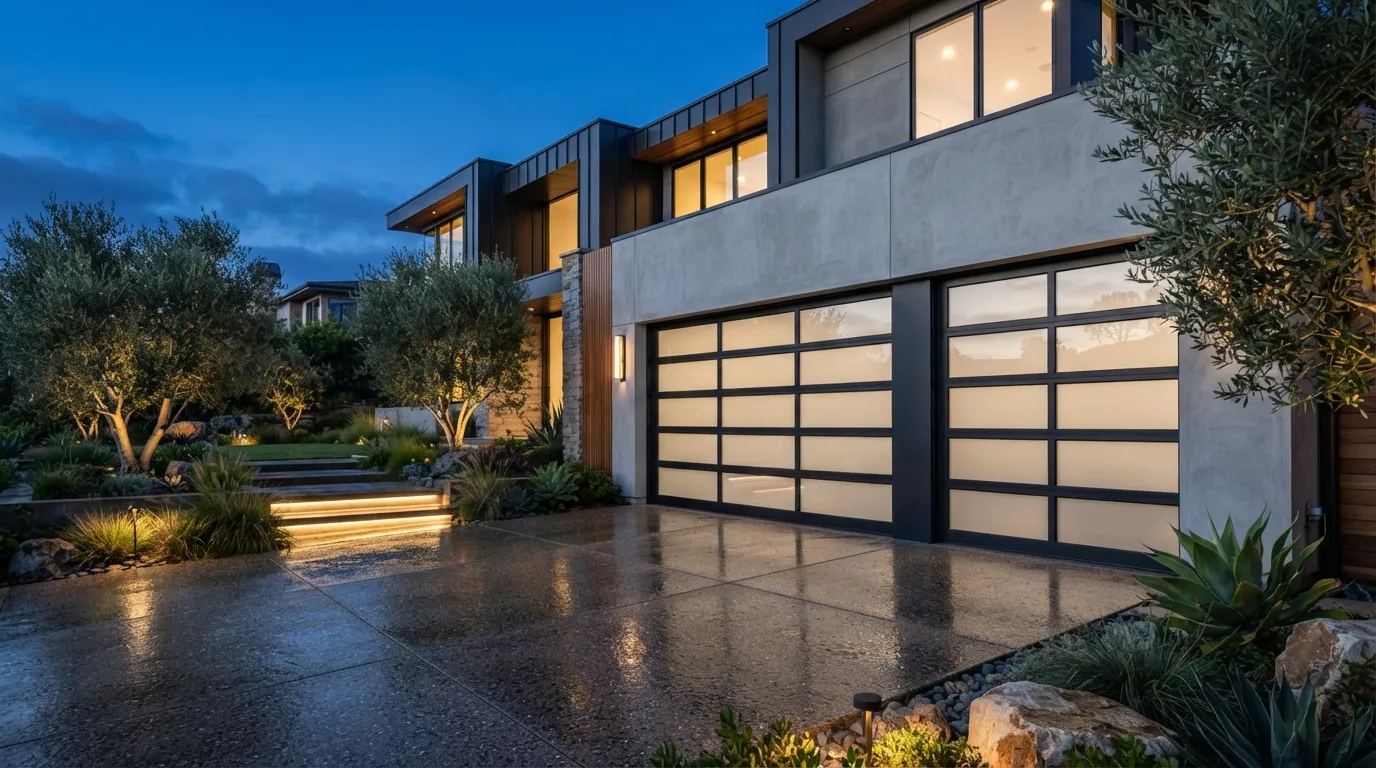
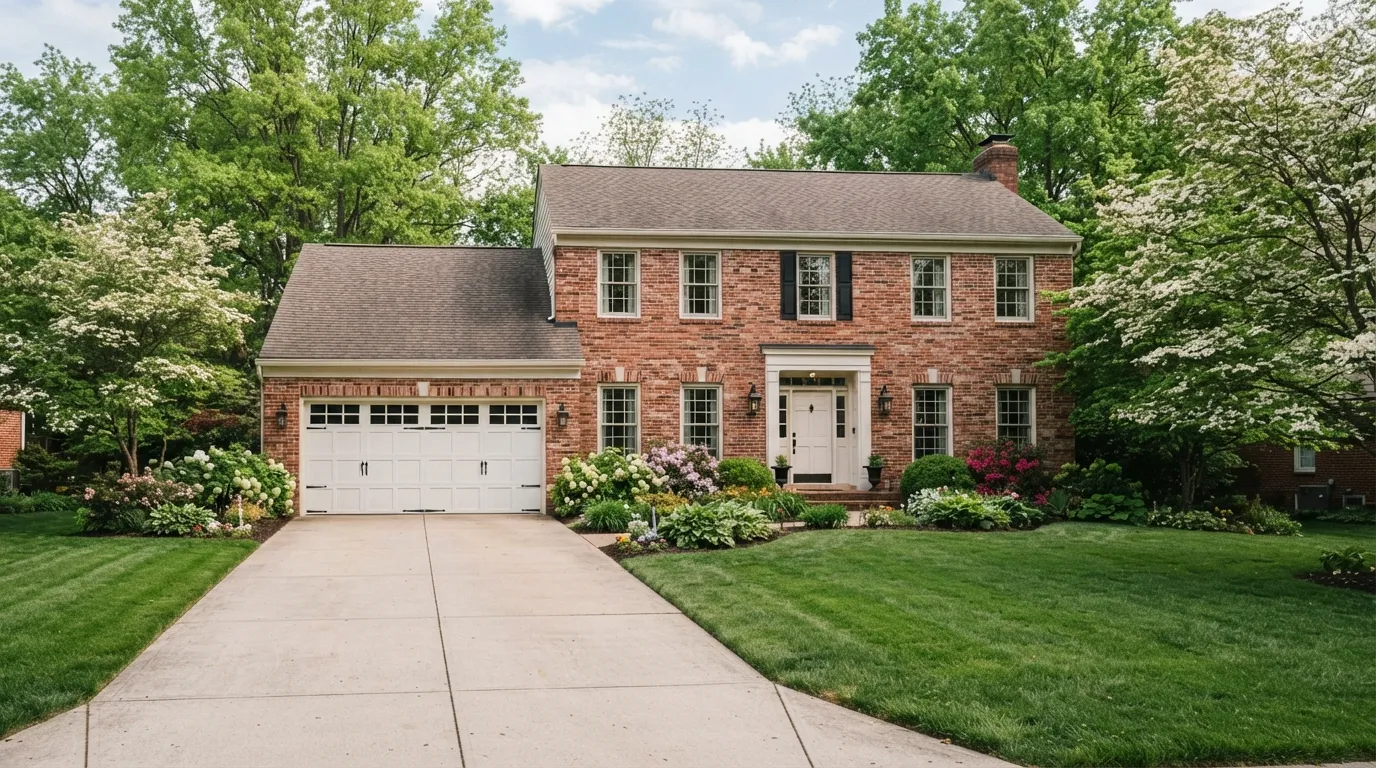
Erie's housing stock skews newer than most of what we cover out of Longmont. The area-wide median build year across our service territory sits at 1997, but Erie's median is 2007 - a full decade younger. That matters because a decade in garage door hardware is the difference between steel torsion springs on standard drums and the heavier-wound coils and reinforced end bearing plates that came standard once builders started chasing higher R-values and taller door openings. With roughly 11,101 households in Erie and a median income of $163,644, well above the $116,074 median across the wider service area, you're looking at a town that built out fast during a specific stretch and largely built to the same code cycle. That's good news for parts availability - newer doors mean newer hardware, and newer hardware means we're not hunting down obsolete brackets. It also means fewer of the mismatched, patched-together systems we see in older pockets of the territory, where one homeowner's DIY fix from twenty years back is still hanging on.
What That Means for Doors
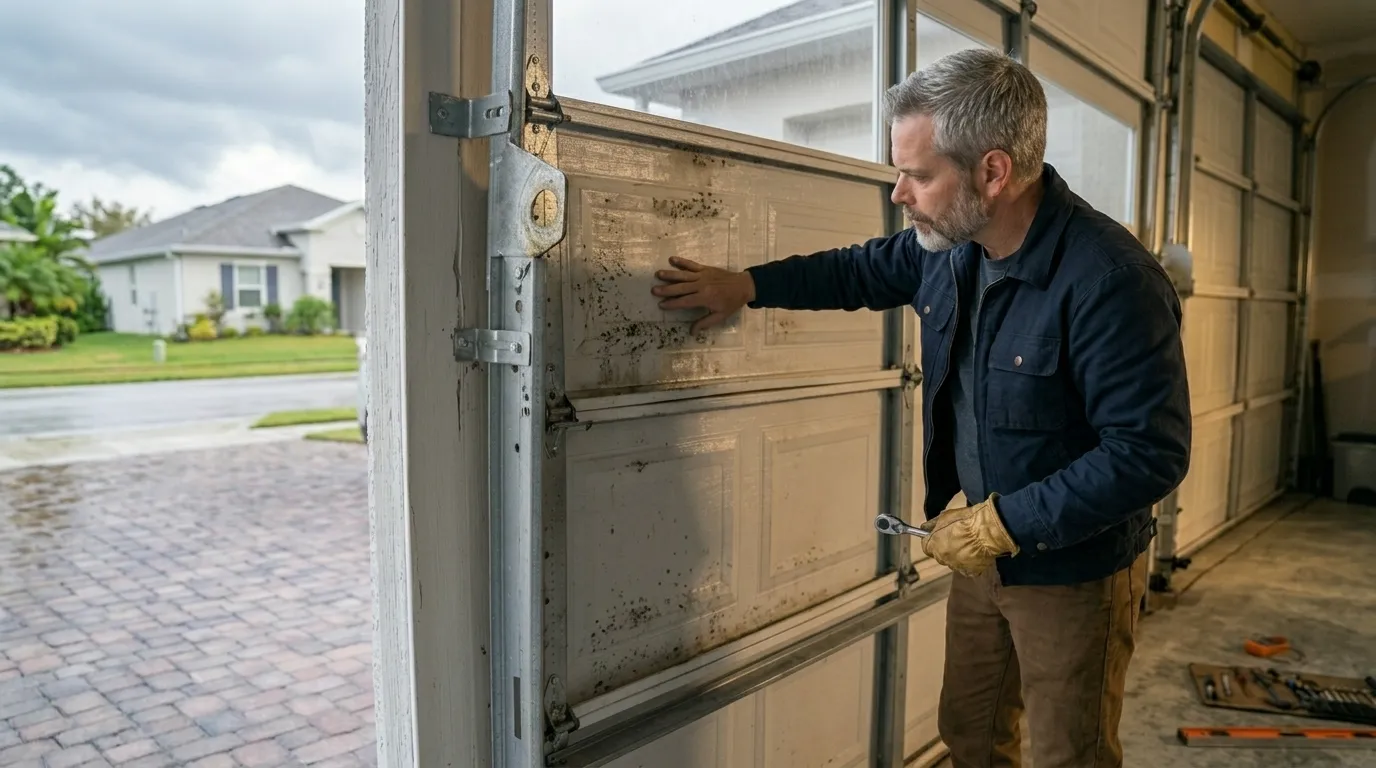
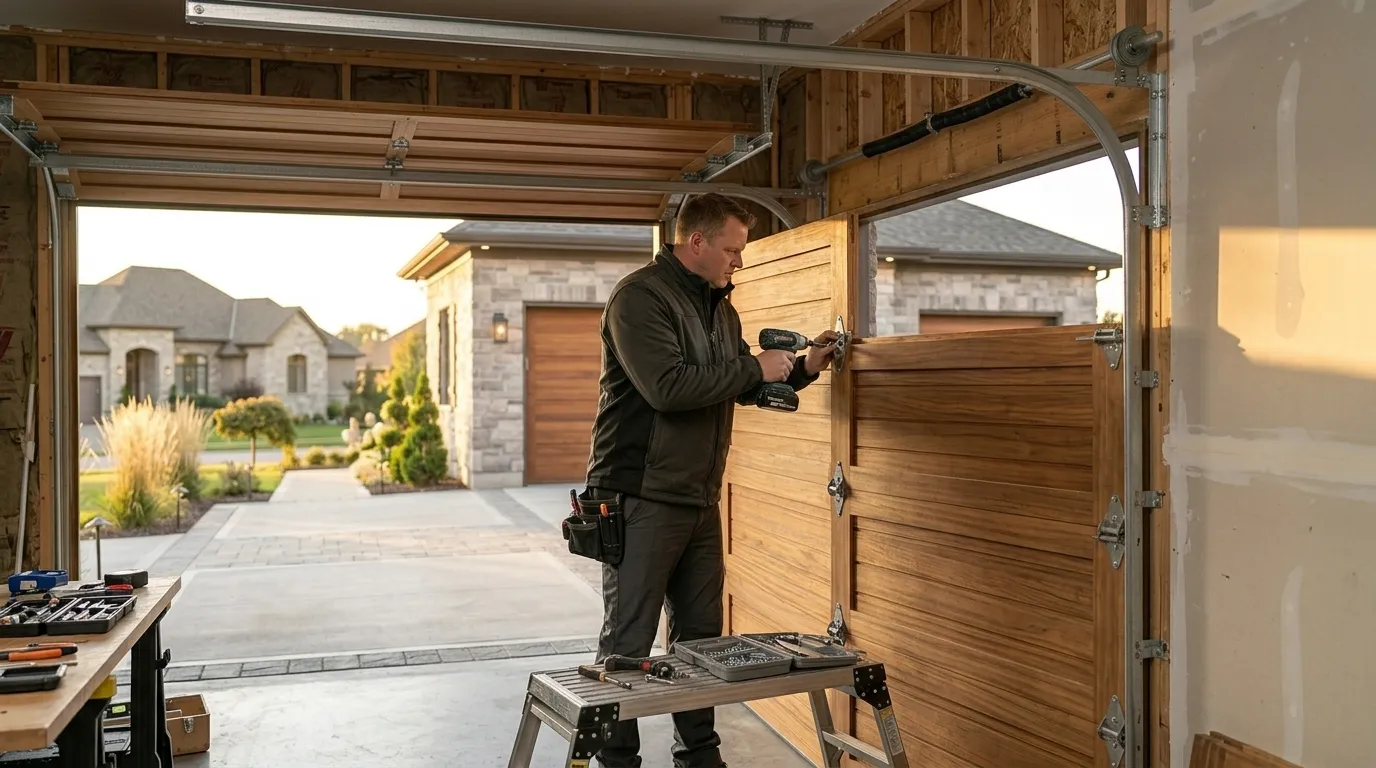
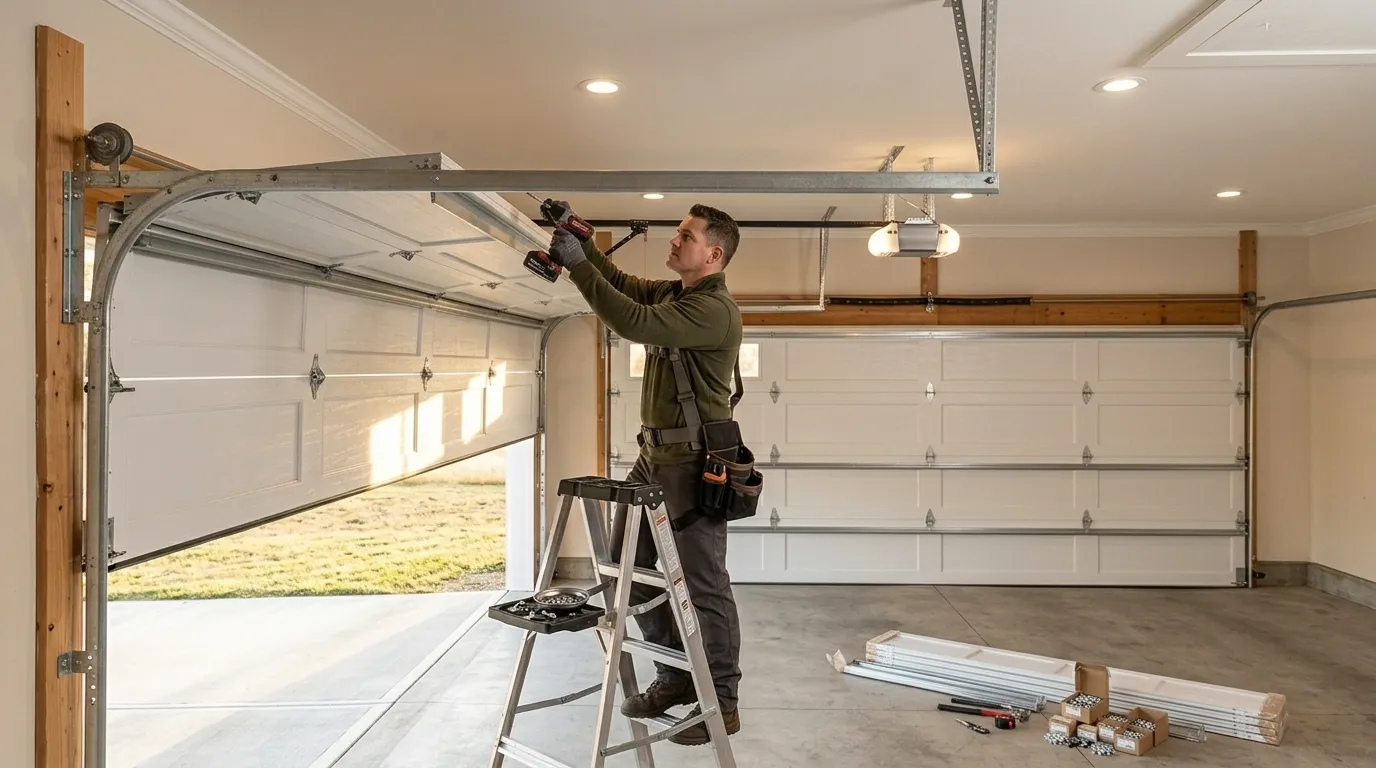
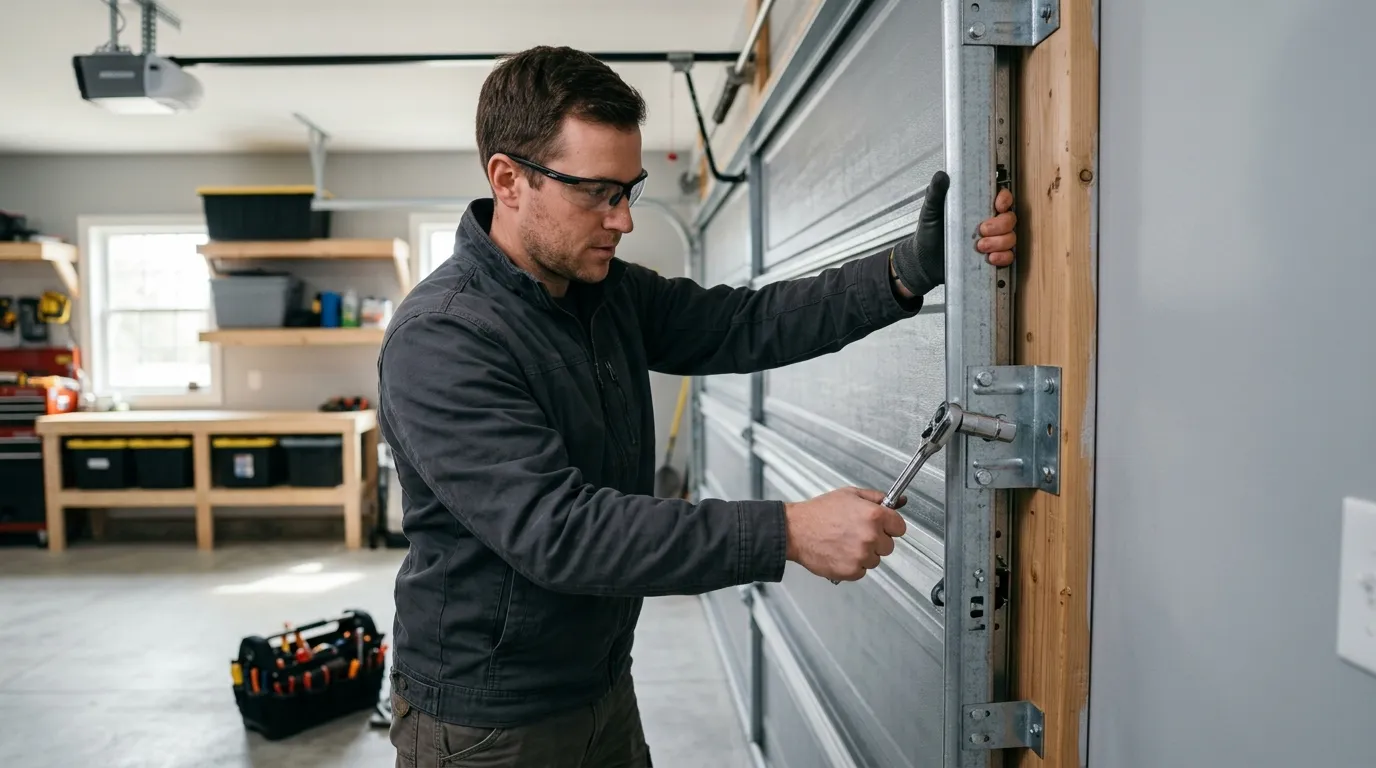
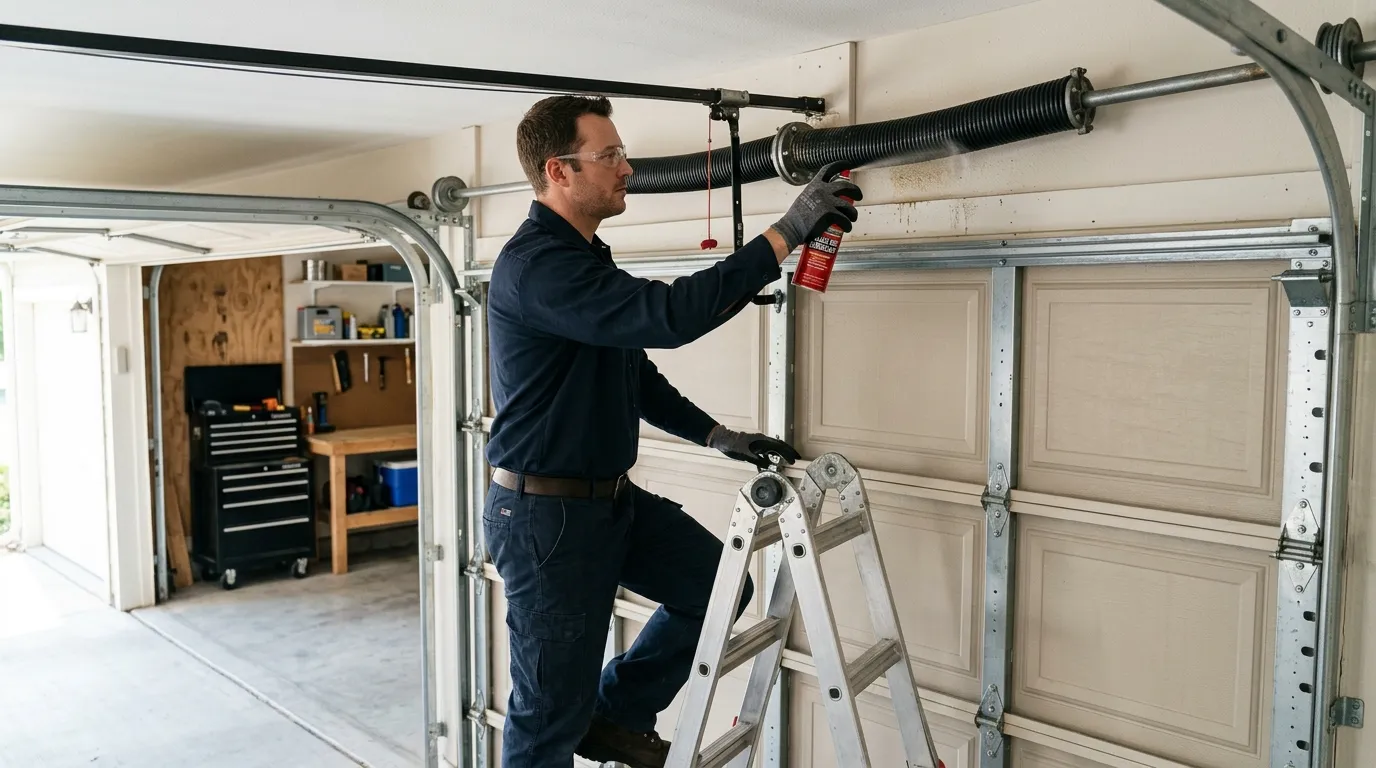
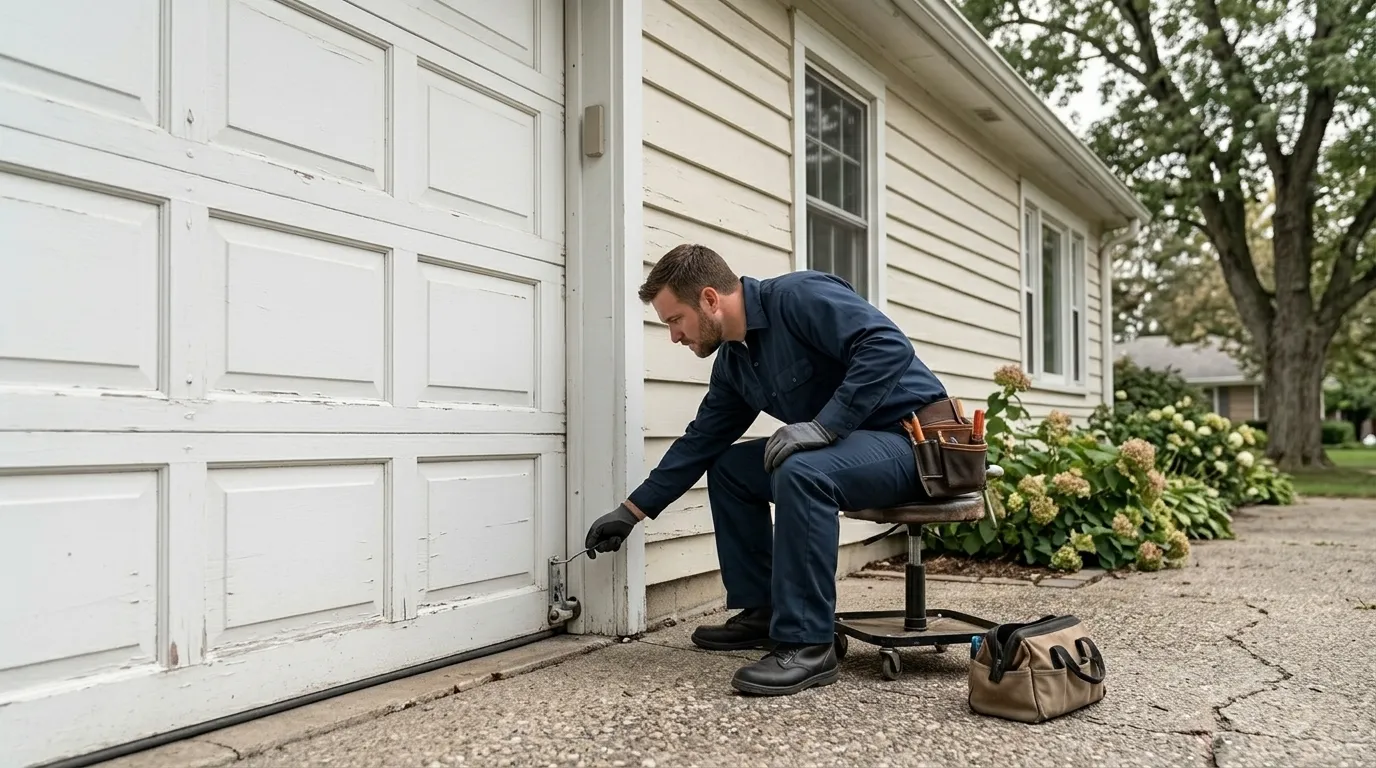
A door built after 2000 in a cold-climate area like this one is almost always insulated, usually a sandwich panel with polystyrene or polyurethane core rather than a single skin of steel. That changes what breaks. Insulated panels are heavier, so the torsion springs sized for them are wound tighter and under more load - when one goes, it goes loud and it's not a five-minute fix. Openers from this era are more likely to already have some kind of safety reversal sensor setup, which is good, but the circuit boards on early-2000s units are now old enough that capacitors fail and logic boards need replacing rather than resetting. Tracks and rollers on newer doors are usually nylon rather than steel, which run quieter for years and then wear out all at once rather than gradually. None of this is exotic work, but it's a different toolkit than what a 1970s steel door needs, and the failure points aren't the same ones you'd chase on an older house closer to Longmont proper.
The Calls We Get From Here
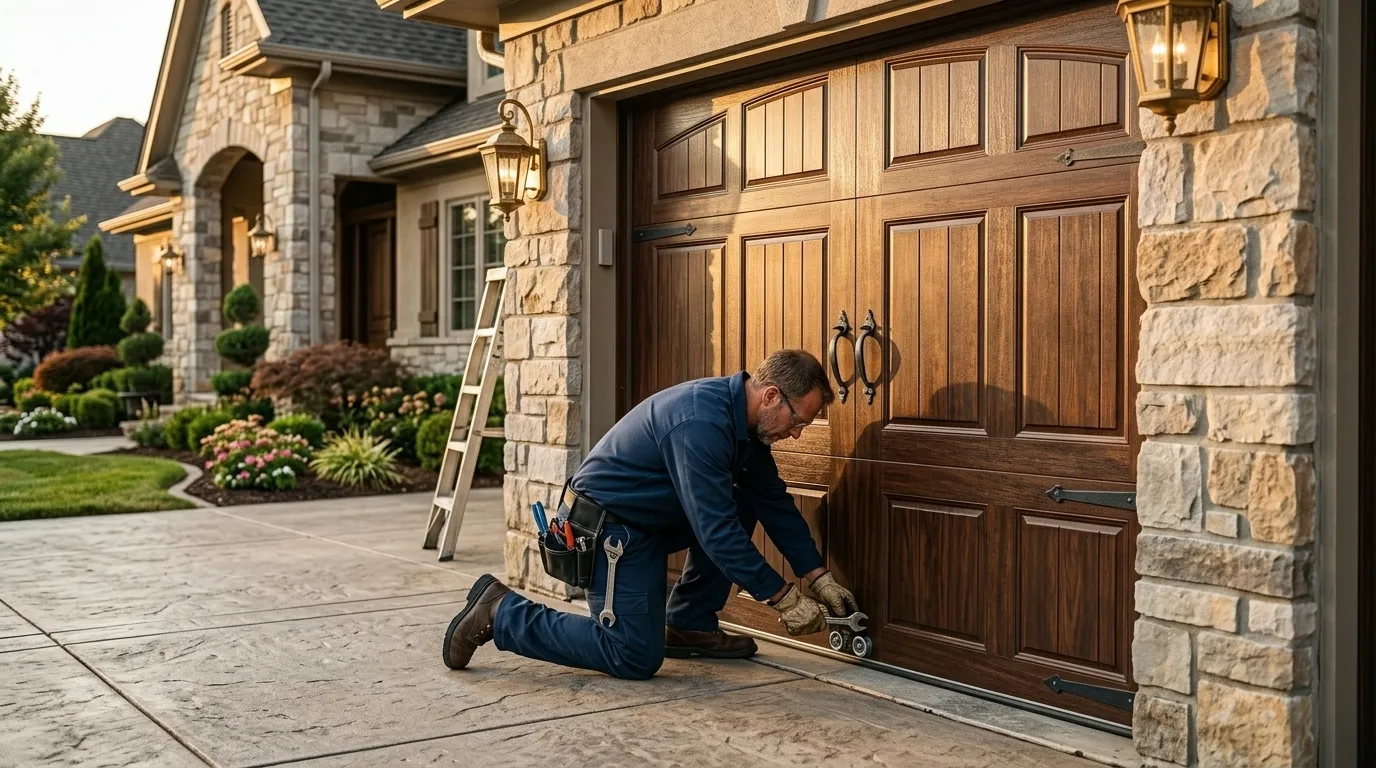
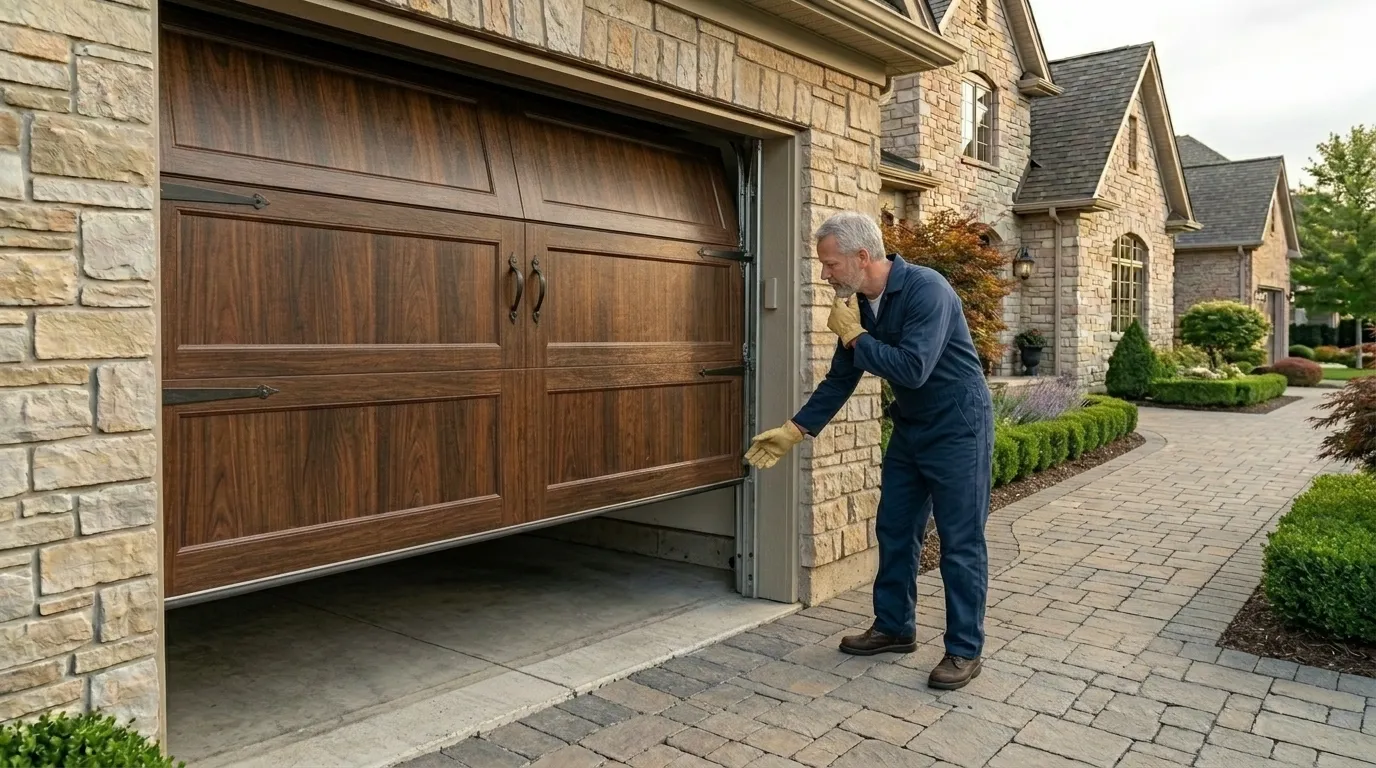
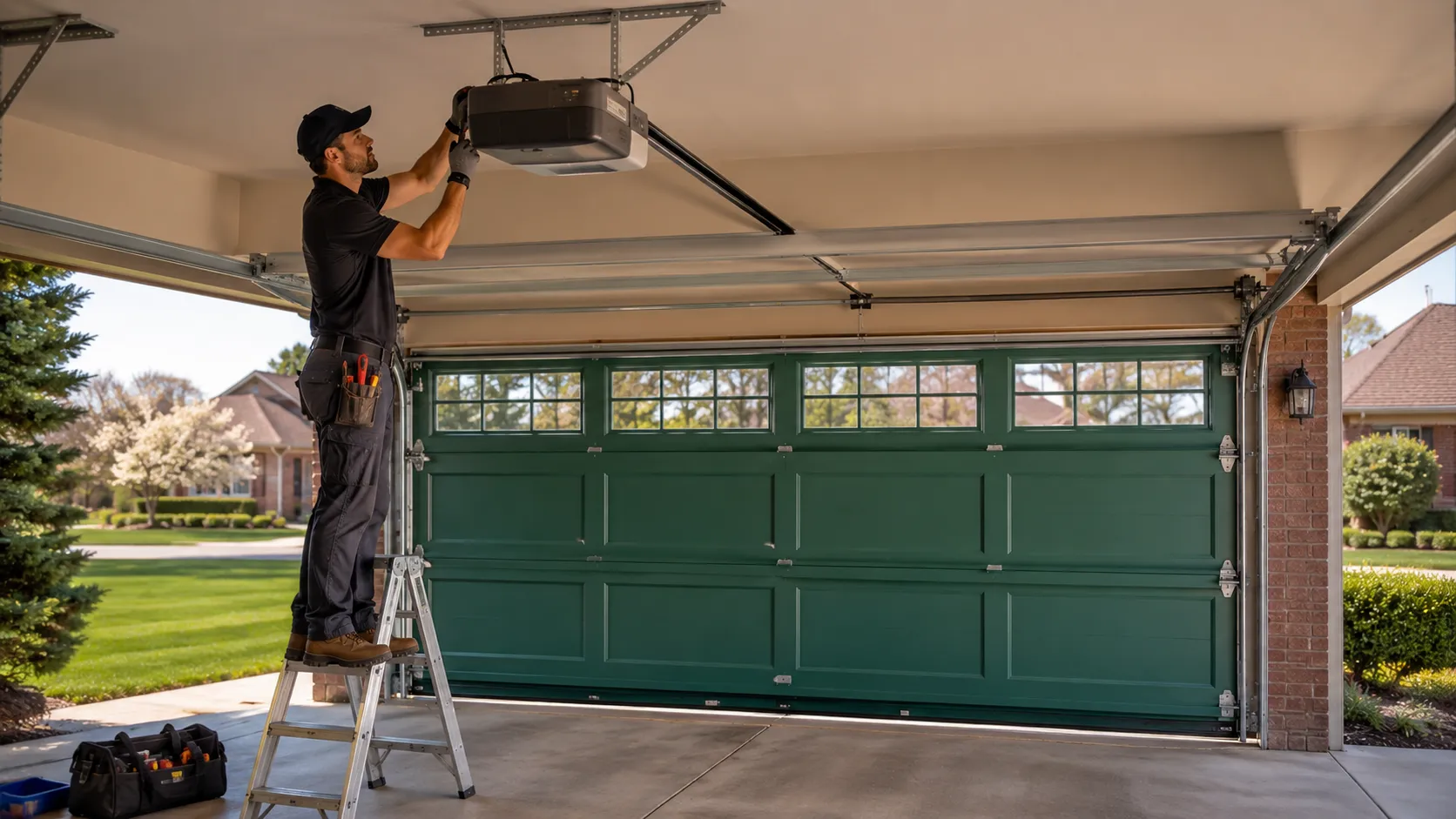
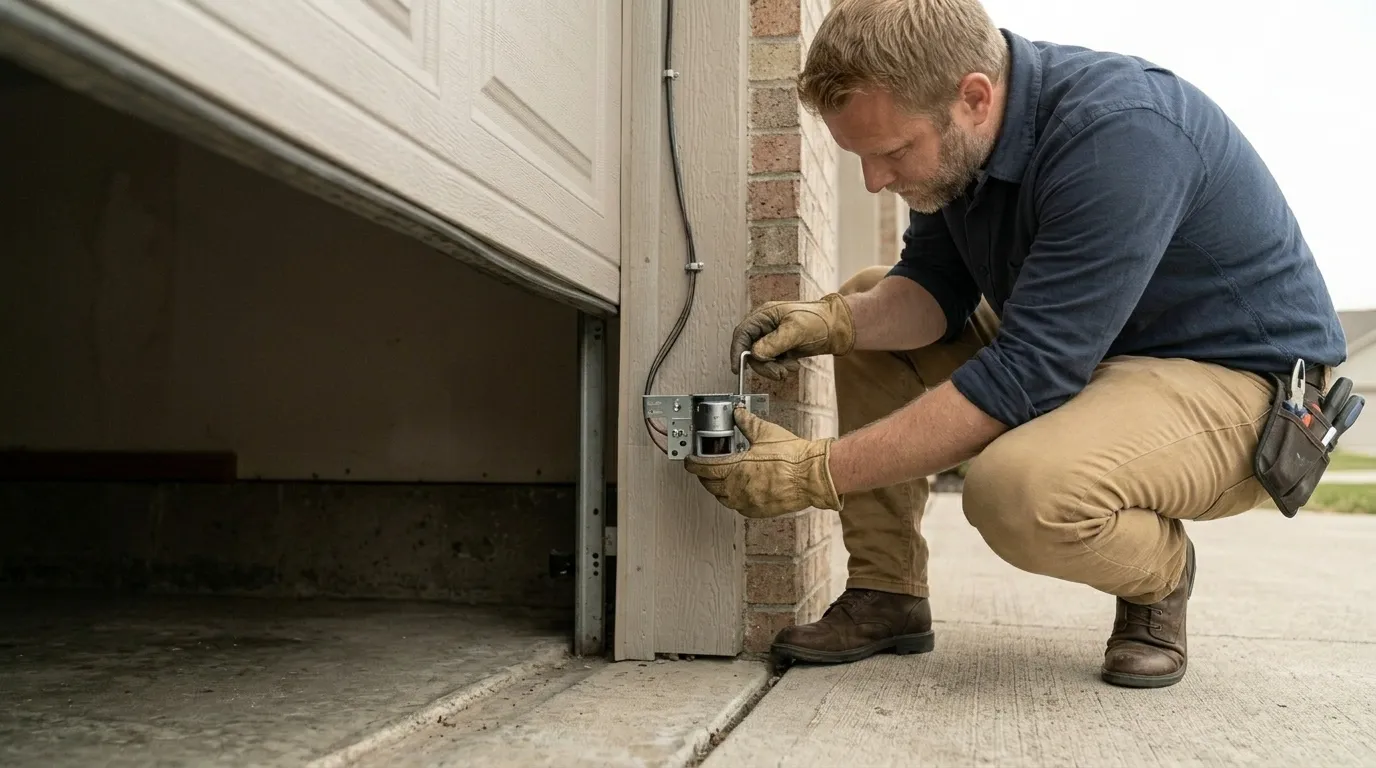
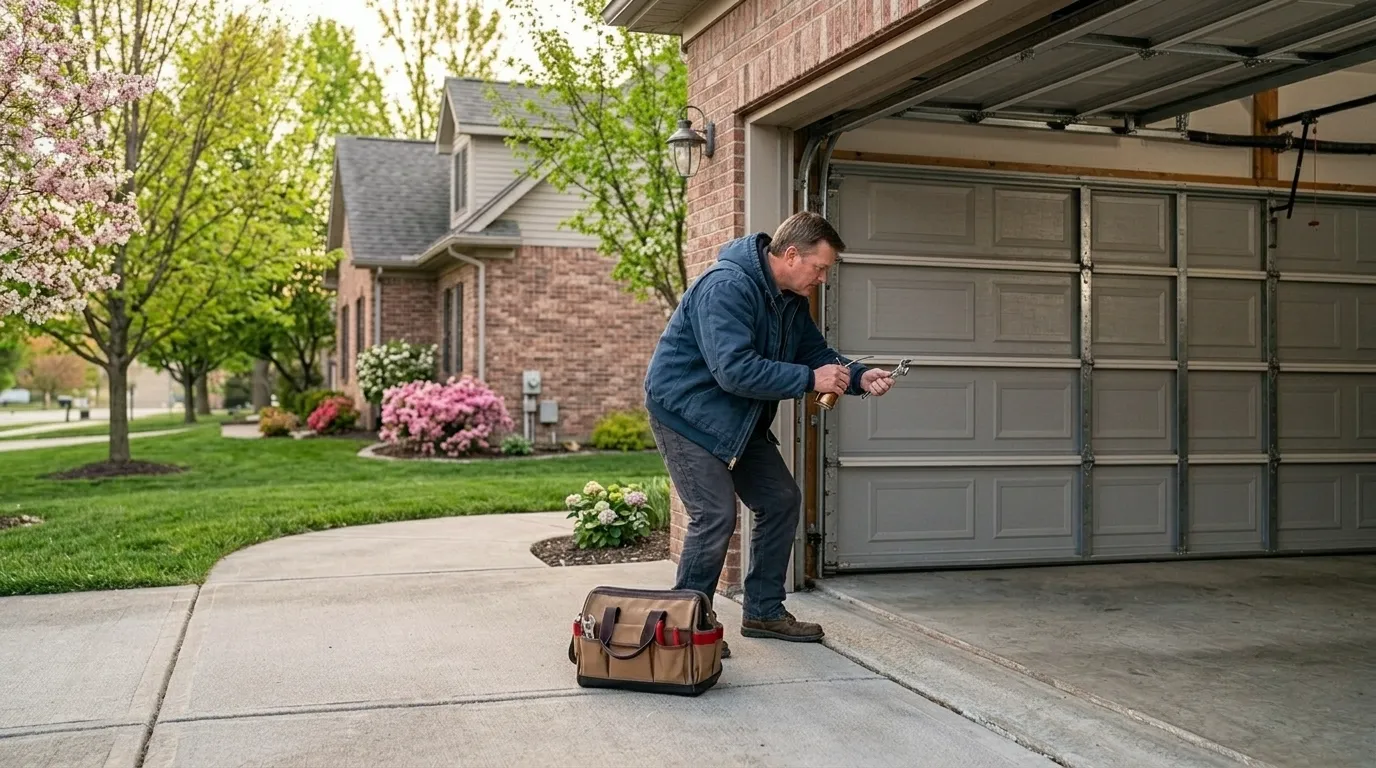
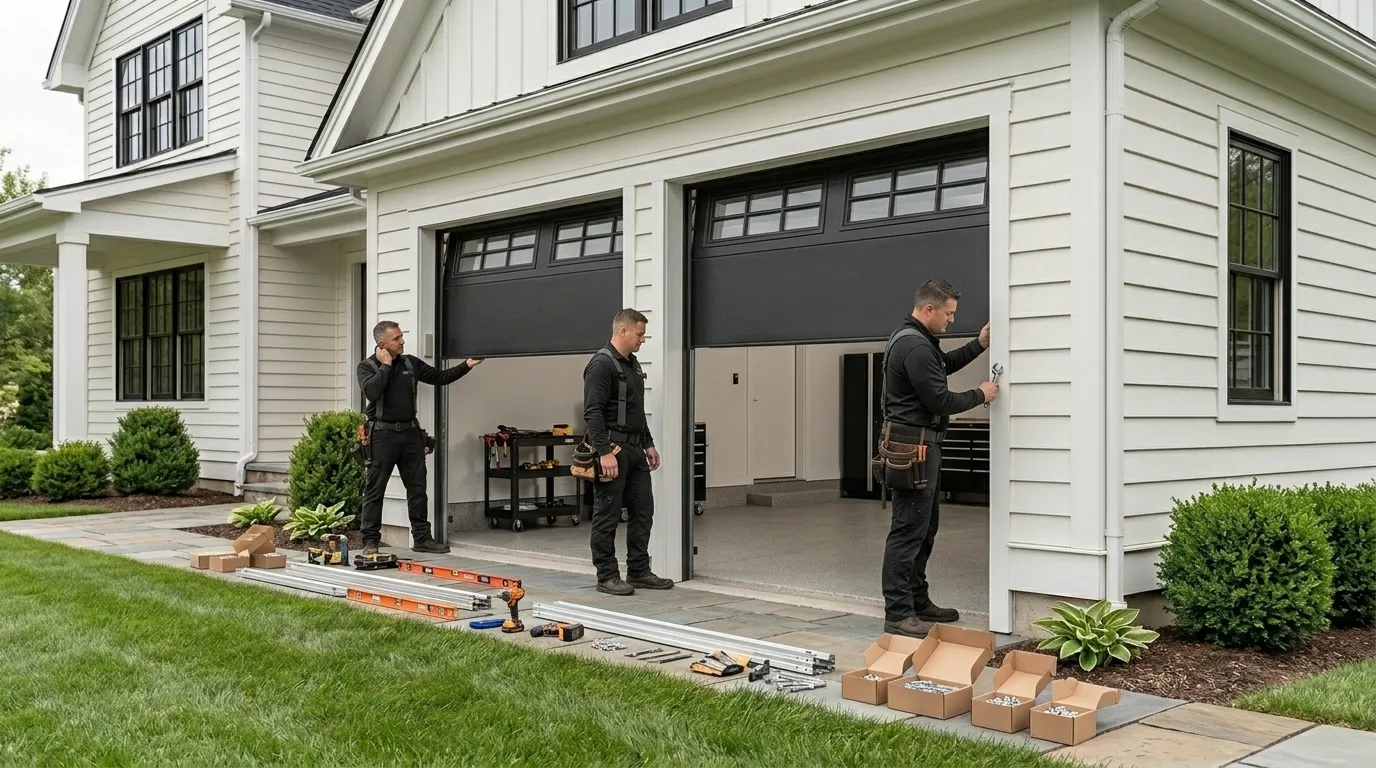
Most Erie calls come in as a dead opener or a door that won't move, and the fix is usually straightforward once we're on site - a burnt-out logic board, a broken torsion spring, or a drive gear worn past the point of adjustment. What we don't do is same-day emergency dispatch guaranteed by the clock; we run out of Longmont, about 10 miles off, so we book the day's route and get to Erie jobs as we're scheduled, not as a walk-in service. If your opener is more than 15 years old and the board's already failed once, replacement is usually the honest call over a second repair - parts for that generation of opener are getting harder to source, and we'll tell you that upfront instead of billing you for a patch that won't hold.