The DIY Question
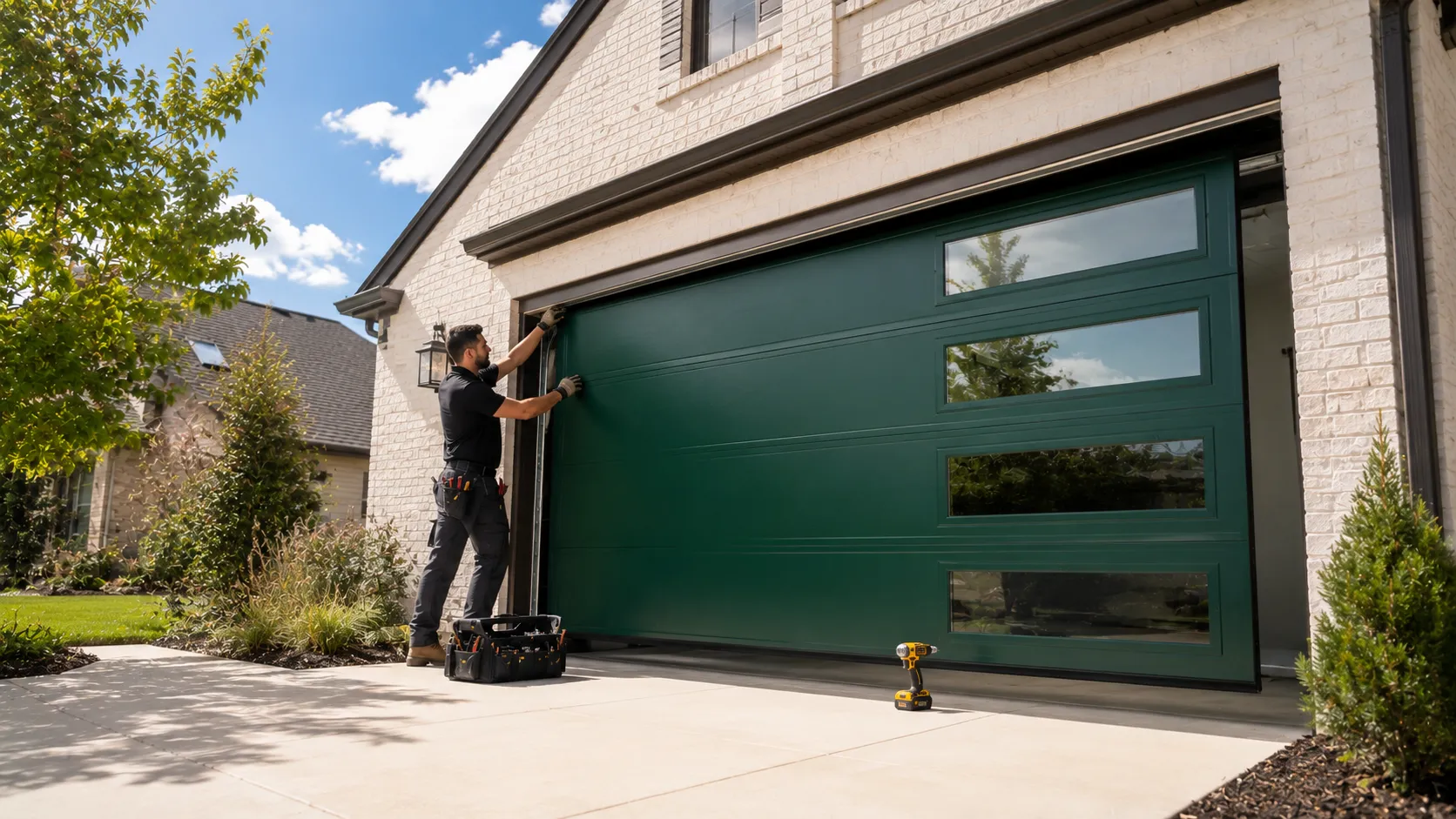
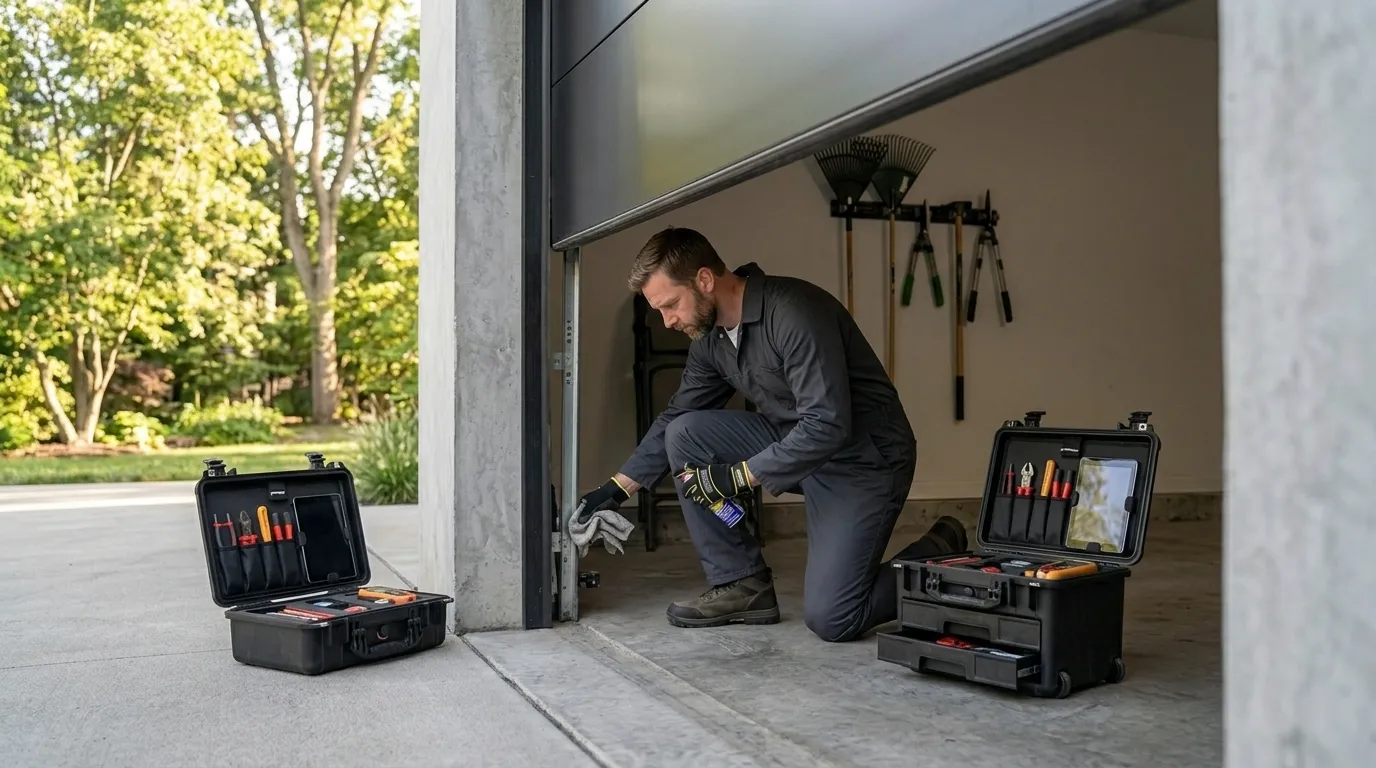
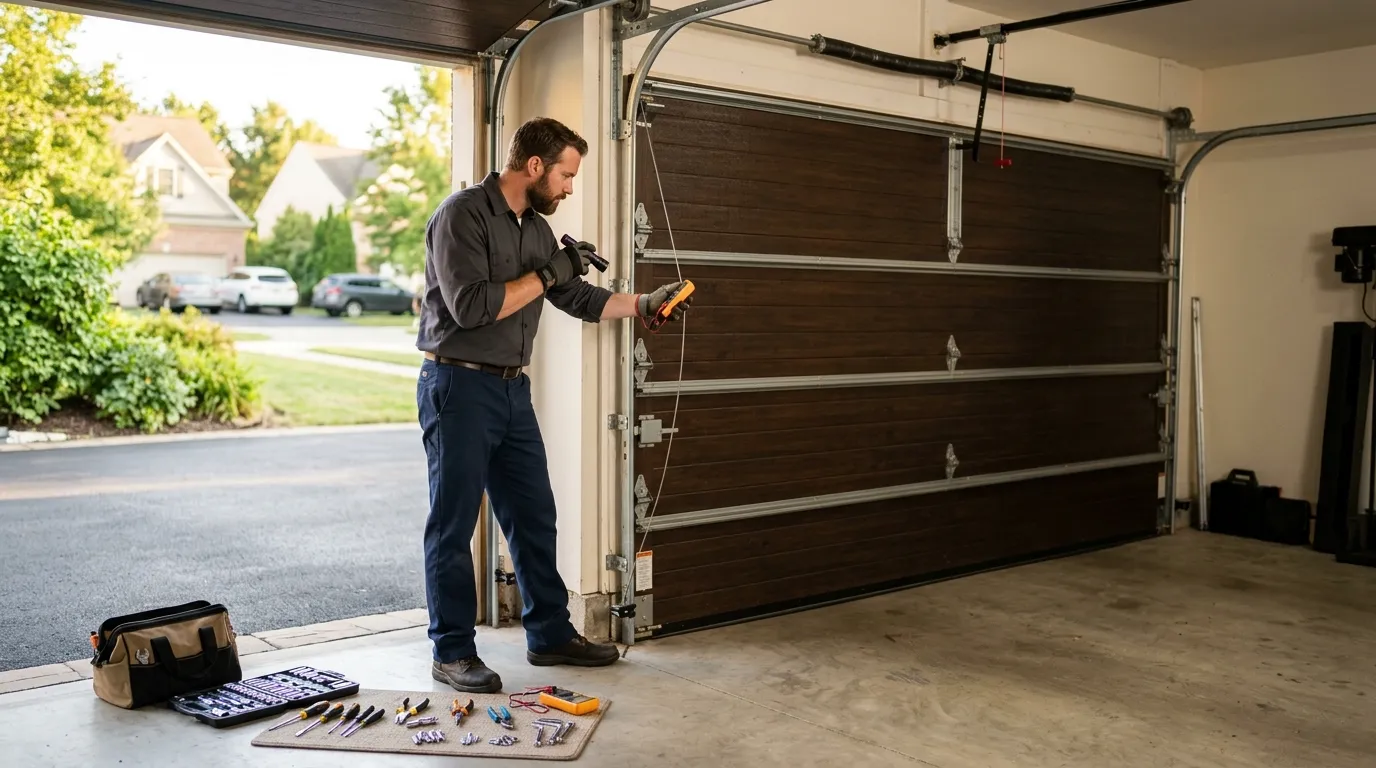
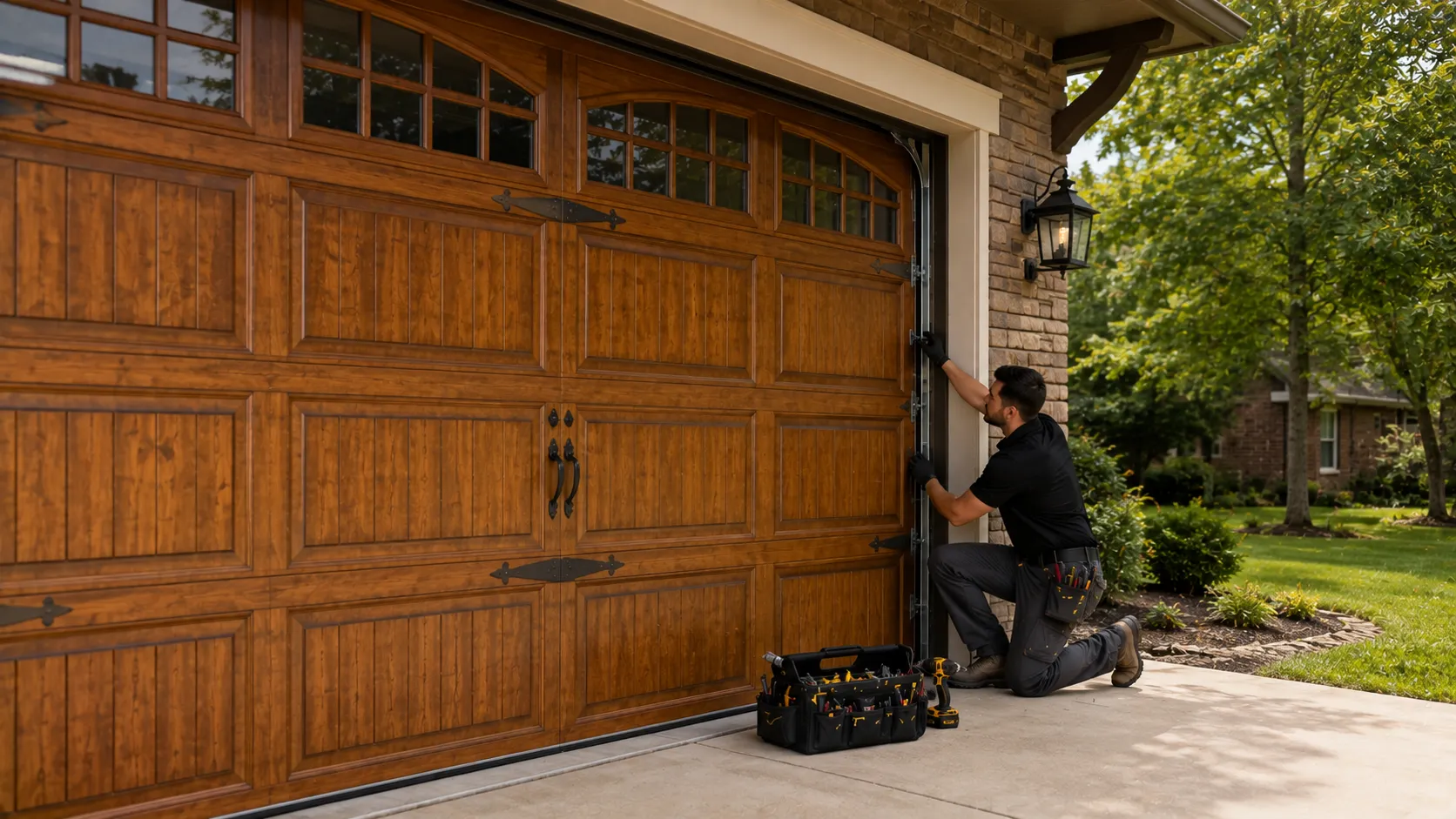
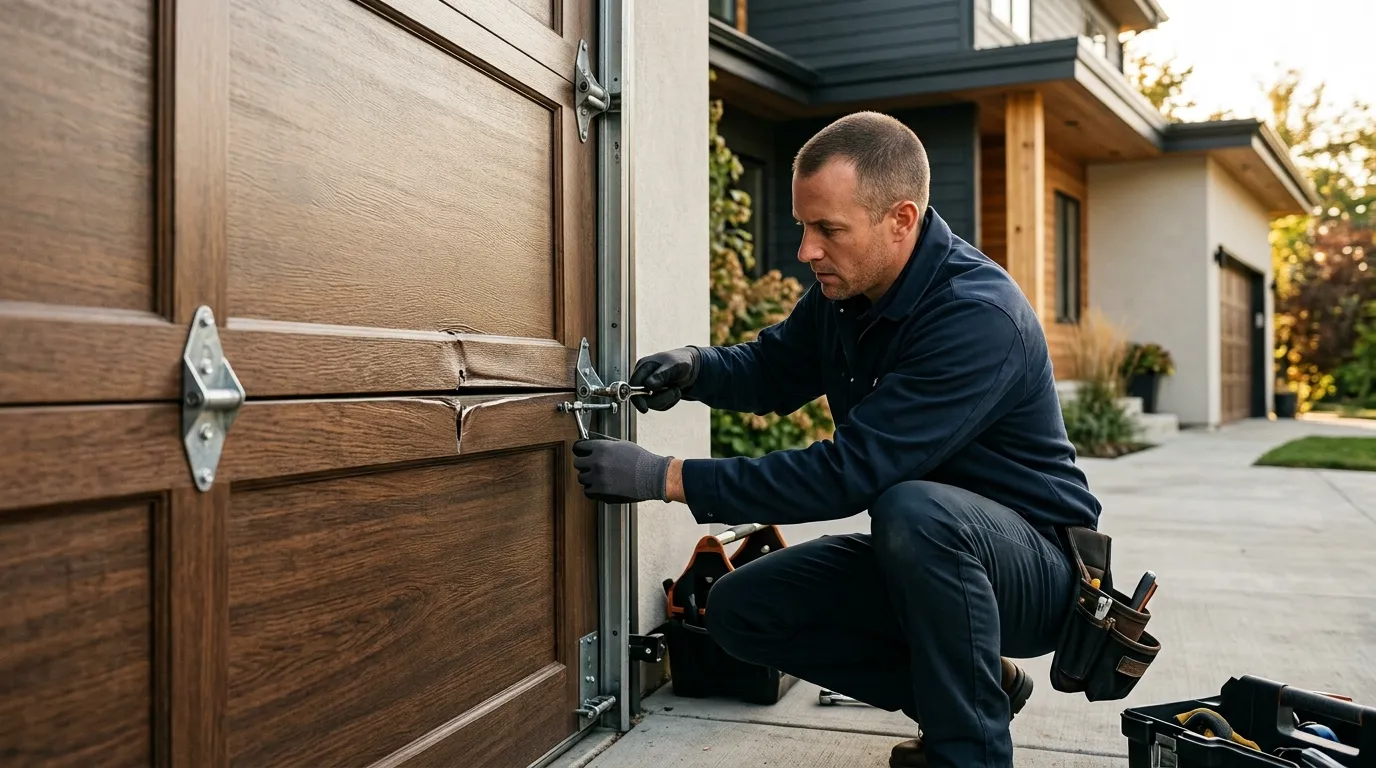
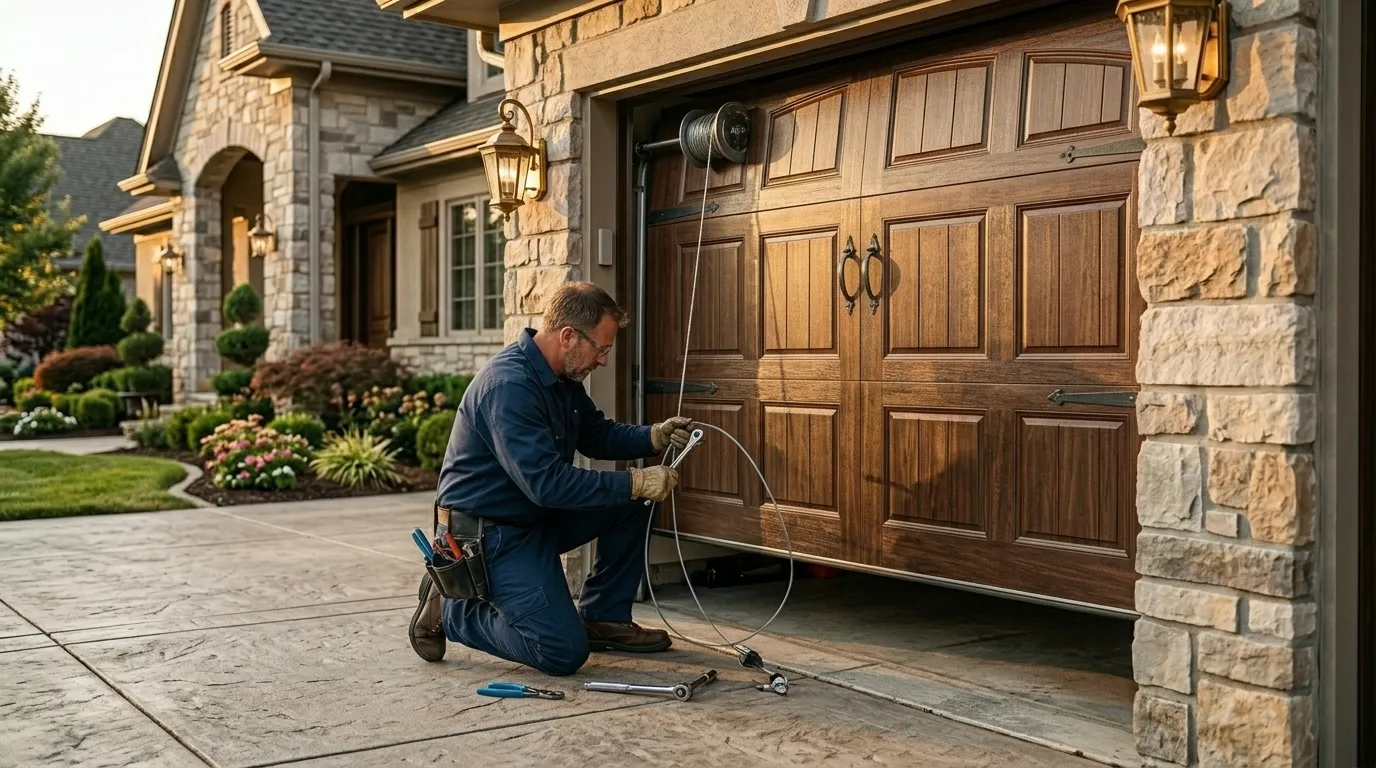
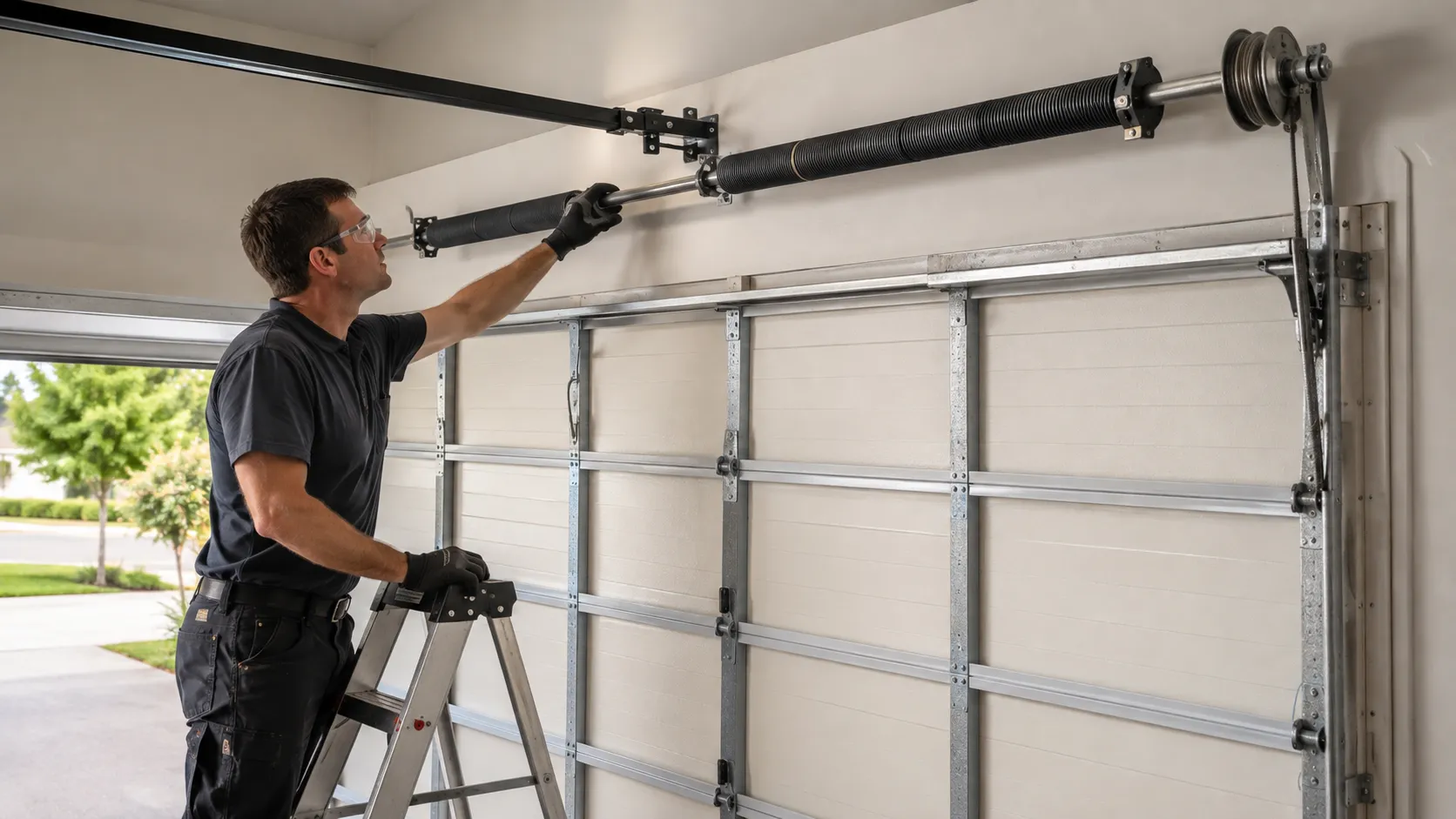
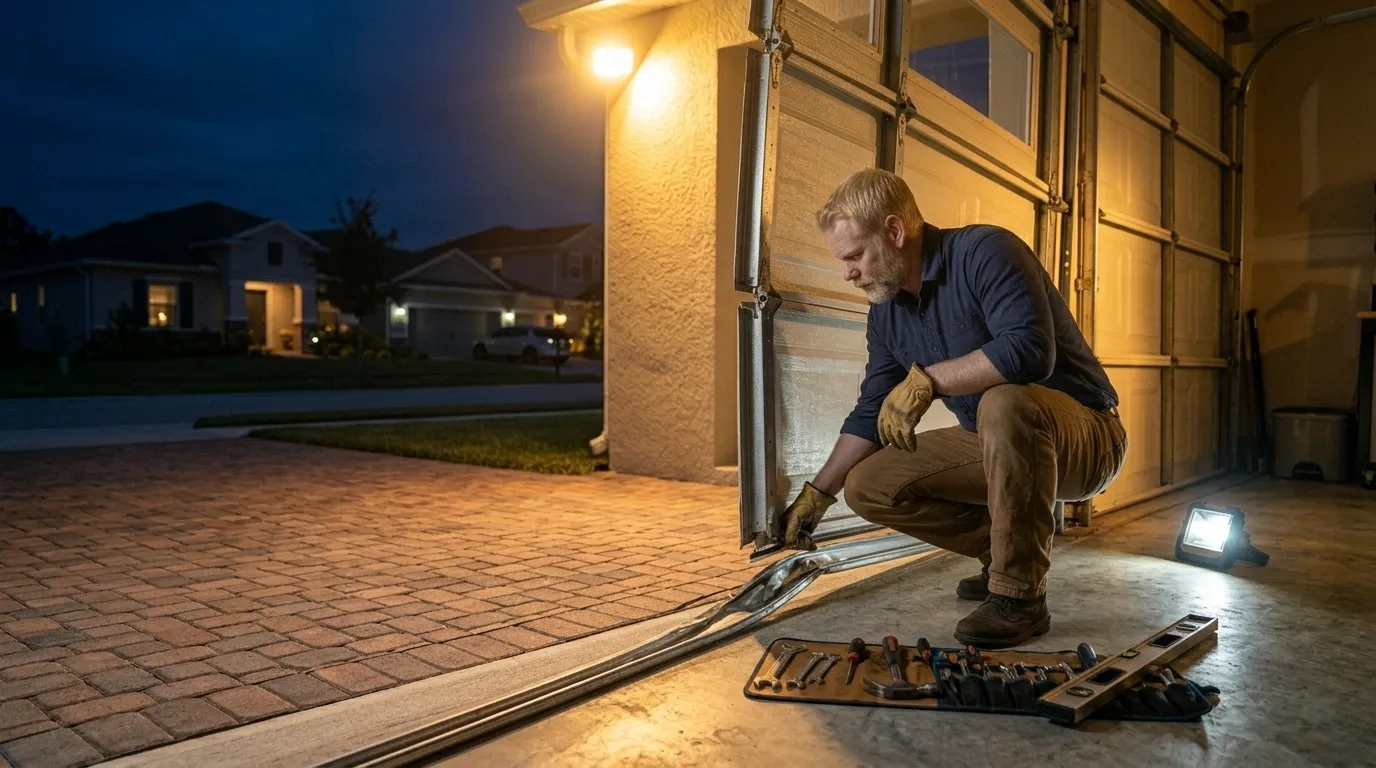
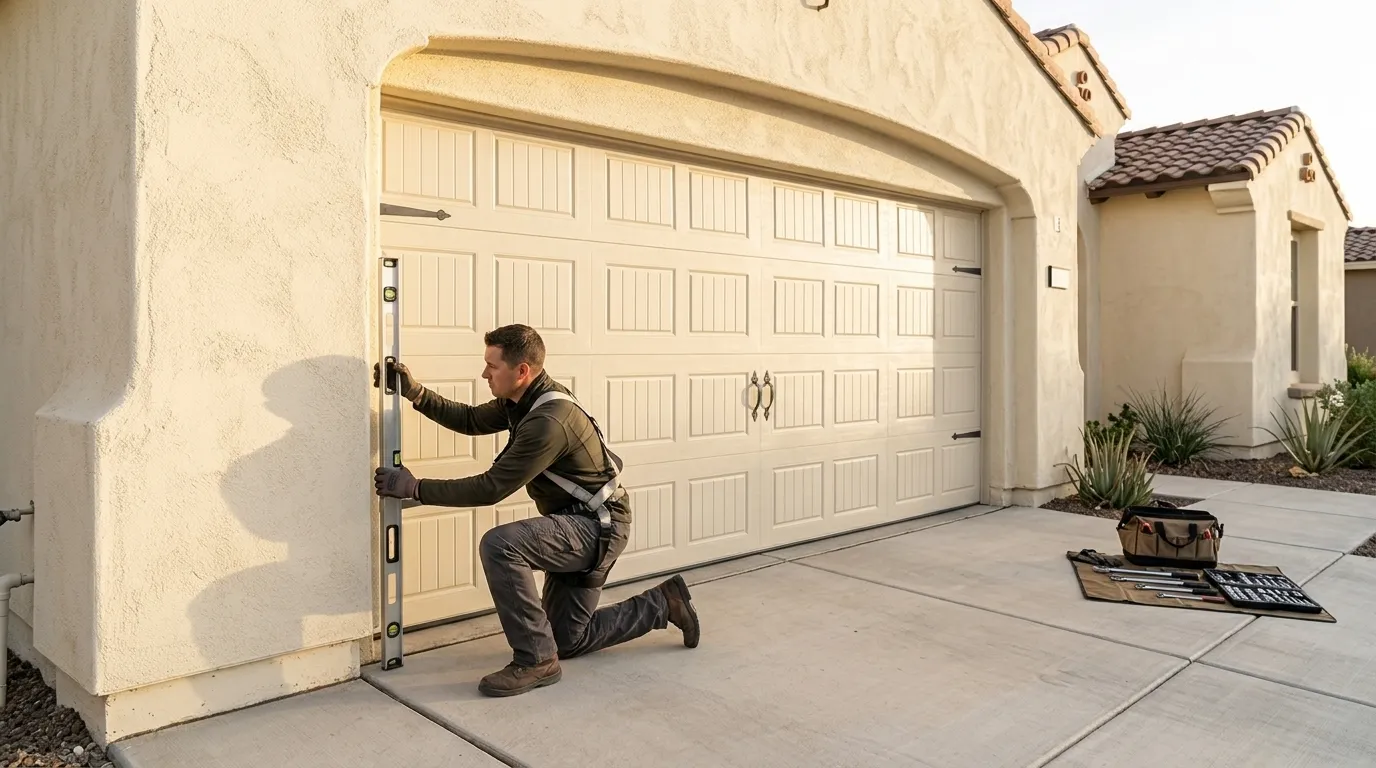
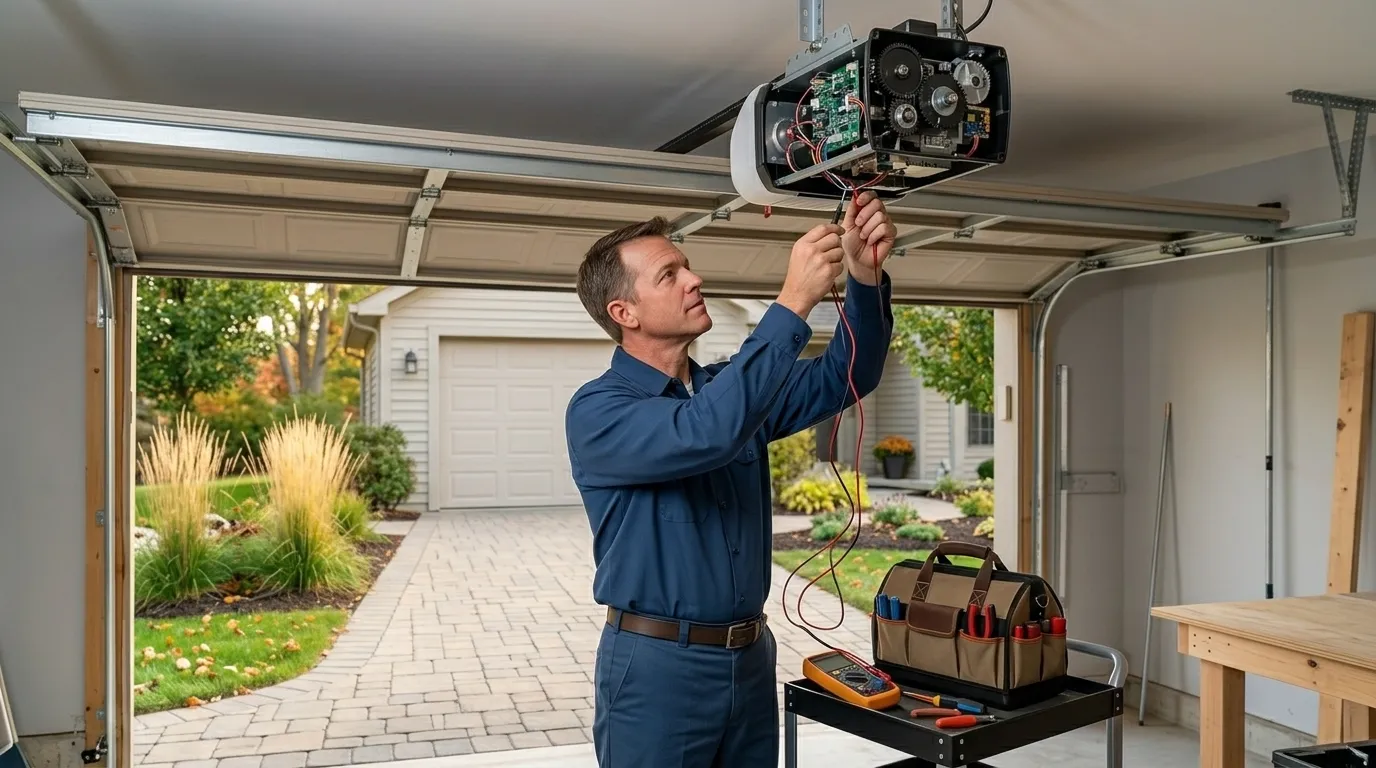
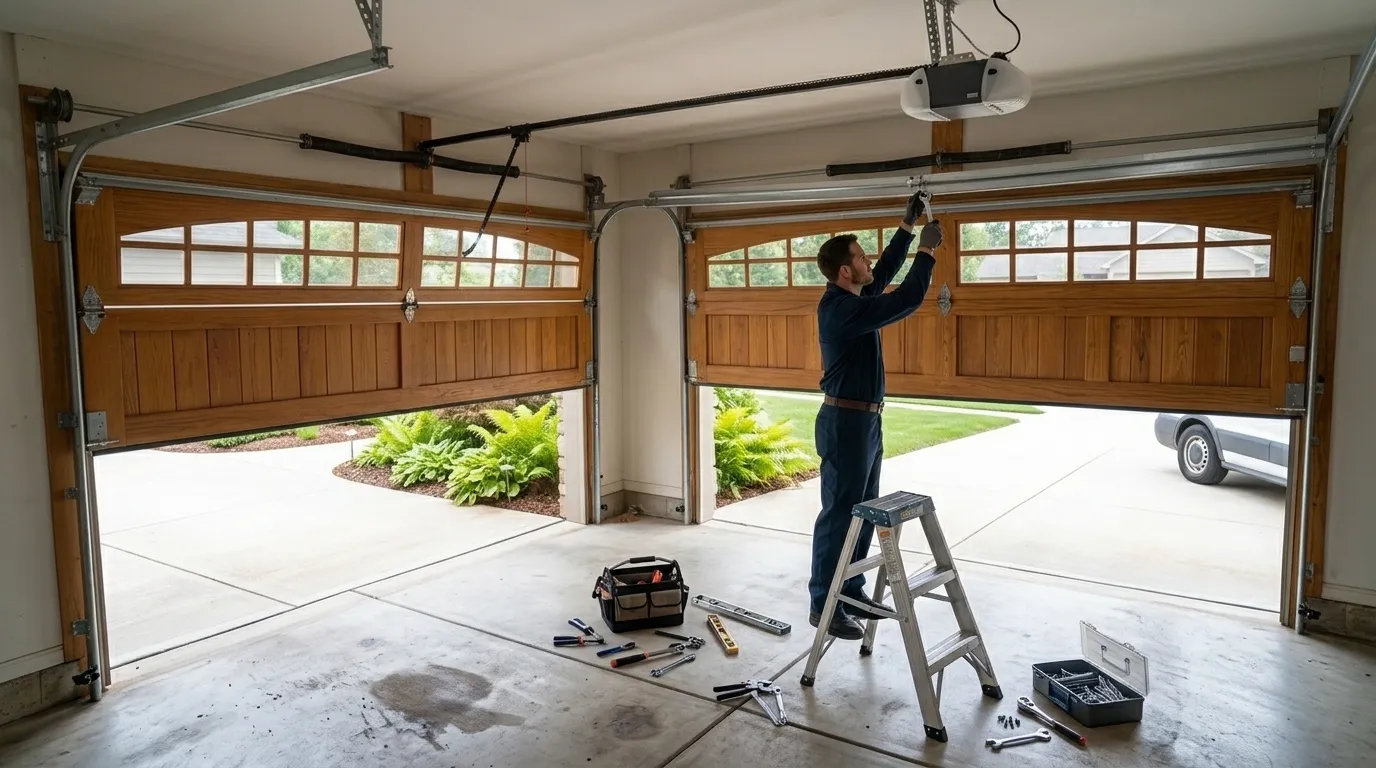
A lot of Longmont homeowners ask if this is a job they can do themselves. Depends what's wrong. Swapping a roller or lubricating a track is fine on a Saturday. A broken torsion spring is not - those things store enough force to break a hand or a face, and on the double doors common in this area's 1980s and 90s tract housing, you're often dealing with two springs wound to match a heavier door slab, not one. Cable off a drum, a bent track, or an opener that runs but won't lift are also calls we'd rather take than have you attempt with a ladder and a socket wrench. Where DIY makes sense: tightening loose hardware, cleaning and lubing rollers, replacing weatherstripping. Where it doesn't: springs, cables, anything under tension, or anything involving the opener's electrical side. If you're not sure which category your problem falls into, that uncertainty is itself the answer - call instead of guessing. We'd rather talk you out of an unnecessary service call than talk you into one you didn't need.
How Long You Are Without the Door
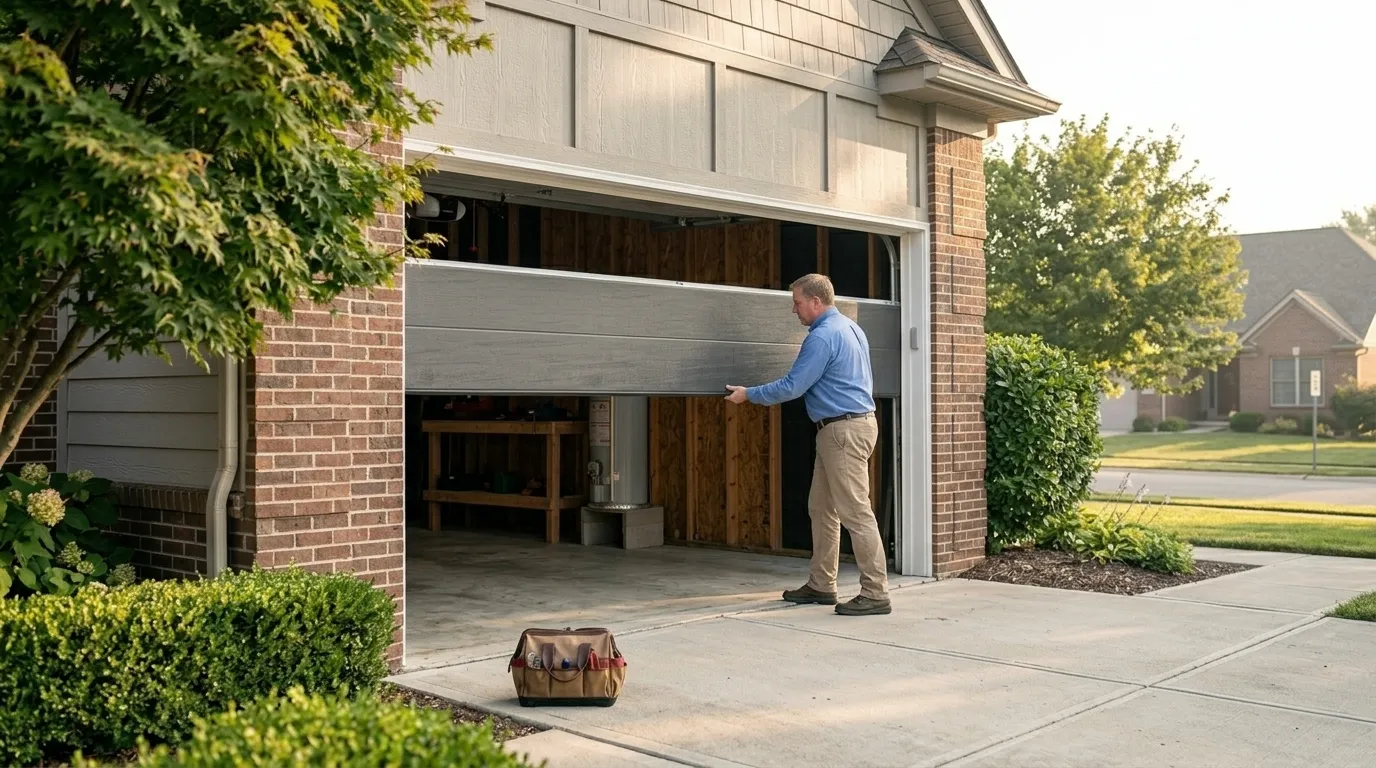
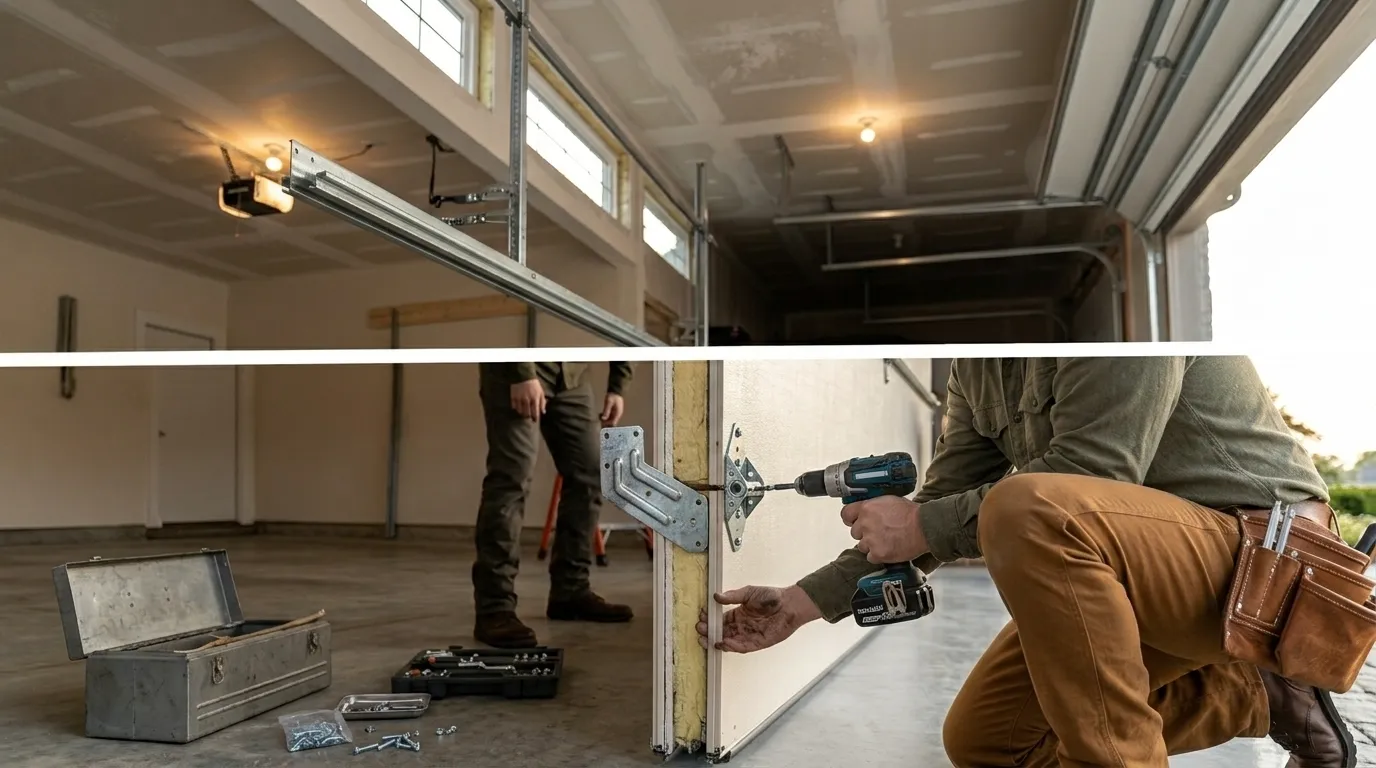
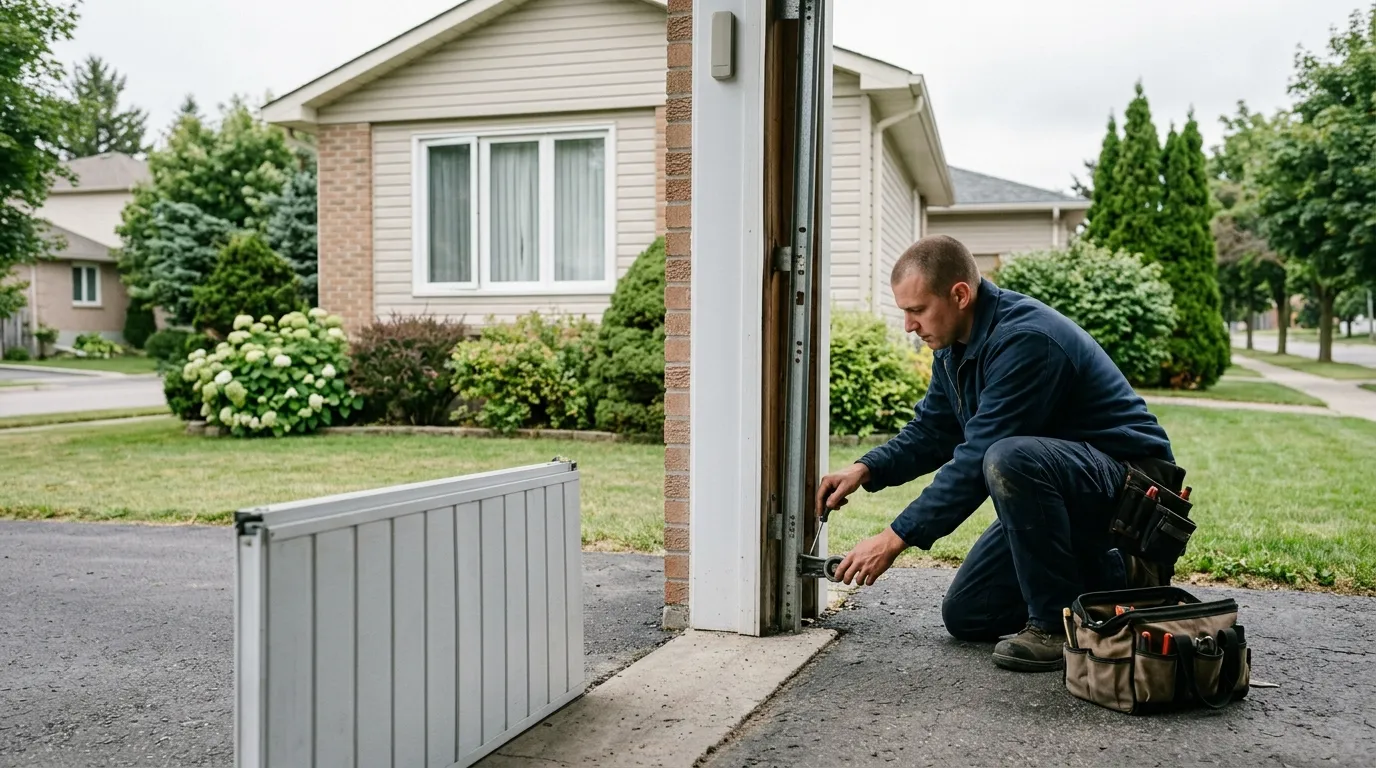
Most calls we get involve a door that's stuck open, stuck shut, or moving badly enough that leaving it alone isn't safe. A stuck-open door is a security problem the same day, especially with a garage full of tools or a car inside. A stuck-shut door usually means someone can't get to work. We prioritize based on what's actually happening at the house, not just who called first. Parts availability is the other piece of this - a standard torsion spring or roller we carry on the truck goes in the same visit. A specific opener circuit board or a discontinued panel style, especially on houses built closer to 1997 with hardware nobody's made in twenty years, can mean a wait while we source it. We'll tell you straight which category your repair falls into before we start, not after.
Why It Happens Here
Longmont sits in a cold, severe climate band, and that matters more for garage doors than people assume. Steel contracts in hard freezes, which stiffens door seals and makes tracks bind if they're not lubricated for winter. Torsion springs lose a measurable amount of tension in cold weather, so a spring that was borderline in September can snap in January. Openers with older logic boards, common in housing stock built through the 80s and 90s across this area's 23 named neighborhoods, sometimes misread the cold as a safety fault and refuse to close. None of this is unique to one street - it's a function of when the housing here went up and what winter does to steel and lubricant regardless of the house. If your door has never been serviced for winter, that's usually where the trouble starts, not with the door itself.