This Area's Housing
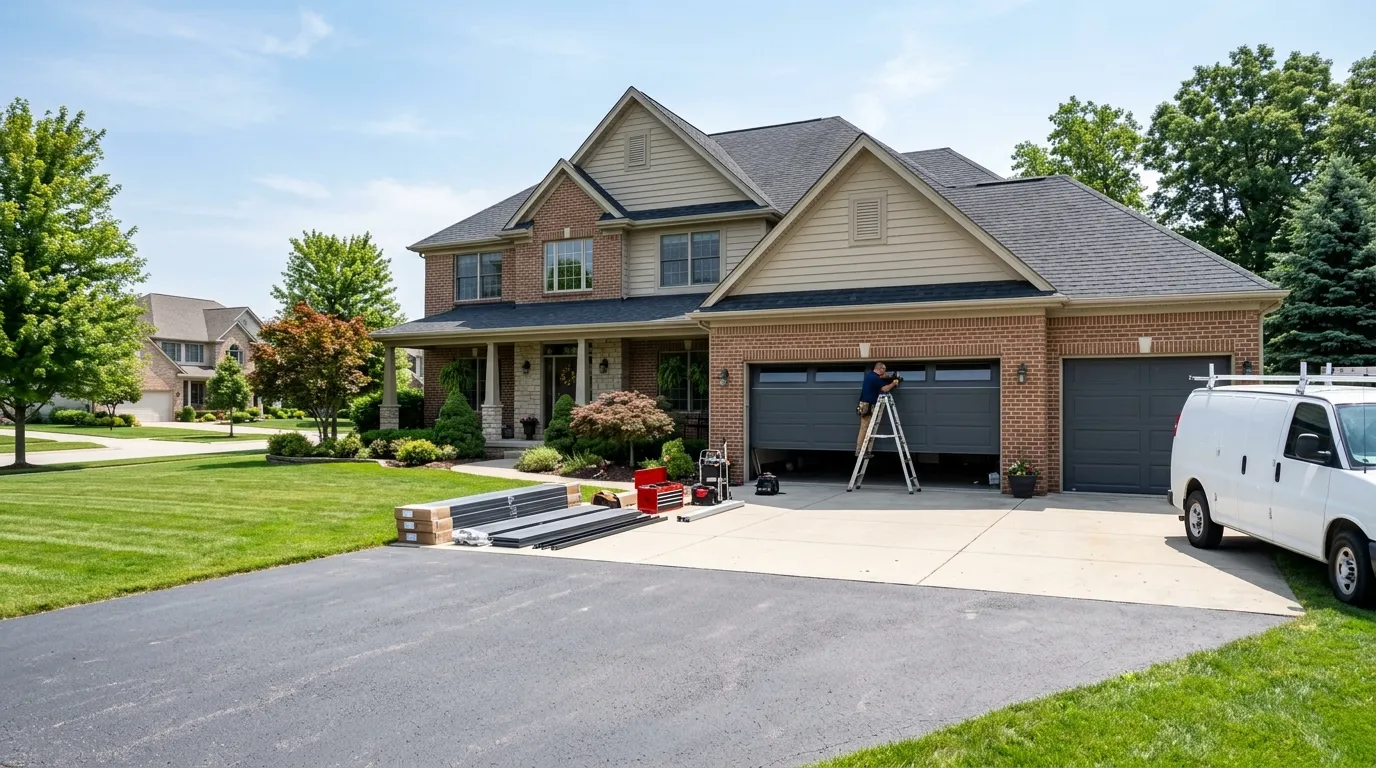
Glendale sits about 15 miles from our shop in Longmont, and it's a small pocket - around 24 households, with a median income near $194,375, well above the $116,074 median across our wider service area. The homes here mostly went up around 1993, which puts Glendale on the newer end compared to the broader territory we cover, where construction spans 1952 to 2010 with a median closer to 1997. That means Glendale's garage doors are, on average, a few years younger than what we see on a typical call across the rest of our coverage. Fewer decades of exposure means less cumulative wear on the original hardware, but it doesn't mean nothing's happened - a door installed in the early 90s is now past 30 years old, which is right around when springs, cables, and rollers on even a well-built door start failing on their own schedule rather than from any one bad winter. Because there are so few households out here, we don't run a set route through Glendale the way we do closer to Longmont - every call is a dedicated trip.
What That Means for Doors
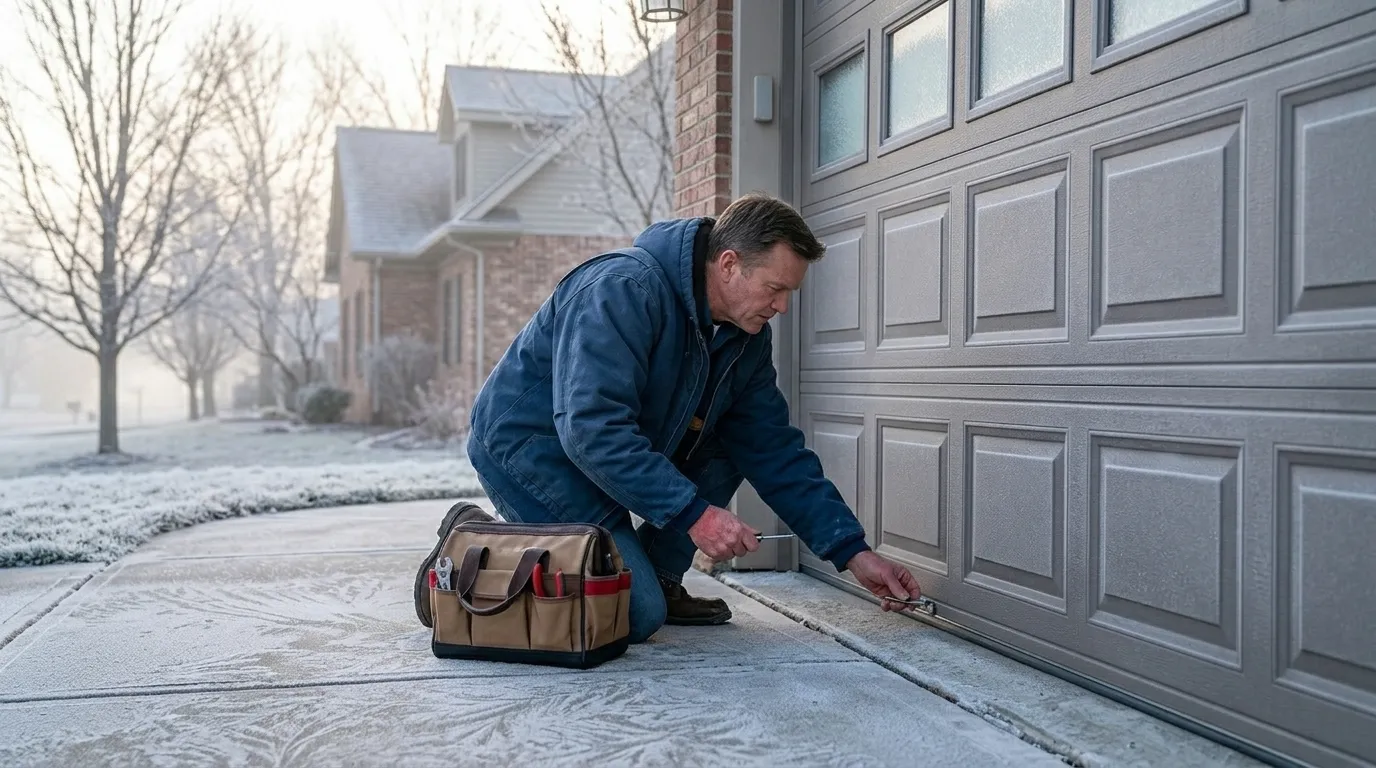
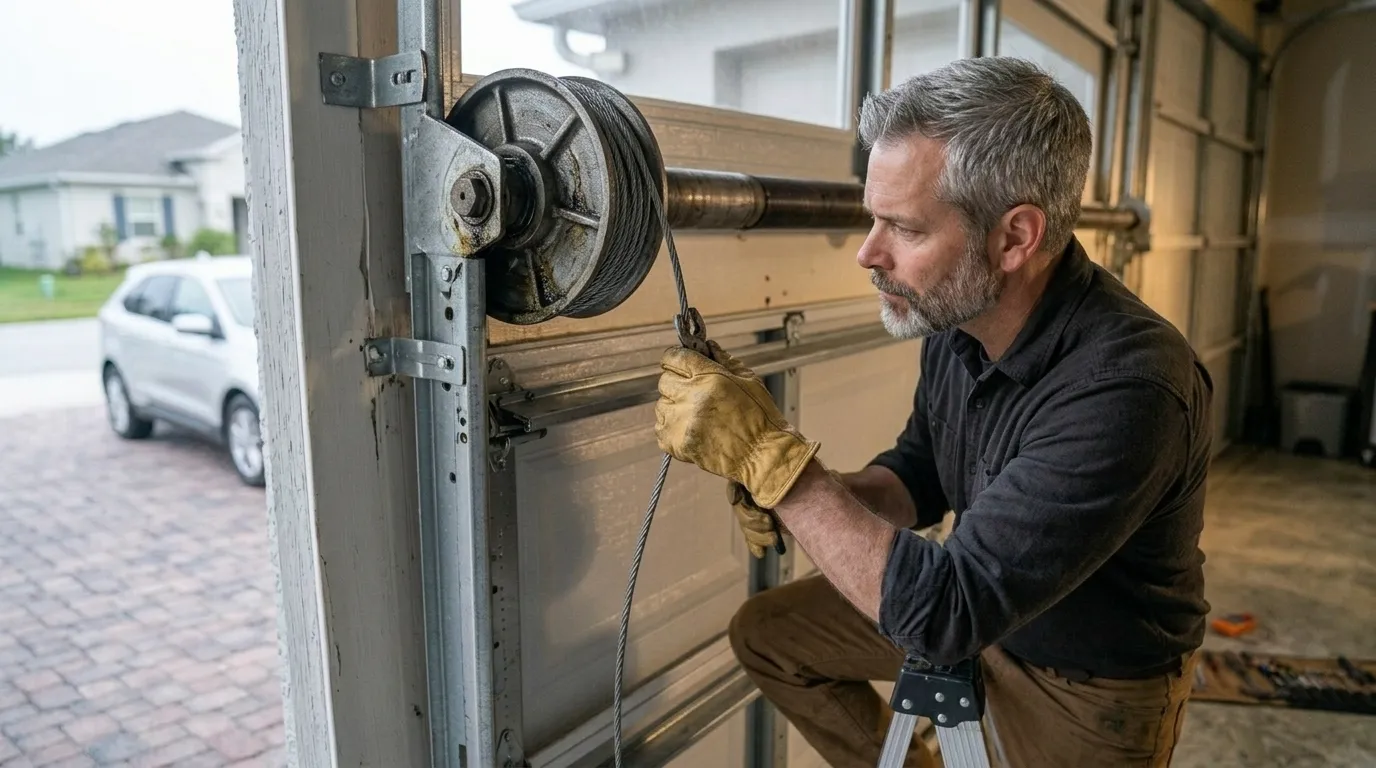
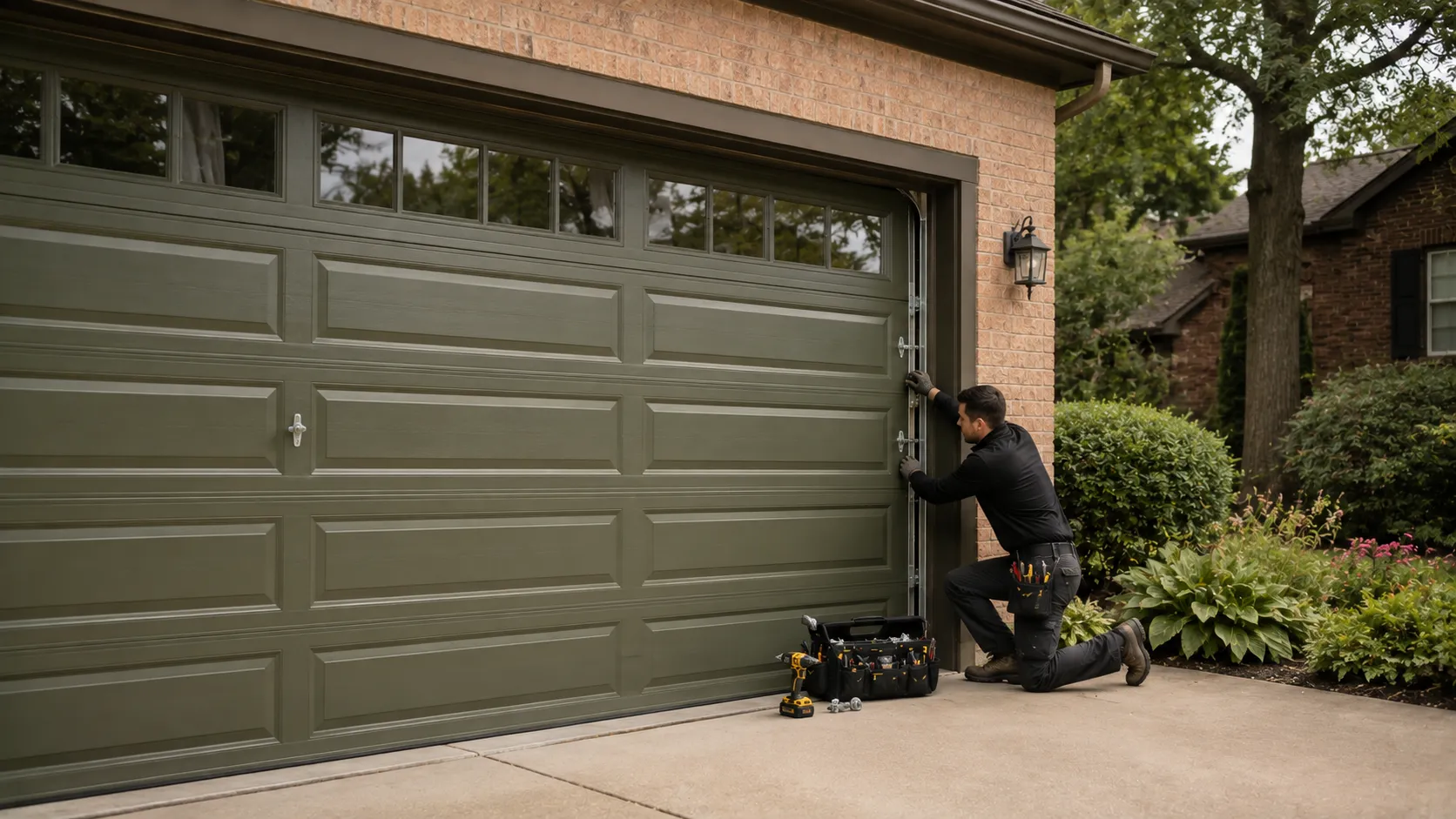
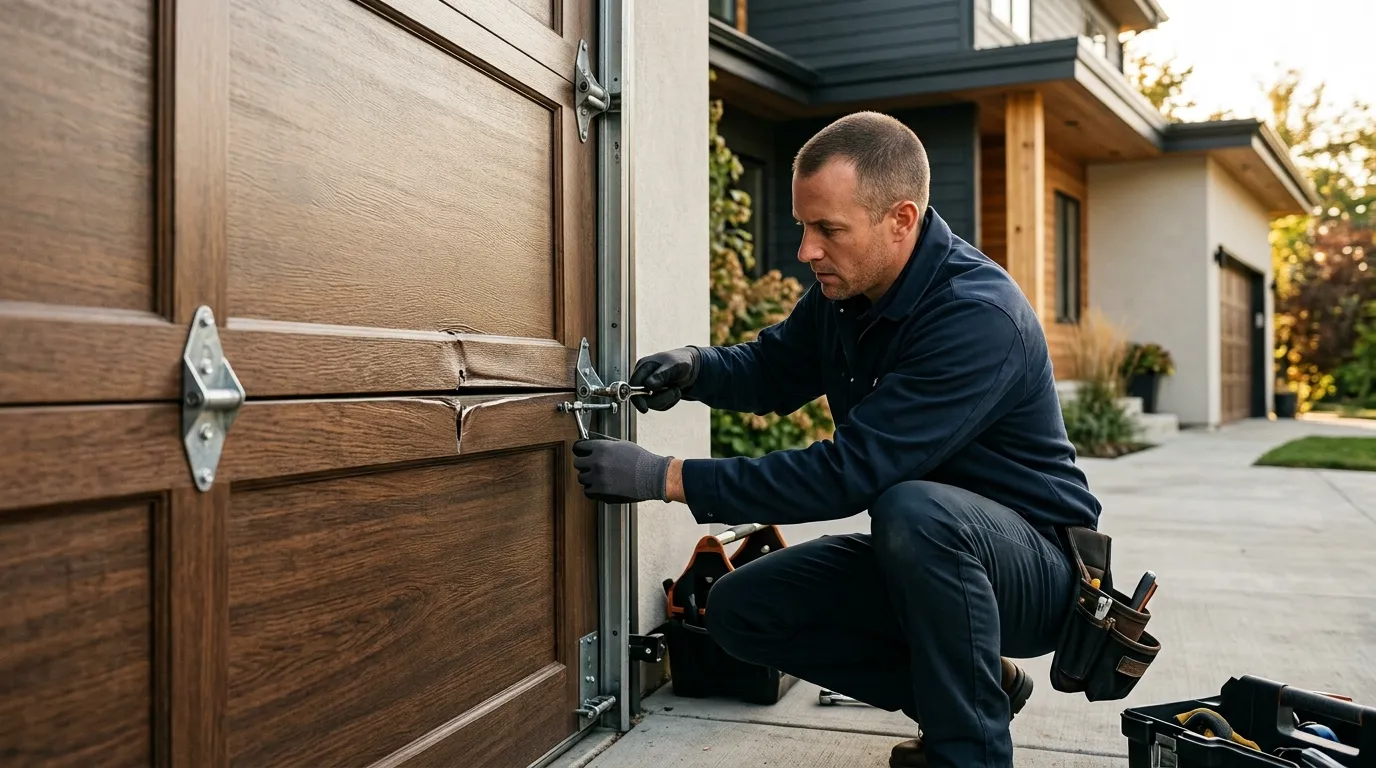
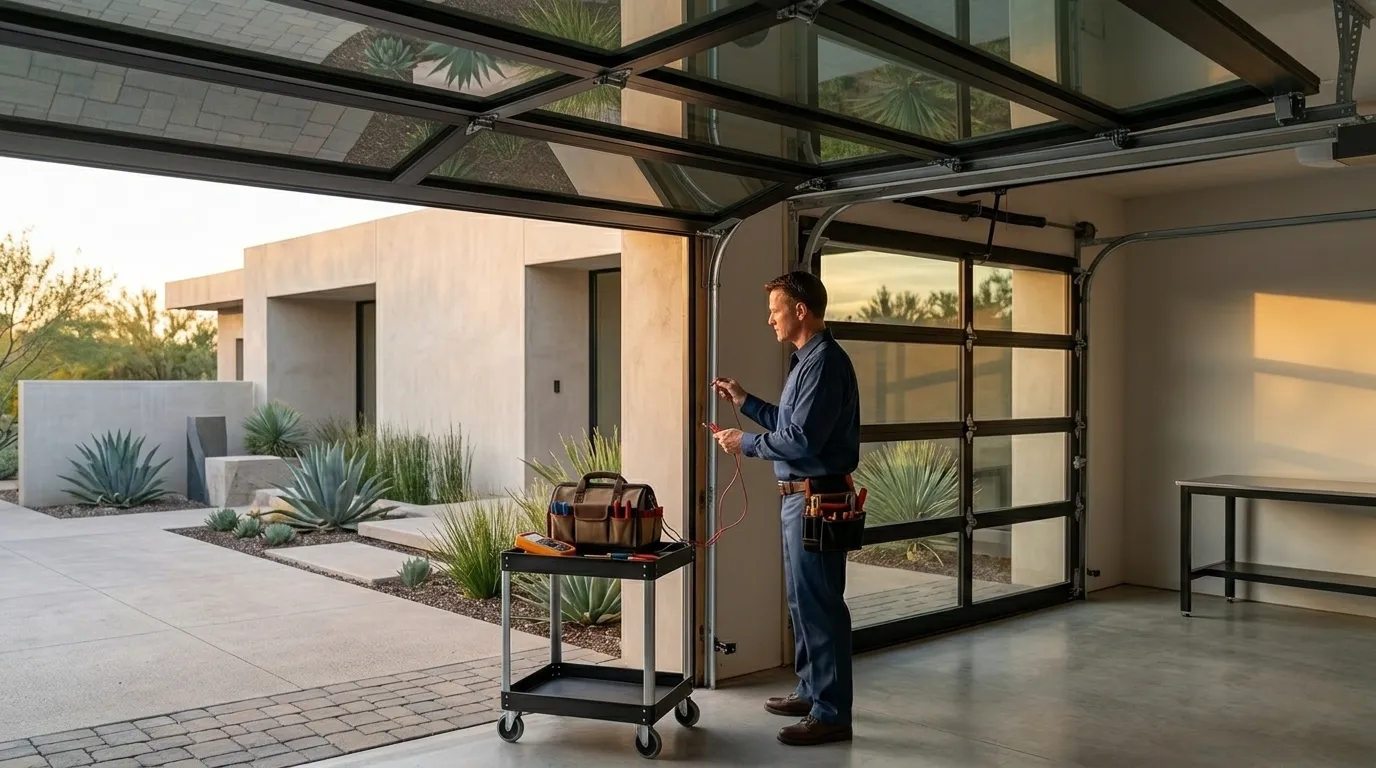
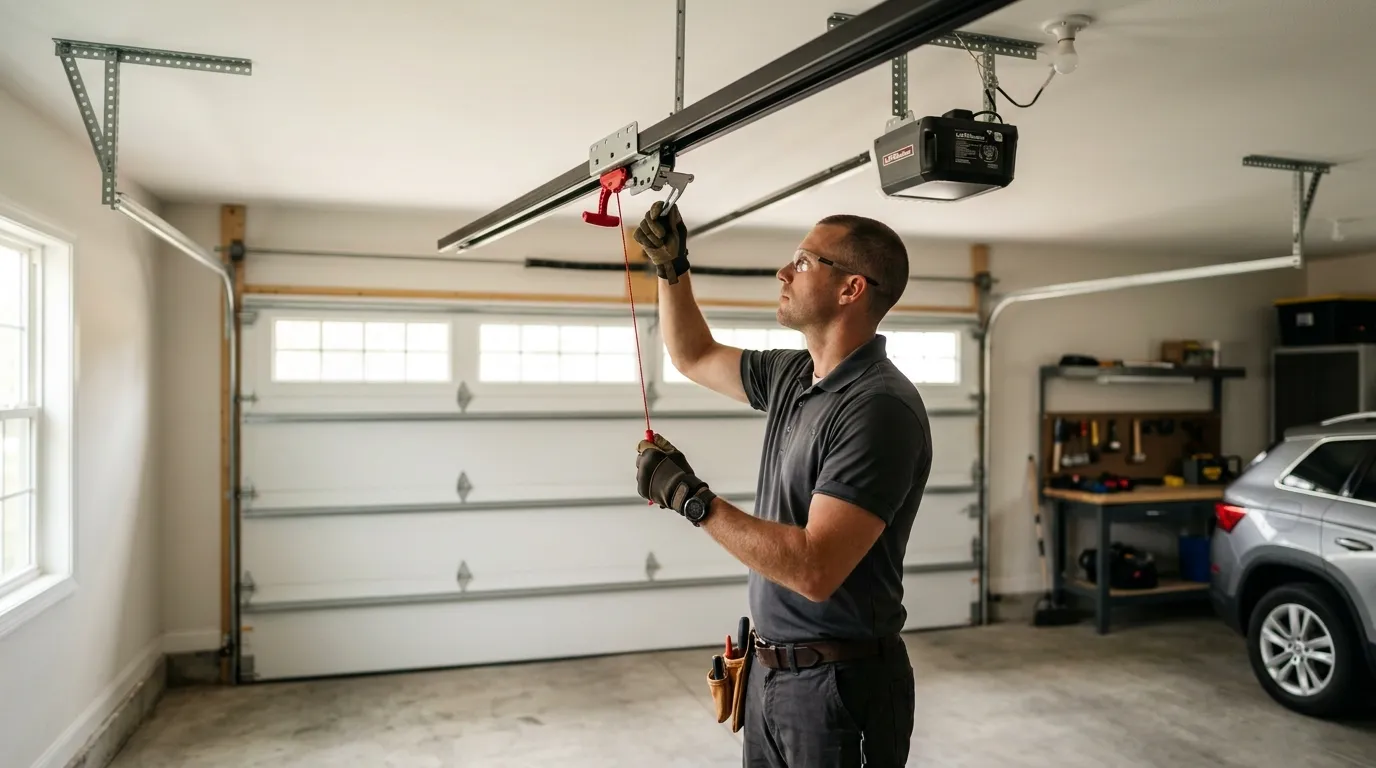
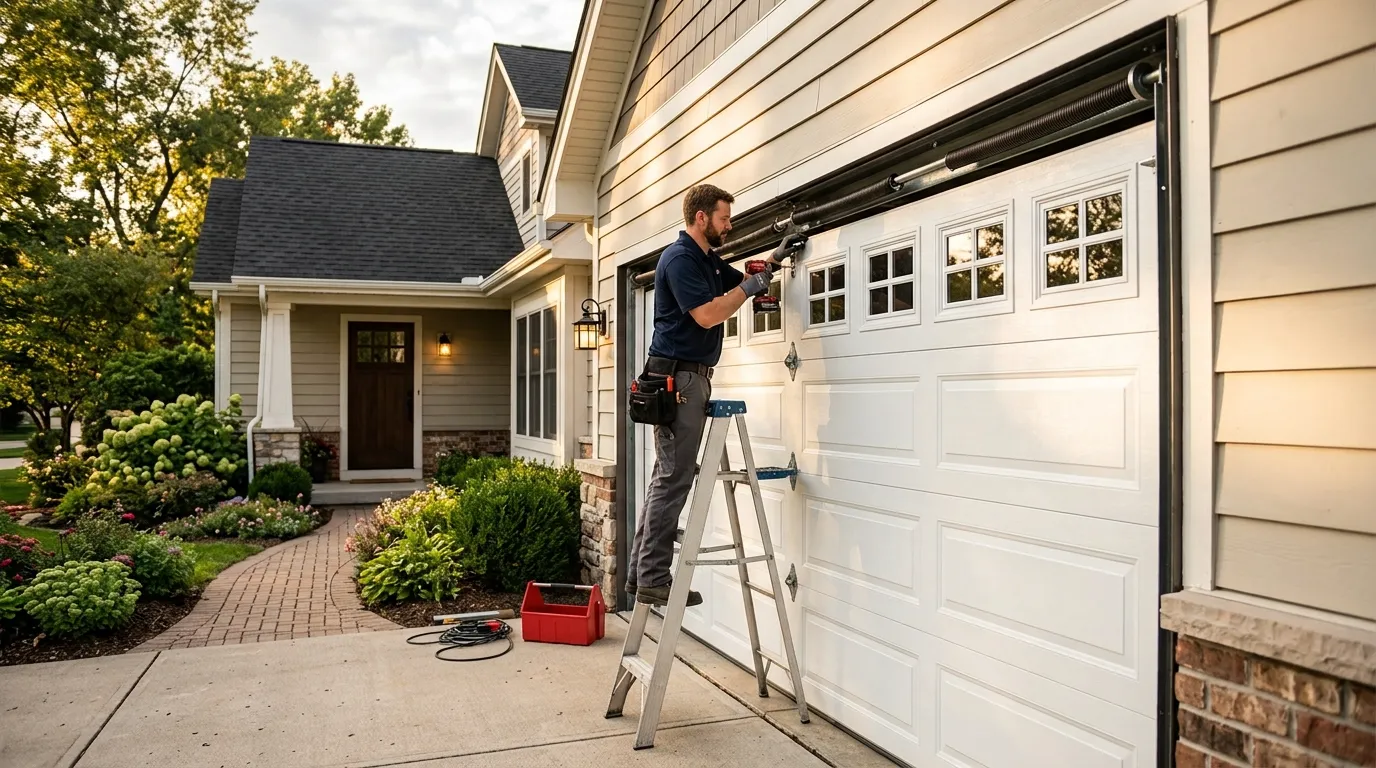
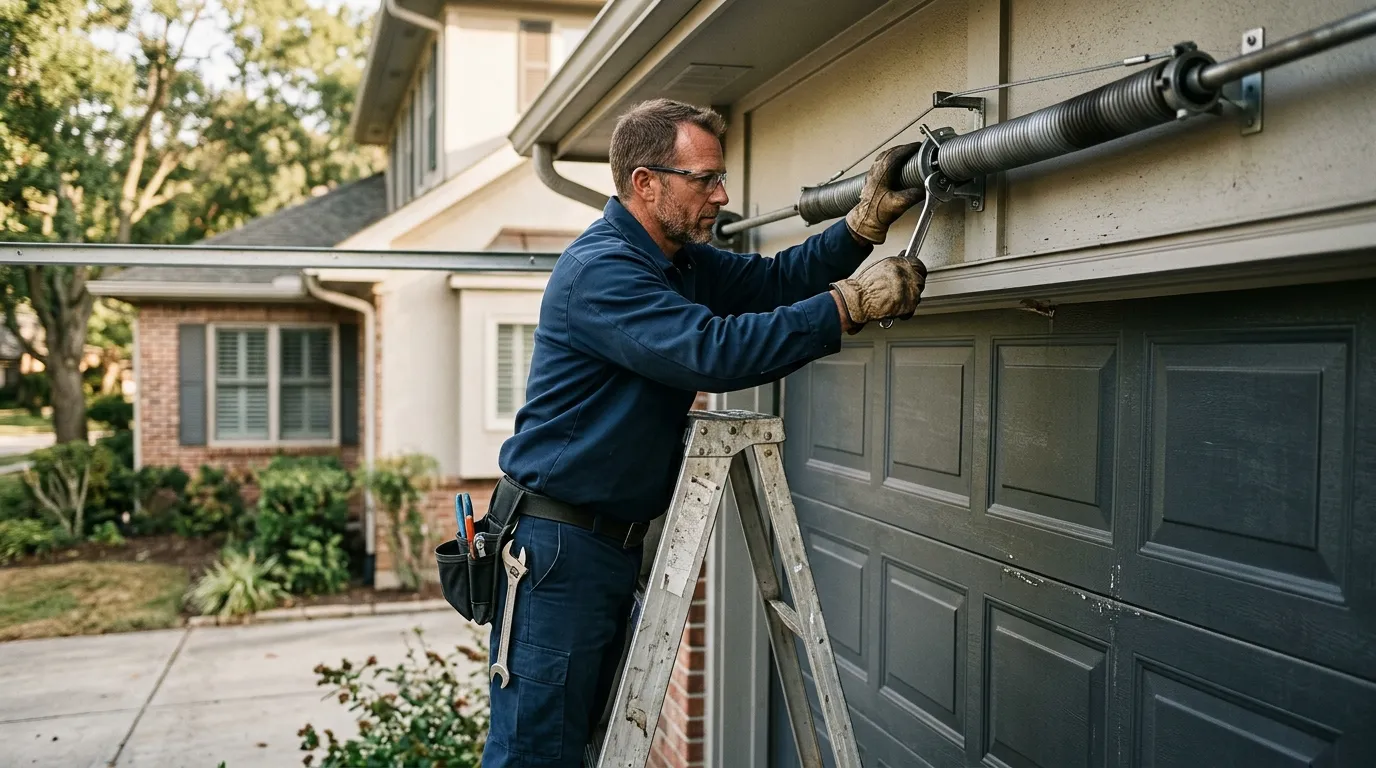
A door from the early 1990s usually means a step up from the bare one-piece doors of the 1960s and 70s: sectional steel panels, extension or torsion springs sized for that era's door weight, and openers that are early-generation chain or belt drive rather than the newest safety-sensor setups. At this age, the failure points are predictable - the original spring has usually done its 10,000-plus cycles and is due, the plastic idler pulleys and nylon rollers from that manufacturing period are brittle by now, and the opener logic boards from the 90s don't always play well with modern remotes or smart-home add-ons homeowners want to bolt on. Our service area sits in a cold, severe winter climate, and cold makes stiff springs and dry rollers worse before it makes them better - steel contracts, lubricant thickens, and a marginal spring that was hanging on in September can snap on the first hard freeze. On a newer-built door like Glendale's, we're less likely to be dealing with rot in a wood-framed jamb, but we still see worn seals letting cold air into the garage, which matters more here given the winter severity.
The Calls We Get From Here
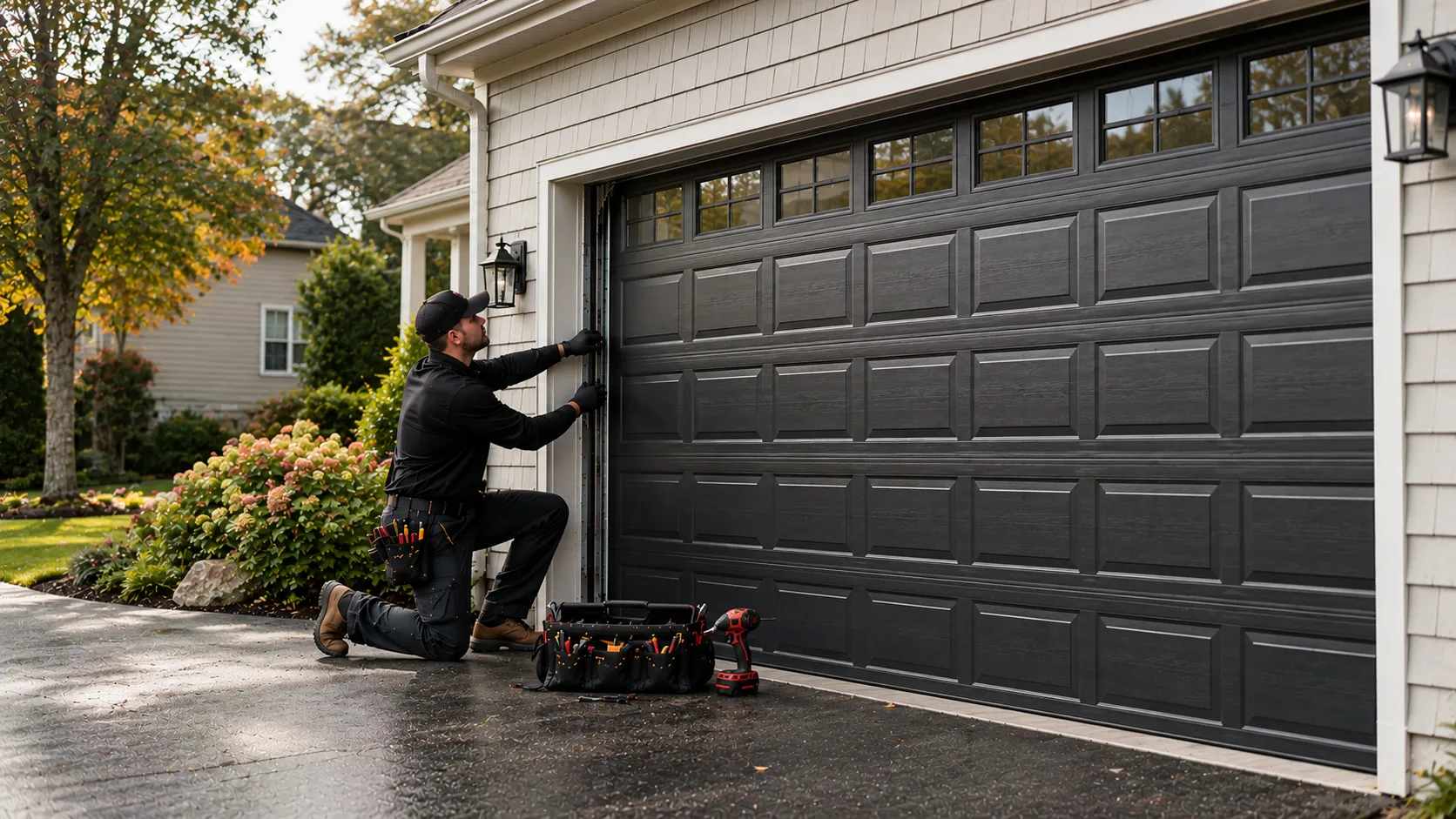
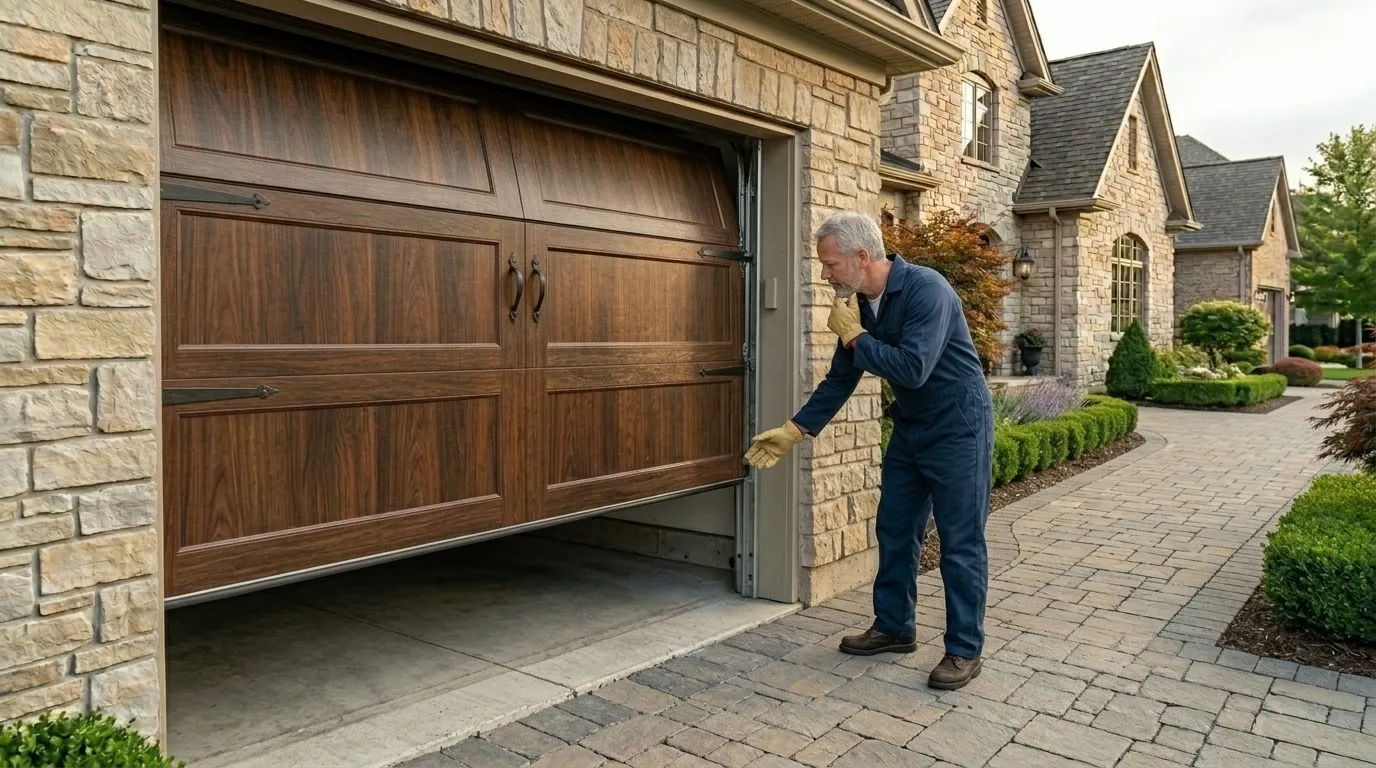
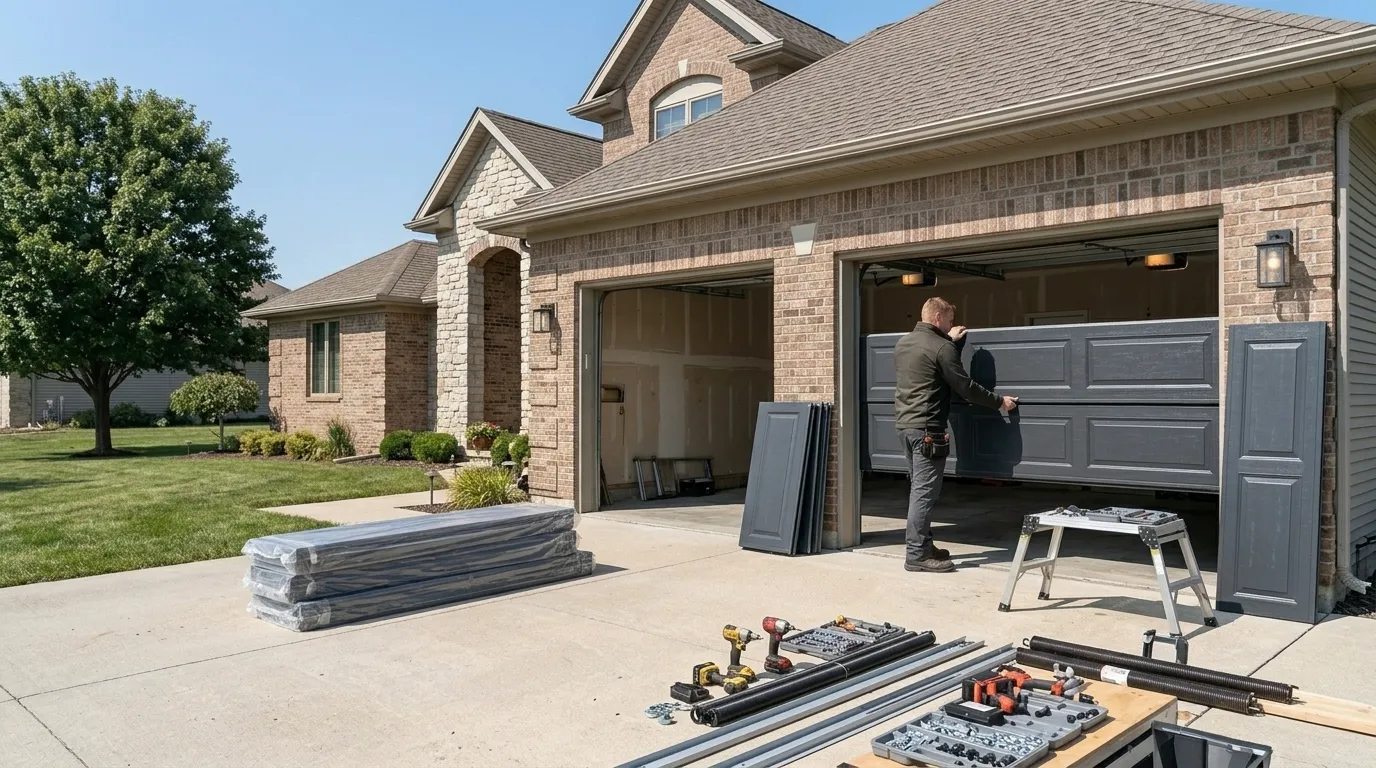
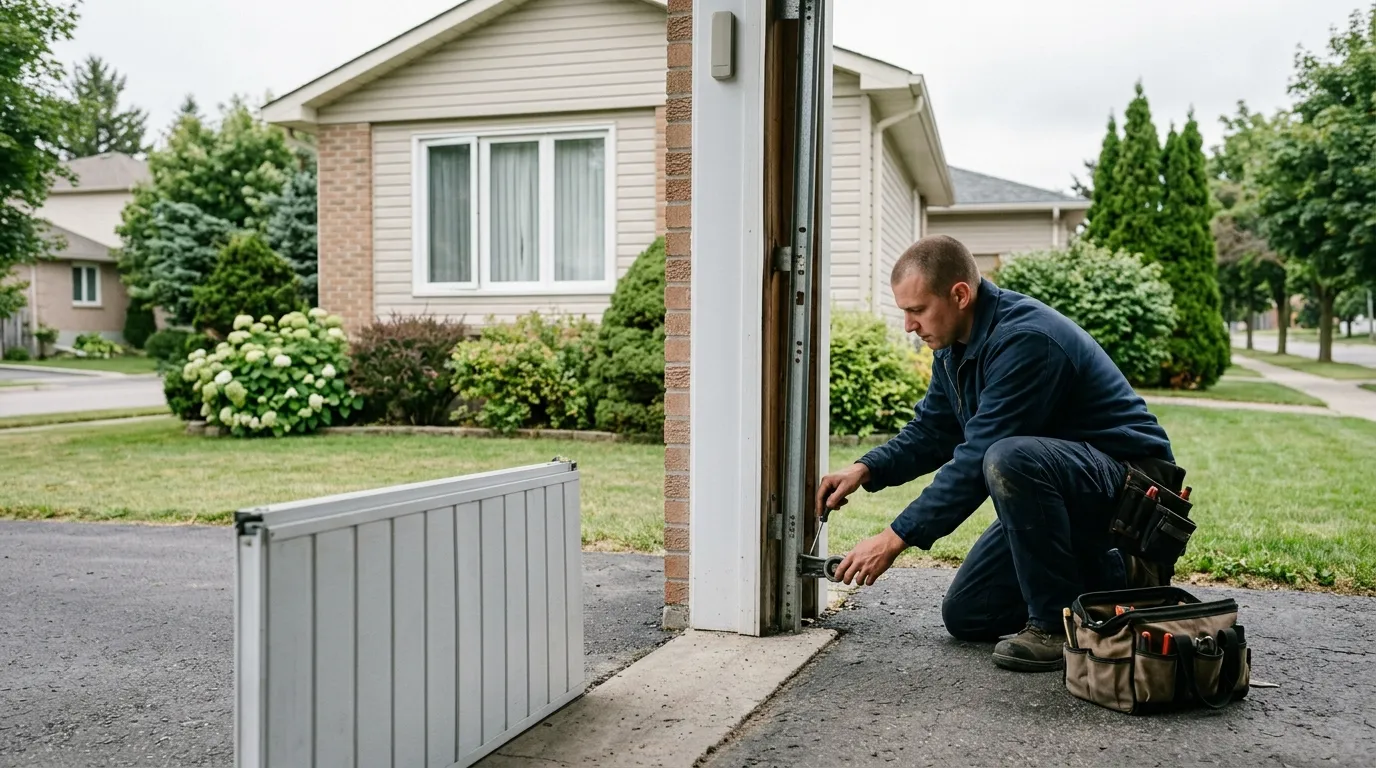
Most calls from this stretch come in as a spring that let go overnight, a door that won't close because a sensor's out of alignment, or an opener that's started grinding and finally quit. Because household density is low here, we don't get the volume of calls we see closer in, but the jobs themselves aren't different in kind - they're just further from the truck. When a homeowner calls, we ask about the door's age and any past repairs before we load parts, since a door built around 1993 usually takes different spring wire gauge and drum size than the older doors common elsewhere in our territory. If a door's opener and hardware are both original, replacement sometimes makes more financial sense than a piecemeal repair - we'll say so plainly rather than stack fixes on a unit that's past its useful life.