The DIY Question
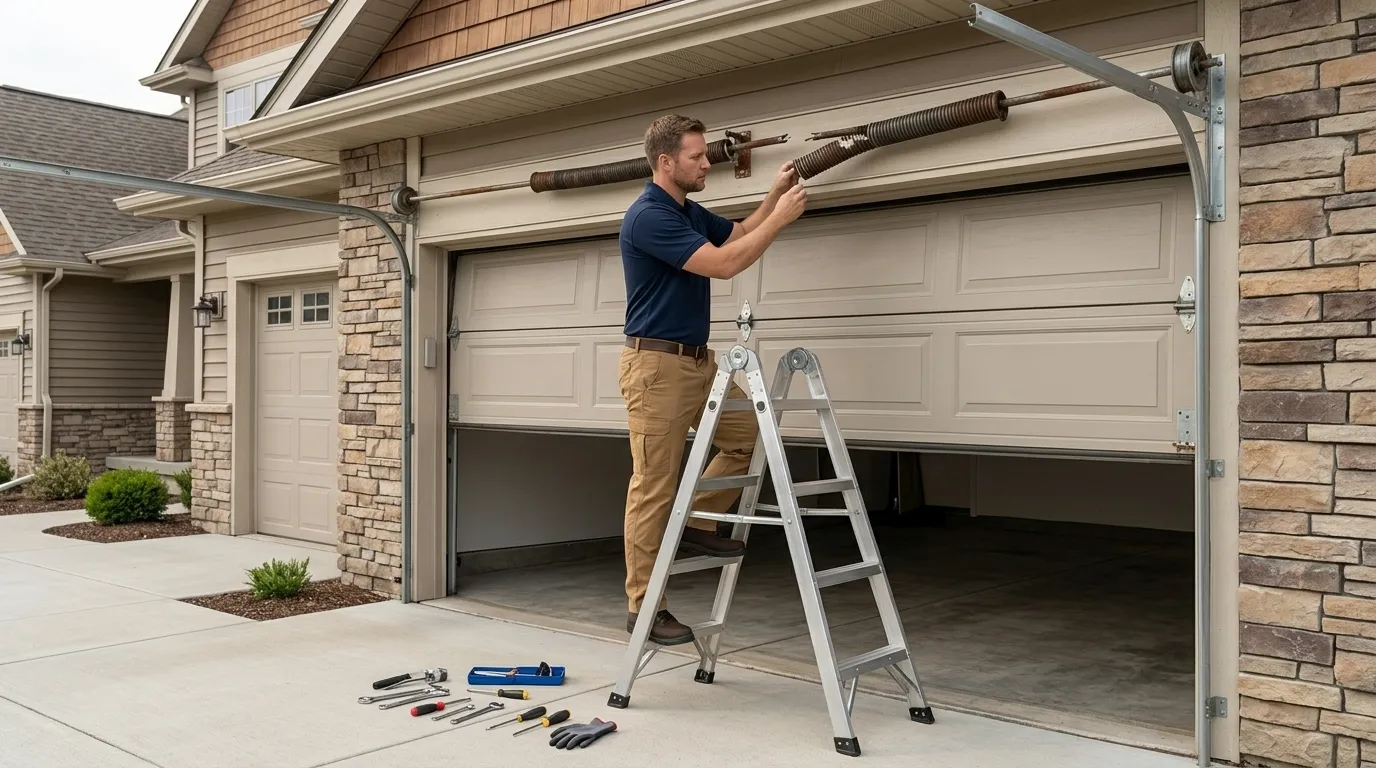
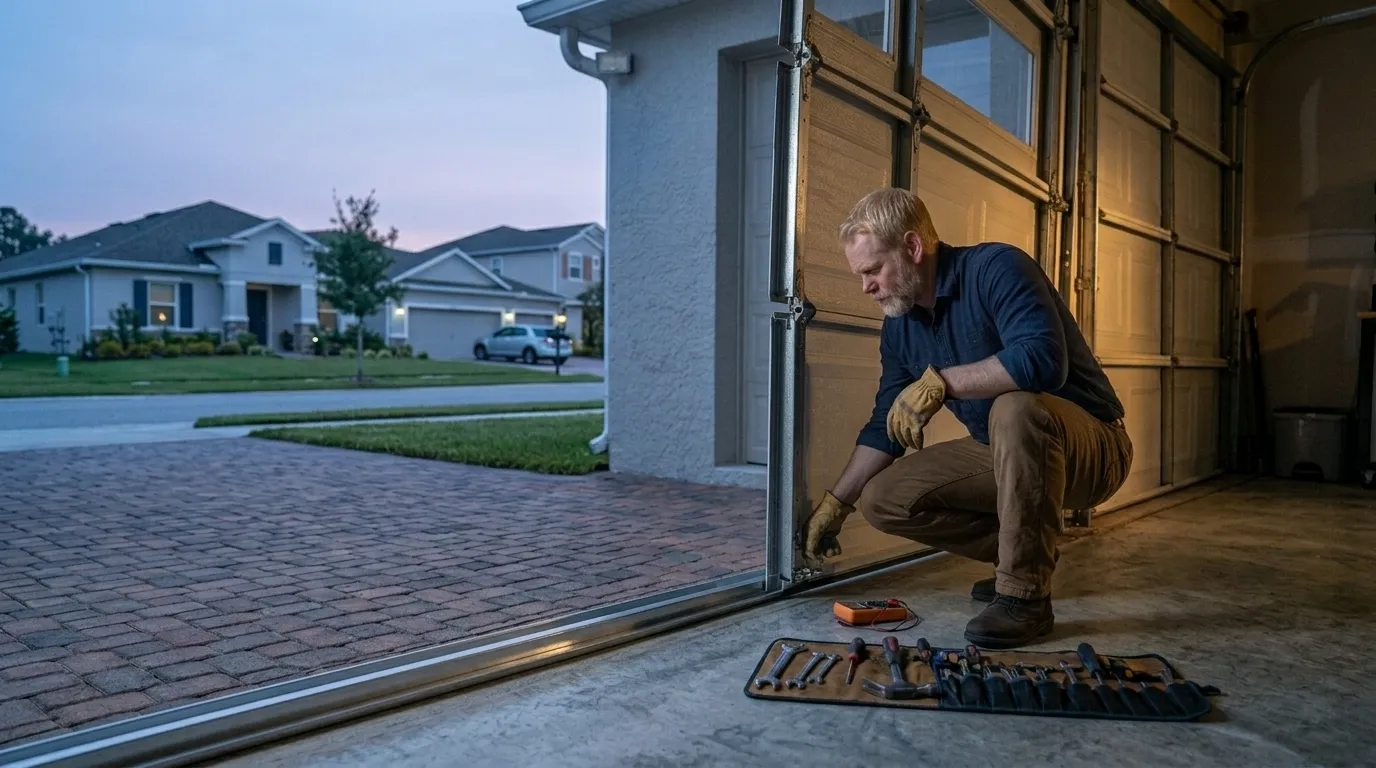
A torsion spring holds enough stored energy to break a finger or worse, and that's the part failing most on doors from Longmont's older housing stock. We don't recommend touching it yourself, full stop. If your door is off track, a bent hinge or a roller out of its channel is sometimes a job you can look at safely with the opener disconnected and the door manually locked down first - but even that goes wrong fast if a cable is involved.
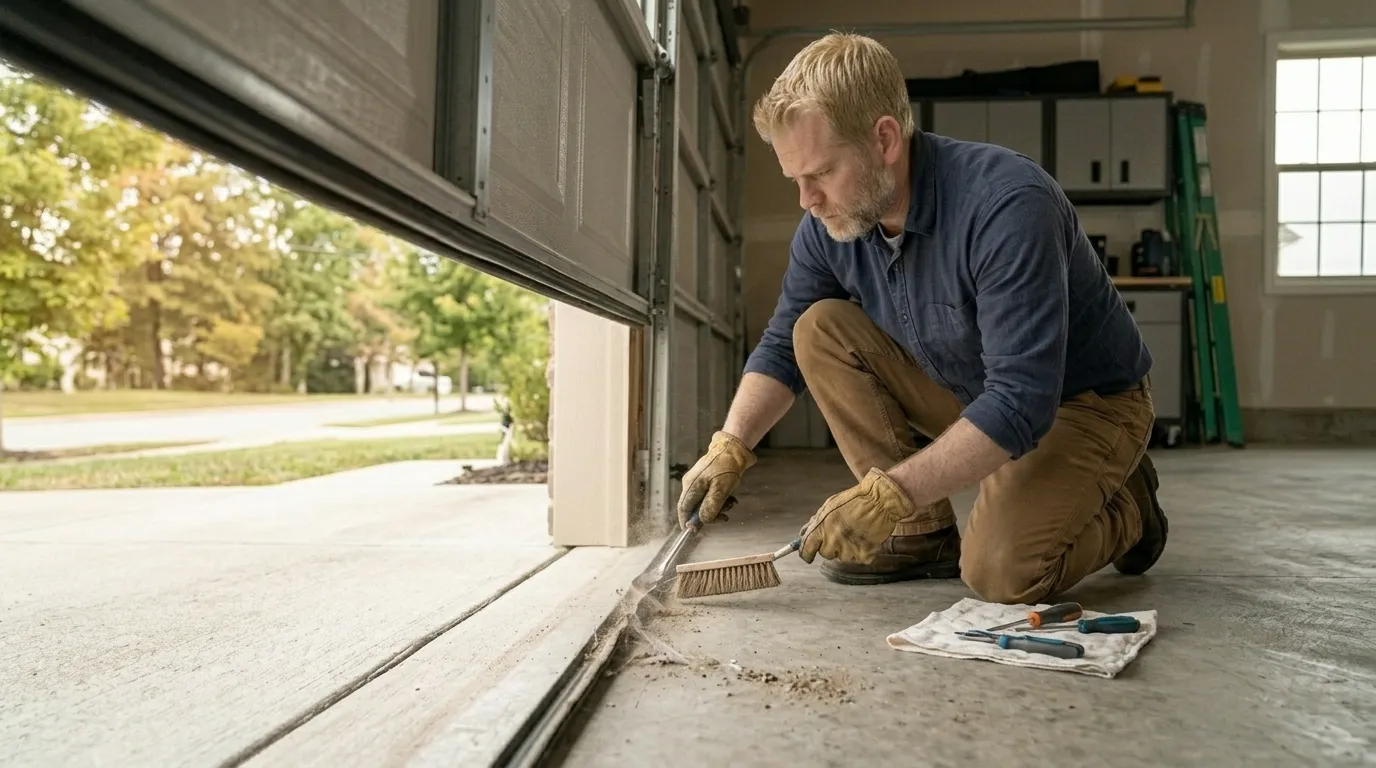
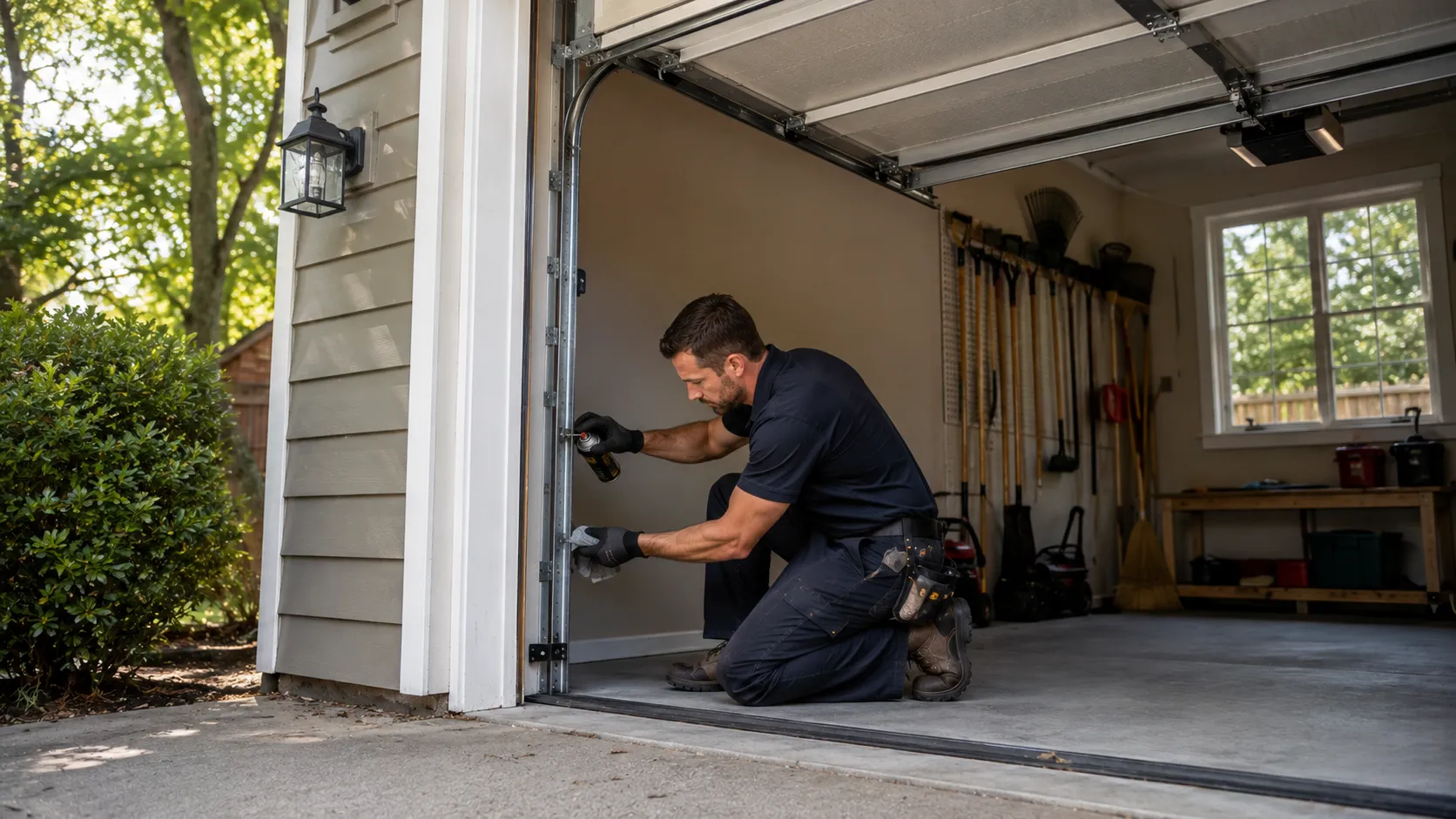
What you can do yourself: check the sensor eyes for dust or misalignment if the door reverses before it touches the floor, tighten visible bolts on the track brackets, and listen for grinding versus clicking so you can describe it accurately on the phone. What you shouldn't do: cut a wound spring, force a door that's binding, or keep hitting the opener button hoping the gear will catch. On a lot of the 1980s and 90s builds around here, the opener gear is original and already worn thin, and forcing it just turns a $200 gear repair into a full opener swap.
How Long You Are Without the Door
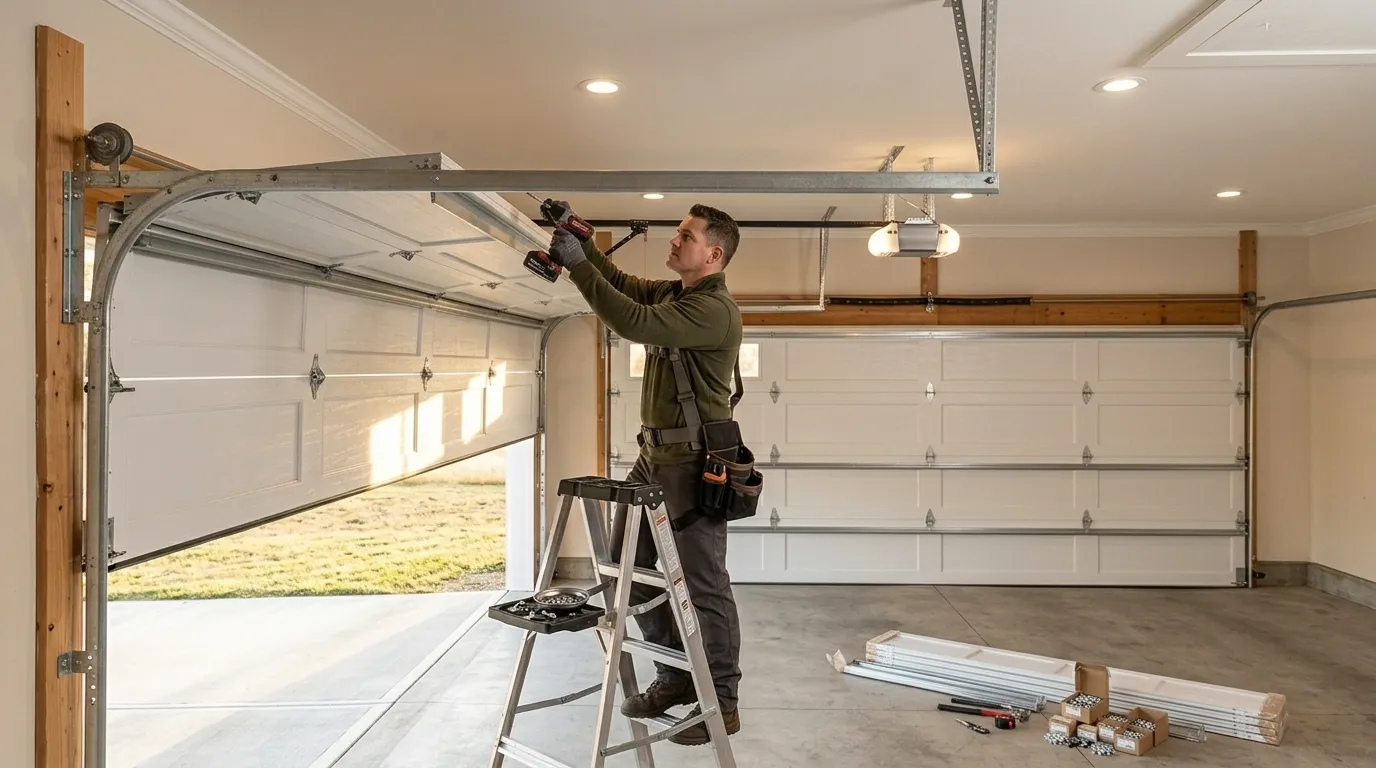
How long you're stuck depends more on the part than on us. A snapped torsion spring or a bad cable is usually a same-visit fix once we're on-site, because those are stock parts on the truck regardless of your door's age. Where it stretches out is opener boards and circuit parts for units from the 1980s and 90s - a lot of Longmont's housing falls right in that window, and some of those opener models simply aren't manufactured anymore, so a control board can mean a short wait on a special order rather than a same-day close.
We'll tell you straight when we're looking at a repair we can finish today versus one that needs a part we have to source. That's the honest limitation: we're not going to promise a same-day fix on a 30-year-old logic board just to get through the door, because that's how homeowners end up paying twice. If your door is that old and the opener is already flaky, replacing the opener outright is often cheaper over time than chasing parts for a discontinued unit.
Why It Happens Here
Longmont's housing runs from 1952 up through 2010, with the median home built in 1997, and most of the neighborhoods in the area went up through the 1980s and 90s. That matters for one simple reason: torsion springs are rated for a set number of open-close cycles, and a spring installed when a 1990s home was built has had thirty years to work through that rating. We see a lot of failures cluster in that same housing-age band because the springs are simply running out of cycles at the same time.
Cold makes it worse. Longmont sits in a severe cold climate zone, and steel behaves differently when it's contracted by low temperatures - a spring that's already near the end of its fatigue life is far more likely to snap on a cold morning than a mild one, because the metal has less give left in it. Openers from that same building era add a second failure point: gears and boards from the 1980s and 90s weren't built for the software-driven safety reversals required today, so when a homeowner also wants a modern opener, it's often a full swap rather than a patch.