What Is Going On
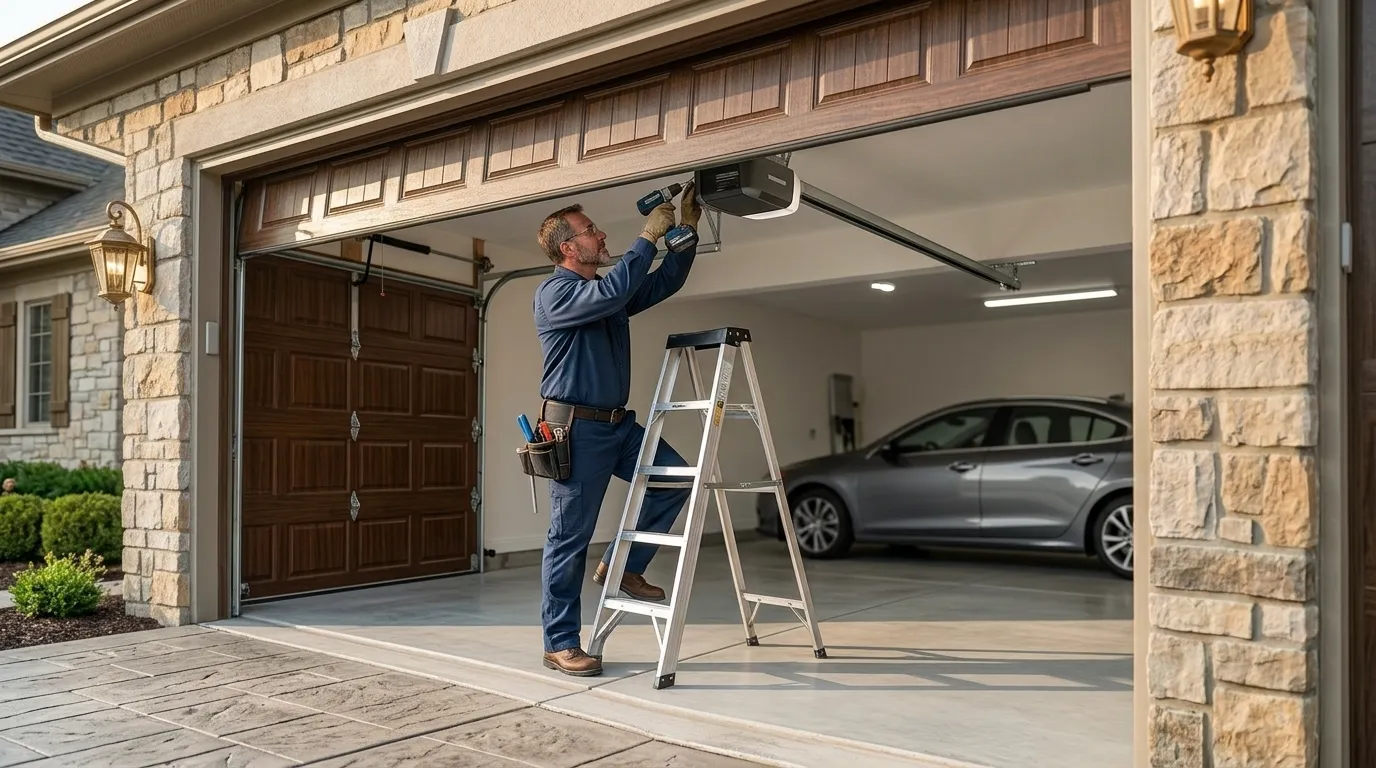
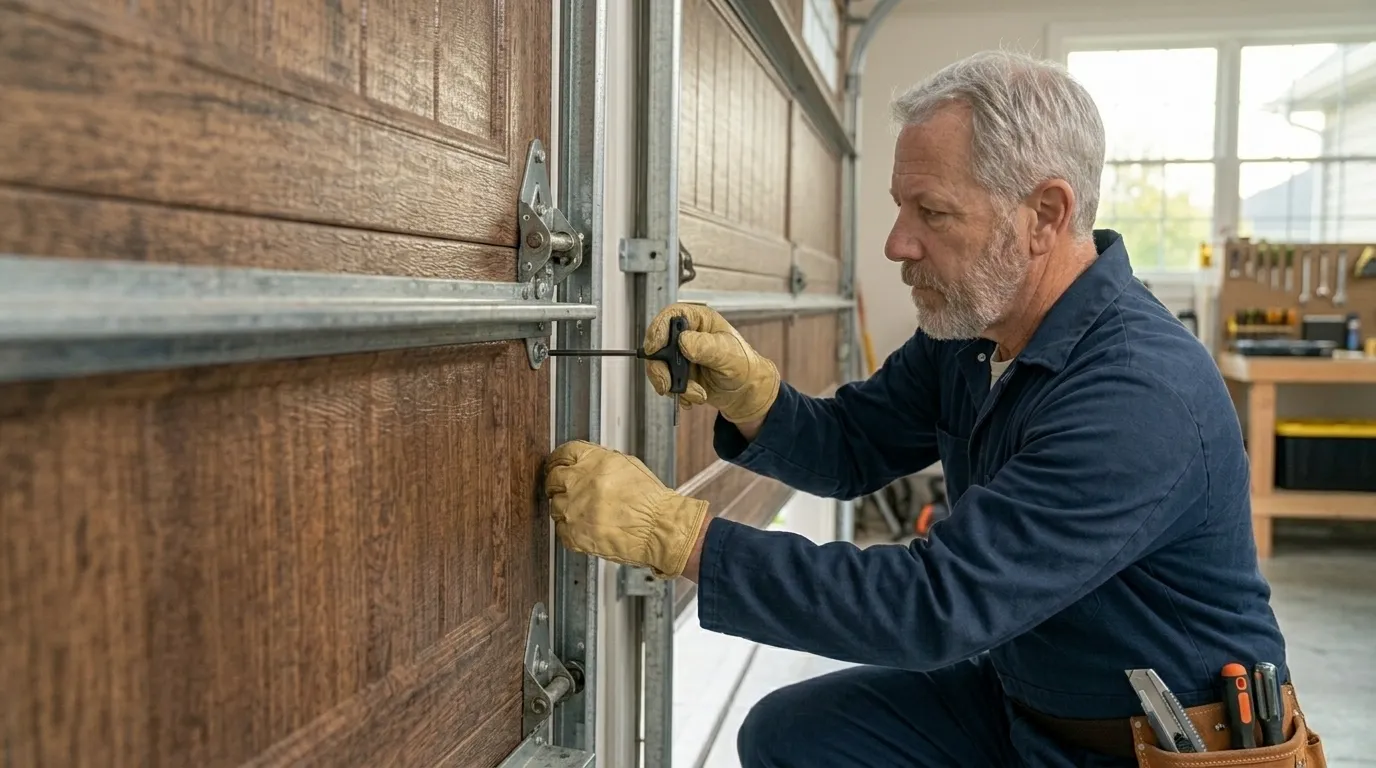
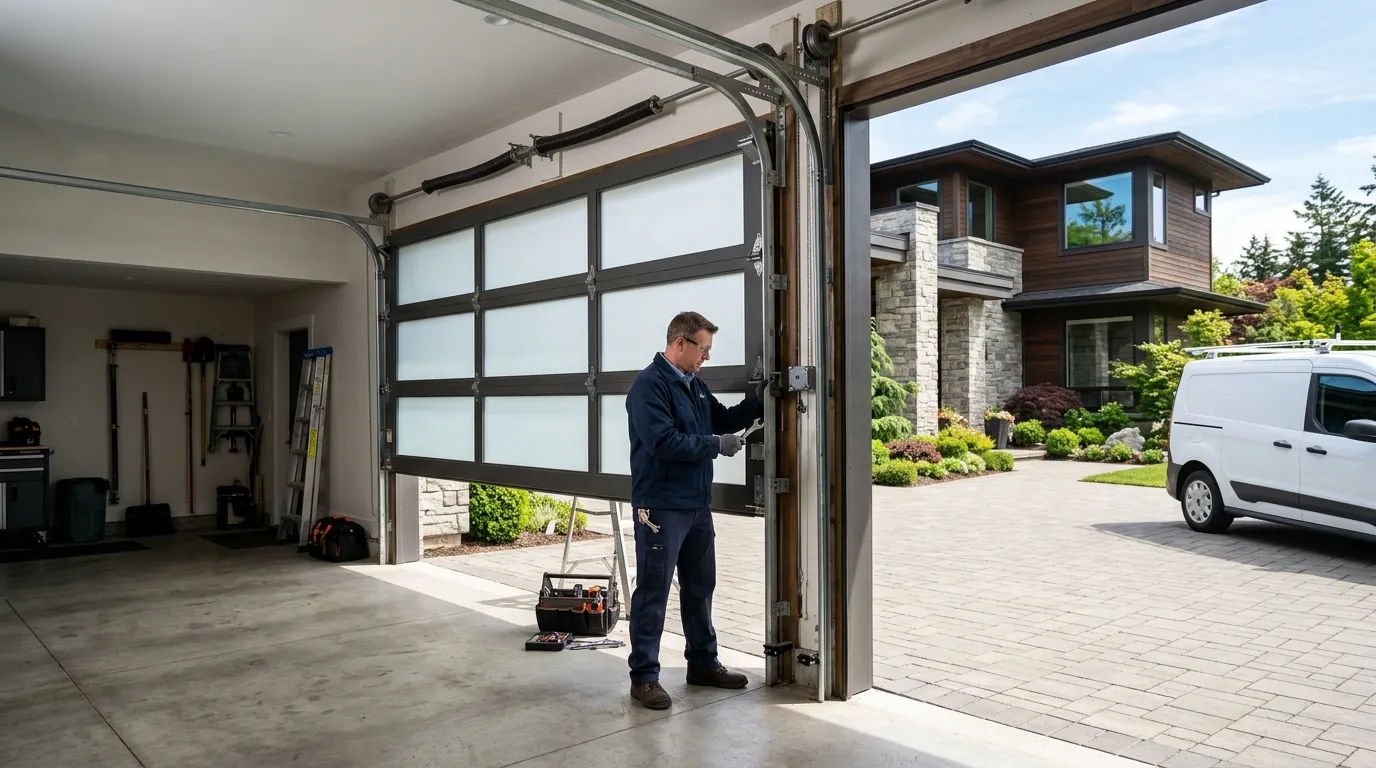
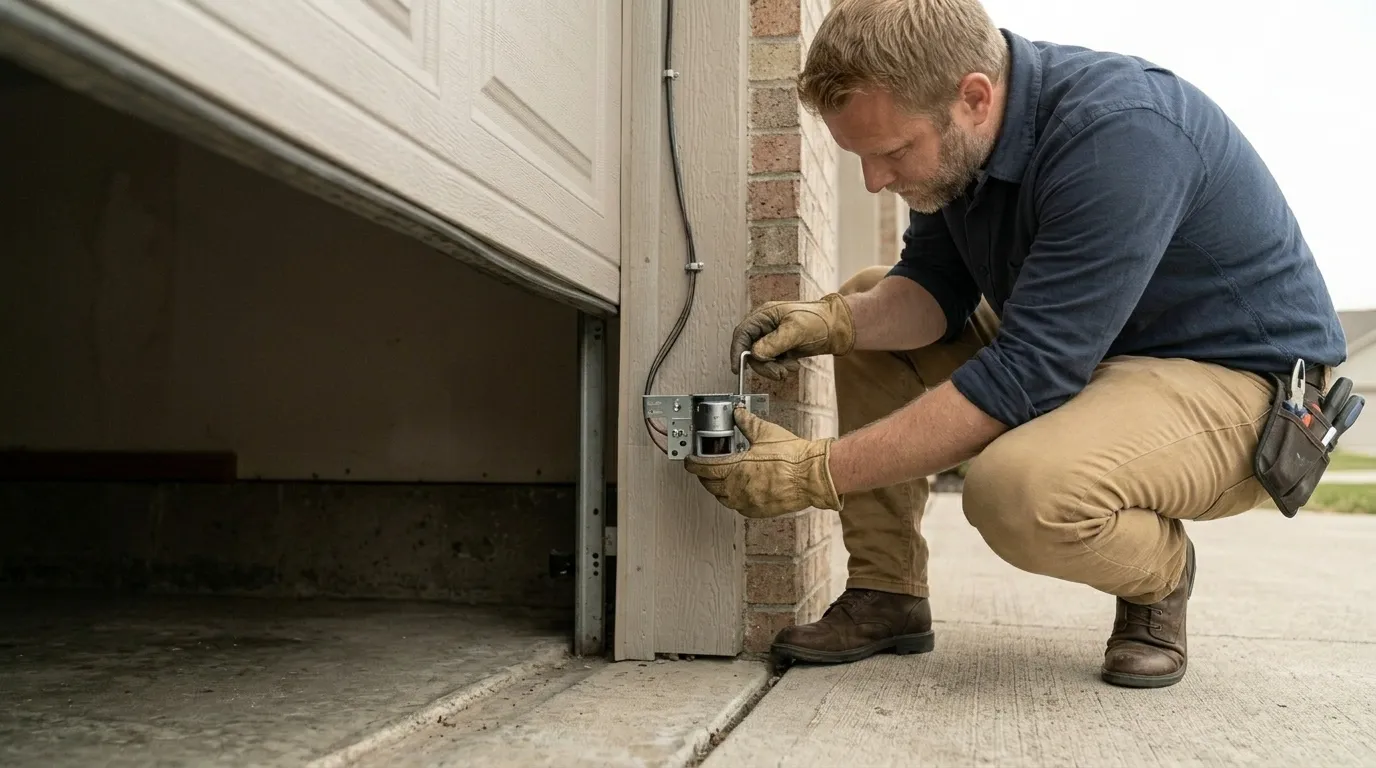
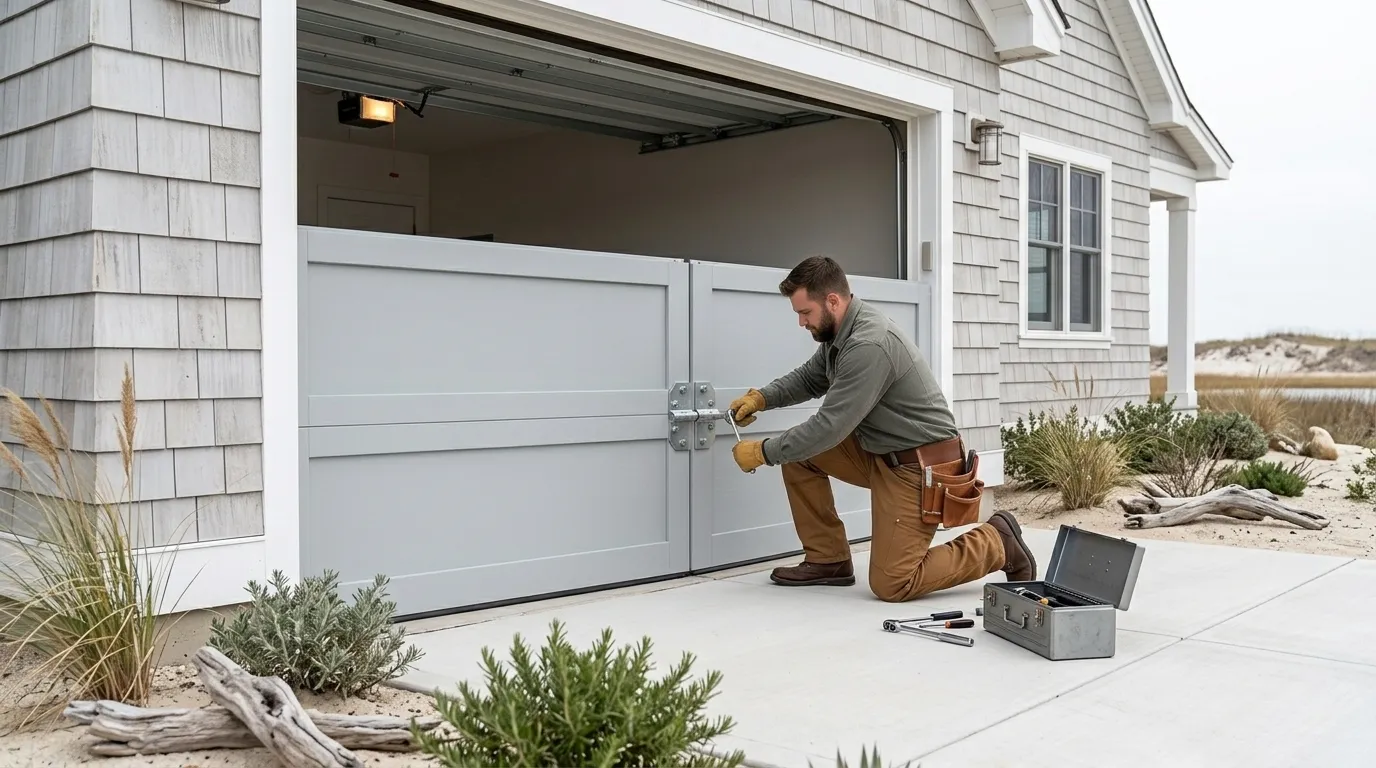
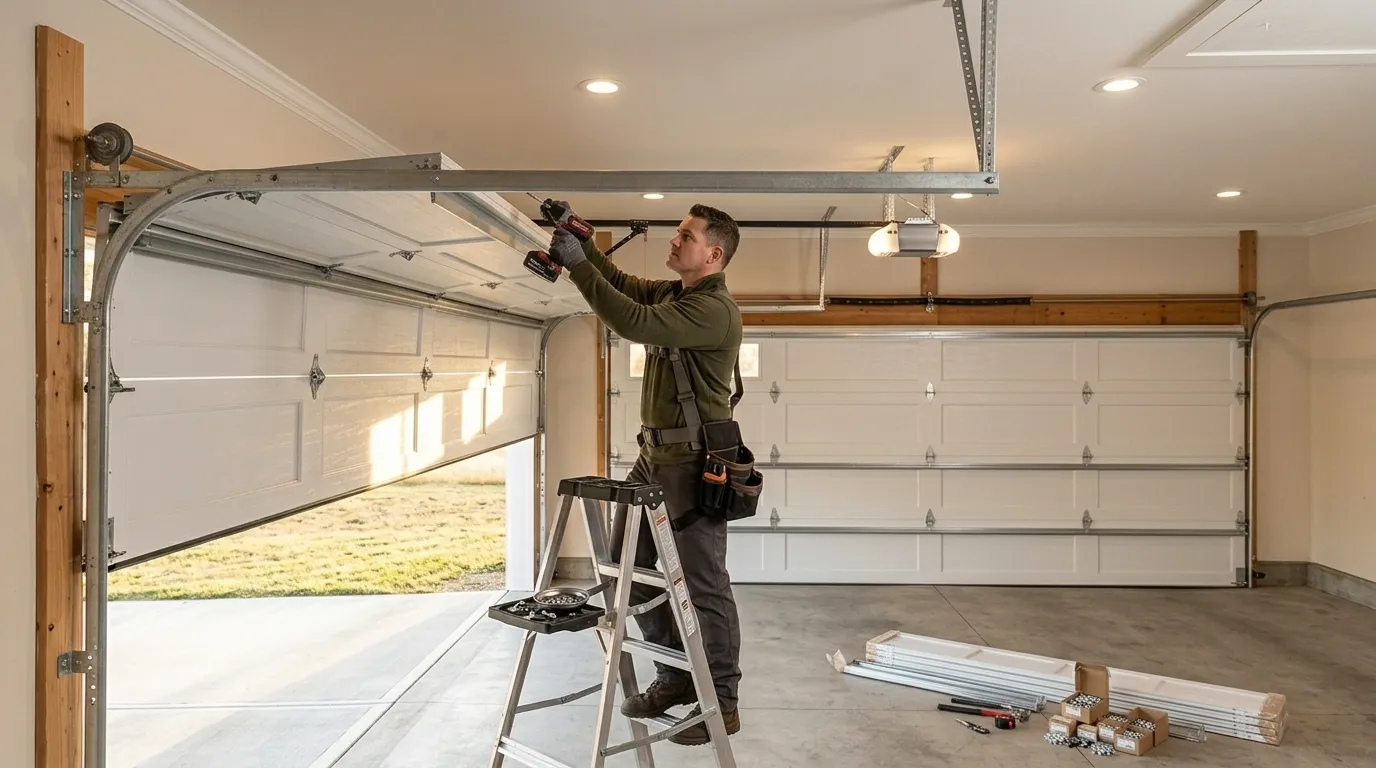
Most of the housing in this service area went up between 1952 and 2010, with the median build year sitting around 1997. That matters because a service call isn't a generic checkup - it's diagnosing whatever era of hardware your door happens to carry. Across the 23 named areas that make up this territory, the bulk of the stock dates to the 1980s and 90s, so a tech is usually looking at steel sectional doors on extension or torsion springs that are original or one replacement in. When we show up, the call covers a few fixed things: we check spring tension and wind, we run the door by hand with the opener disconnected to feel for drag in the tracks, we look at roller condition and hinge wear, and we check the cable drums for fraying. On a house from the 90s stock, that's usually where the story is - springs sized for a lighter door, or track brackets that were never re-torqued after the house settled. We don't guess. We open the panel, look at the part, and tell you what's actually worn versus what's just old.
When It Stops Being a DIY Job
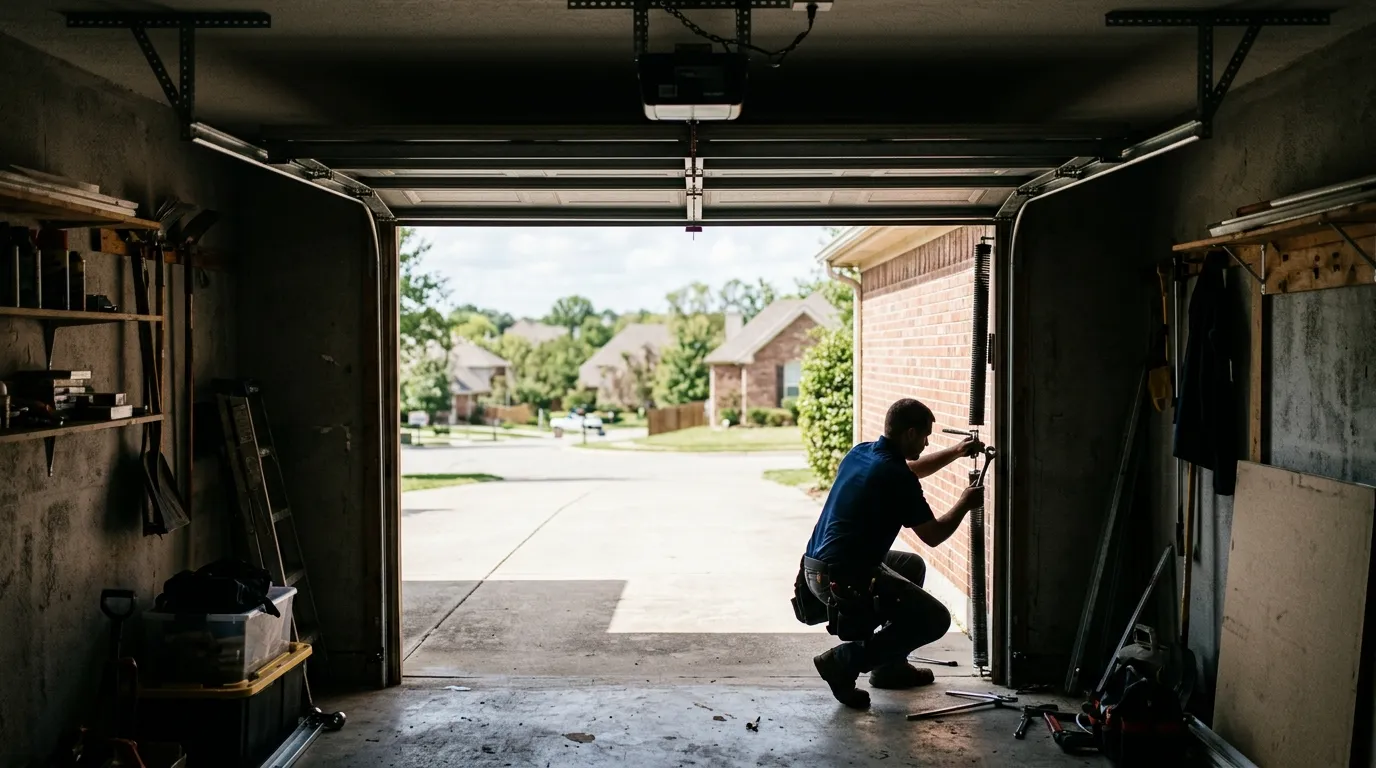
A stuck door or a noisy opener is fair game for a homeowner with a ladder and some patience. A torsion spring under tension is not - that's the one repair on this list we won't talk anyone through over the phone, because the wind-up force on a residential door spring can put someone in the hospital. If a cable has jumped a drum, or a panel is bent enough that the door binds in the track, that's also past the DIY line. Here's the honest limitation: we don't stock every obsolete part. Homes at the older end of the 1952 build range sometimes have hardware nobody makes anymore, and if a section is discontinued, the real fix is replacing the door, not chasing a part that's six weeks out. A service call will tell you which side of that line you're on before you spend money on the wrong fix.
Doing Nothing For Now
Plenty of doors limp along for years on a worn roller or a slightly under-tensioned spring, and nothing bad happens. The risk isn't that waiting is always wrong - it's that a spring under uneven tension eventually lets go without warning, usually while the door is moving. With median household income in this area at $116,074, we see a fair number of owners choose full replacement over a third patch job once a tech shows them the wear on the trunnions or the rust starting on an original 1990s track. That's not us pushing a bigger sale - it's the math working out that way once labor on repeated small repairs adds up. If you're not ready to spend anything right now, the reasonable move is to skip using the opener on the coldest mornings and lift by hand, watching for binding, until you can get someone out.