24/7 Emergency Service Open 7 days · 7am–8pm Serving Longmont, CO & nearby
(720) 738-7725
Longmont, CO

When a Spring Goes in Cold Weather Around Longmont

Longmont's housing stock runs 1952-2010 with a lot of 1980s-90s builds, and cold-snap spring failures hit that hardware hard. Here's what's actually happening and what to do.

When a Spring Goes in Cold Weather Around Longmont

What Is Going On

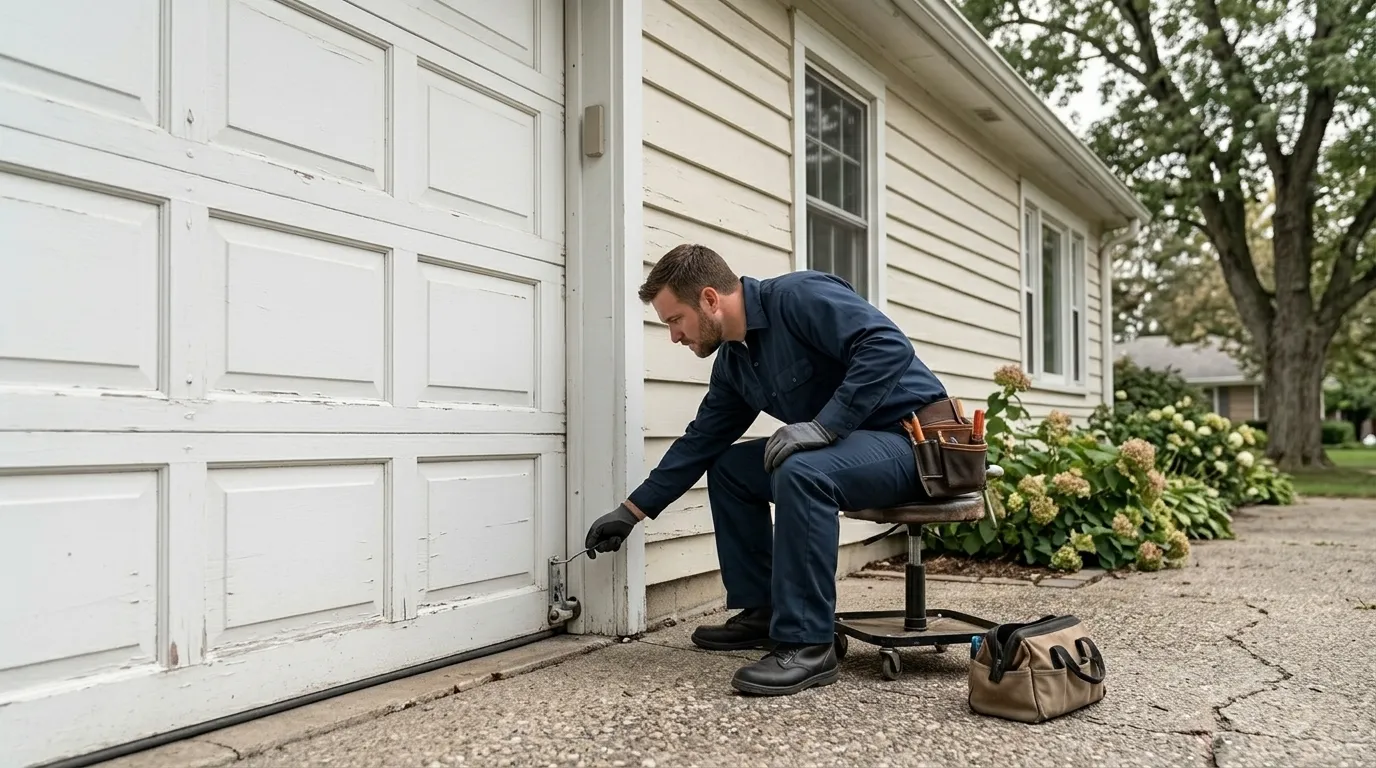
Steel loses flex as it gets cold. A torsion spring that's wound tight to lift a 150-plus pound door doesn't care that it worked fine in October - once temperatures drop hard, the metal gets brittle right at the point of an existing micro-fracture, and it lets go. You'll usually hear it: a bang from the garage, sometimes loud enough to bring you outside to check.

Most of the houses in and around Longmont went up between 1952 and 2010, with the bulk of that stock dating to the 1980s and 90s across the area's older neighborhoods. That matters here because a lot of those garages still have their original torsion hardware, or a first-generation replacement from whoever owned the house in the 90s. Thirty-plus-year-old springs weren't built for the duty cycles or the cold-snap swings this area sees, and they're well past the age where cold is the thing that finally finishes them off, not the thing that started the problem.

A spring going isn't usually a random failure. It's the last step in a process that's been running for years - cycle fatigue plus a hard freeze is what actually breaks it.

When It Stops Being a DIY Job

A broken torsion spring on a double door is not a job to open the garage and eyeball. The spring is under massive tension even when it's snapped, the door itself can weigh well over a hundred pounds once it's unsupported, and the winding bars and cones involved aren't something most homeowners keep in a toolbox. If the door is down and won't move, or it's halfway up and stuck, leave it there and don't force the opener.

Where it does make sense to call rather than wait: if you hear a bang and the door won't lift by hand, if one side of the door looks lower than the other (a sign only one spring on a two-spring setup has gone), or if the opener is straining and grinding trying to move a door it can no longer lift on its own. That last one burns out openers fast, and on a house with original 1980s-90s hardware, that opener is often original too.

What Local Conditions Do

This area sits in a severe cold climate band, and that's the variable that turns an aging spring into a failed one on a specific night rather than a slow decline nobody notices. Steel fatigue is cumulative - every open and close cycle adds a small amount of wear - but the actual snap tends to happen on the cold end of a temperature swing, when the metal has the least give left in it.

Houses on the older end of the 1952-2010 range are the ones most likely to still be running factory-spec springs sized decades ago, before the door, insulation, or opener may have changed. If your door's ever been swapped for a heavier insulated model but the spring wasn't re-rated for it, cold weather is what exposes that mismatch. It's not a flaw specific to your garage - it's what happens to torsion hardware that's aged out, sitting in a climate that swings hard and stays cold long enough to matter.

Doing Nothing For Now

If your spring hasn't gone yet but you're hearing more strain from the opener, or noticing the door feels heavier by hand than it used to, that's worth paying attention to before a cold night makes the decision for you. We won't tell you every older spring needs replacing today - plenty of original hardware in this area's 1980s-90s stock is still fine, and we're not going to sell you a job you don't need.

What we will say plainly: we don't recommend re-tensioning or patching a spring that's already partially failed. Once one strand or coil has gone, the rest is on borrowed time, and the parts cost for a full spring set is small next to the cost of a door coming down on something. If you're not sure which category your setup is in, that's a five-minute look, not a guessing game.
How it works

From “it’s stuck” to “it’s fixed”

Tell us what’s wrong - Longmont garage door service

Tell us what’s wrong

Describe the symptom - won’t open, loud bang, opener runs but the door won’t move.

On-site diagnosis - Longmont garage door service

On-site diagnosis

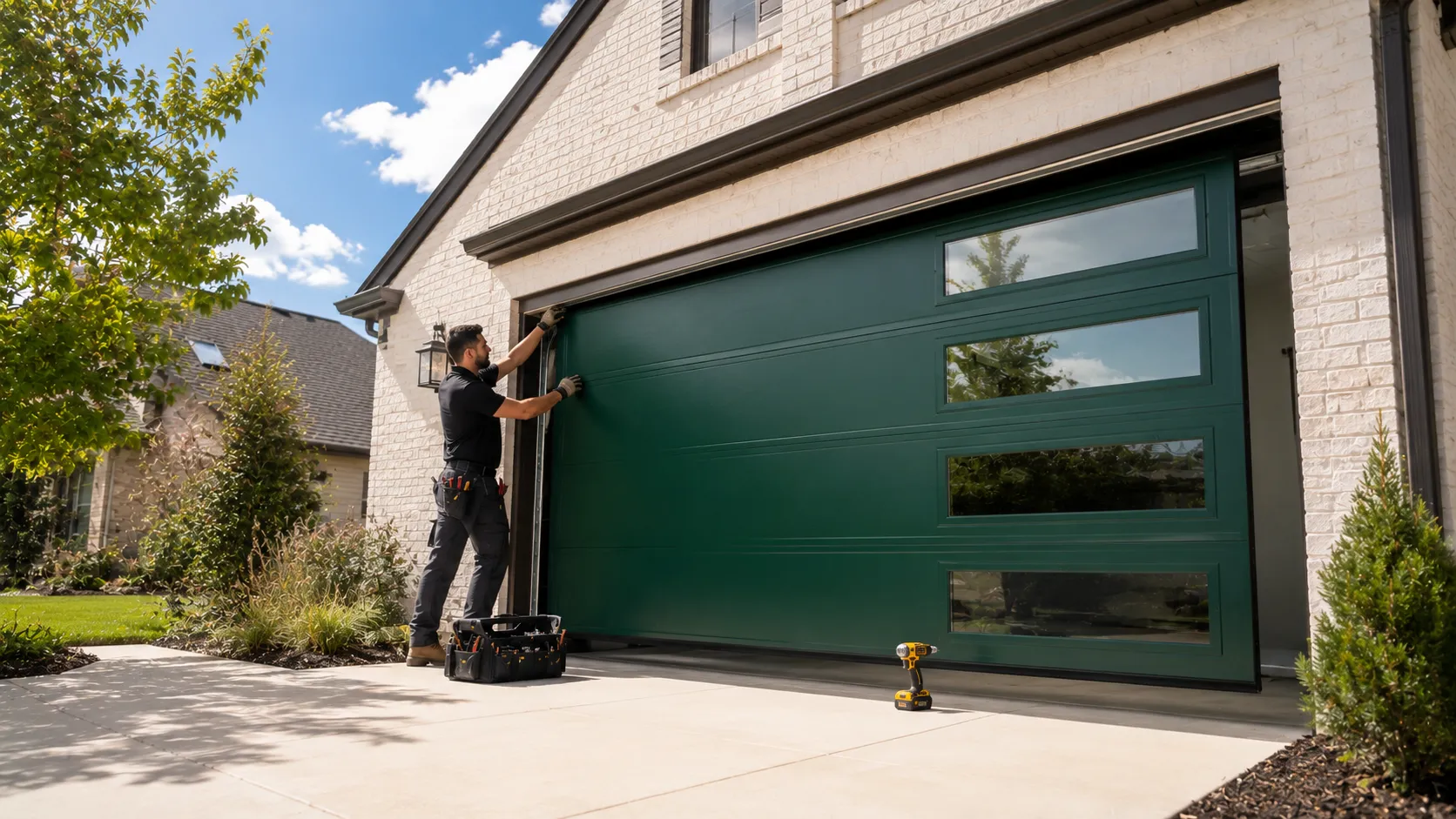
A technician tests the door under power and by hand and finds what actually failed.

Clear, up-front plan - Longmont garage door service

Clear, up-front plan

You get the fix that’s needed and what drives the cost - before any work starts.

Repaired & tested - Longmont garage door service

Repaired & tested

The repair is done, the door is set true and tested, and the work area left clean.

Serving Longmont, CO - tell us what your door’s doing and we’ll take it from there.

How we work

What to expect

Diagnosis firstEvery visit starts by finding what actually failed - not a pre-written parts list.
The right part for the doorSprings and openers matched to the door’s weight and age, so the fix holds up.
Straight answersWhen a repair makes more sense than a replacement - or the reverse - you hear it plainly.
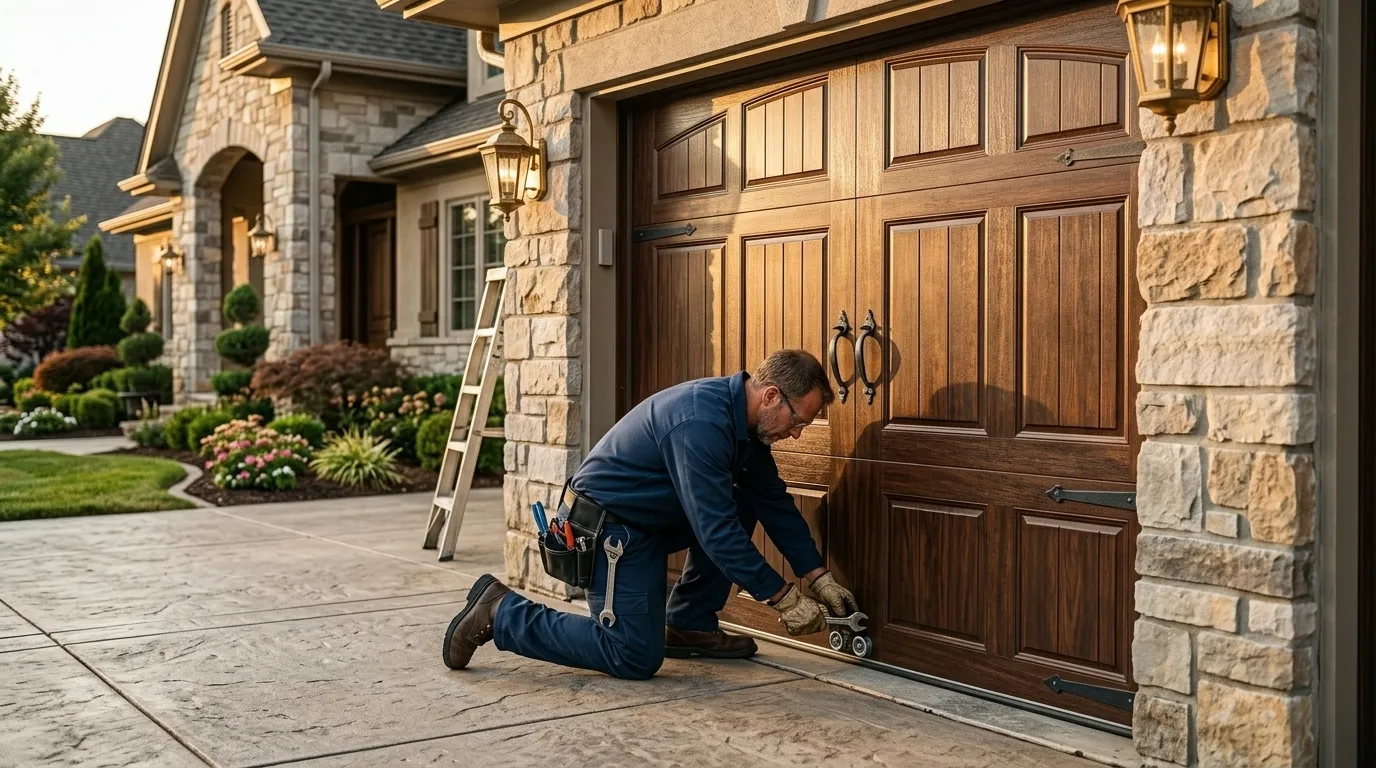
Clean, careful workTension released safely, hardware set true, the door tested under power before we leave.
Questions

Frequently asked

Straight answers about garage door repair in Longmont. Still unsure? Ask us directly.

Why does my garage door spring break specifically in cold weather?

Steel gets less flexible as temperatures drop, and a spring that's already fatigued from years of cycling is more likely to fail right at a cold snap rather than during a mild stretch. It's the combination of age and cold, not the cold alone, that does it.

My door has original hardware from when the house was built in the 90s - should I worry?

Not automatically, but a spring that old has seen a lot of cycles and wasn't necessarily sized for any changes made since, like a heavier replacement door. If it's straining or making noise, get it looked at before a hard freeze forces the issue.

Can I just tighten or adjust a spring that's partly broken?

No. Once a torsion spring has lost a coil or strand, it's structurally compromised and under uneven tension. Re-tensioning it doesn't fix the metal fatigue - it just delays a failure that's now less predictable.

Is it normal for only one side to look lower on a two-spring door?

That usually means one spring has gone and the other is still holding partial weight. Don't run the opener in that state - it's fighting an uneven load and can damage itself or the door track.

Ready to get your garage door sorted?

Tell us what it’s doing and where you are in Longmont - we’ll take it from there.

Request a QuoteCall