24/7 Emergency Service Open 7 days · 7am–8pm Serving Longmont, CO & nearby
(720) 738-7725
Longmont, CO

What That Grinding, Popping, or Squealing Sound Is Telling You

Longmont homes built between 1952 and 2010 carry openers and springs that age differently in Front Range cold - here's what each sound is telling you.

What That Grinding, Popping, or Squealing Sound Is Telling You

What Is Going On

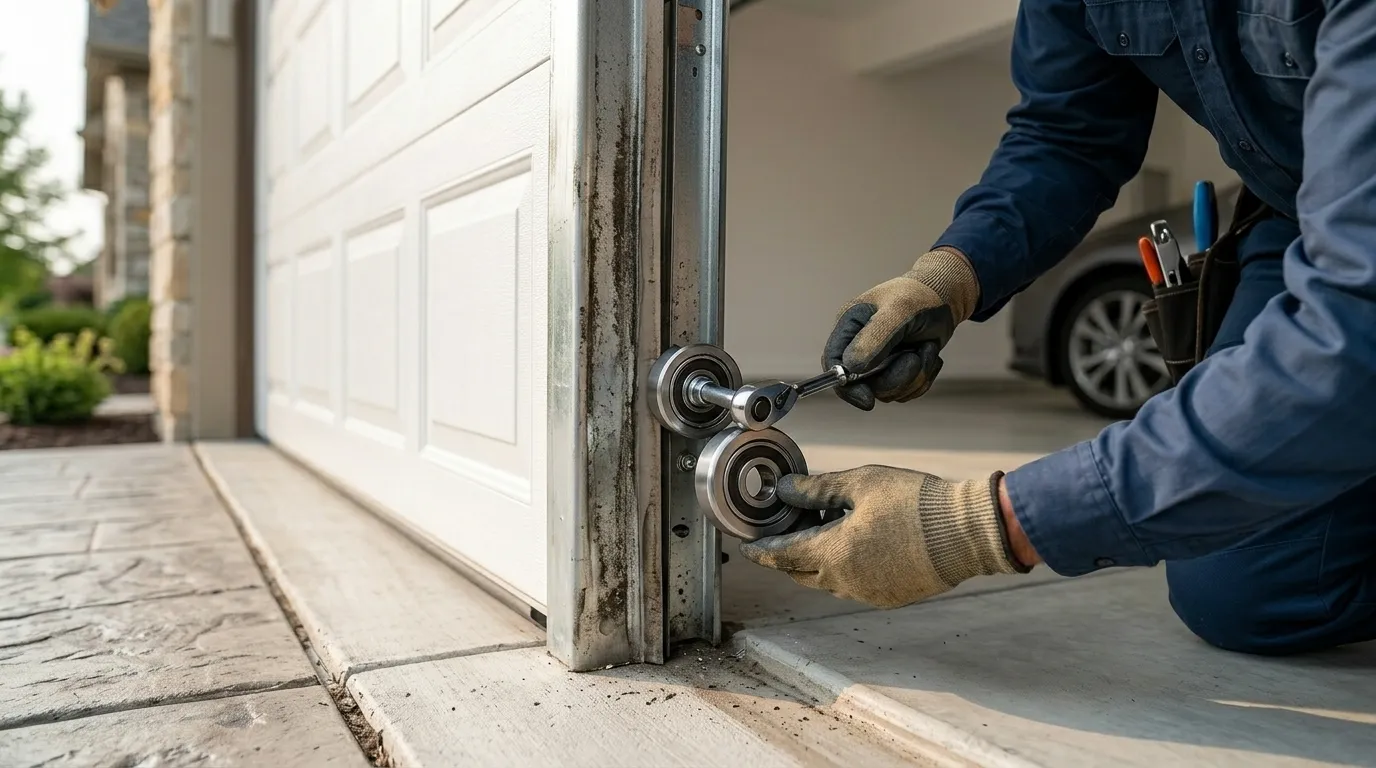
Most houses across the Longmont area went up between 1952 and 2010, with the median build year landing at 1997. That spread matters, because a door doesn't make noise for no reason - it makes noise because something has worn past the point where it can move quietly. A grinding sound off the top of the track usually means rollers that have gone dry or cracked. A rhythmic thump once per rotation is almost always a flat spot on a roller or a bent track section. A sharp bang, especially on a double door, is very often a torsion spring giving out - and on the 1980s and 90s stock that makes up a lot of the 23 named areas around here, that spring is original or close to it. Squealing at the top of the cycle points to a worn opener drive gear or a dry chain. None of these sounds fix themselves, and none of them get quieter with time - they get worse until something lets go. The specific sound tells you where to look before you touch anything, which matters if you're the one climbing a ladder to look at it.

When It Stops Being a DIY Job

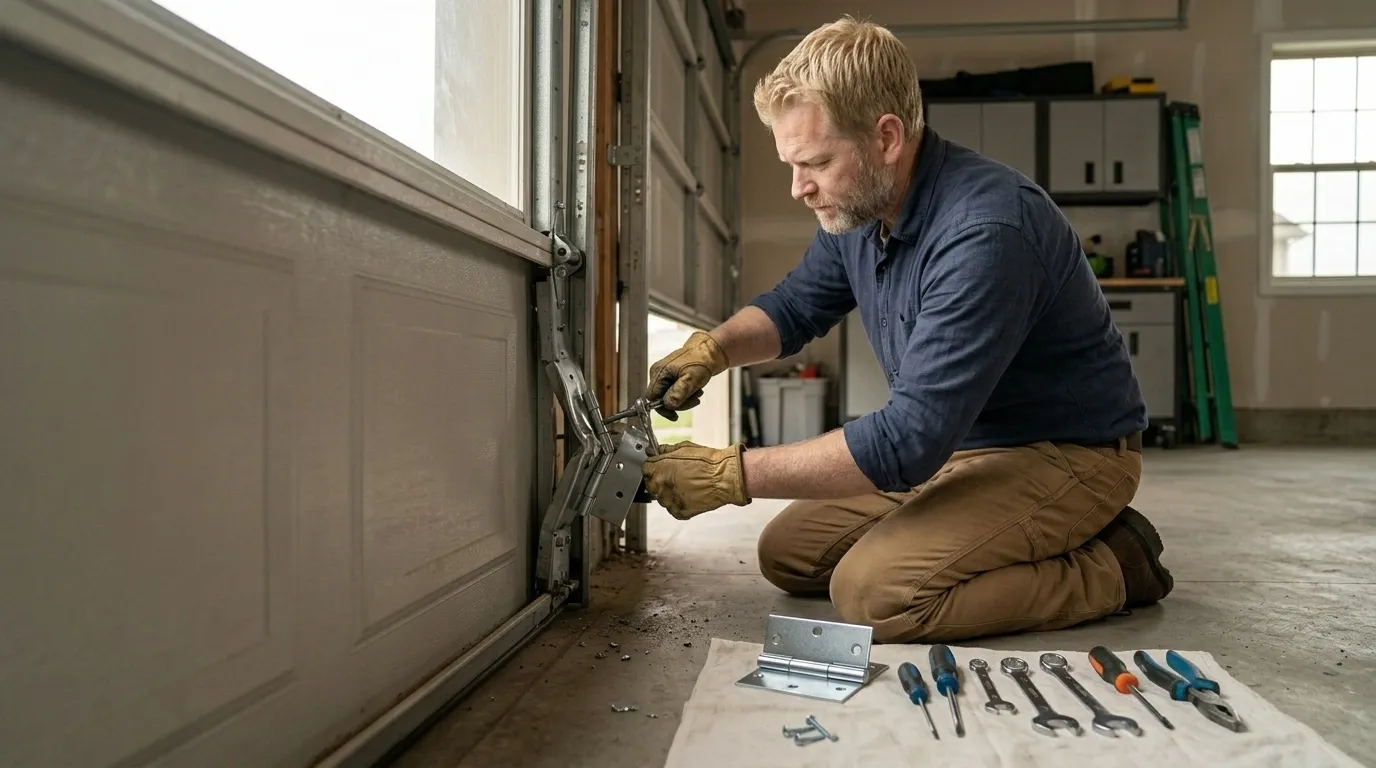
Lubricating hinges and rollers, tightening loose bolts on the track, and checking the photo-eye sensors are jobs any owner can do safely. A torsion spring is not one of them - it's under enough tension to break a hand or worse, and we won't walk anyone through replacing one over the phone. If the noise is coming from the spring area, from the cable drums, or from anywhere near the top bracket where the spring anchors, that's a call, not a project. Same goes for a door that's suddenly heavy to lift by hand, or one where the cable has visibly frayed - that's a sign the whole system is closer to failure than the noise alone suggests. Here's the honest limit on our end too: if a door is original to a house built in the earlier part of that 1952 to 2010 range and the opener or hardware is long discontinued, sometimes replacement is the straight answer rather than a repair that patches one part while three others are close behind it. We'll tell you when that's the case instead of running up a bill chasing parts nobody stocks.

What Local Conditions Do

Longmont sits in a cold-severe climate band, and that changes how a garage door ages compared to a milder spot. Steel contracts in a hard freeze, grease thickens and stops doing its job, and a torsion spring that's already fatigued is more likely to snap on the first bitter morning than in July. Weatherstripping on doors from the older end of the 1952-2010 build range often hardens and cracks well before the springs or track show wear, letting cold air in around the edges - not a noise issue, but usually found during the same visit. We work throughout the service area, out to Niwot six miles off, Mead at seven, Frederick and Firestone at eight, and further out toward Erie and Berthoud, so we see the same wear patterns repeat house after house on that 1980s-90s stock that makes up so much of the local supply. It's less about any one bad batch of parts and more about how many freeze-thaw cycles a spring or roller has been through by the time it starts talking.

Doing Nothing For Now

Ignoring a new noise doesn't reset the clock - it just means the part gets to fail on its own schedule instead of yours, and with a door built into a 1952-2010 stock that's now decades into a cold-severe climate, that schedule tends to be shorter than people expect. A spring that's straining will usually announce itself for weeks before it lets go, and a door that finally drops with someone or something under it is a different and much worse call than a scheduled repair. With 53,412 owner-occupied houses in the service area and a median household income of $116,074, we see plenty of owners who could afford to fix a noise the week it starts but wait anyway, then end up needing a full opener or spring replacement instead of a $20 roller swap. Waiting isn't free, even when nothing seems to be happening yet.

How it works

From “it’s stuck” to “it’s fixed”

Tell us what’s wrong - Longmont garage door service

Tell us what’s wrong

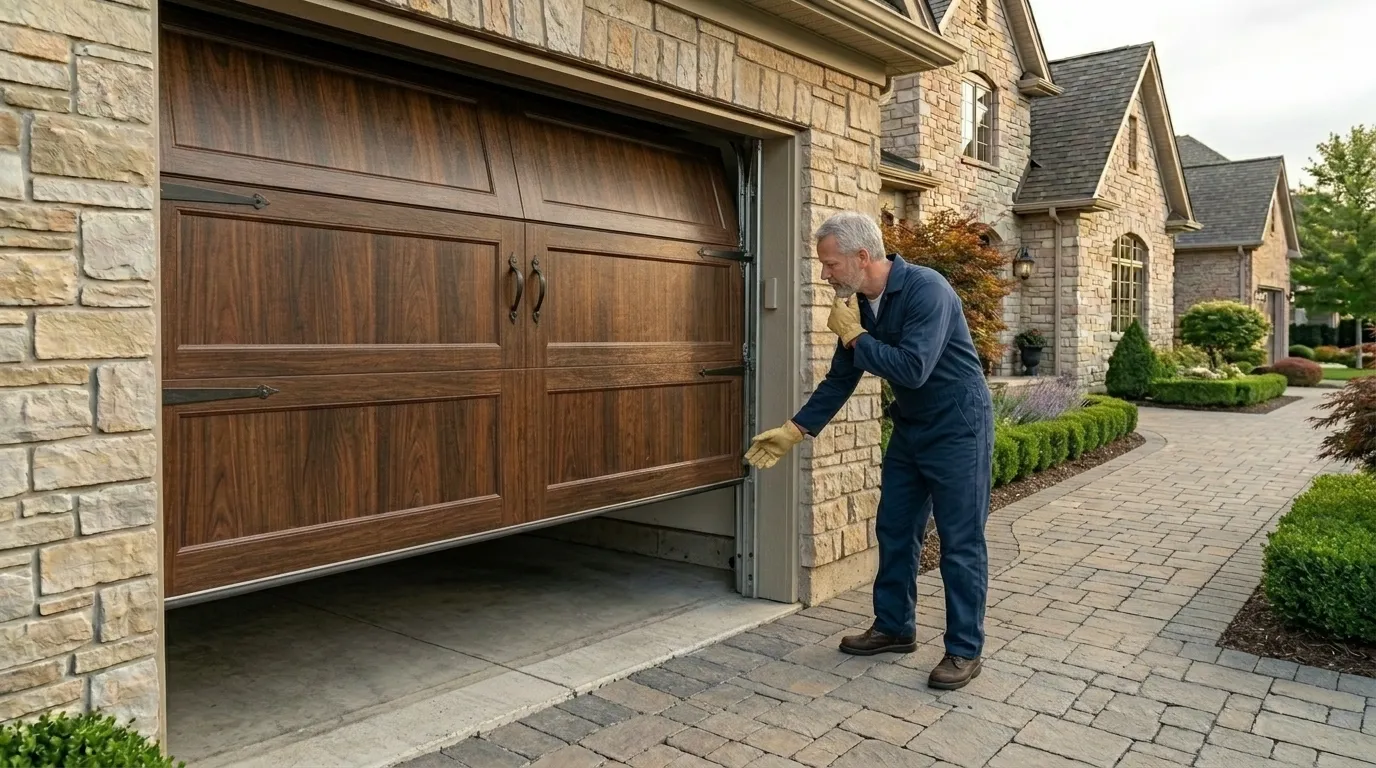
Describe the symptom - won’t open, loud bang, opener runs but the door won’t move.

On-site diagnosis - Longmont garage door service

On-site diagnosis

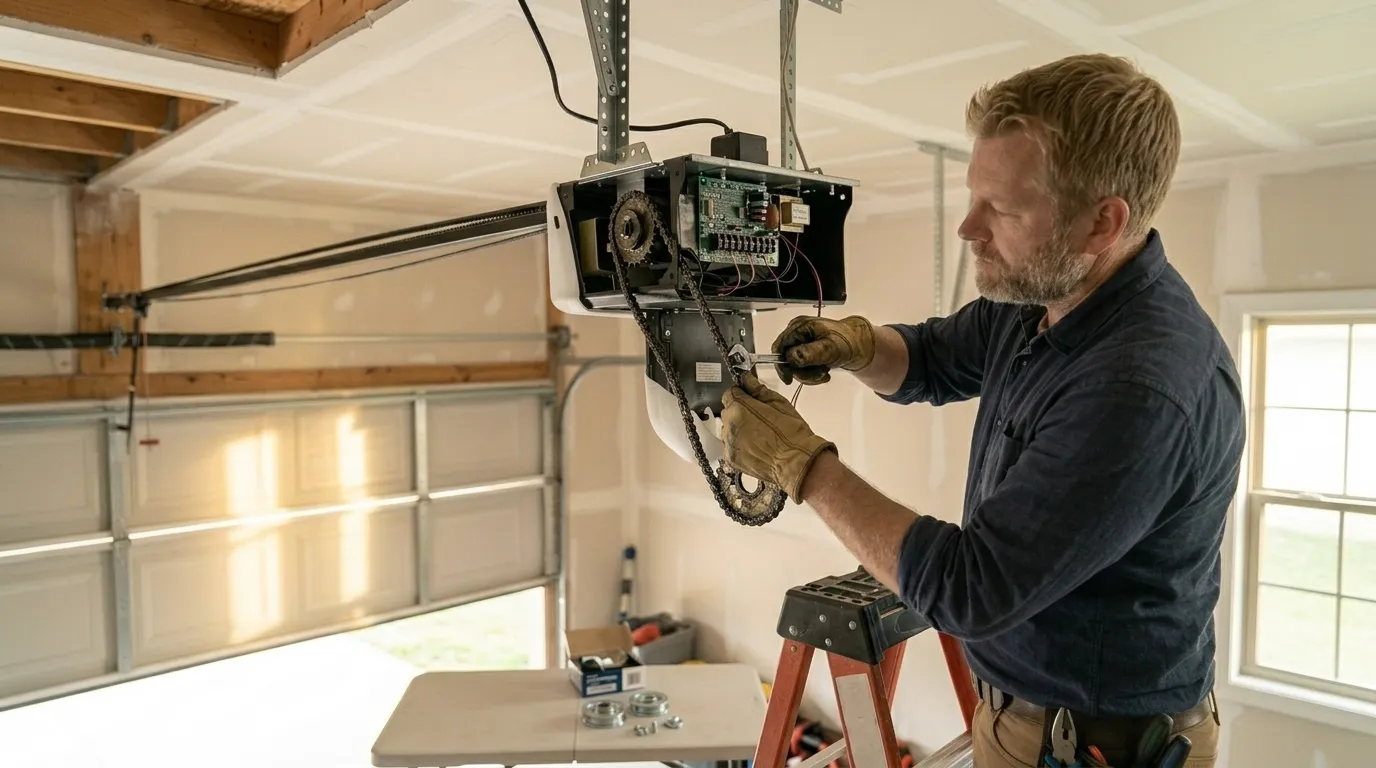
A technician tests the door under power and by hand and finds what actually failed.

Clear, up-front plan - Longmont garage door service

Clear, up-front plan

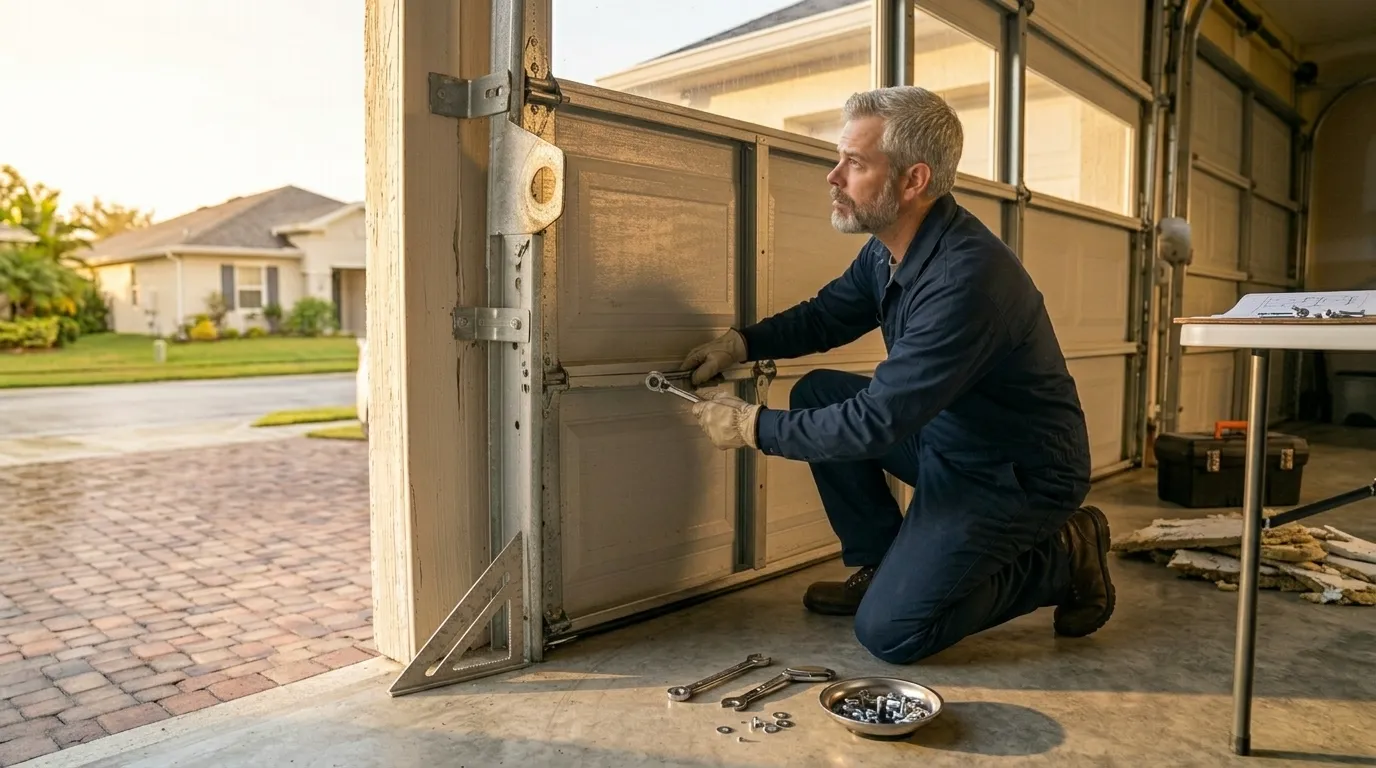
You get the fix that’s needed and what drives the cost - before any work starts.

Repaired & tested - Longmont garage door service

Repaired & tested

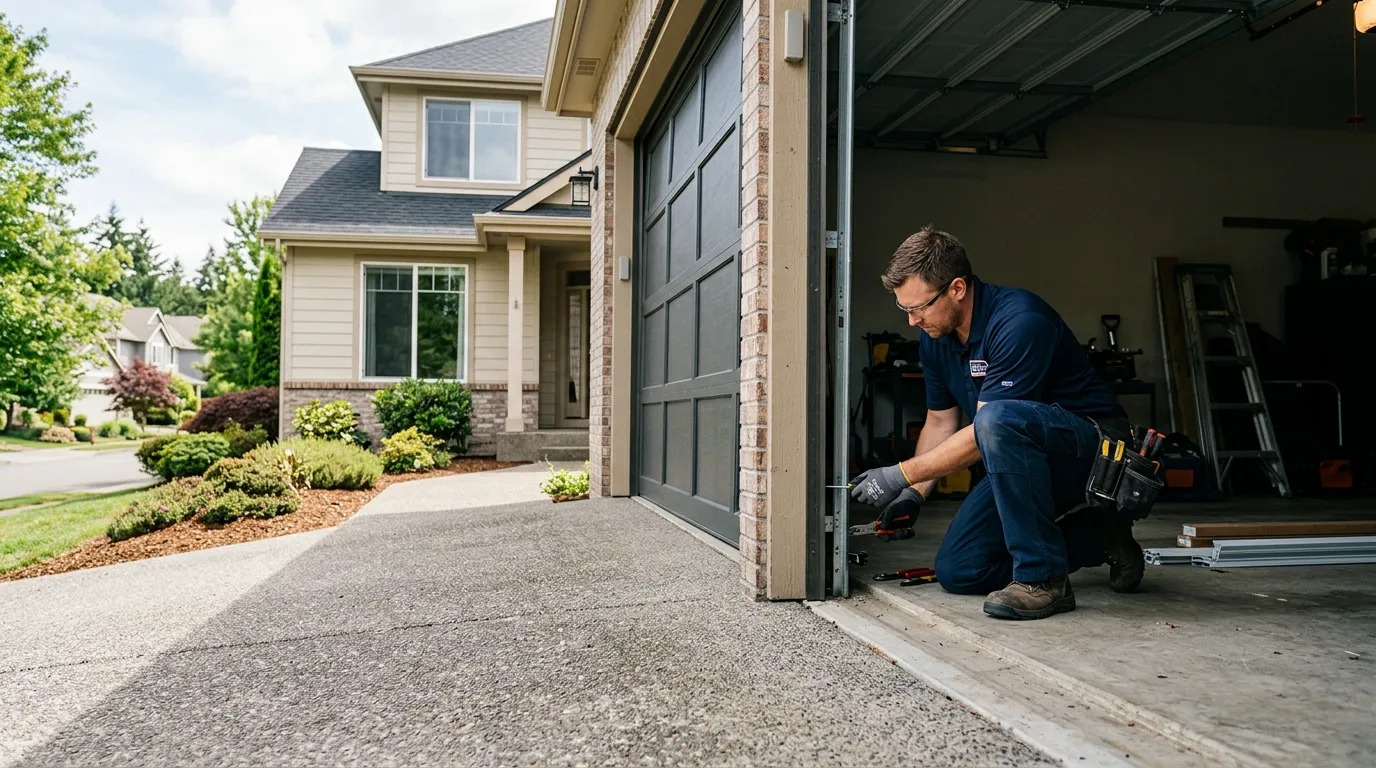
The repair is done, the door is set true and tested, and the work area left clean.

Serving Longmont, CO - tell us what your door’s doing and we’ll take it from there.

How we work

What to expect

Diagnosis firstEvery visit starts by finding what actually failed - not a pre-written parts list.
The right part for the doorSprings and openers matched to the door’s weight and age, so the fix holds up.
Straight answersWhen a repair makes more sense than a replacement - or the reverse - you hear it plainly.
Clean, careful workTension released safely, hardware set true, the door tested under power before we leave.
Questions

Frequently asked

Straight answers about garage door repair in Longmont. Still unsure? Ask us directly.

My door only makes noise in the winter - is that normal?

It's common, not normal in the sense of harmless. Cold thickens grease and makes steel parts contract slightly, so a spring or roller that's borderline the rest of the year starts talking once temperatures drop into the cold-severe range we get here. If it's only loud in winter, it's already worn - the cold is just exposing it sooner.

Is a squeaking opener chain something I can fix myself?

Usually yes. A dry chain or worn drive gear just needs the right lubricant applied to the rail, not the chain itself in most cases. If the squeal continues after lubrication, the gear inside the opener head may be worn, which is a part swap, not a DIY job.

How do I know if it's the spring and not just a loose part?

A loose bracket or hinge tends to rattle or clunk intermittently and doesn't change how heavy the door feels. A spring problem usually comes with a sudden bang, a door that's noticeably harder to lift by hand, or a visible gap in one of the coils. If the door feels heavier than it used to, treat it as a spring issue and don't force it.

Ready to get your garage door sorted?

Tell us what it’s doing and where you are in Longmont - we’ll take it from there.

Request a QuoteCall