This Area's Housing
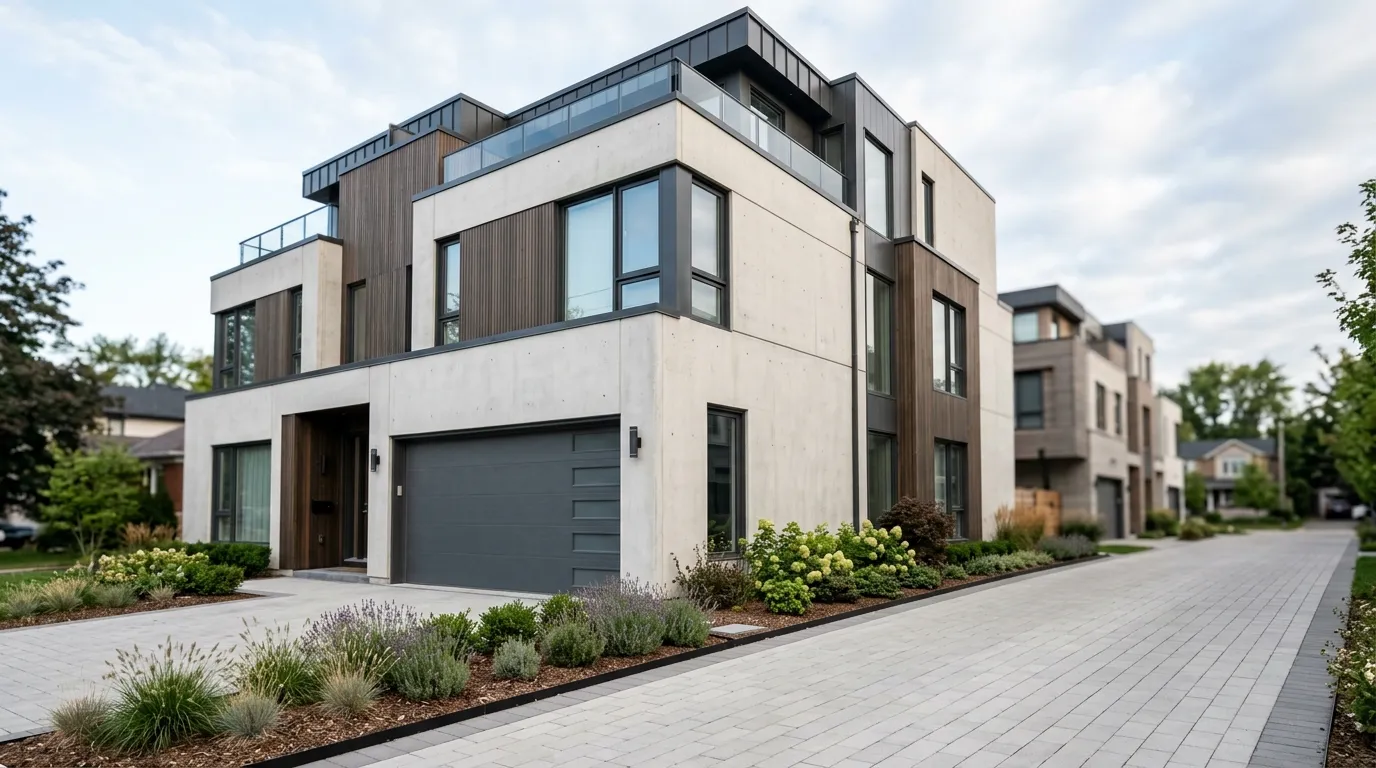
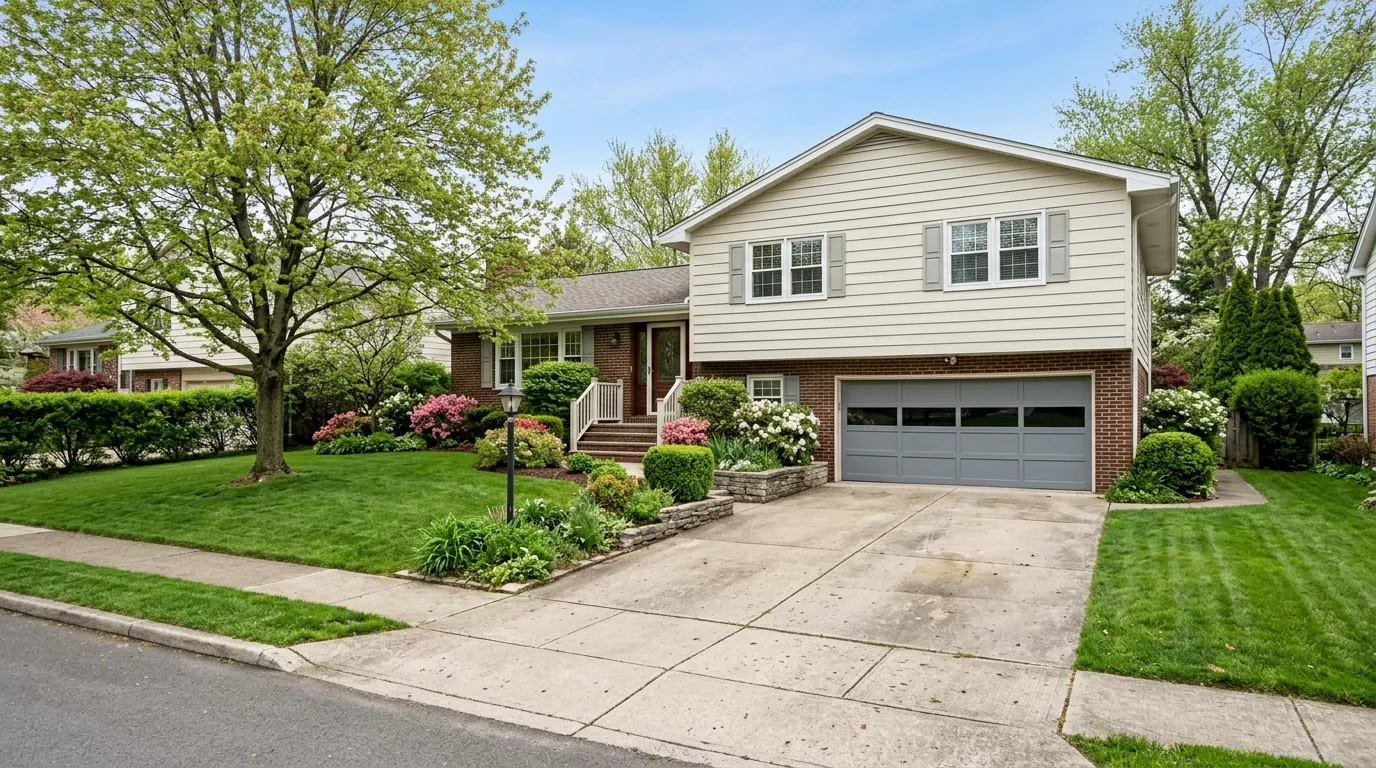
Louisville sits about 14 miles from our Longmont shop, and the housing here skews younger than a lot of what we see elsewhere in the service area. The median build year in Louisville is 1991, which puts most of the neighborhoods squarely in that late-80s-to-90s wave of construction rather than the older 1950s stock or the newer 2000s-plus builds you'll find in other towns we cover. With roughly 7,963 households in the area, this is a fairly consolidated pocket of similar-vintage garages, not a scattered mix of eras. That matters more than people expect, because a garage door and its opener are tied to whatever hardware standard was common the year the house went up, and 1991 sits right in a specific window for spring type, track width, and opener wiring.
Median household income here runs $149,159, notably higher than the wider service area average, and that tends to show up in what people ask for when a door finally fails: they're often ready to replace rather than patch, and they want insulated panels and quieter openers rather than the cheapest fix. We keep both options on the table, but it's worth naming that pattern up front since it shapes a lot of the calls we get from this area specifically.
What That Means for Doors
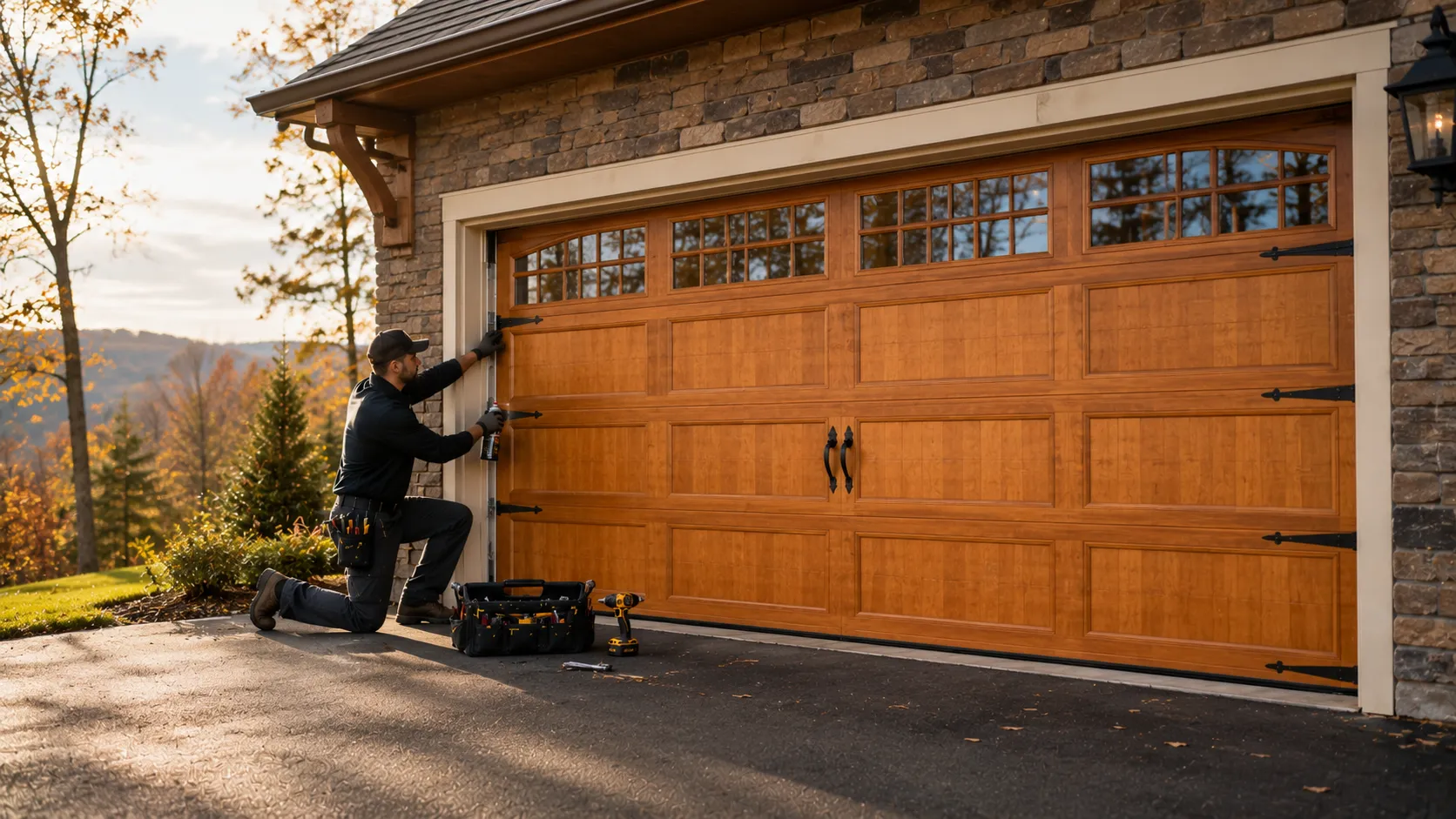
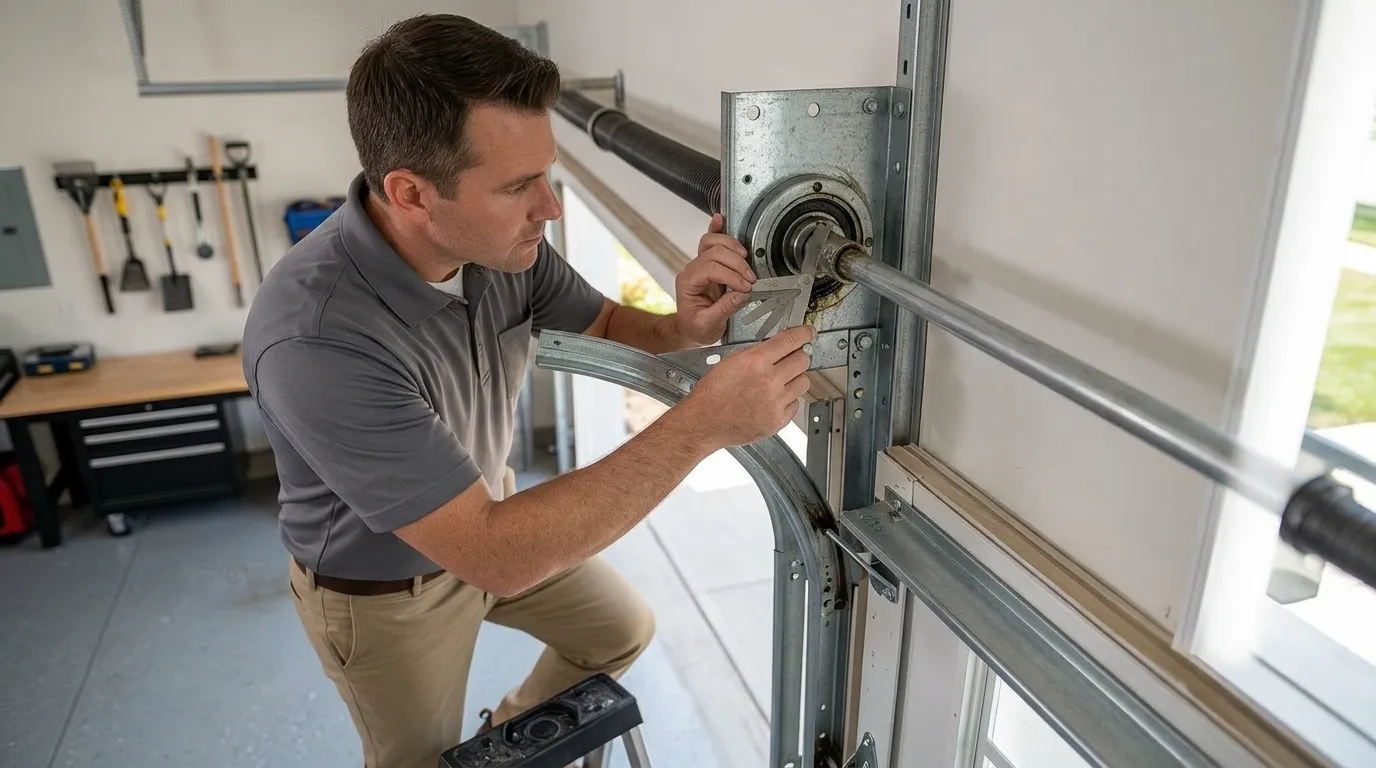
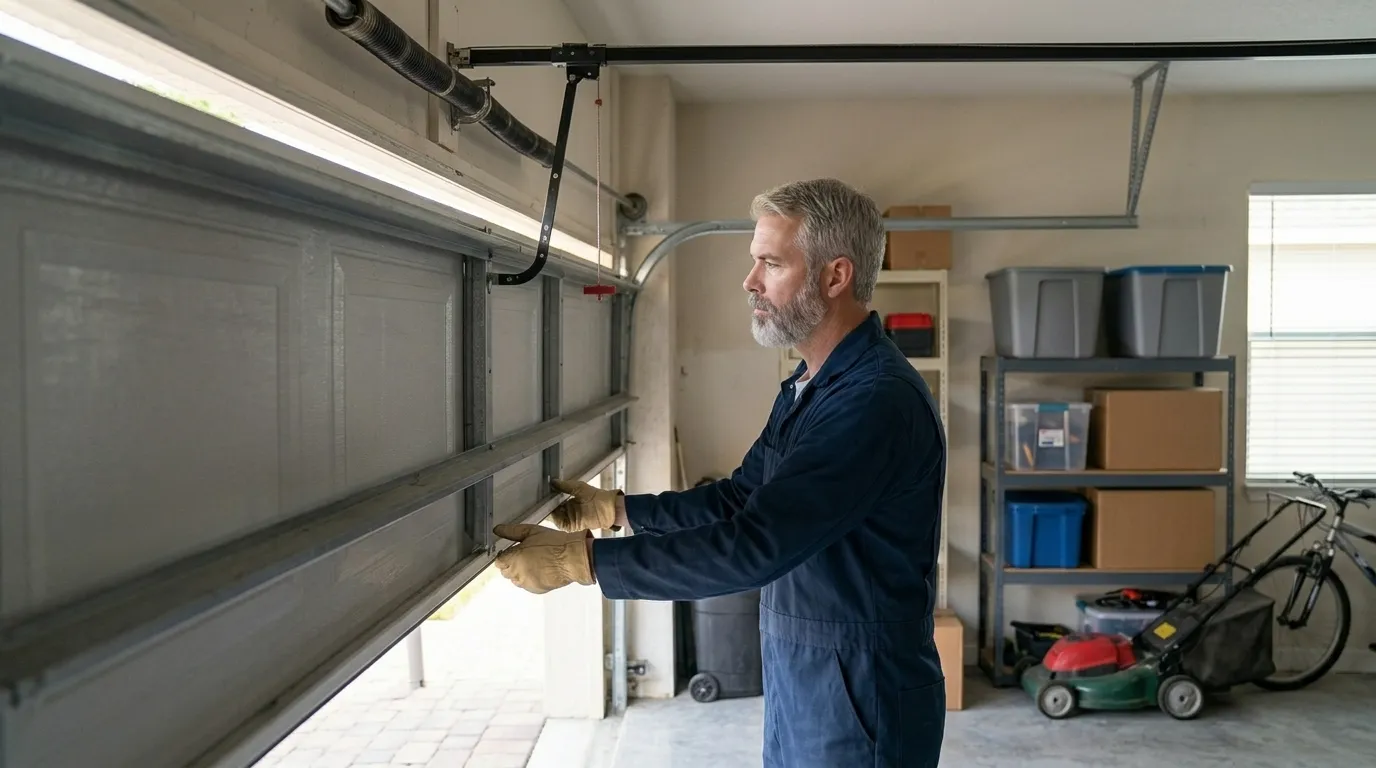
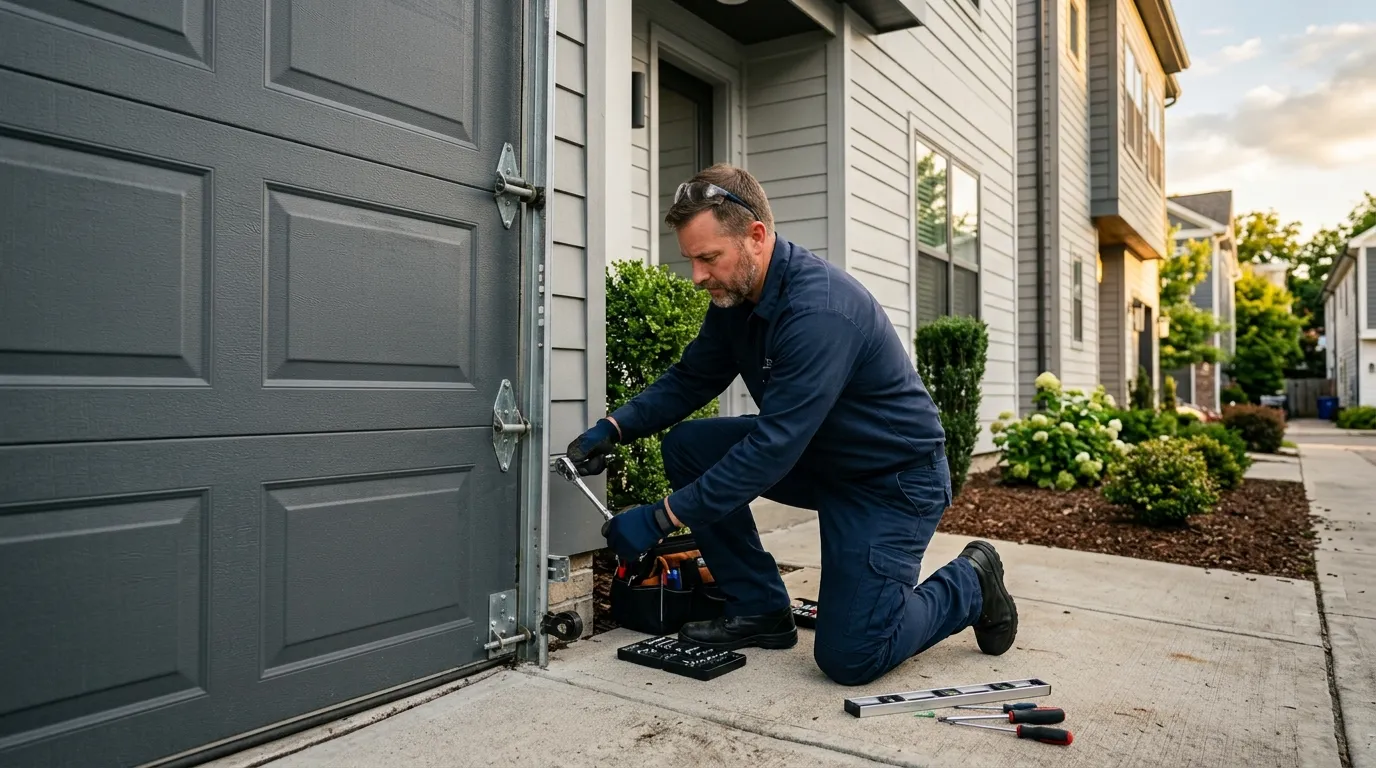
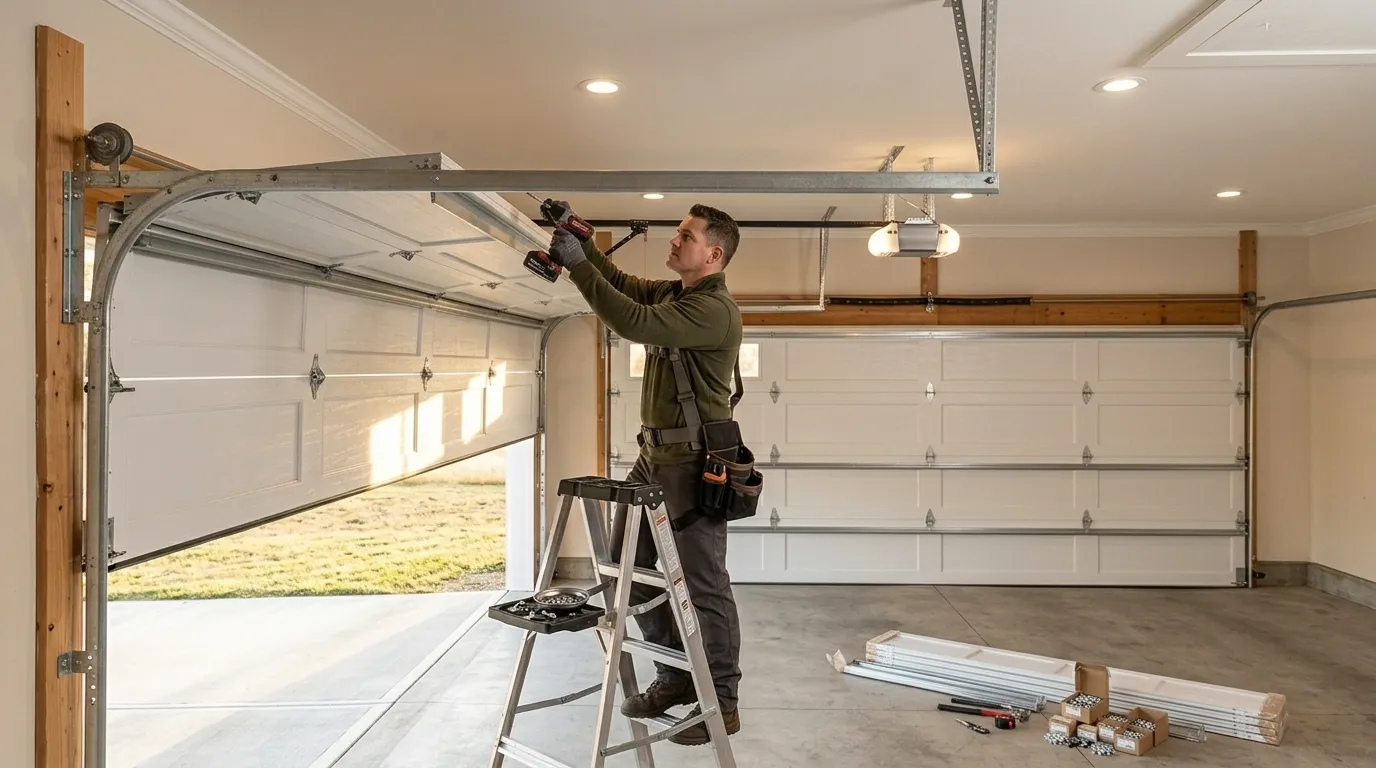
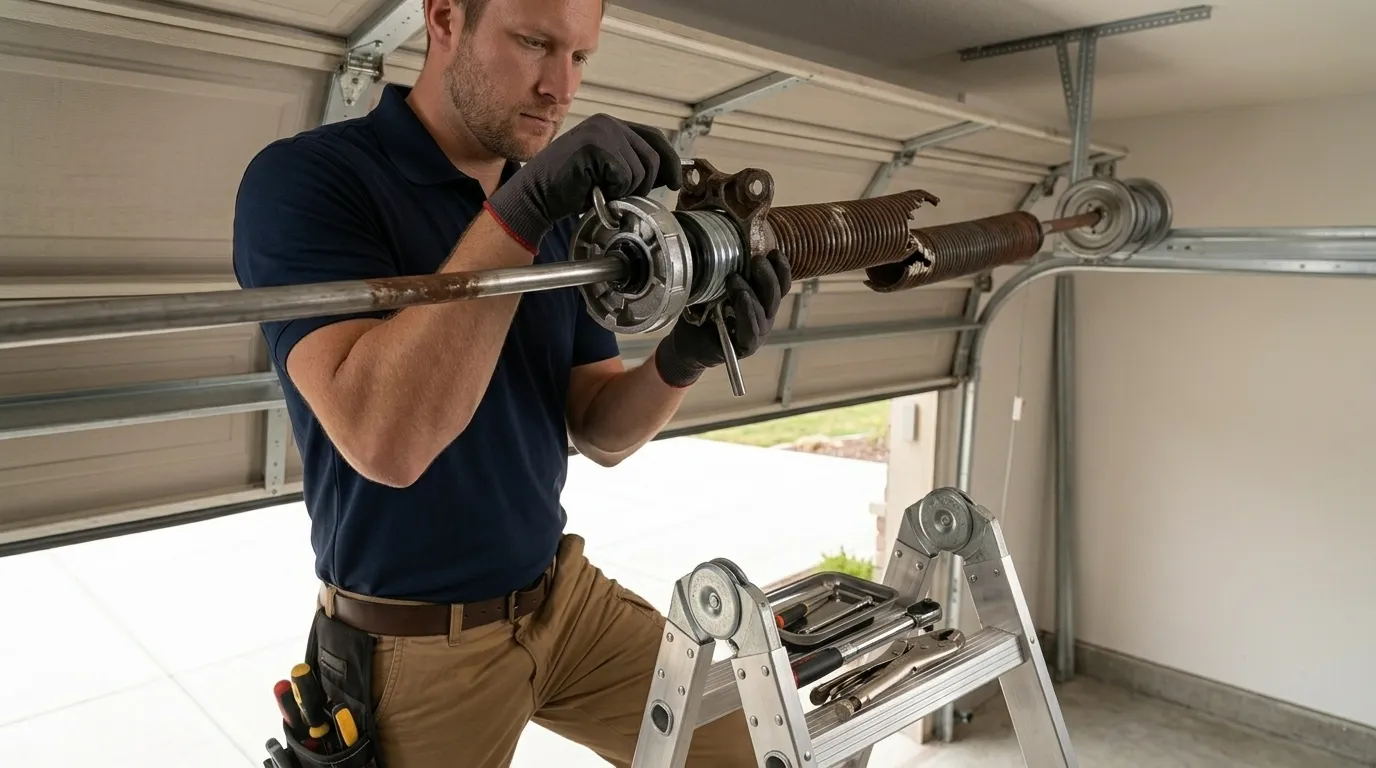
A house built in 1991 almost always has a torsion spring system rather than the older extension-spring-and-pulley setup you'll find on pre-1970s garages, and it likely came with a chain-drive opener from that early-90s generation of consumer garage door hardware. That's a different animal than what we service in the oldest parts of our territory. The springs are more standardized in size, but they're also now over three decades old in a lot of cases, which is well past the wind-cycle life of a torsion spring even a well-built one.
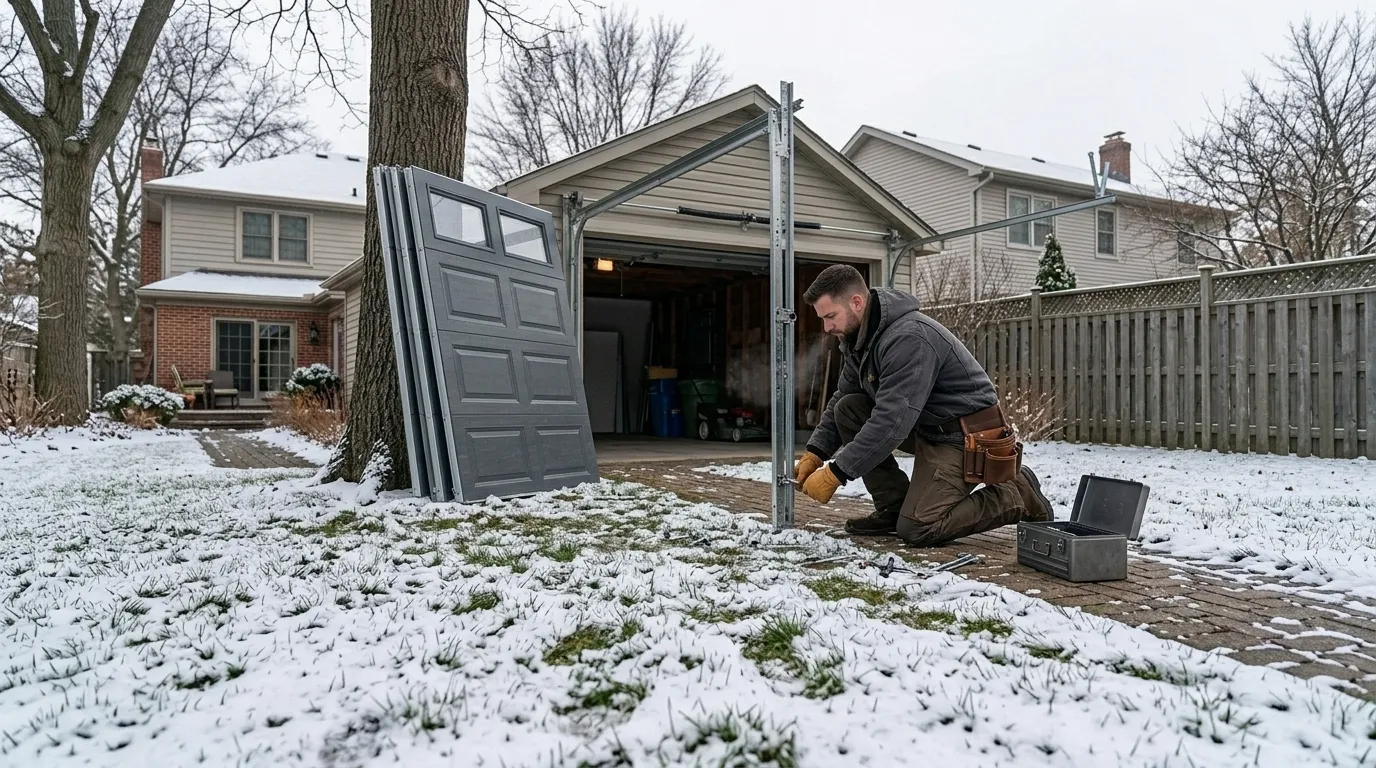
Cold-climate winters put extra strain on that aging hardware. Steel contracts in low temperatures, grease inside bearings thickens, and a spring that's already near the end of its cycle count is far more likely to snap on a sub-zero morning than in July. We're not going to tell you every door here needs a matching diagnosis - a 1991 build doesn't guarantee 1991 original equipment, since plenty of these doors have already had one replacement cycle. But when we get called out to this area, the age bracket of the original hardware is the first thing we check, because it tells us whether we're looking at a worn part or an overdue one.
The Calls We Get From Here
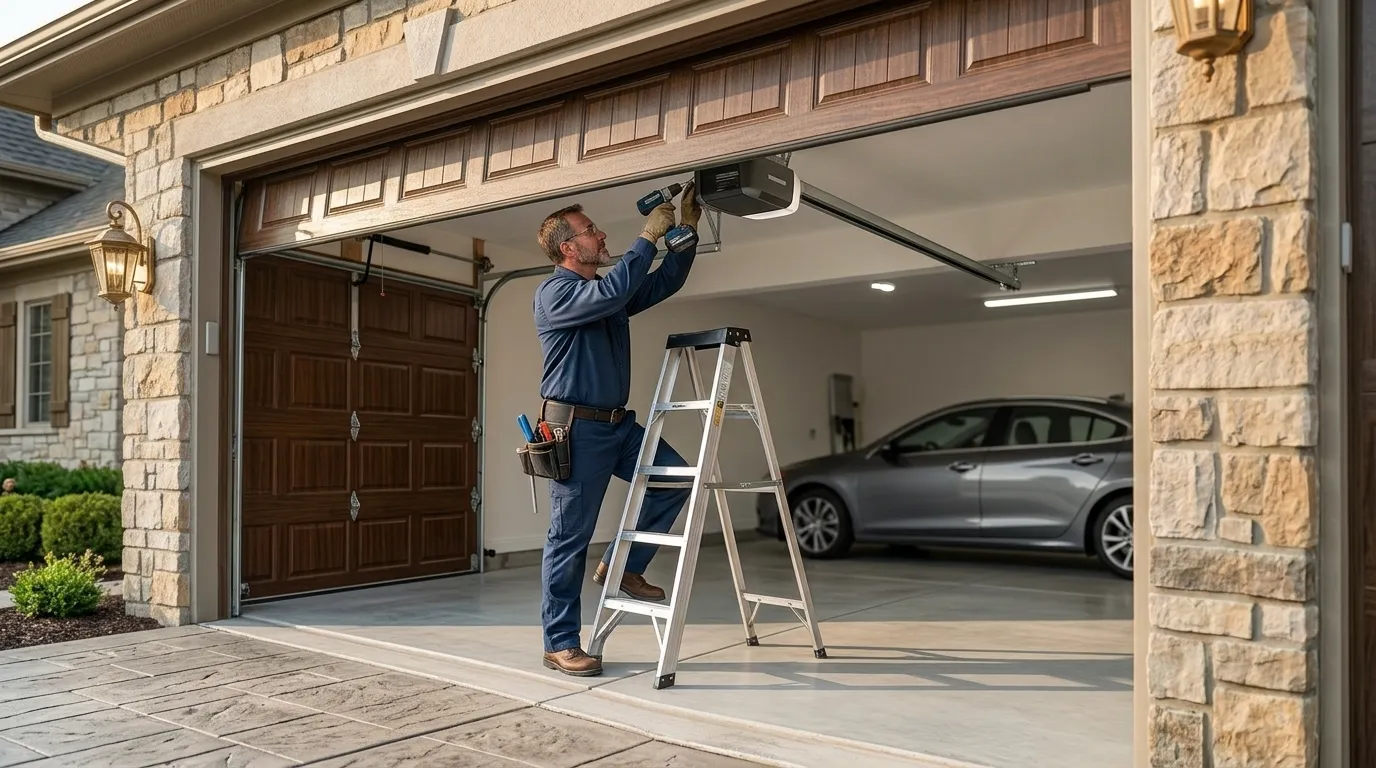
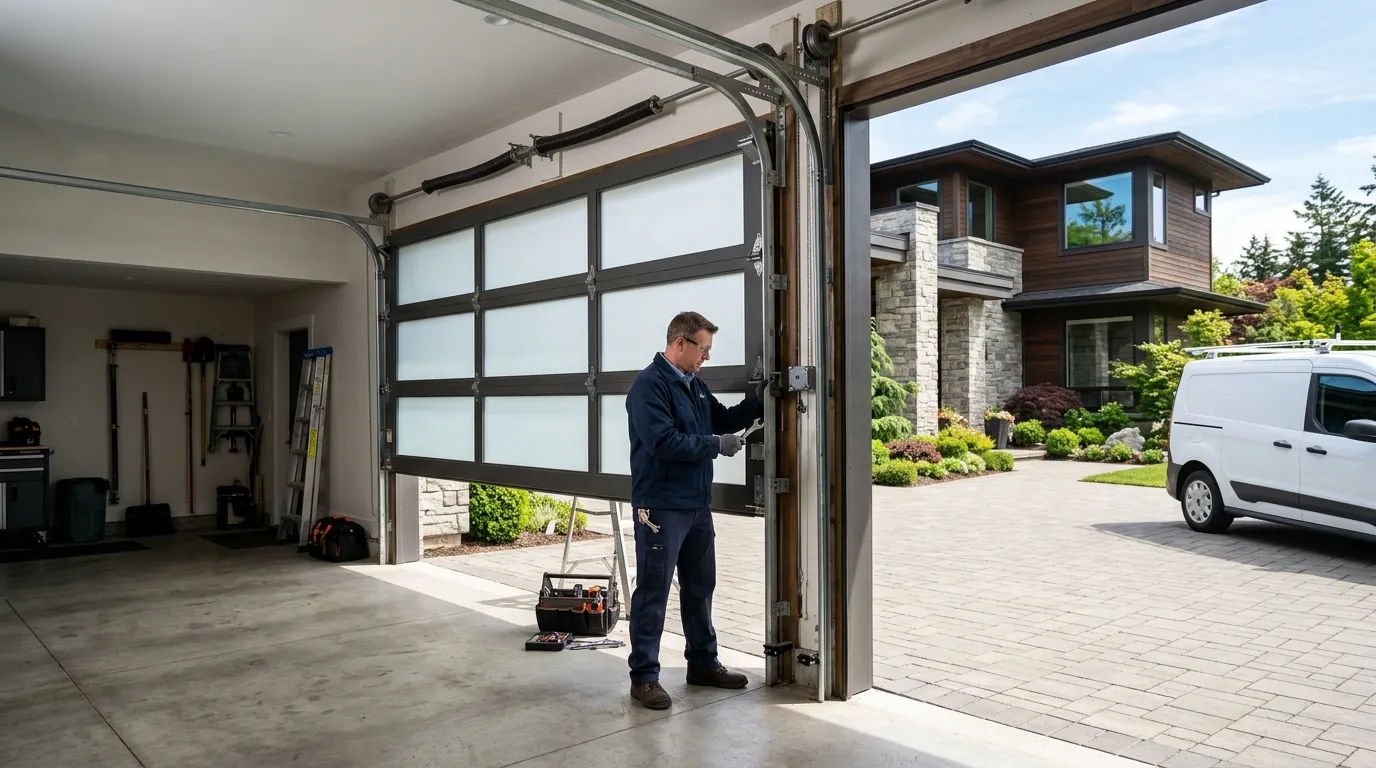
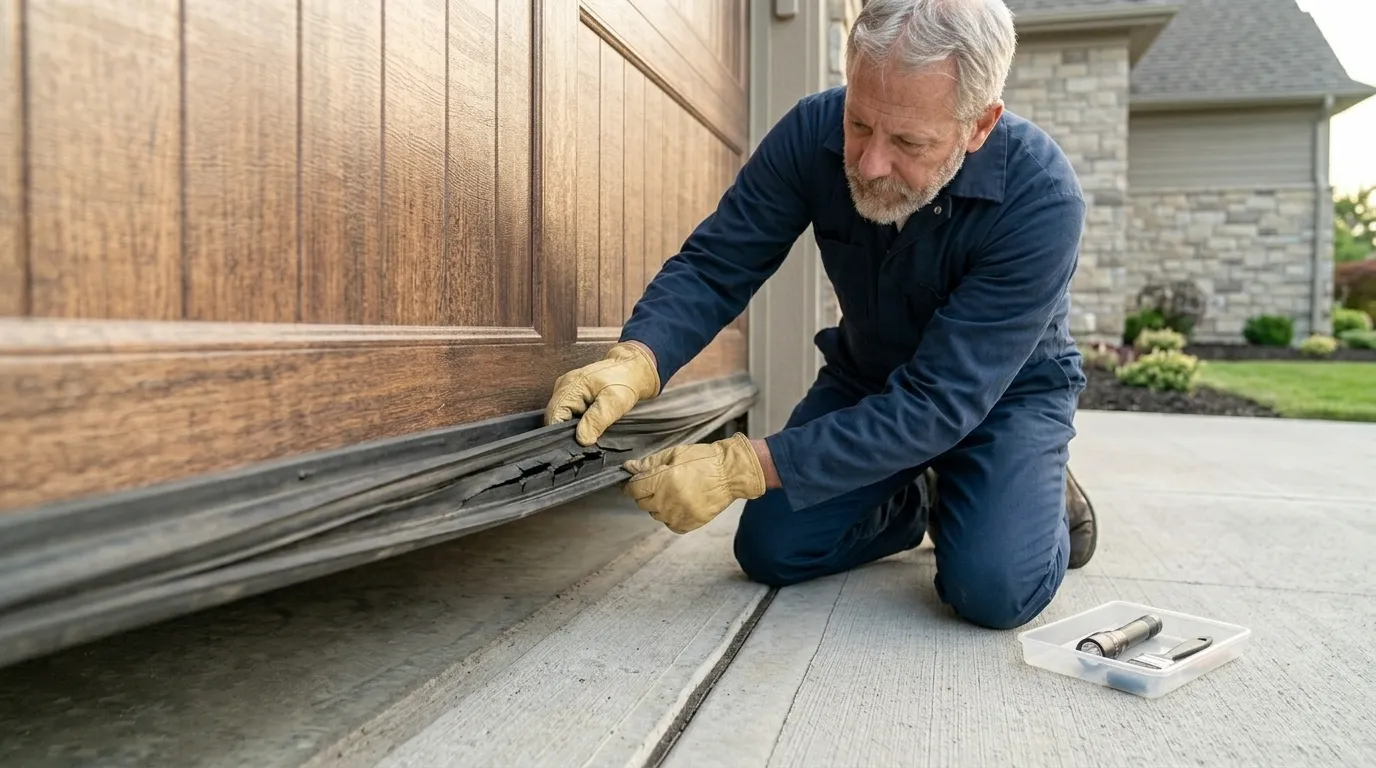
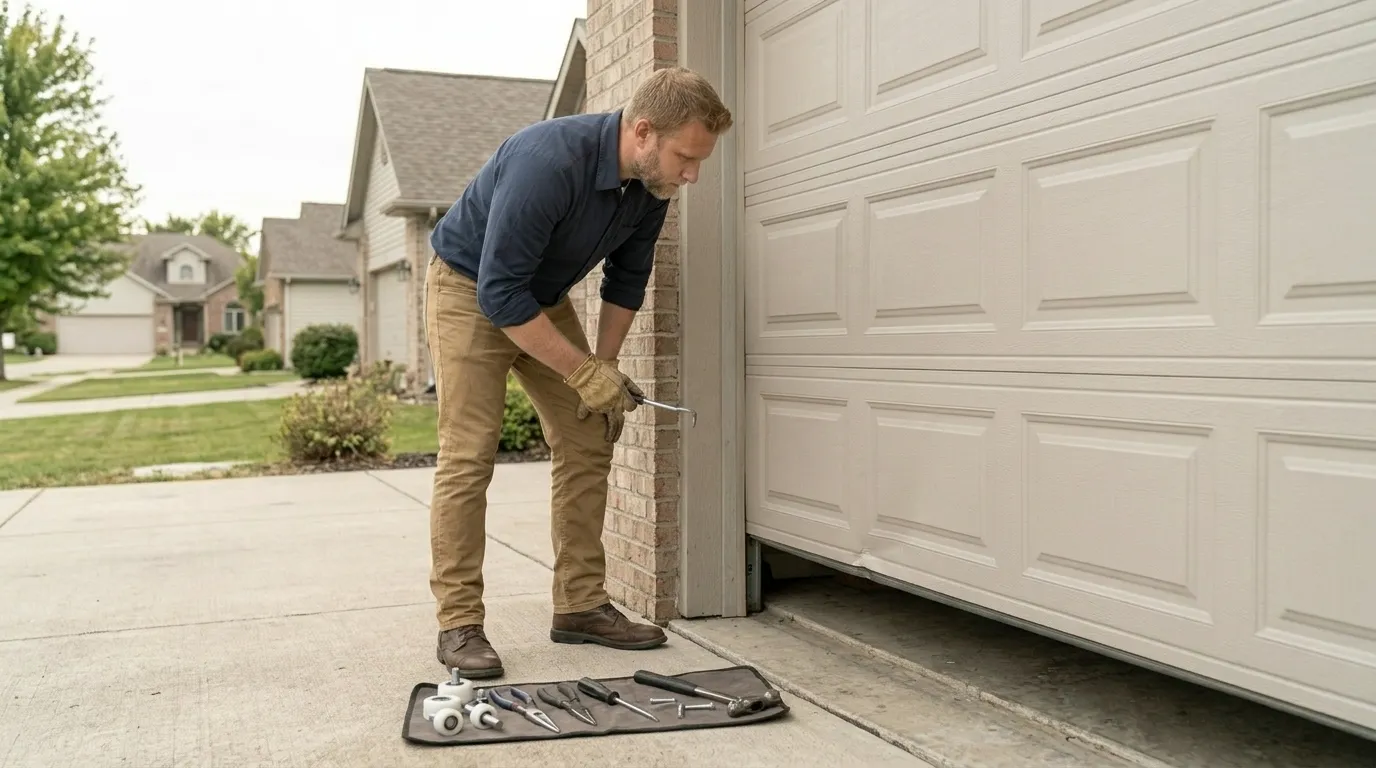
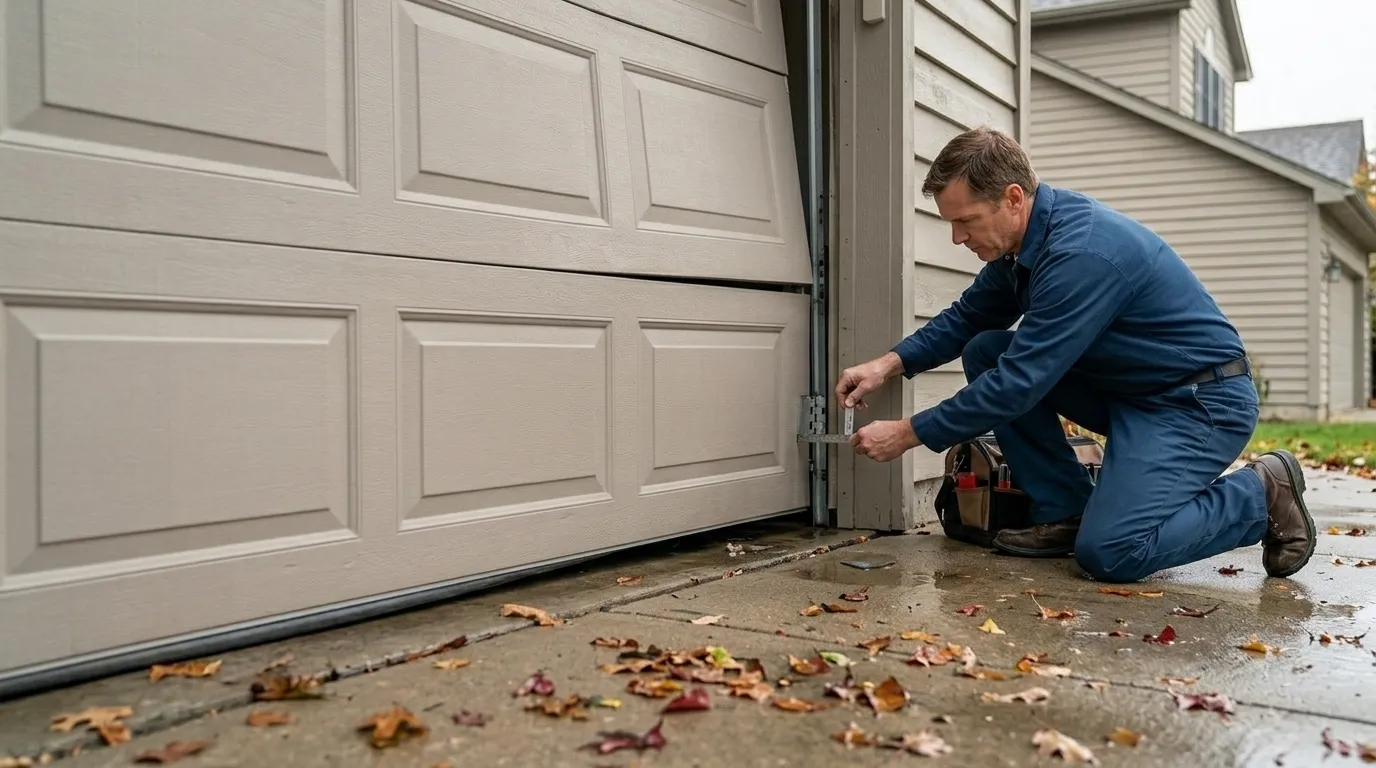
Most calls from Louisville come in around broken springs in the coldest stretches of winter, when the combination of age and low temperature finally catches up with a door that's been fine for years. We also get openers that stop responding to remote signals, which on units from this era is often a worn logic board rather than anything simple, and cracked or brittle bottom seals that let cold air and moisture into the garage.
One honest limit worth naming: because we run out of Longmont, we don't have a standing presence in Louisville, so same-day timing depends on our route that day rather than a guaranteed window. We'll always give you a realistic estimate when you call rather than a number that sounds better on the phone. For anyone weighing repair against replacement on a door from this build era, that's a conversation worth having before parts get ordered, not after.