This Area's Housing
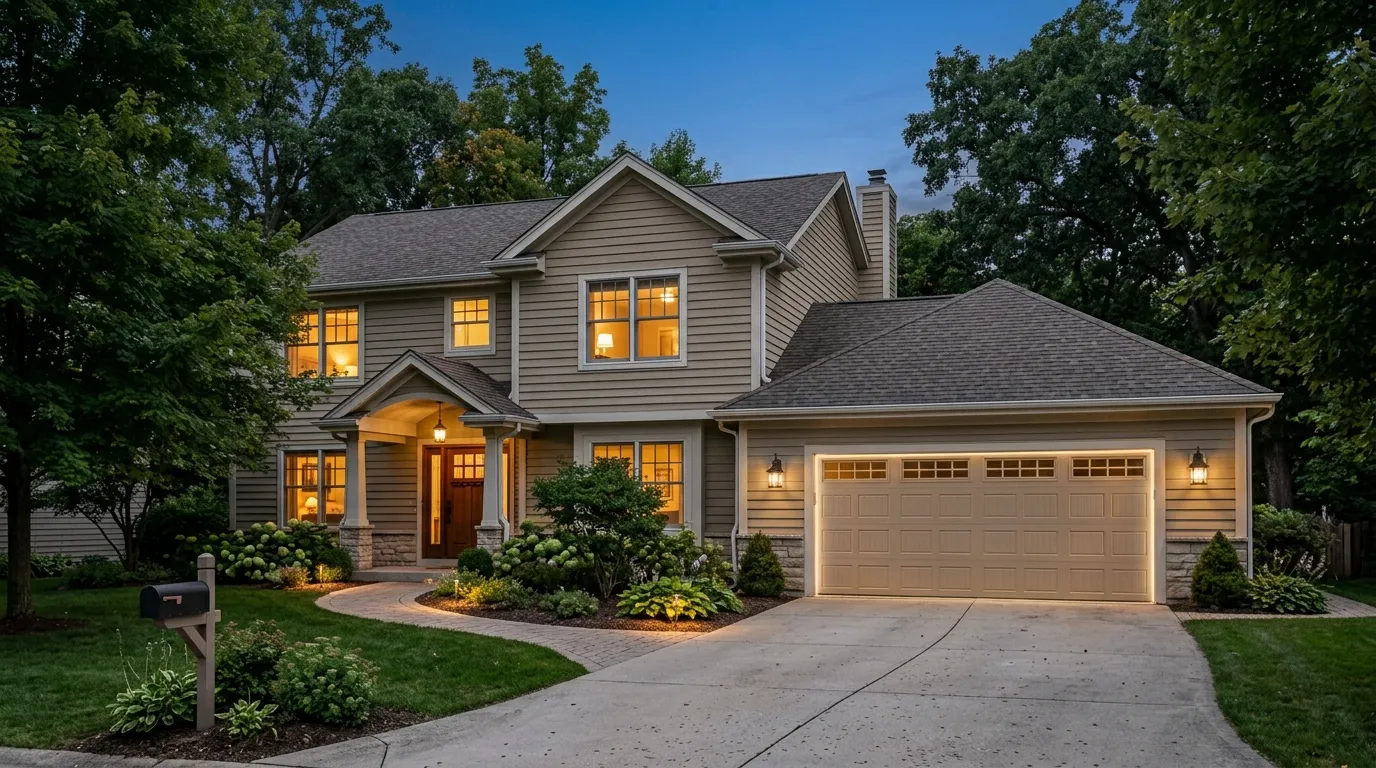
Mead sits about 7 miles from our shop in Longmont, and the housing stock out here skews newer than a lot of what we see closer in. Median year built here is 2003, which puts most of these garages a couple decades younger than the older pockets scattered through the wider service area (median 1997 across the region, with plenty of stock going back to 1952). That gap matters. A house built in 2003 came with a garage door and opener built to a different set of expectations than one built in the 80s or 90s - insulated steel sectional doors, torsion springs sized for wider double-car openings, and openers with basic safety sensors already standard rather than retrofitted later. If your house in Mead went up in the early 2000s, you're not dealing with the same door problems as an older neighborhood - you're dealing with 20-plus years of wear on hardware that was decent when it went in but wasn't built to last forever.
What That Means for Doors
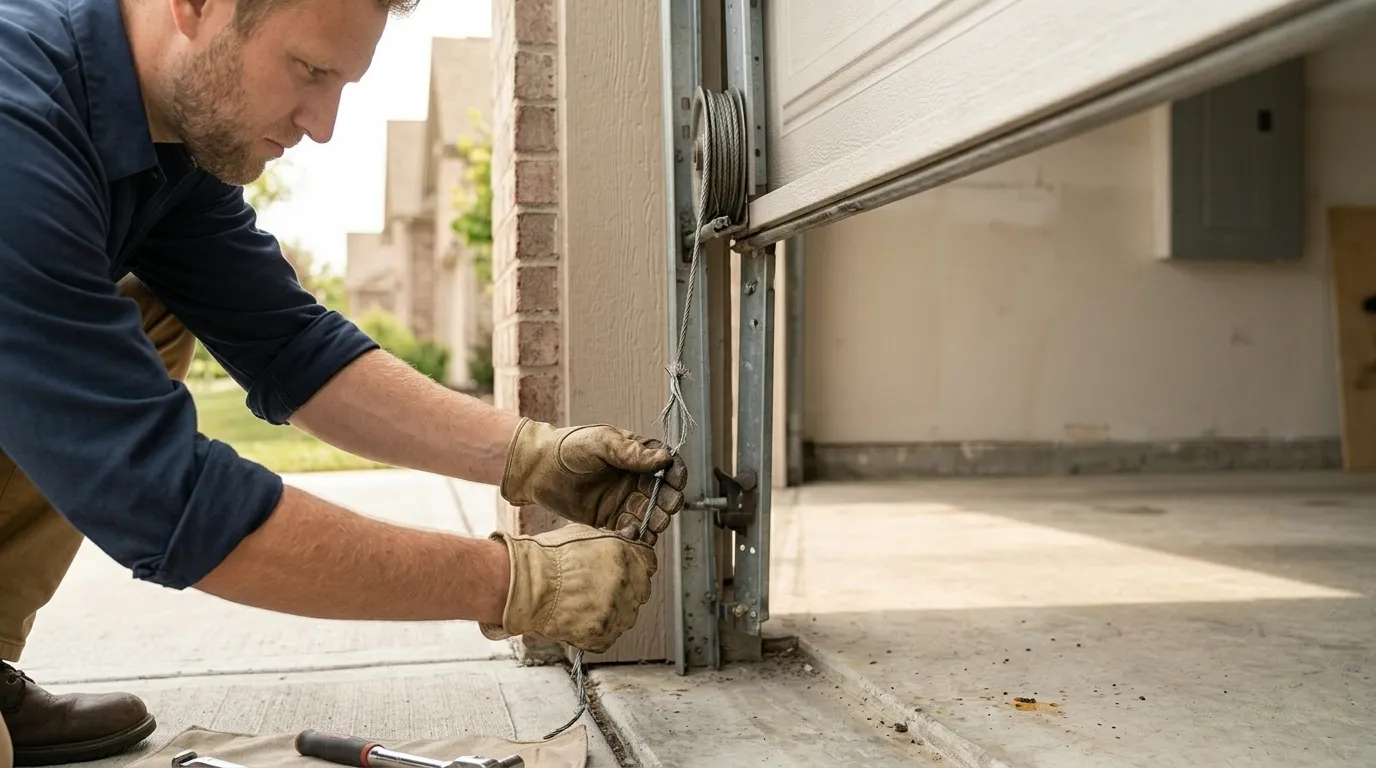
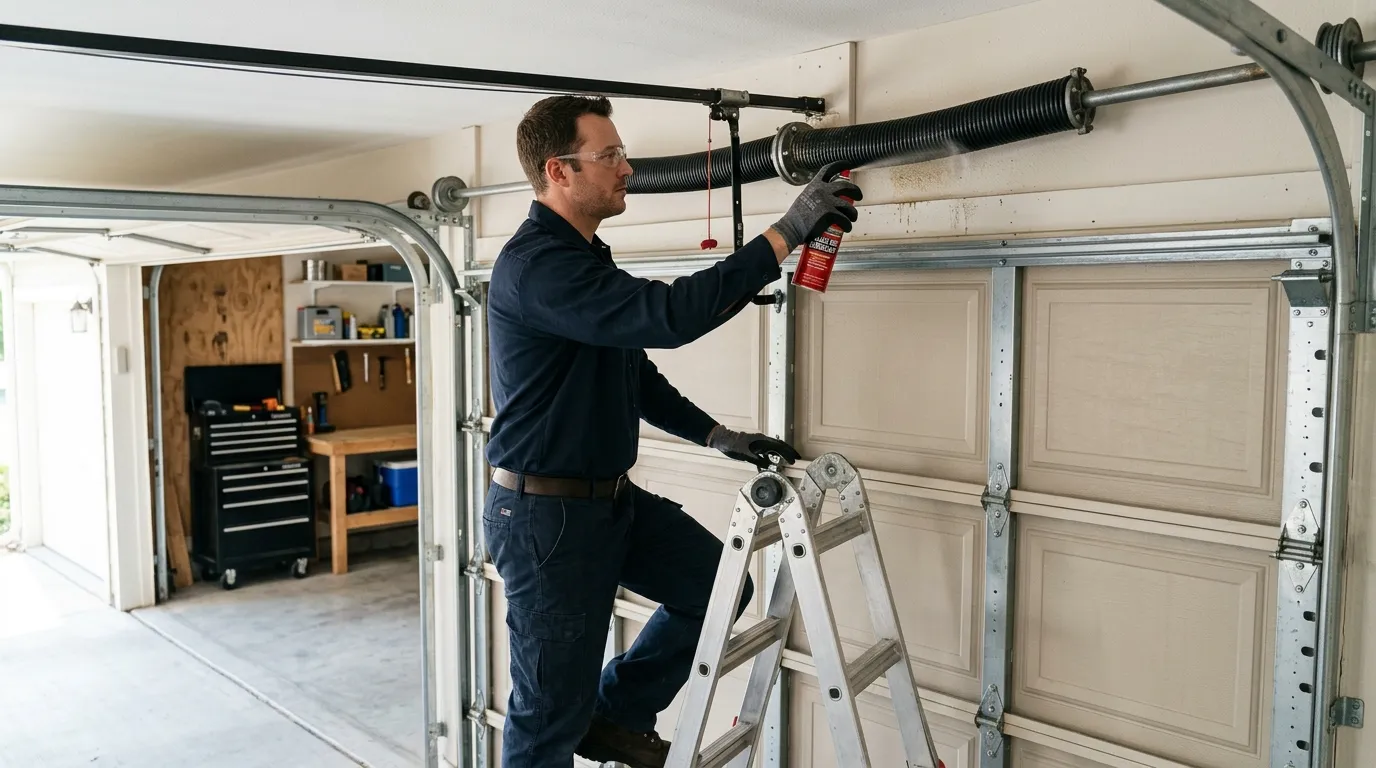
Doors from the early 2000s use torsion spring setups and extension hardware that's still fairly common, so parts aren't usually a problem the way they can be on a house from the 60s with an obsolete track system. What you do see at this age is fatigue: springs rated for a certain door weight that have cycled tens of thousands of times, nylon rollers gone brittle, and openers with drive belts or chains stretched past factory spec. Winters here are cold enough that steel contracts, grease stiffens, and a spring that was already near the end of its cycle count is more likely to snap on a cold morning than a mild one. We don't sell every Mead call as a full door replacement - a 2003-era door with good panels and a bad spring is a repair, not a teardown. Replacement makes sense when the opener is original and failing alongside the spring, or when insulation in the panels has degraded enough that the door doesn't hold heat like it used to.
The Calls We Get From Here
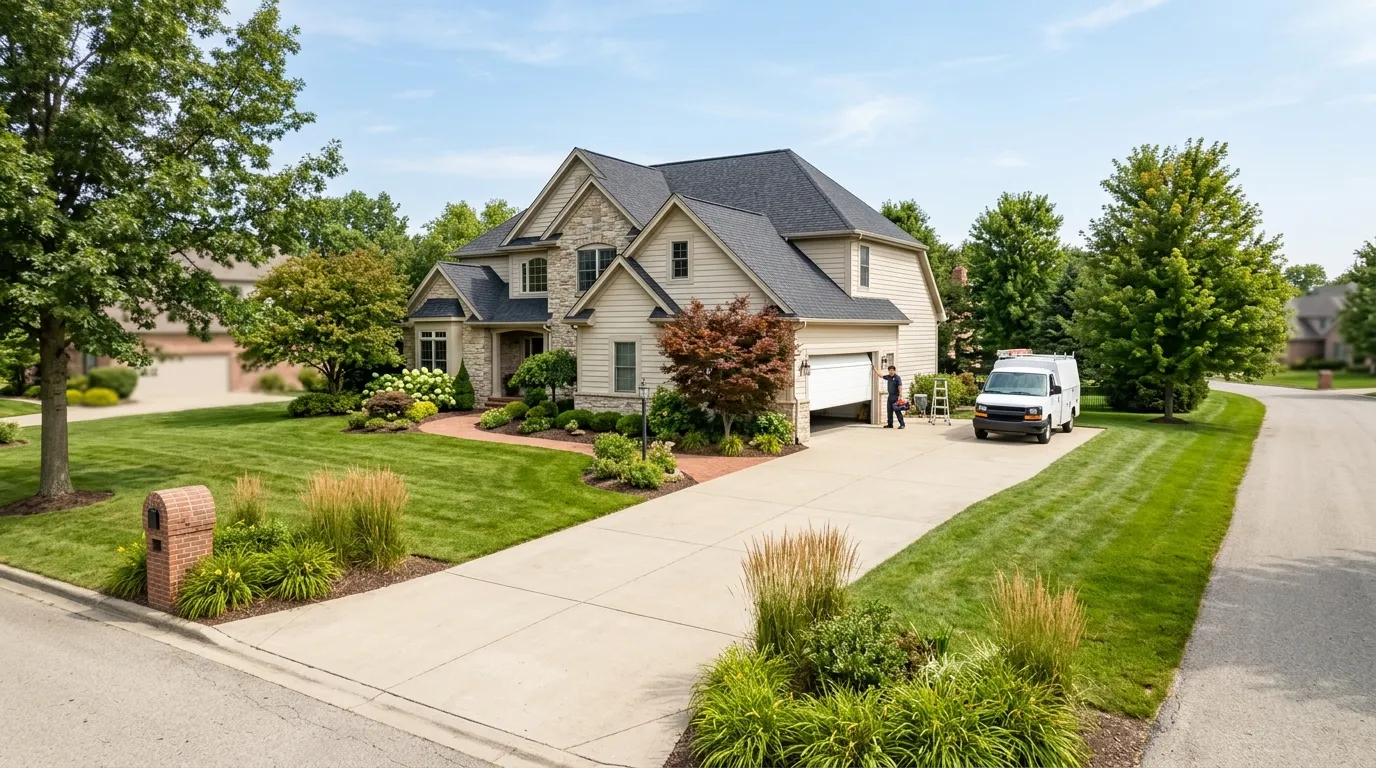
We travel to Mead from Longmont, about 7 miles, and most jobs we take on out there fit a pattern: it's a door and opener original or close to original to a house built in the early 2000s, and something on it has finally worn through. We don't keep a truck stationed in Mead, so we schedule the trip out rather than showing up on no notice, and we're upfront about that when someone calls. One honest limit: if a part is unusual or backordered, we tell you the real lead time rather than guessing low. For the roughly 1,867 households out here, most of what we replace is standard-size hardware for standard-size sectional doors, so parts availability isn't usually the holdup - scheduling the drive is.