This Area's Housing
Northglenn is older than most of the area we cover. The median home here was built around 1974, while the broader service territory runs from 1952 up through 2010 with a median closer to 1997, and most of the 23 named areas we work in are dominated by 1980s and 90s construction. That gap matters. A house built in 1974 has been through at least one, often two, full garage door replacements by now, and whatever hardware is on it today is either original 1970s gear that's outlived its rating or a mid-2000s retrofit that's now itself aging out. Northglenn carries about 14,718 households, a small slice of the roughly 95,042 households and 53,412 owner-occupied houses across our full coverage area. Median household income here runs around $79,530, noticeably below the $116,074 median for the service area as a whole, which we mention only because it shapes what kind of repair versus replace conversation makes sense for a given household. We're not guessing at your street - we don't have that - but the build era is well documented and it tells us plenty before we even see the door.
What That Means for Doors
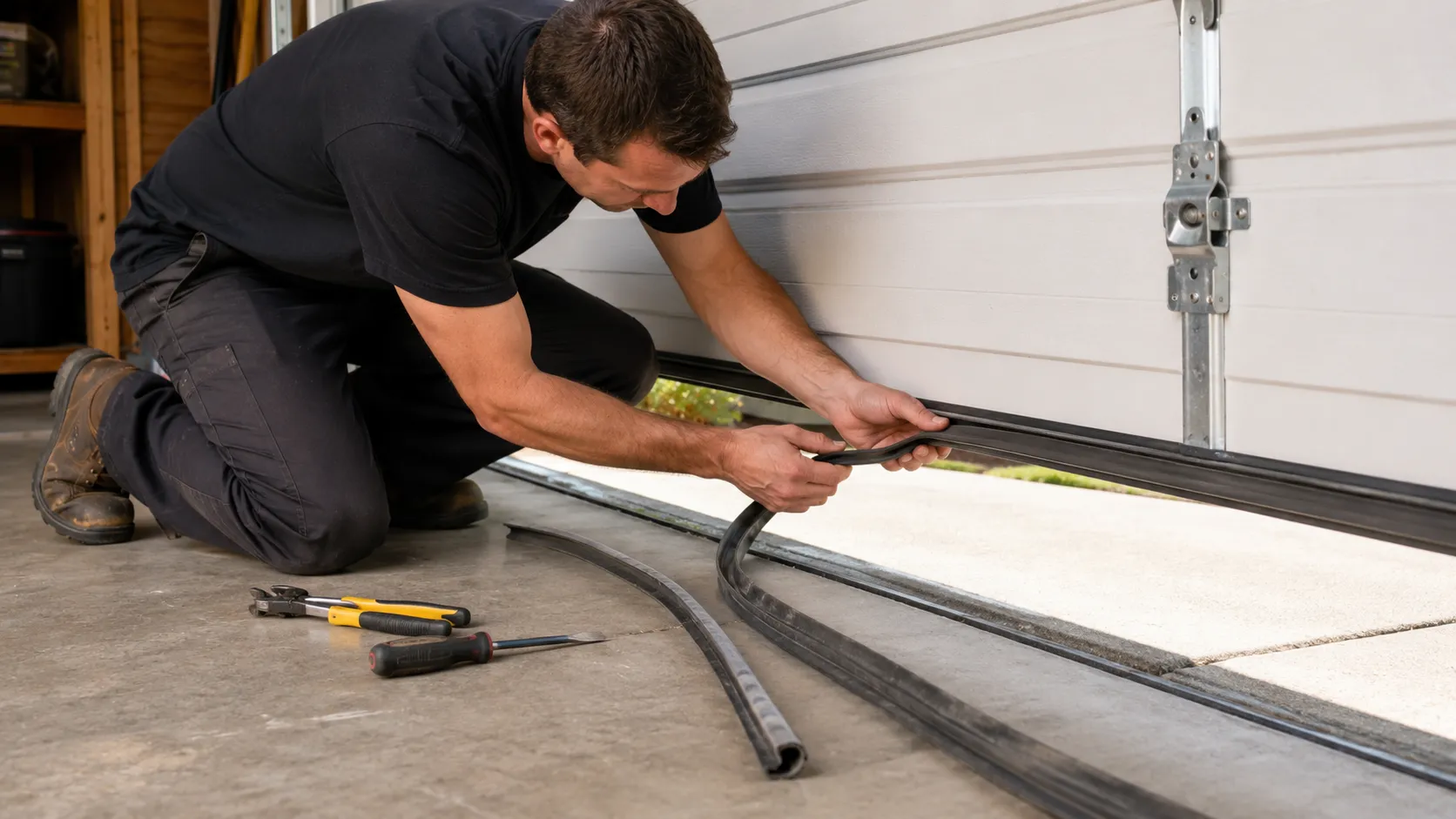
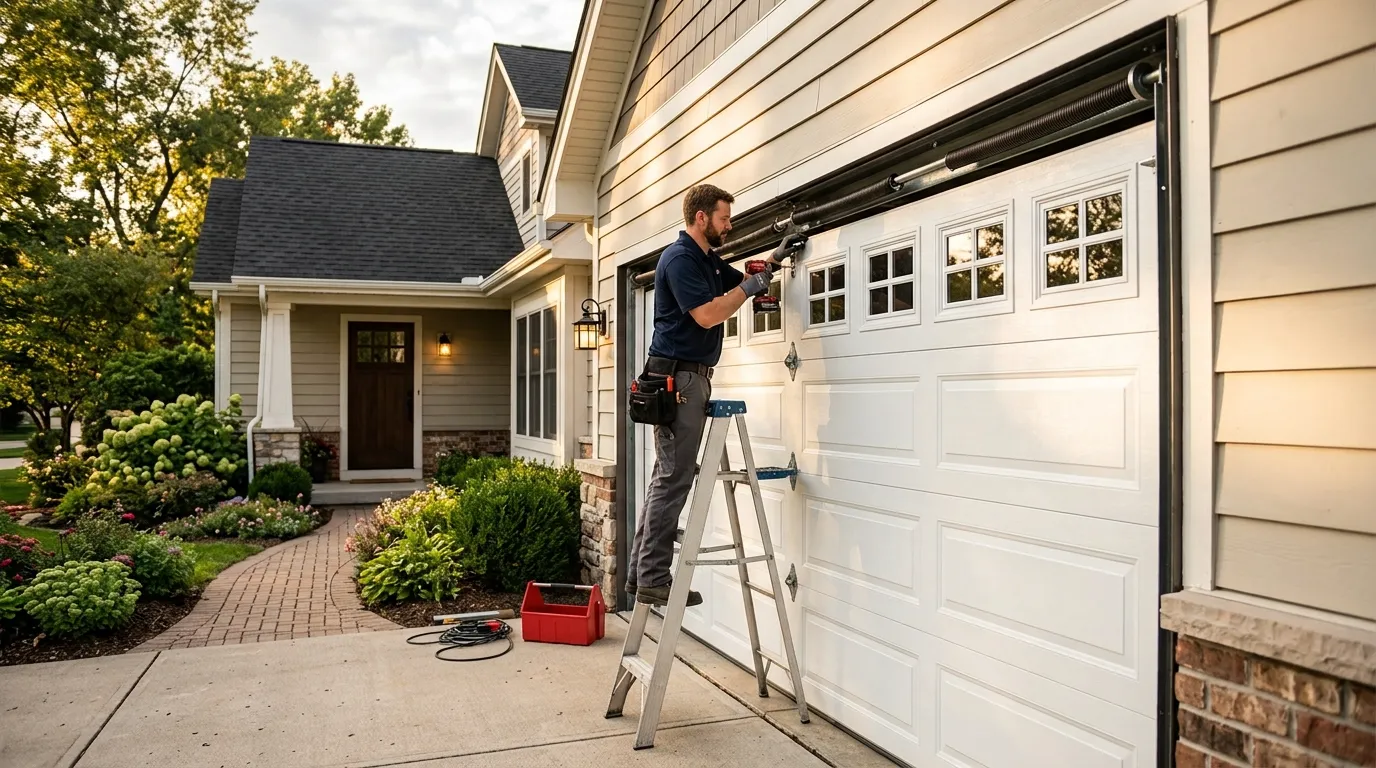
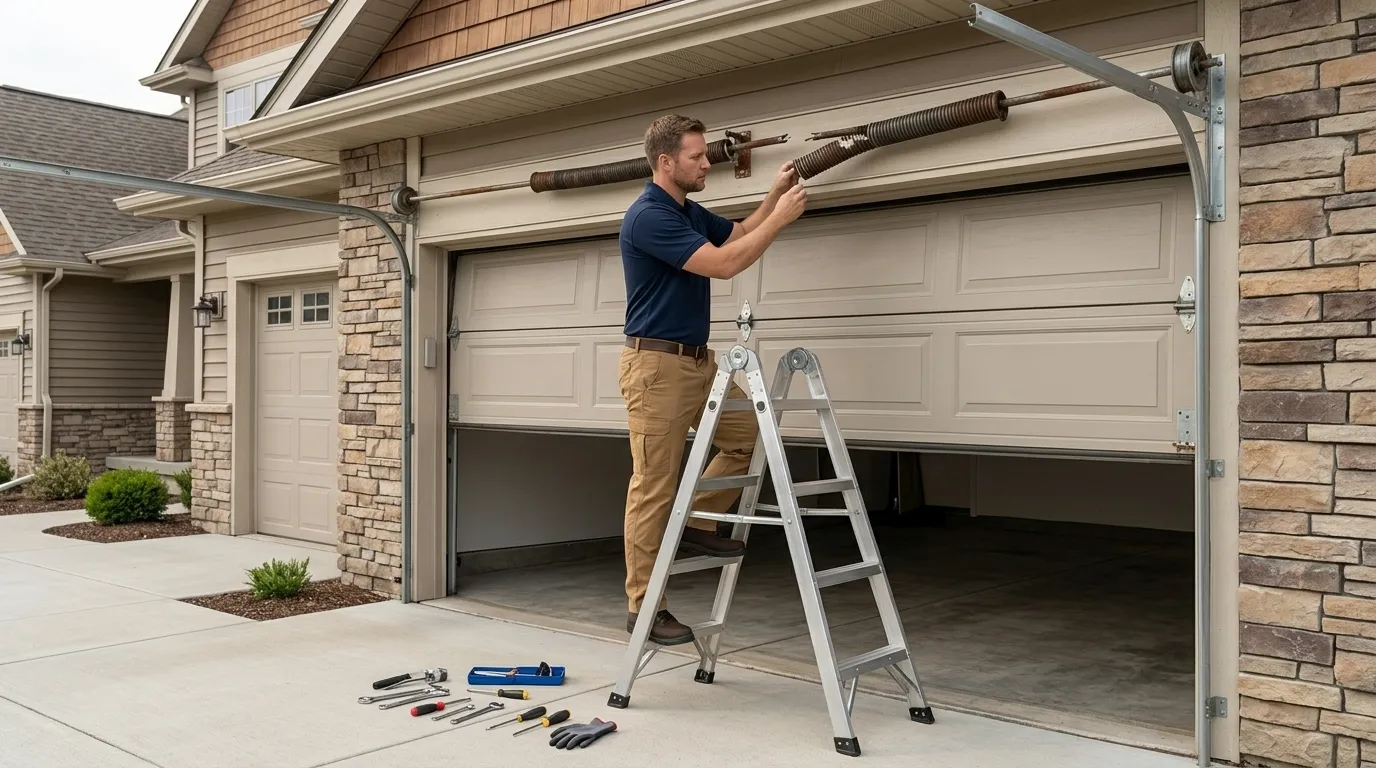
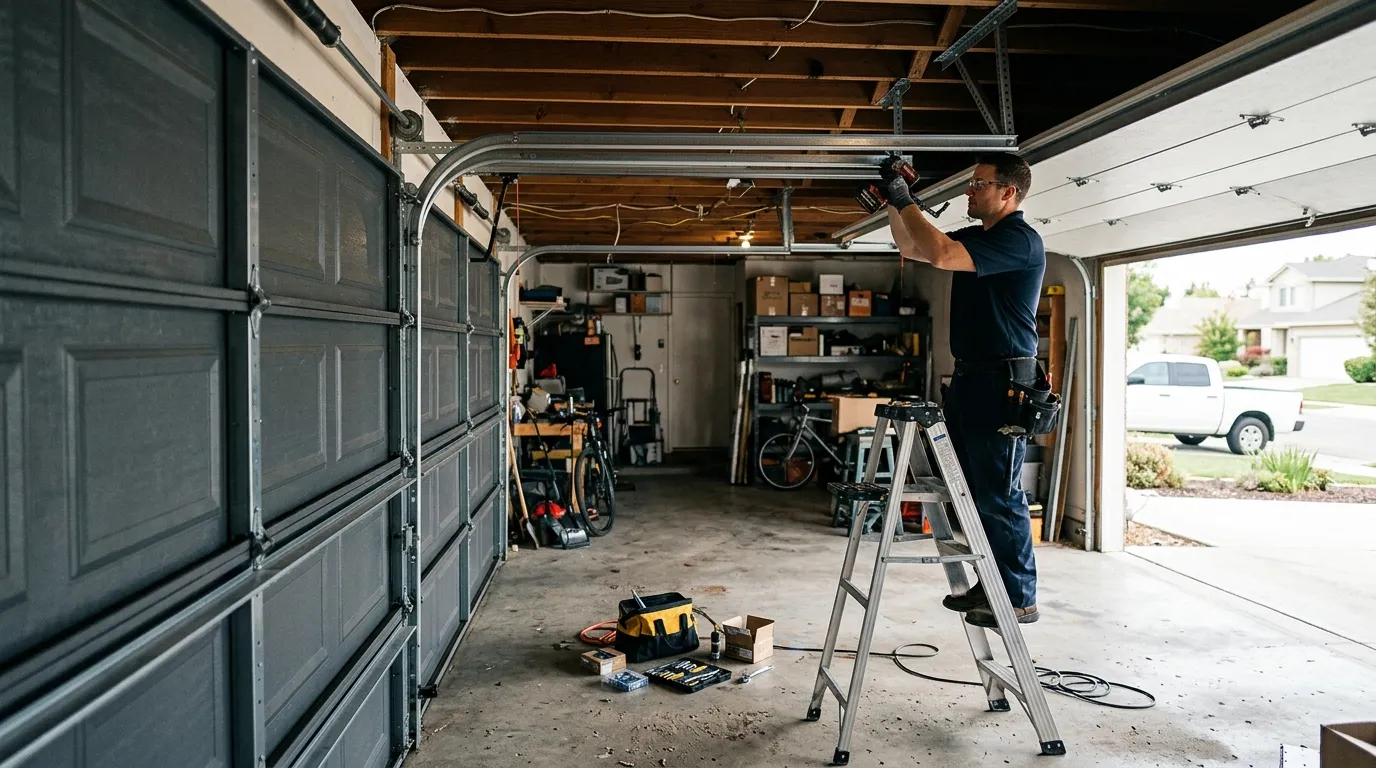
This region sits in a cold, severe climate band, and a door built to 1974 standards was never insulated the way current code expects. Steel sections from that era are usually single-layer, which means condensation on the inside face in winter and a door that's noticeably heavier to lift by hand once the spring starts to fatigue. Extension springs mounted over the horizontal track were still common in houses from this period, rather than the torsion setups that became standard later - and extension springs age differently, snapping suddenly instead of slowly losing tension. Openers from a 1970s or even 1980s retrofit are usually chain-drive units with no soft-stop, no battery backup, and no safety-reversal sensors, which is now a legal minimum on new installs. None of this means the door is unsafe today, but it does mean parts availability is worse - a lot of the brackets and drums used in that era simply aren't made anymore, and a repair sometimes turns into a full hardware swap because the exact part doesn't exist to match.
The Calls We Get From Here
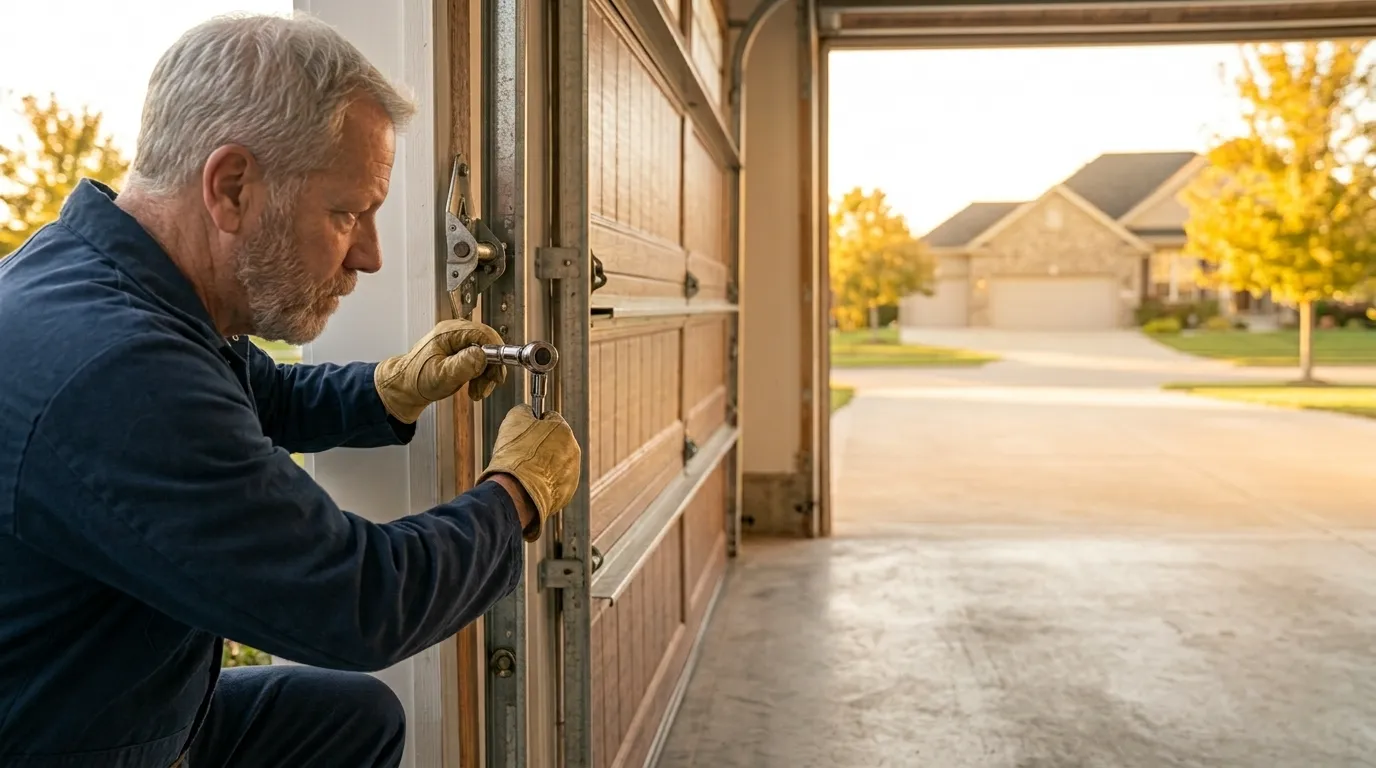
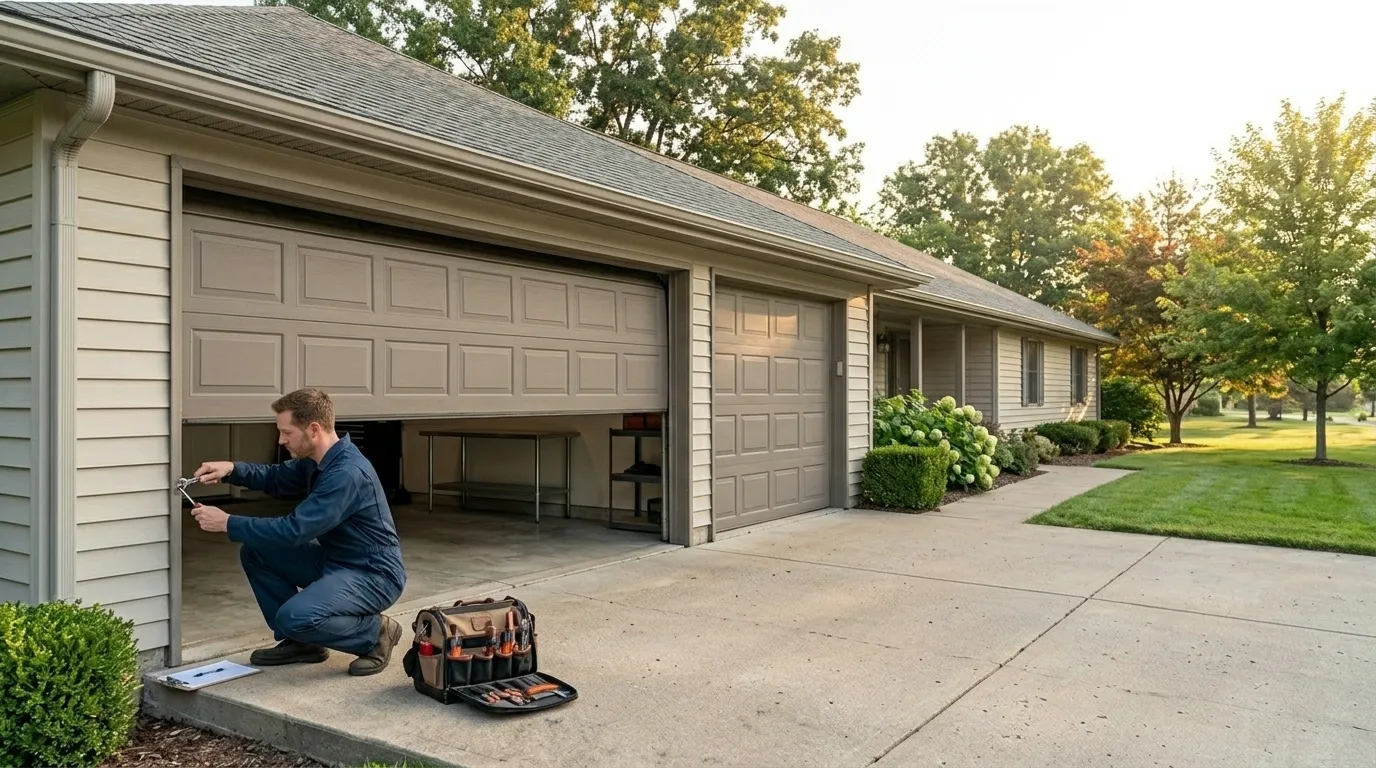
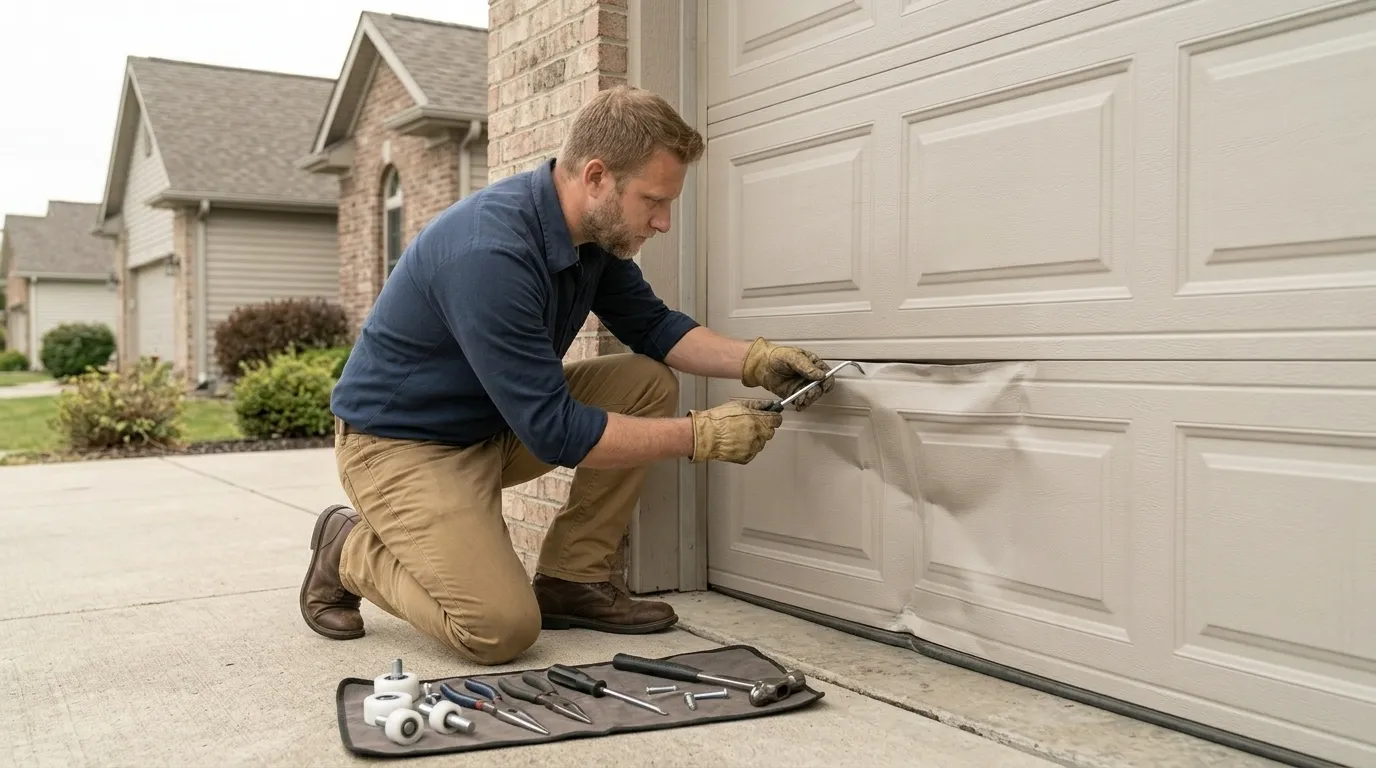
We work out of Longmont, about 19 miles from Northglenn, so most calls from this area come in as scheduled jobs rather than same-hour drop-ins - we're upfront about that distance rather than pretending we're around the corner. What we hear most often is a door that's gotten heavy to lift, a spring that let go without warning, or an opener that's started grinding or reversing on its own. Given the age of the housing stock here, a good number of these calls end with us replacing hardware that's simply reached the end of its service life rather than patching around it. We don't stock every obsolete bracket or drum size from a 1970s installation, so if your door uses genuinely discontinued parts, we'll tell you that up front and talk replacement options instead of stringing out a repair that won't hold.