This Area's Housing
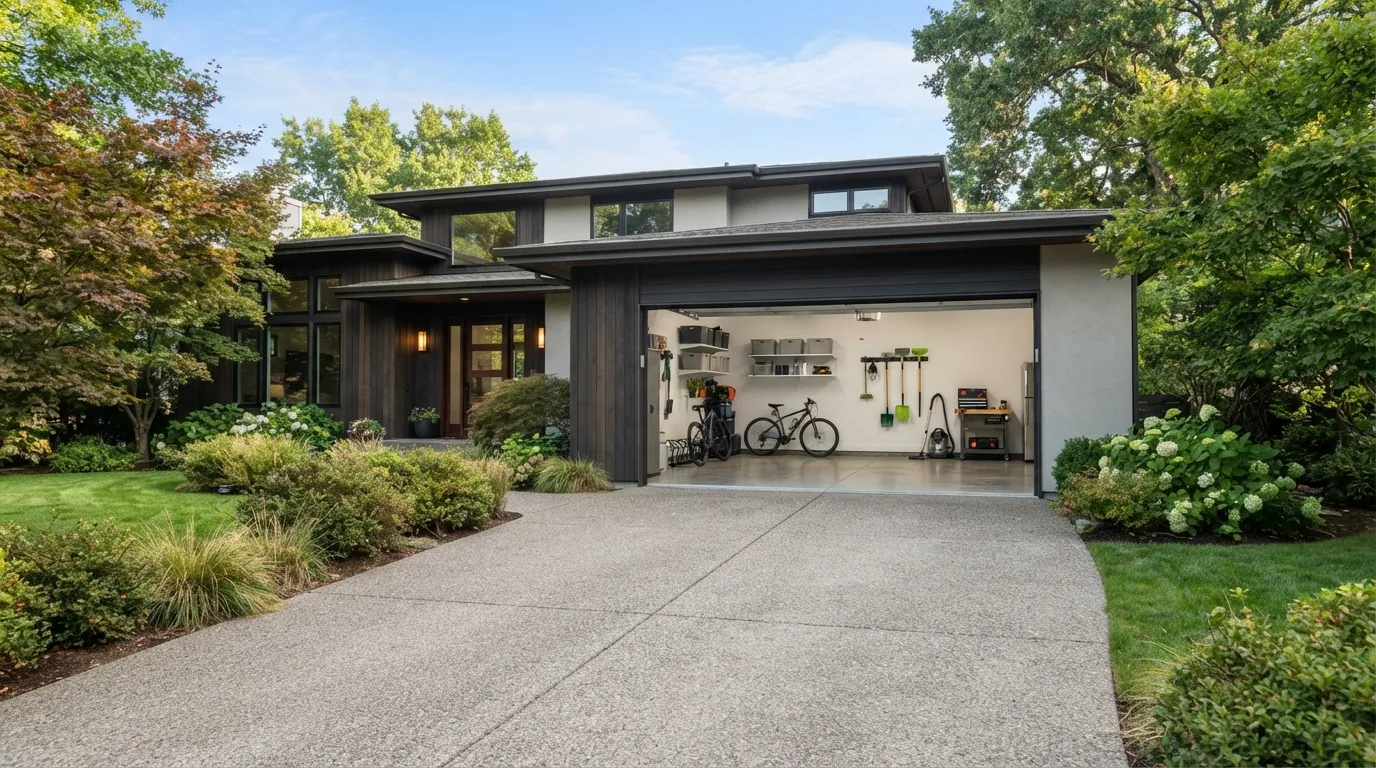
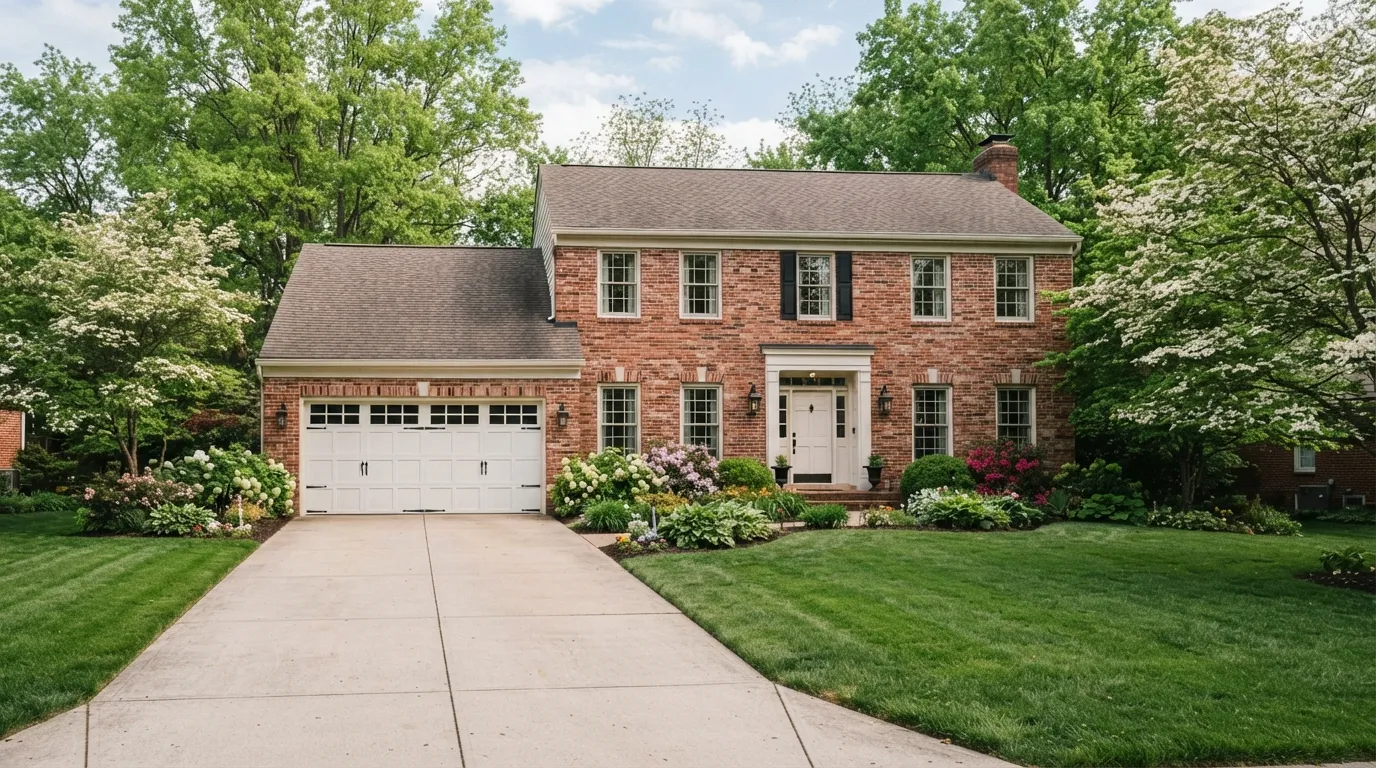
Platteville's housing stock centers on a median build year of 1993, which puts most of the doors we see here squarely in the builder-grade wave of the late 1980s and 1990s rather than the newer construction you'd find closer to Longmont's core. With 964 households in the area, this isn't a dense subdivision grid - it's a mix of standalone homes built over a couple of decades, which means the garage door hardware isn't uniform. Some houses still carry their original steel sectional doors and openers from the year they were built, and 30-plus years is long enough for springs, cables, and rollers to be well past their design life even if nobody's touched them. Median household income here runs about $87,642, noticeably below the wider service area's $116,074, and that shapes the calls we get: more repair requests, fewer full replacements on the first visit. It's also worth saying plainly that we don't have a shop or depot in Platteville. We run the 15 miles out from Longmont for every call, so travel time is part of the job, not an afterthought.
What That Means for Doors
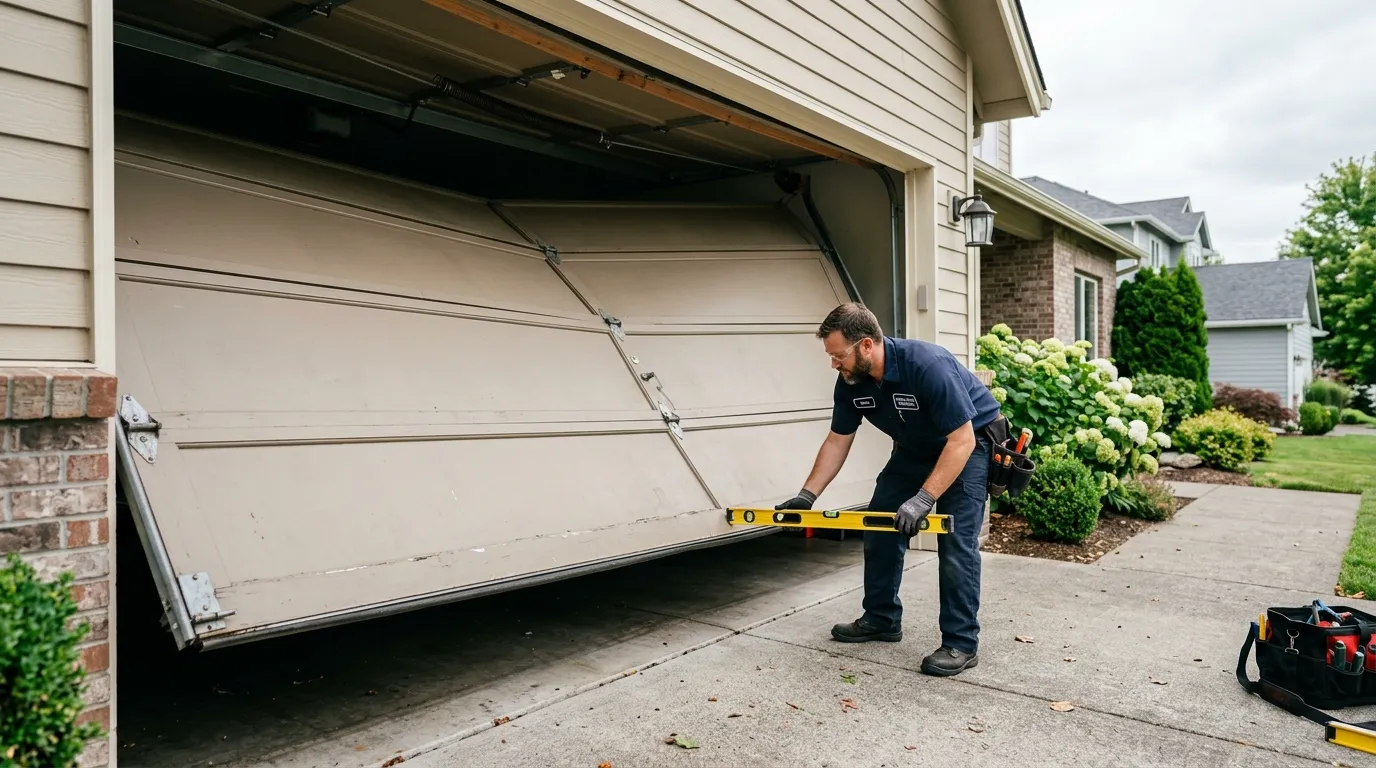
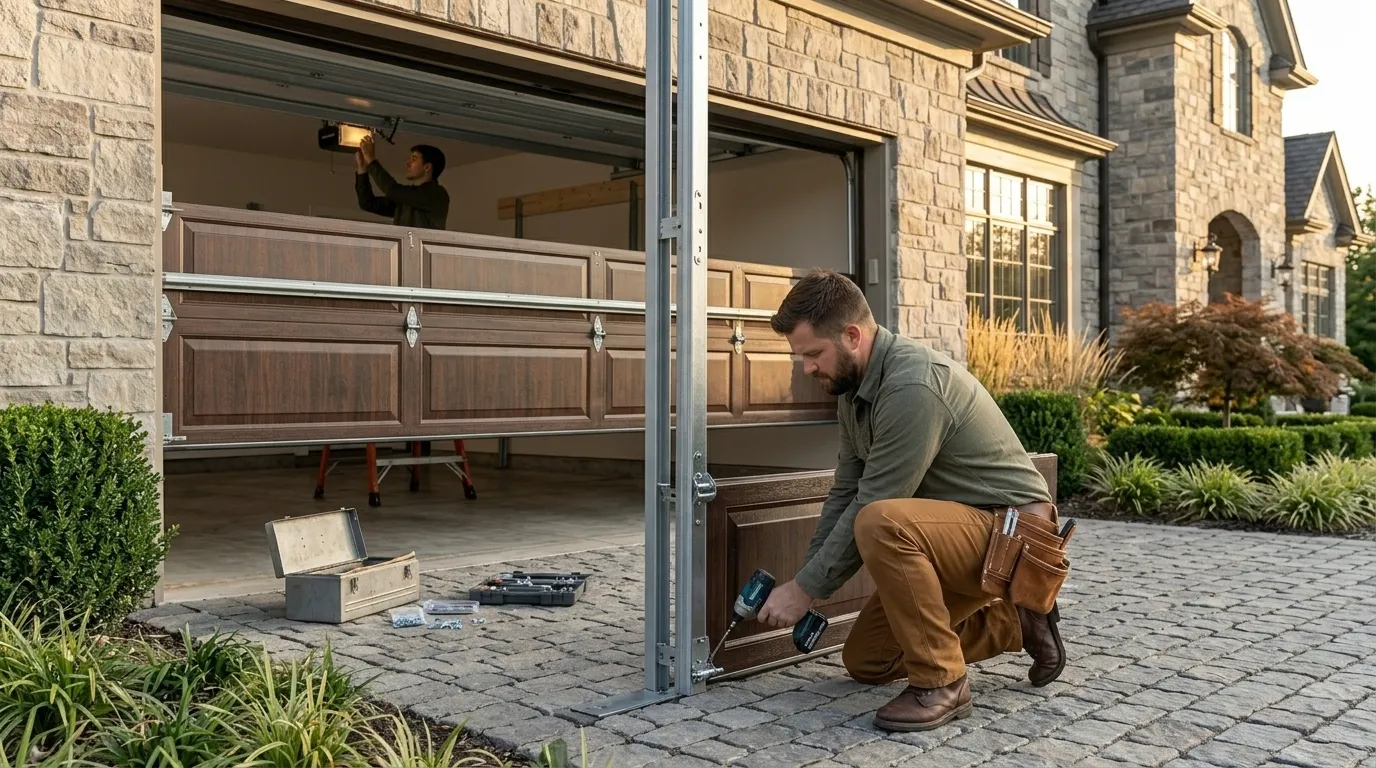
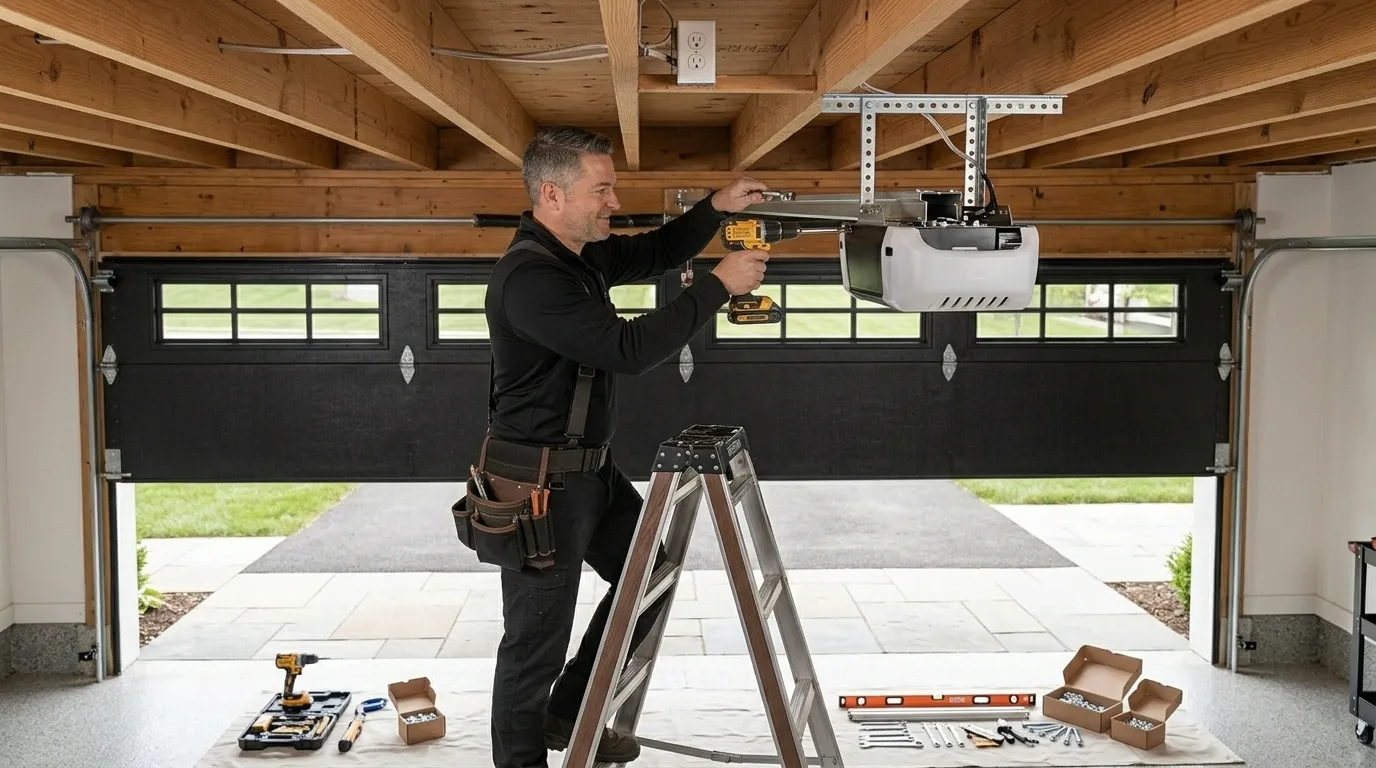
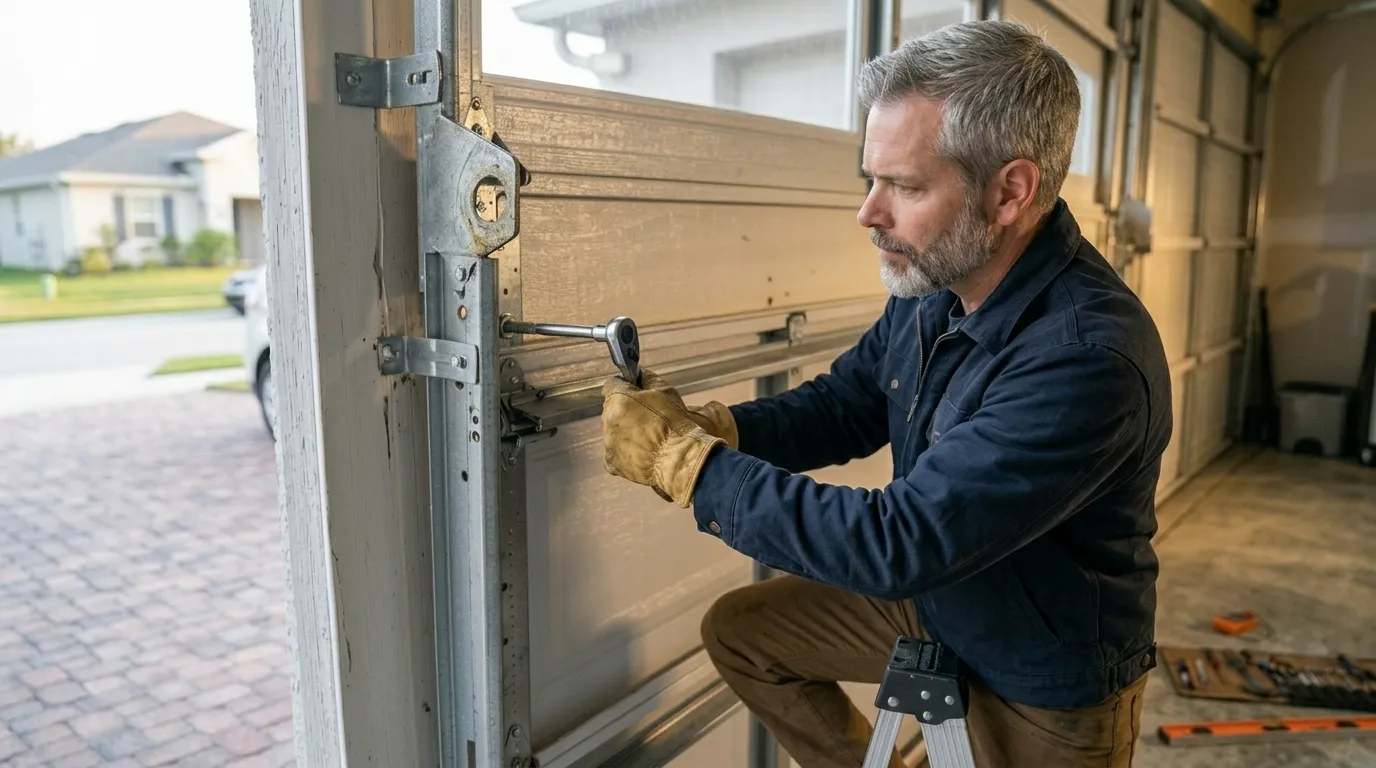
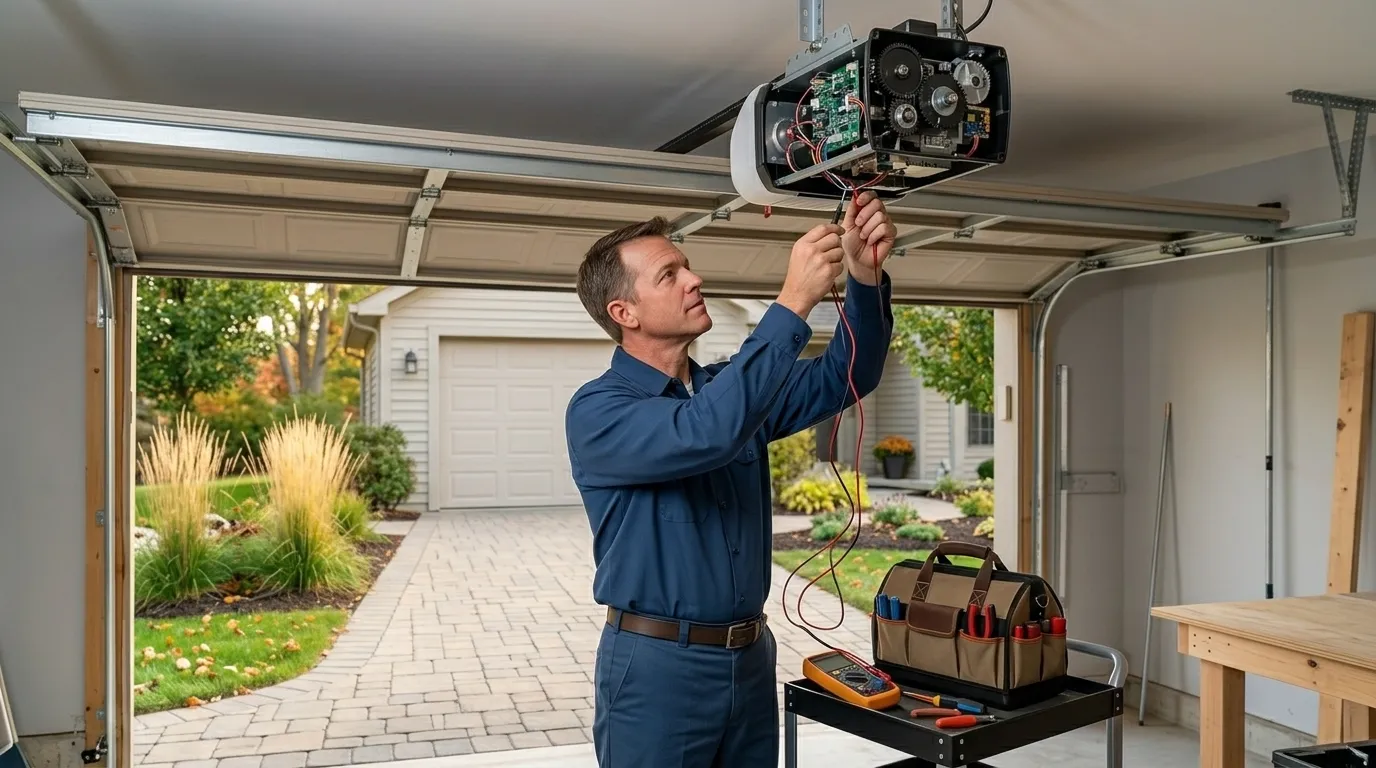
A door installed around 1993 was built to a different standard than what goes in today. Torsion springs from that era are often undersized for the door weight they're carrying, especially on double-car garages, and the galvanized coating on cables and rollers from that period has usually worn thin by now. Openers from the early-to-mid 90s commonly run chain drives with worn sprockets and no rolling-code security, which matters if a homeowner is troubleshooting a door that opens on its own or won't respond to the remote. Add in this region's cold, severe winter climate, and steel components that flex daily in freeze-thaw cycles fatigue faster than they would somewhere milder - metal contracts, lubricant stiffens, and a spring that was already near the end of its cycle count can snap on a cold morning instead of gradually. None of this means every door here is a lost cause. Plenty of 1990s-built doors are solid if the track alignment and hardware have been kept up. But it does mean a technician has to actually check the spring wire gauge and cycle history rather than assume the door matches whatever's standard today.
The Calls We Get From Here
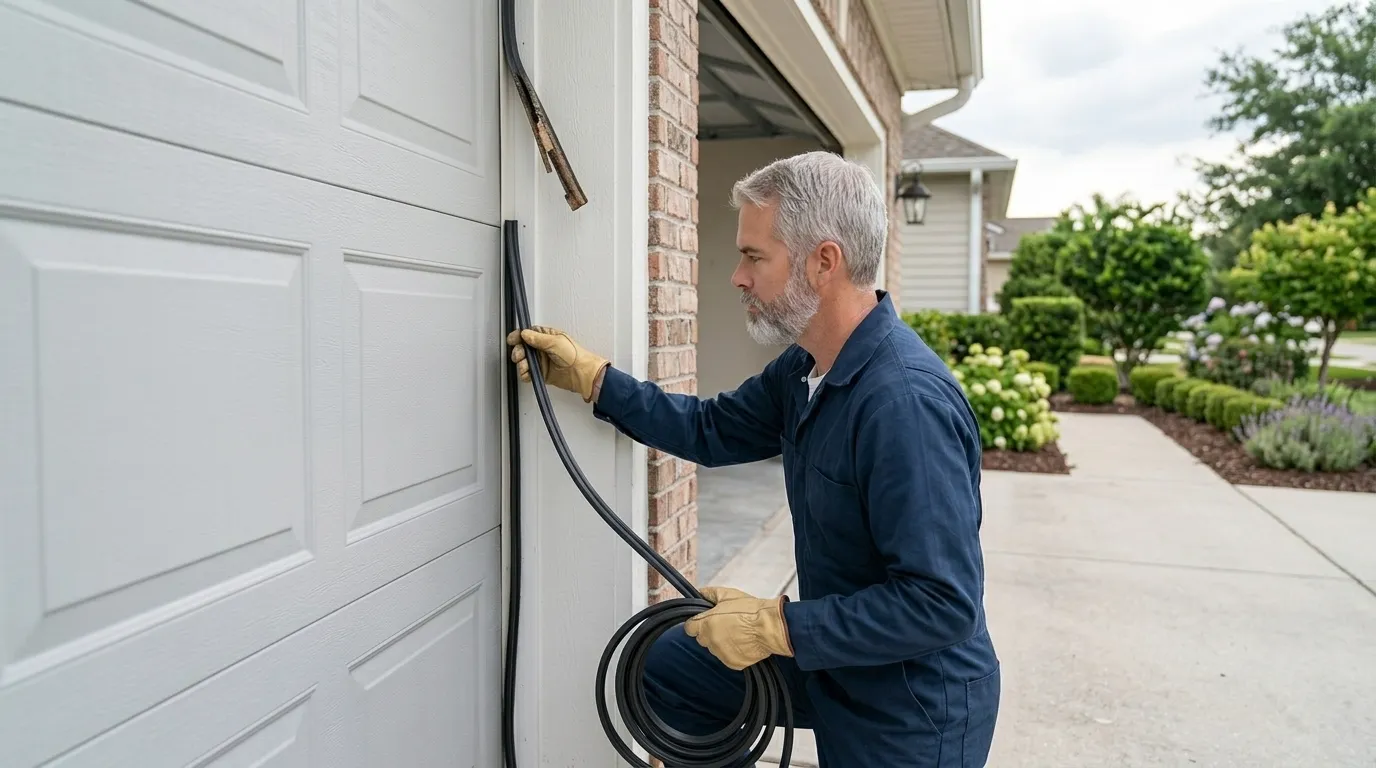
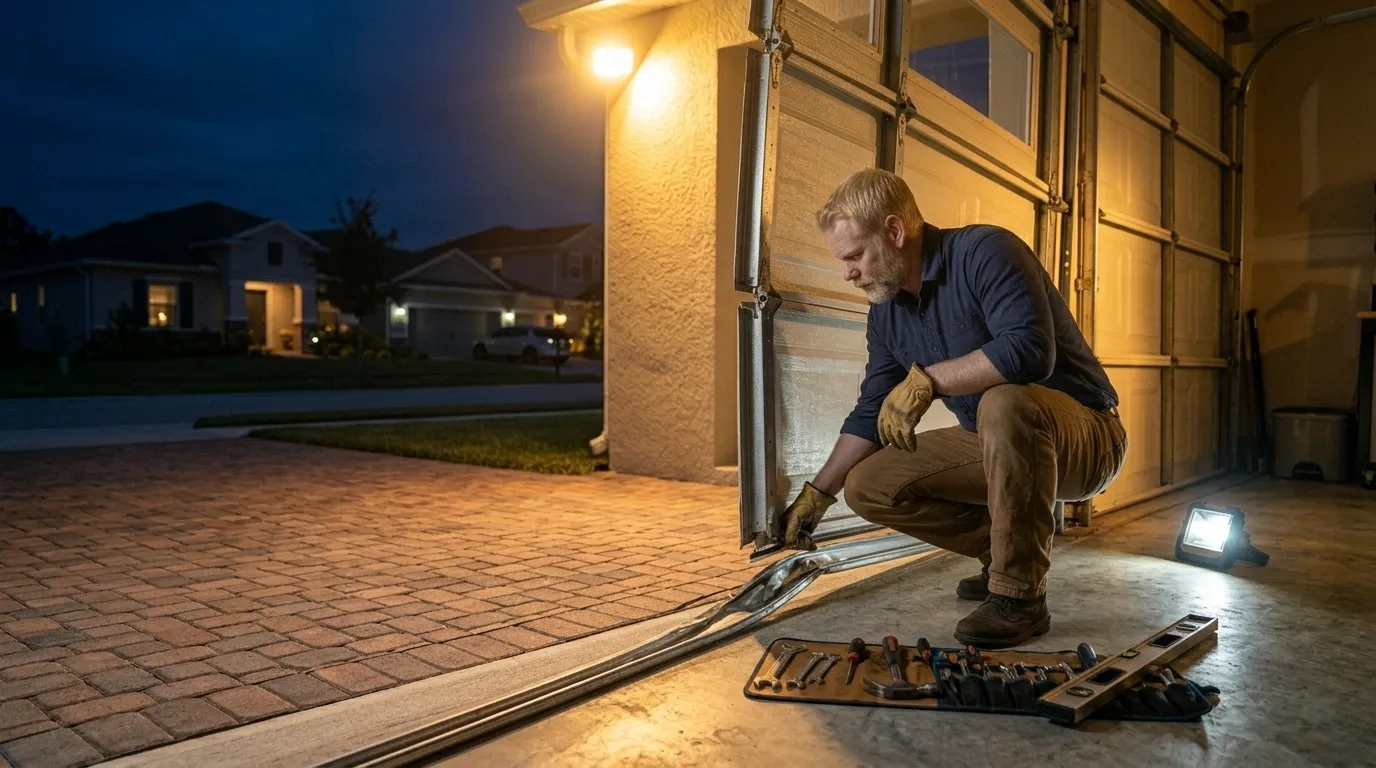
Most Platteville calls come in as an emergency - a spring gave out overnight, or the door won't budge and there's a car trapped inside. Because we're running out from Longmont rather than working from a location in the area, we ask a few questions up front about the door's age and symptoms so the truck arrives with the right spring size and hardware instead of guessing. Given how consistent the 1993 build era is across this area, a lot of these jobs turn out to need the same handful of parts, which helps us prep before we ever leave Longmont. We also get calls after a homeowner's done some DIY troubleshooting and made things worse - loosened a cable drum or forced a stuck track - which is understandable but can turn a simple job into a bigger one. If you're in Platteville and something's off with the door, the more detail you can give about when it started and what the door does, the faster we can figure out what's actually wrong before the 15-mile drive out.