This Area's Housing
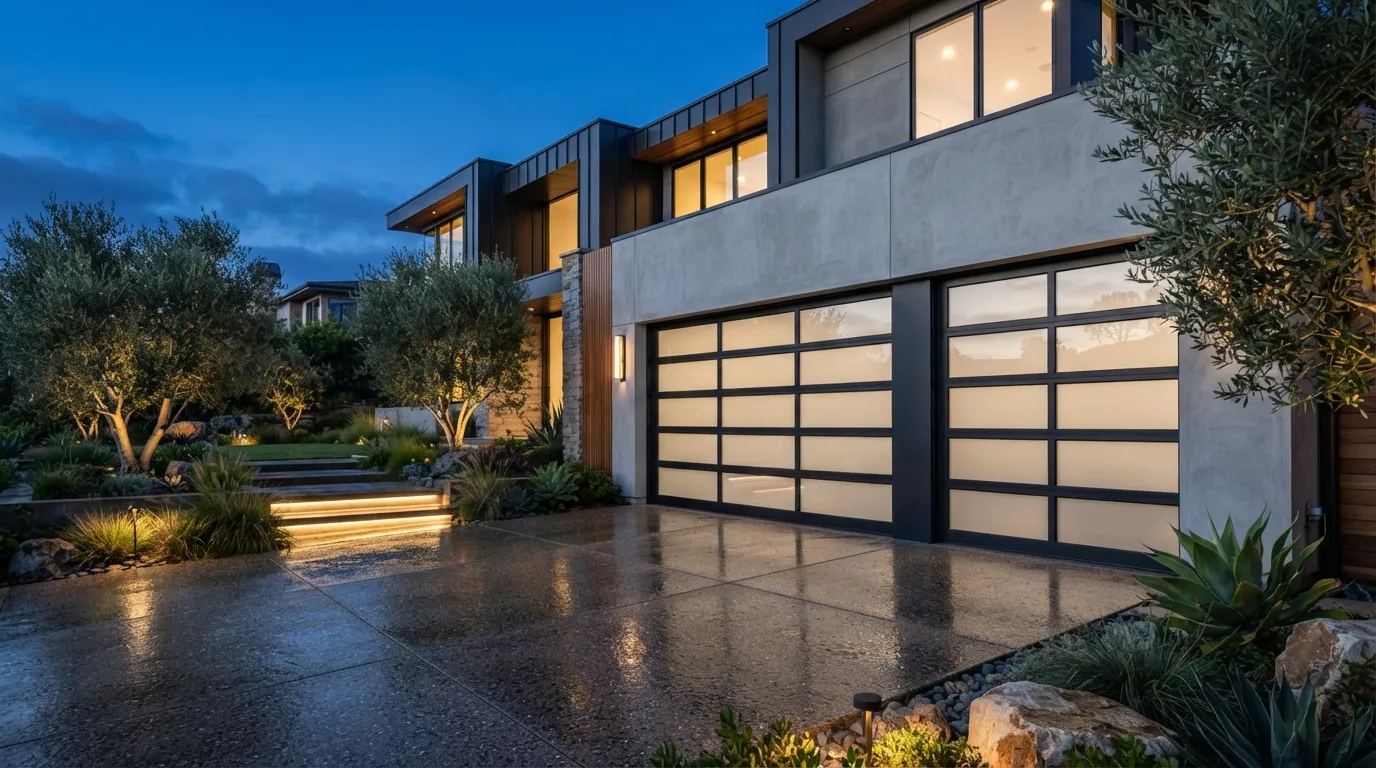
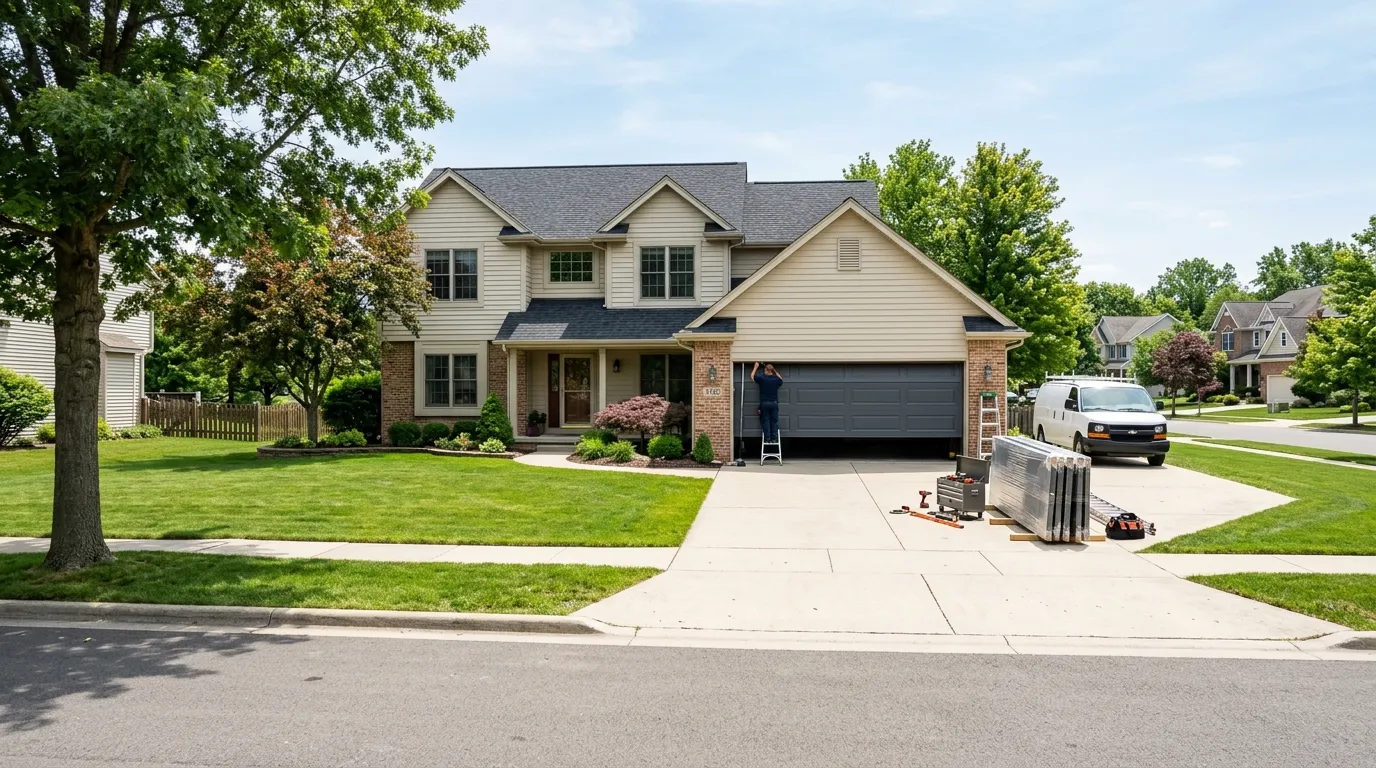
Superior's houses cluster tightly around a 1997 build year. That's newer than a lot of what we see closer to Longmont, where the housing stock across the wider service area spans 1952 to 2010 and mixes in older 1950s and 60s construction alongside newer builds. Superior doesn't have that spread - it's overwhelmingly a 1980s-through-90s build-out, which puts it firmly in the newer half of the 23 named areas we cover.
With roughly 4,692 households here, the housing is more uniform than what you'd find in an older town: similar lot sizes, similar garage bays, similar door widths going in at roughly the same time. Median household income here runs $157,909, well above what we see in a lot of the older neighborhoods on our route, and it shows in the doors - more insulated steel, fewer bare single-layer panels than you'd find on a 1960s house.
The practical upshot: when we come out to Superior, we're mostly dealing with one era of hardware, not three or four generations of it stacked on top of each other block by block.
What That Means for Doors
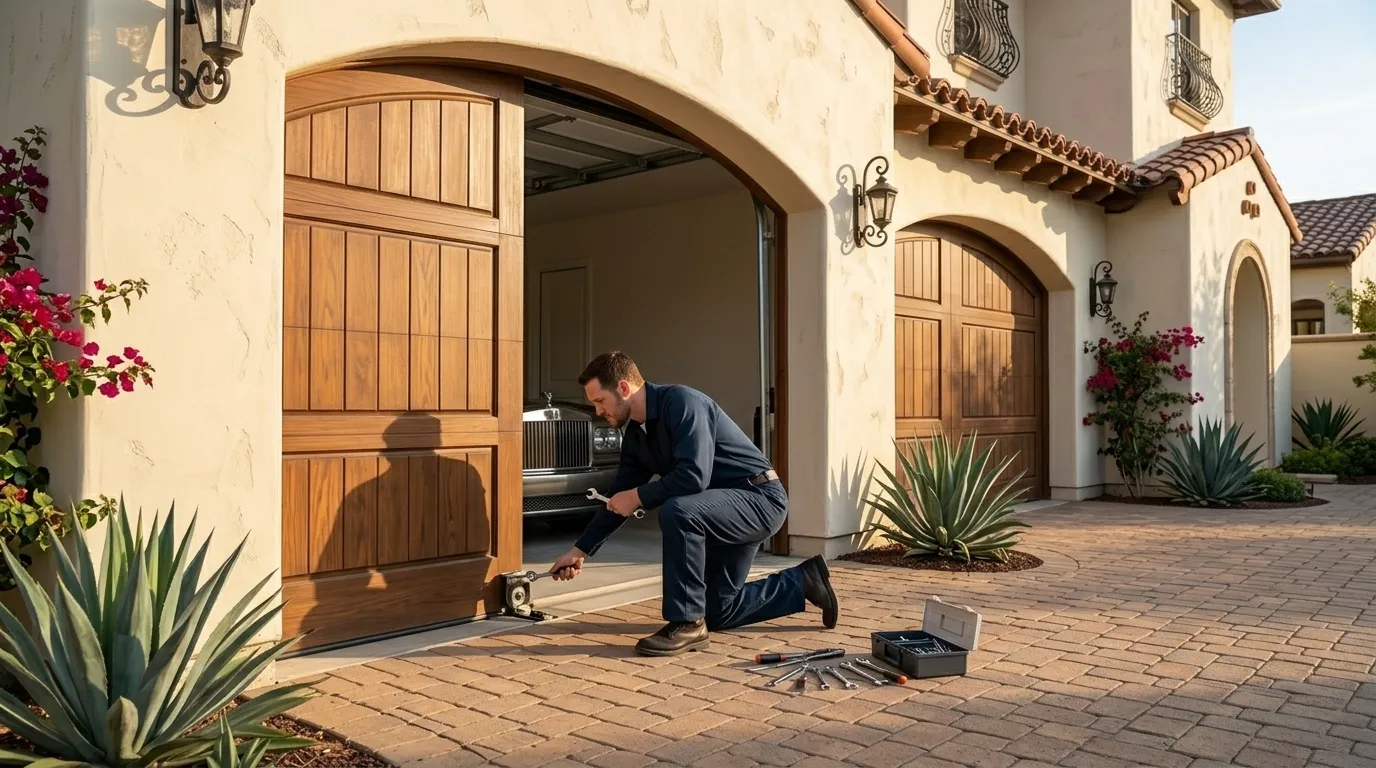
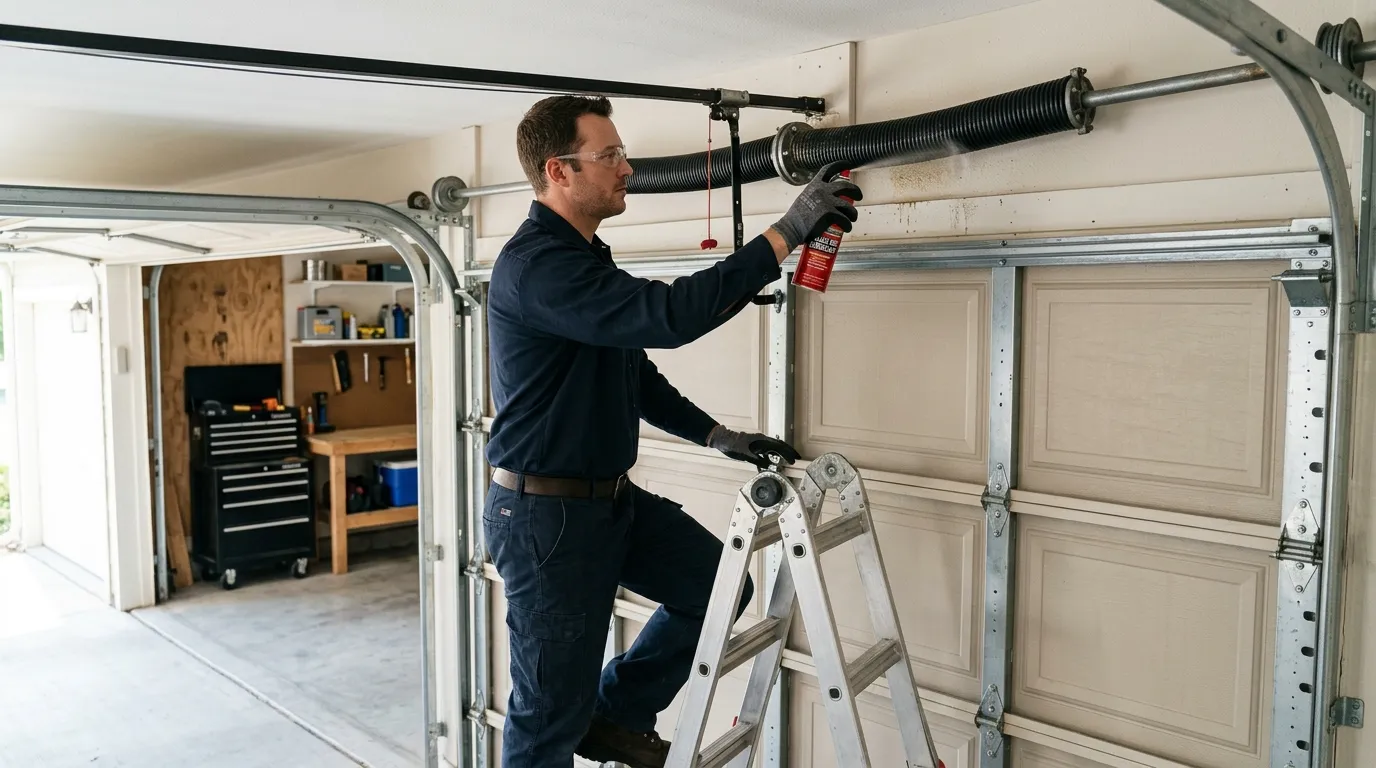
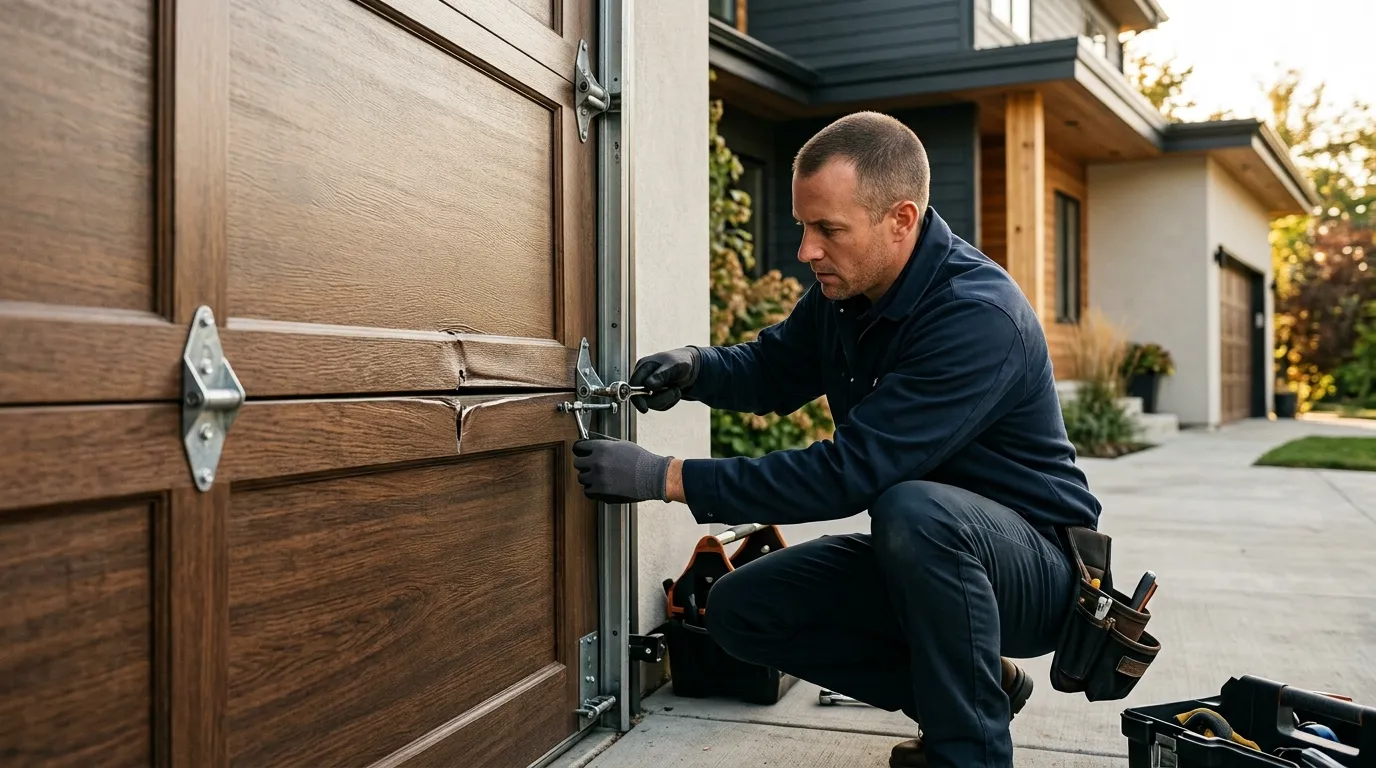
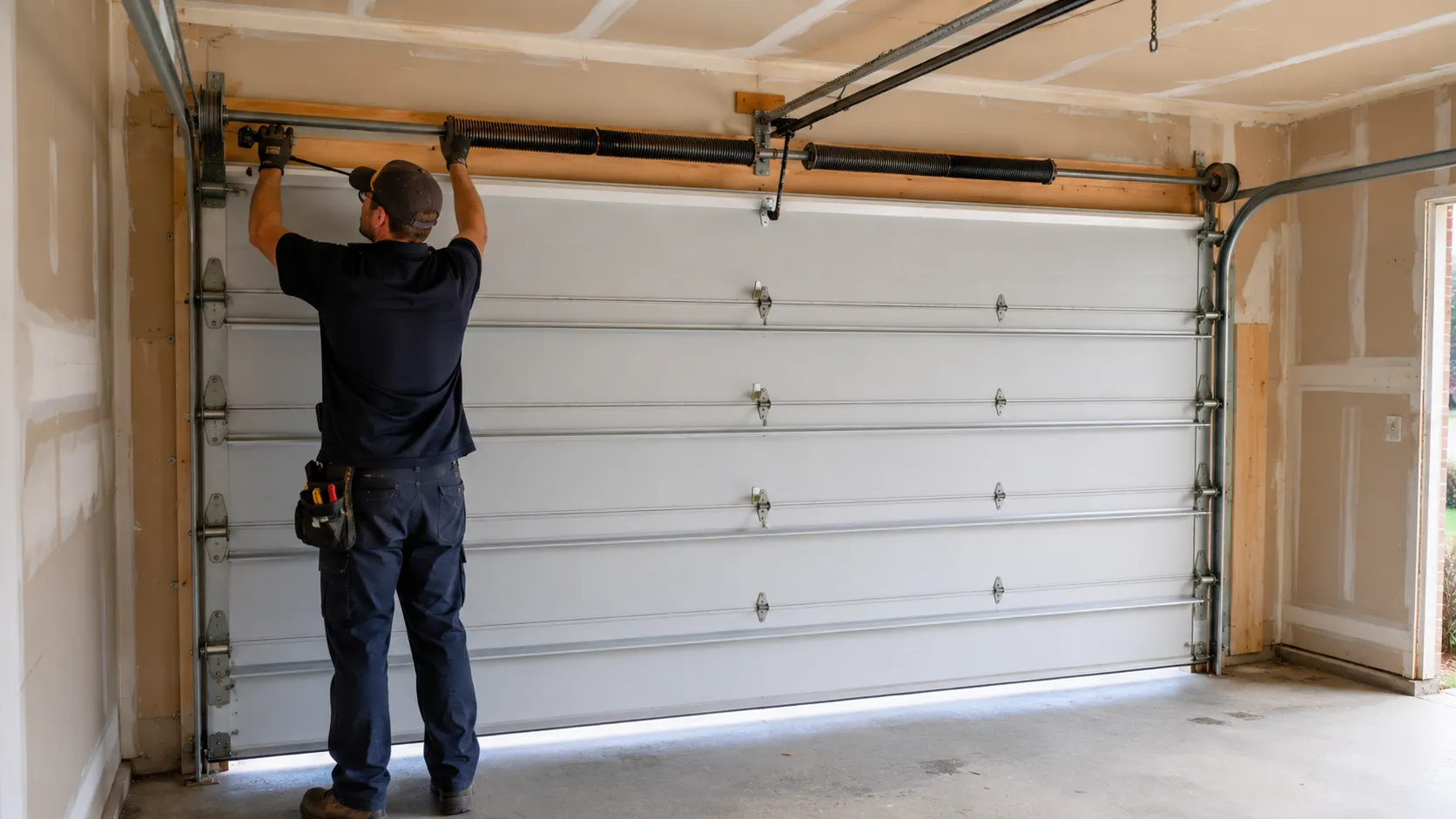
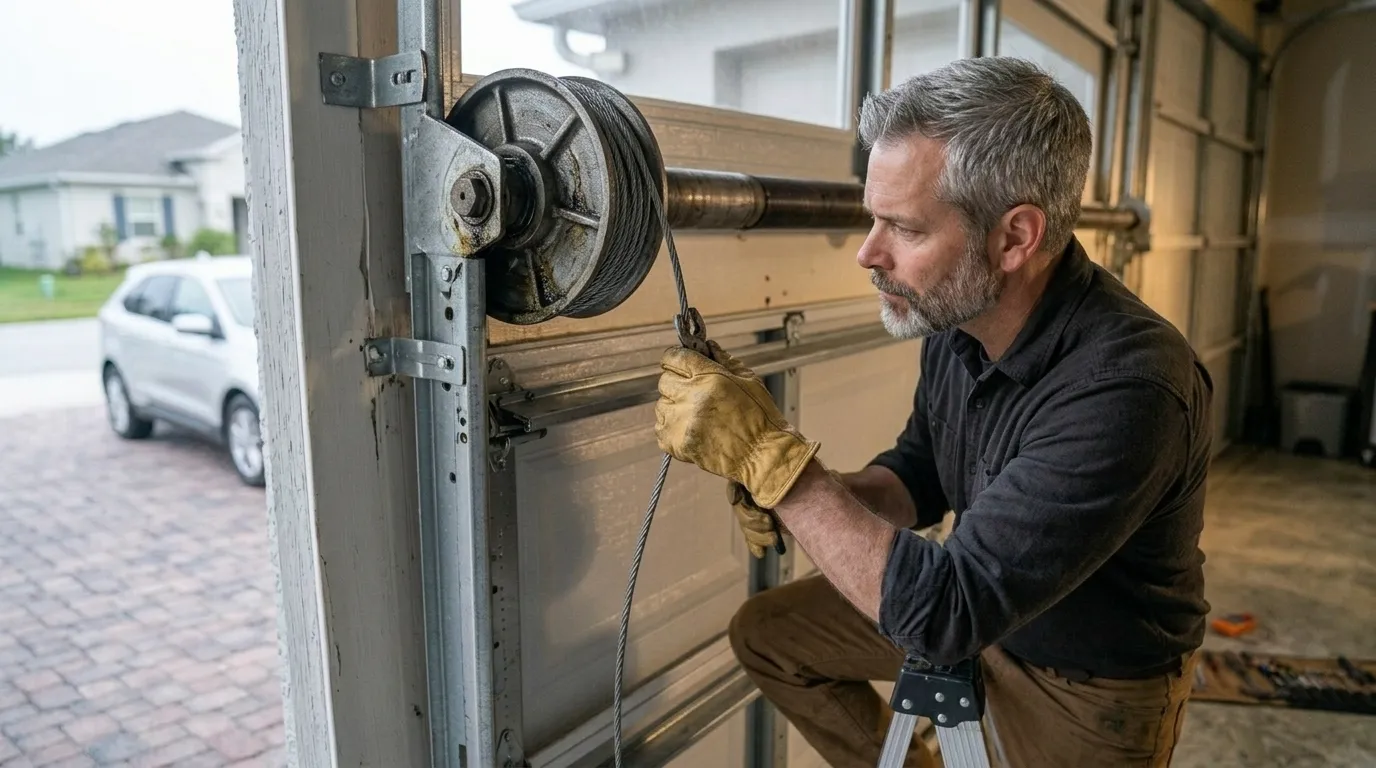
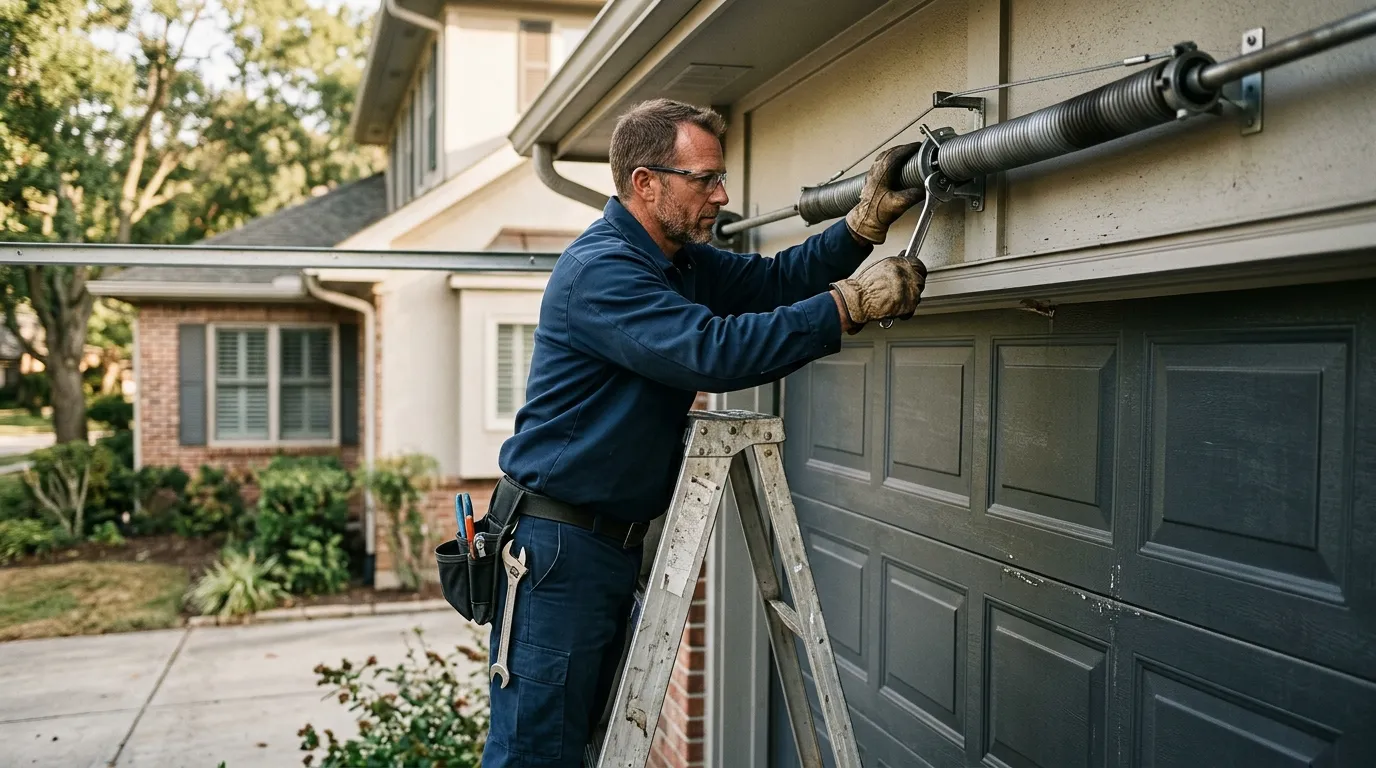
A door installed in the mid-90s in this climate band was built to a cold-weather standard, but 25-30 years of freeze-thaw cycles wear on the same parts no matter how good the original install was. Torsion springs sized for a standard double door from that era are a known quantity for us - we're not guessing at wind, we're replacing a spring we've seen a hundred times.
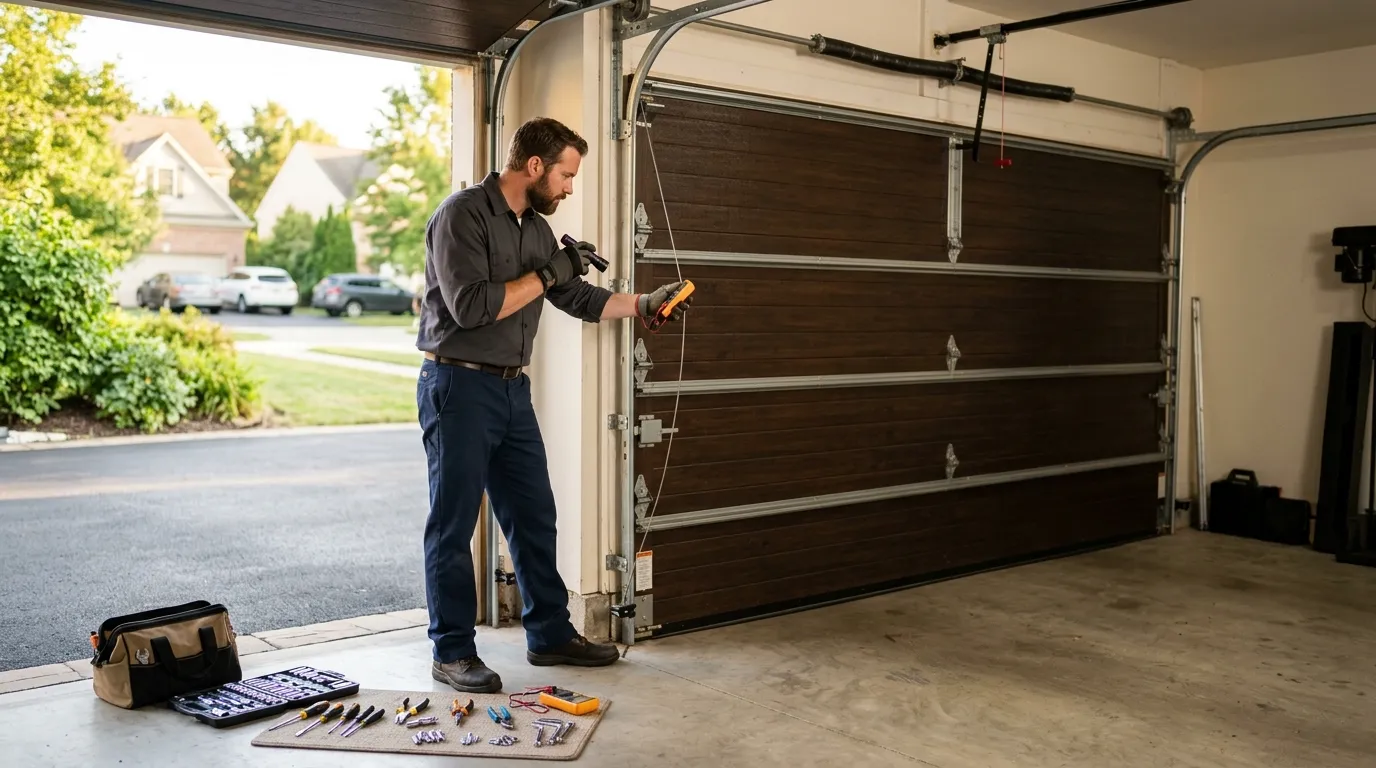
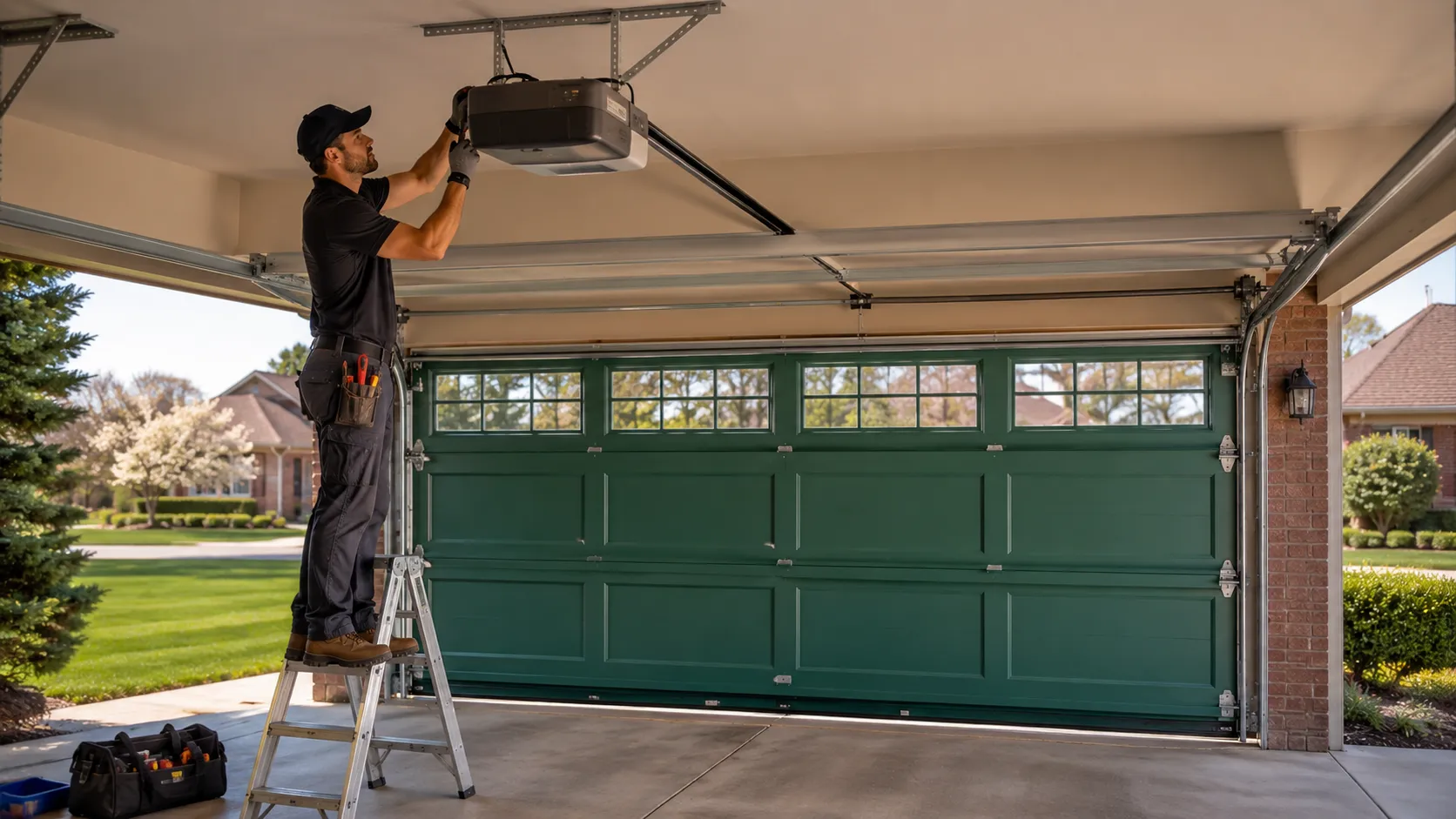
Openers from this build window are mostly chain or belt drive with early rolling-code boards, and those boards are the first thing to go before the motor itself does. Circuit failures show up more than motor burnout on doors this age.
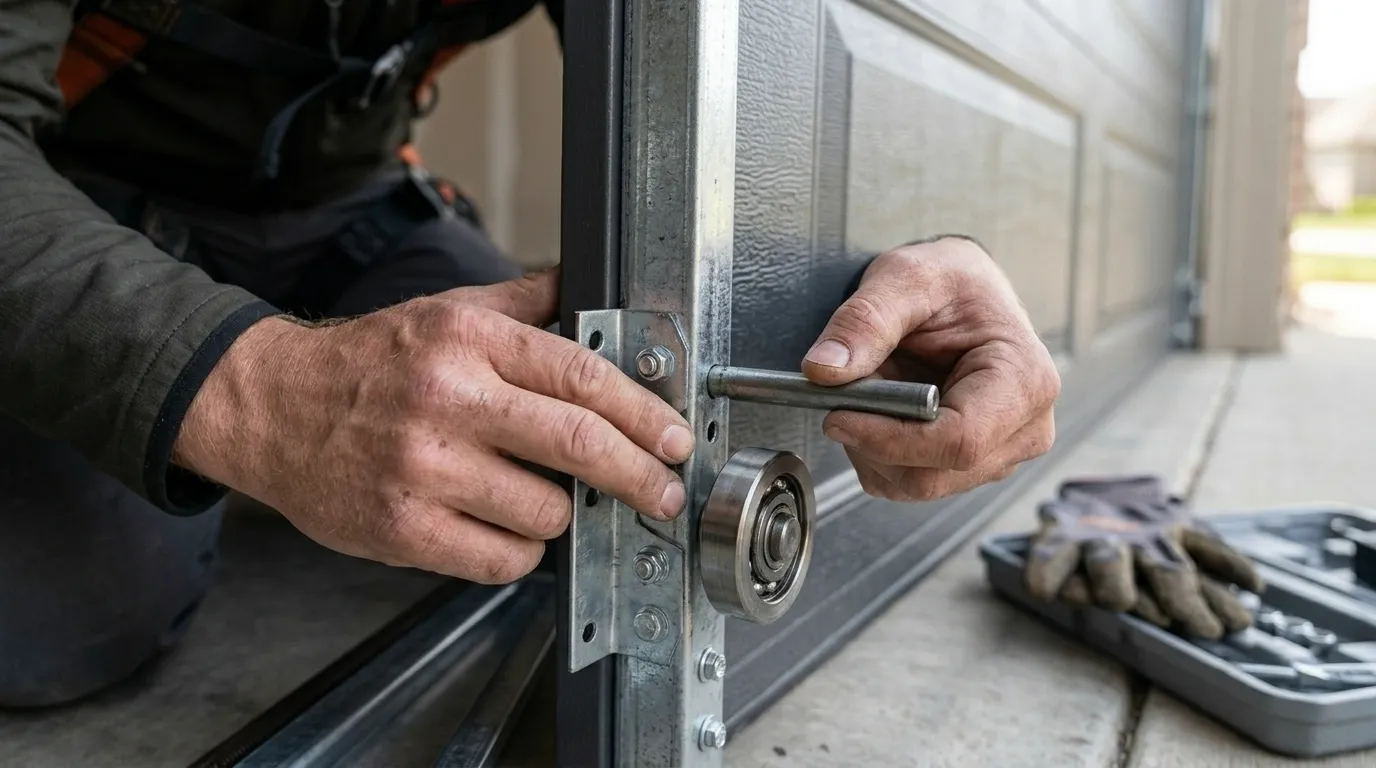
The severe cold this region gets matters more with insulated panels than most homeowners think. A 1990s door with factory-standard insulation doesn't perform the way a door built to current code does, and in a hard freeze that difference shows up as a stiff, slow-moving door or a bottom seal that's given up entirely. We'll tell you straight when a seal replacement will hold you and when the panel underneath it is too far gone to bother patching.
The Calls We Get From Here
Most Superior calls start the same way: a double door that won't lift, and nine times out of ten it's the torsion spring giving out after two decades of cycling in the cold. The second common pattern is a quiet opener - no motor sound at all - which usually points to that original circuit board rather than anything mechanical.
Because the housing here went up in a fairly narrow window, we're rarely surprised by what we find once the door's open. That consistency lets us quote a job with more confidence than we can in older, mixed-vintage neighborhoods elsewhere on our route.
One honest limit: we don't keep a stocked location in Superior itself. Every job here means a drive from Longmont, so if you need a specific torsion spring size or a panel color match that isn't on the truck that day, expect a short wait rather than a same-hour turnaround. We'd rather tell you that up front than promise something we can't deliver from 17 miles out.